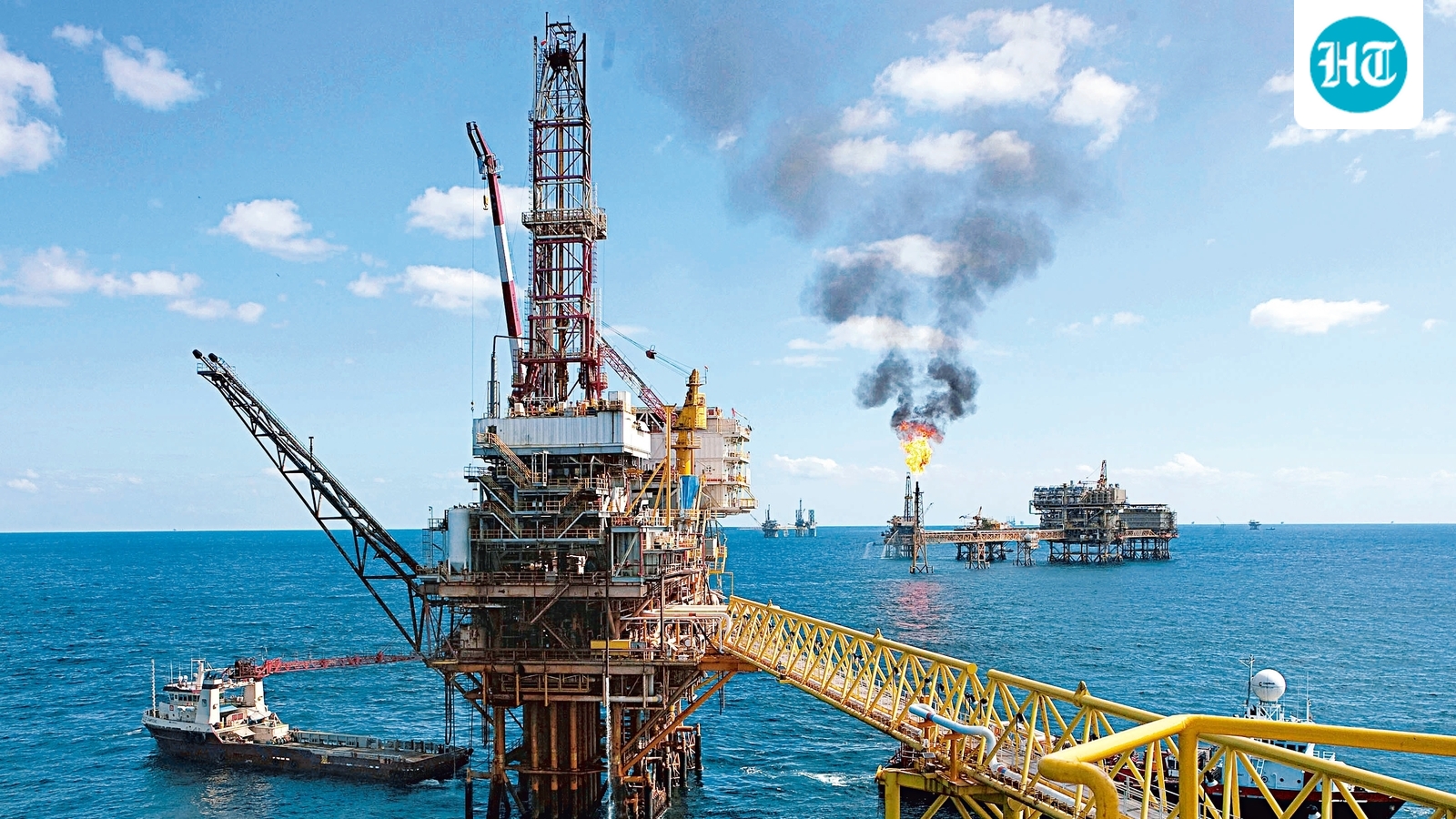
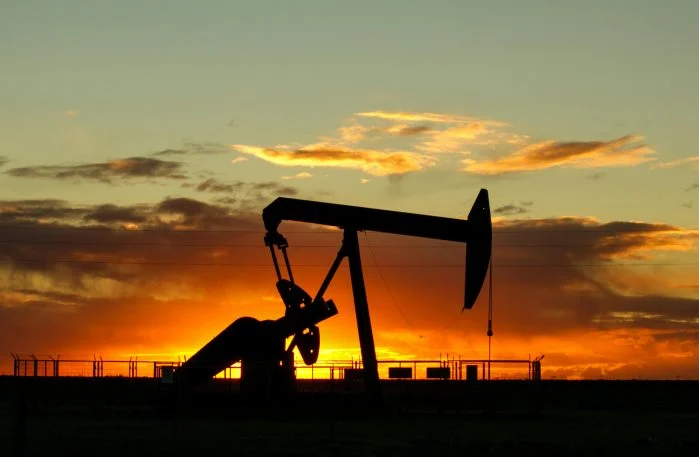
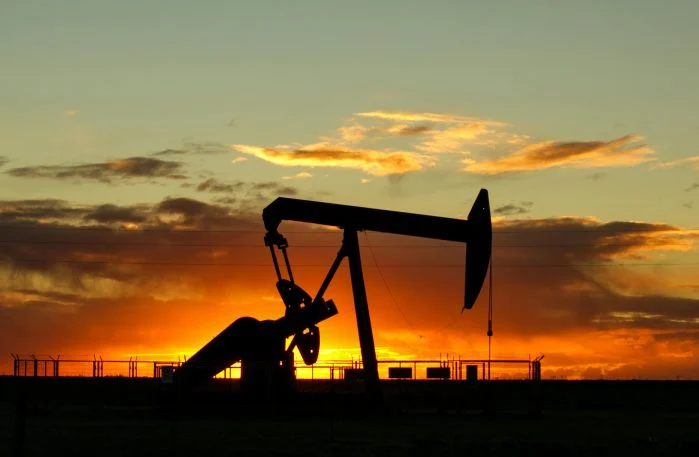
Oil prices have climbed following recent escalations in the Middle East, according to a report from Reuters. The tensions have impacted global oil benchmarks, with Brent crude and U.S. WTI reaching prices of $94.65 and $90.22 per barrel, respectively. The increase in oil prices comes amid heightened concerns over potential supply disruptions, particularly affecting the Strait of Hormuz, a vital artery for global oil flows. Historical patterns have shown that regional conflicts can rapidly elevate oil prices, even in the absence of immediate supply losses.
Key Takeaways
Recent developments in the Middle East appear to have driven oil prices to a five-week high, reflecting concerns over potential supply disruptions.
Pricing suggests market participants view the current geopolitical tensions as consistent with scenarios that previously pushed oil prices above $100 per barrel.
Despite the rise in oil prices, market odds for crude oil reaching a new all-time high remain low, indicating skepticism about a sustained or significant further increase.