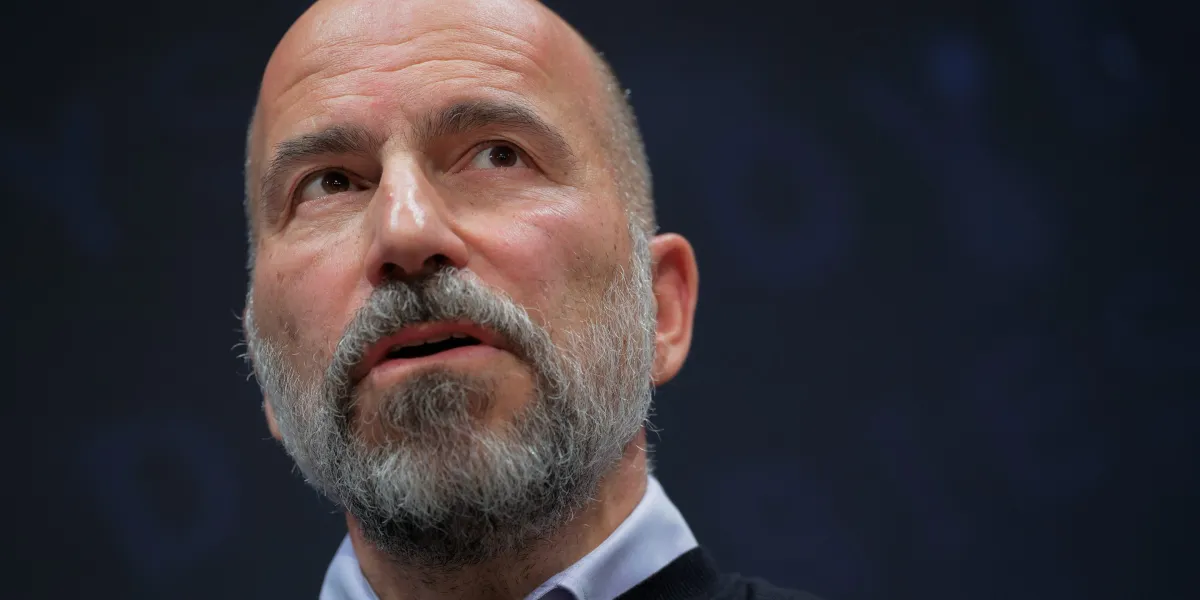
On Wednesday, Uber CEO Dara Khosrowshahi announced the company will be cutting 3,300 jobs, a tenth of its workforce worldwide. It’s the biggest cut since COVID, when the ride-share app cut 14% of its workforce, amounting to 3,700 jobs.
“This wasn’t a decision we made lightly, because it will have a real impact on our teammates and friends who have worked hard for Uber,” Khosrowshahi wrote in a letter to employees. “It’s important to say that these changes are about how we’re organized and what we’re prioritizing, not about anyone’s contributions to Uber, which we will always value.”
Khosrowshahi said that the cuts were not because of a downturn in the economy—in fact he acknowledged Uber “has grown by orders of magnitude” in the past five years. Instead, it was simply because Uber had gotten too big to manage, and the cuts would help the company run “faster and smarter.”
Uber made a 20% reduction in the number of employees who were seven layers or more removed from the CEO. The company also cut the number of “micro-teams” (those with only one or two direct reports) by half, and combined each delivery operations team in the restaurant, retail, and direct divisions into one big team.
“The outcome is a simpler org chart geared toward building versus managing,” he wrote. “Running these three businesses separately made sense in their early days, but that structure is no longer serving us at scale.”