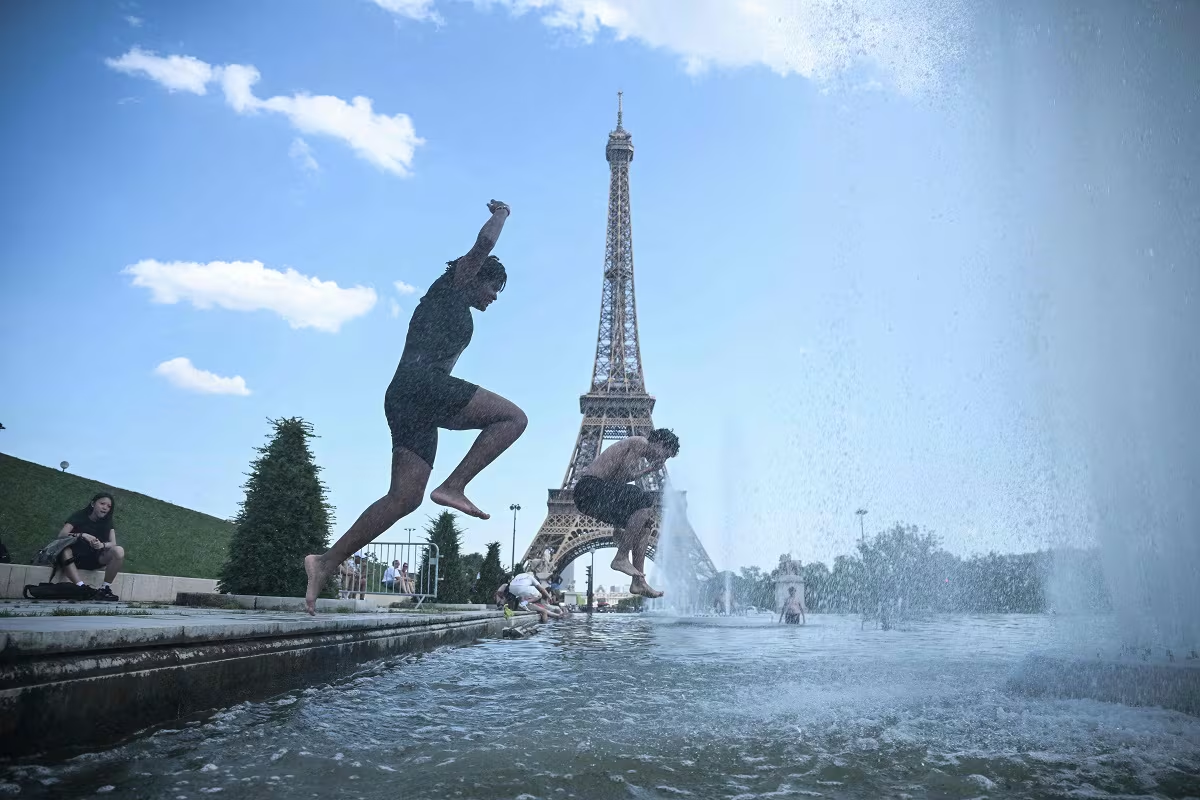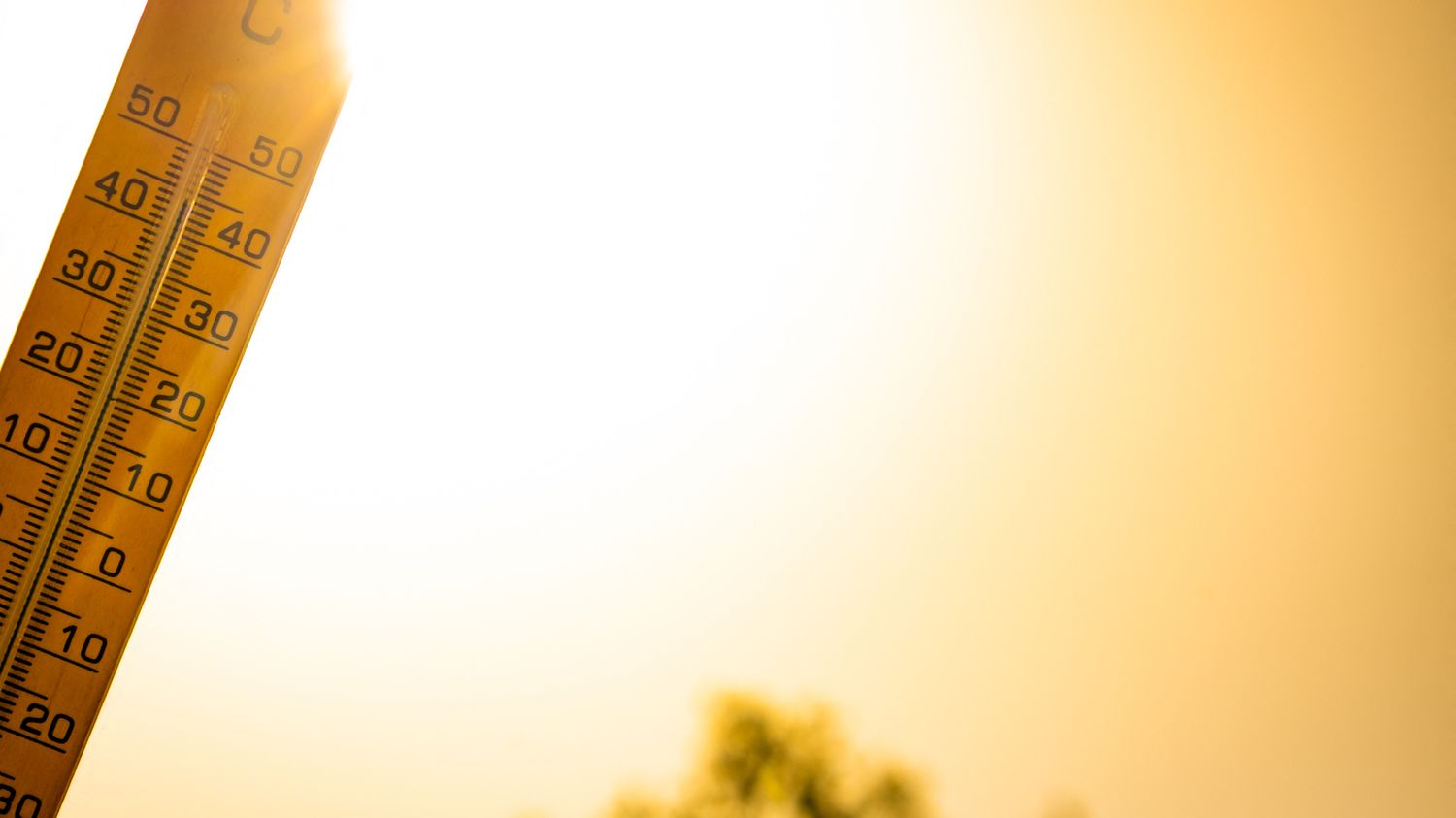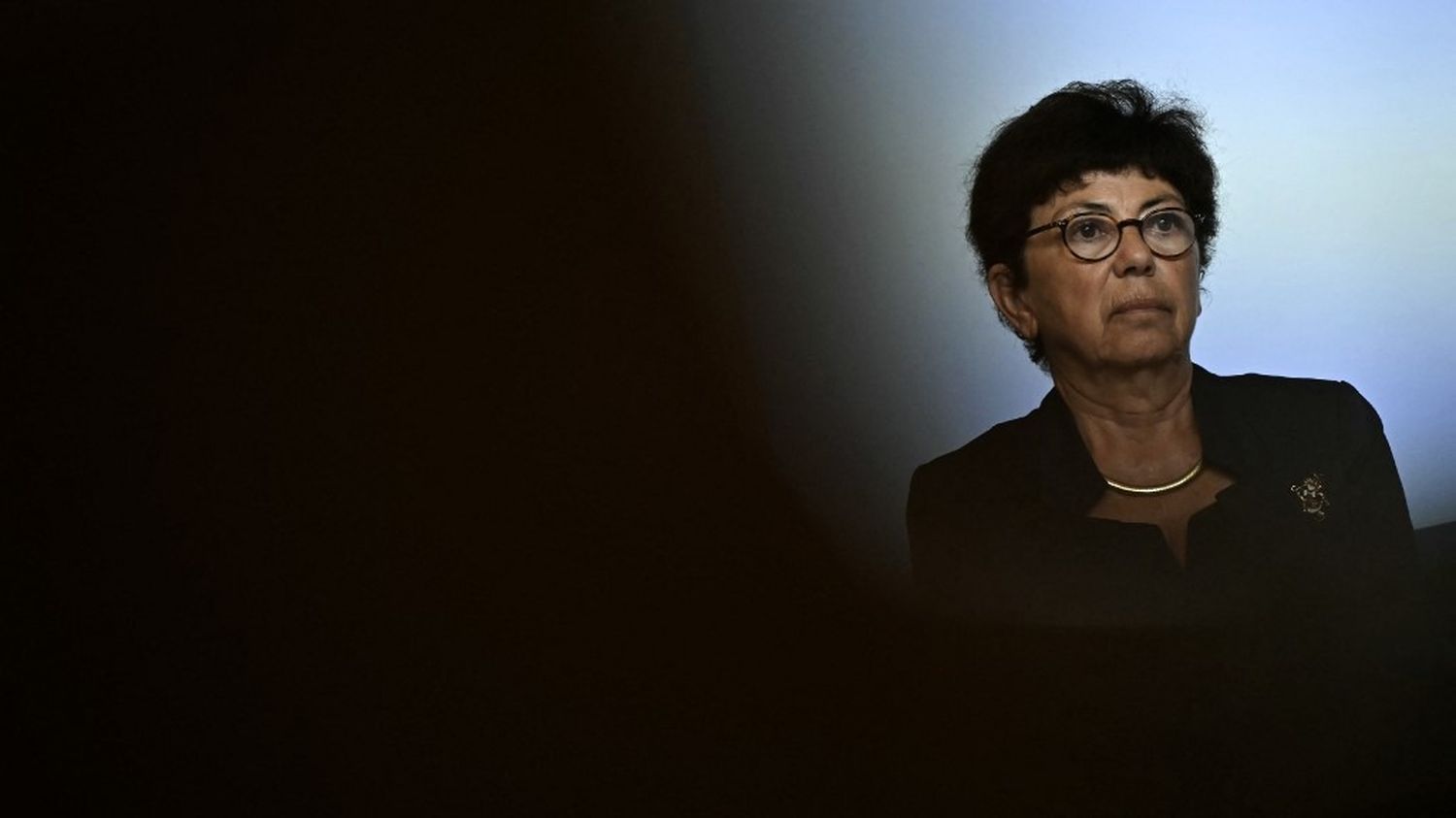
France experienced its hottest summer on record in 2026, marked by heatwaves, drought and massive wildfires, the environment minister said on Thursday. "We have just lived through the hottest summer ever recorded since measurements began in 1900," Monique Barbut said at a presentation of the summer climate report, which for meteorologists covers June to August. France joins Belgium and Britain in recording their hottest-ever summers after a season that scorched Europe, the globe's fastest-warming continent.
To display this content from YouTube, you must enable advertisement tracking and audience measurement.
One of your browser extensions seems to be blocking the video player from loading. To watch this content, you may need to disable it on this site.
Cover image: Firefighter Avery Stark, of Cal Fire’s Tuolumne-Calaveras Unit, soaks the ground next to a bulldozer-cut containment line while battling the Gann Fire near Angels Camp on Tuesday, August 4, 2026. Four helicopters, 50 fire engines, eight water tenders, and 16 bulldozers were operating at the scene that day; by Thursday, the deployment exceeded 1,600 personnel. © Stephen Lam, San Francisco Chronicle
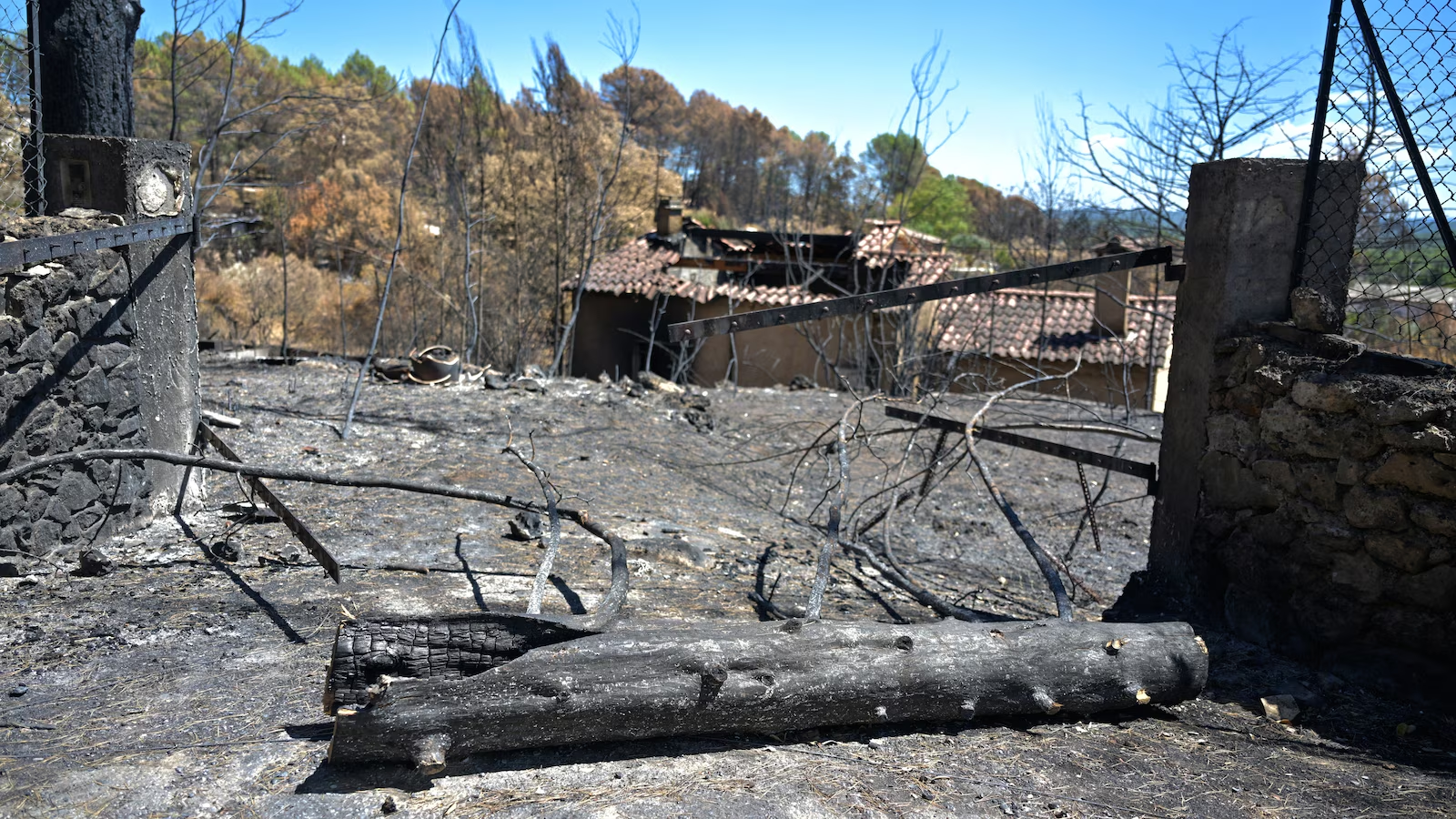
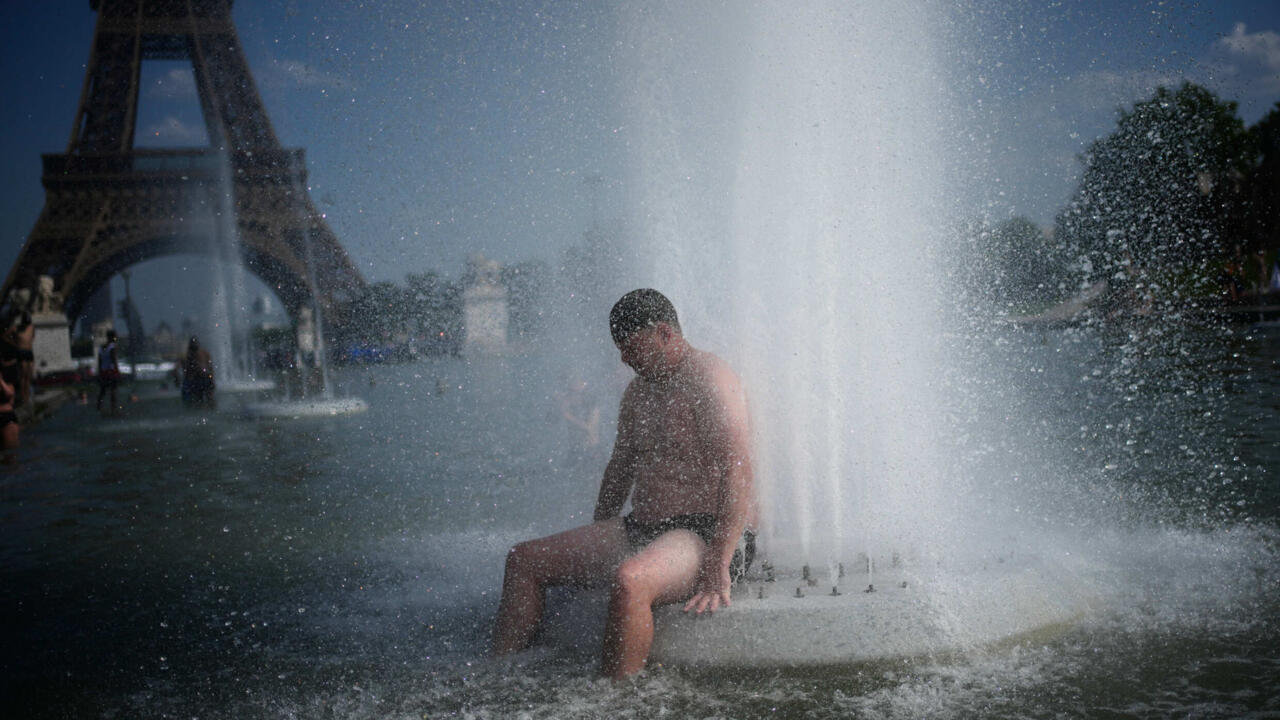
Scientists say that human-made climate change has made extreme weather events more intense and more frequent. France endured multiple severe heatwaves, including one in late June that set a new intensity record.Another, stretching from late July into August, matched the record for the country's longest heatwave, lasting 23 days, a mark previously set in 1983. Read moreFrance measures more than 7,300 excess deaths – and counting – during historic heatwaves During this period the country was hit by several major wildfires. "By the end of August, forest fires had already burned six times more area than the average of the last twenty years," Barbut said. The weather service Meteo-France said Thursday the country saw 53 days of heatwave conditions over the summer – a "completely unprecedented number". "The summer of 2026 will go down in history," the minister said. "The question we must now ask ourselves is how it will be remembered... As the first in a long series of summers that continue to break records. Or as a moment when we rose to the challenge of adaptation and mitigation," by reducing greenhouse gas emissions, she added. Read moreFrance's Fontainebleau forest reopens a month after wildfire Prime Minister Sébastien Lecornu tasked Barbut in late July with presenting new measures to speed up implementation of France's national climate change adaptation plan. On Thursday, she promised conclusions "by the end of September", including a five-year funding plan. The heatwaves were deadly across Europe, with French authorities recording thousands of excess deaths. Across the French capital – where few homes have air conditioning – some locals taped foil survival blankets over their windows, trying to keep out the sun. Schools were shuttered and there were rushes on fans and AC units. "We will not have renovated all schools by next summer," but "at the very least we can have shutters and air circulators installed", Barbut said, acknowledging some "situations for which we could have been better prepared". (FRANCE 24 with AFP)