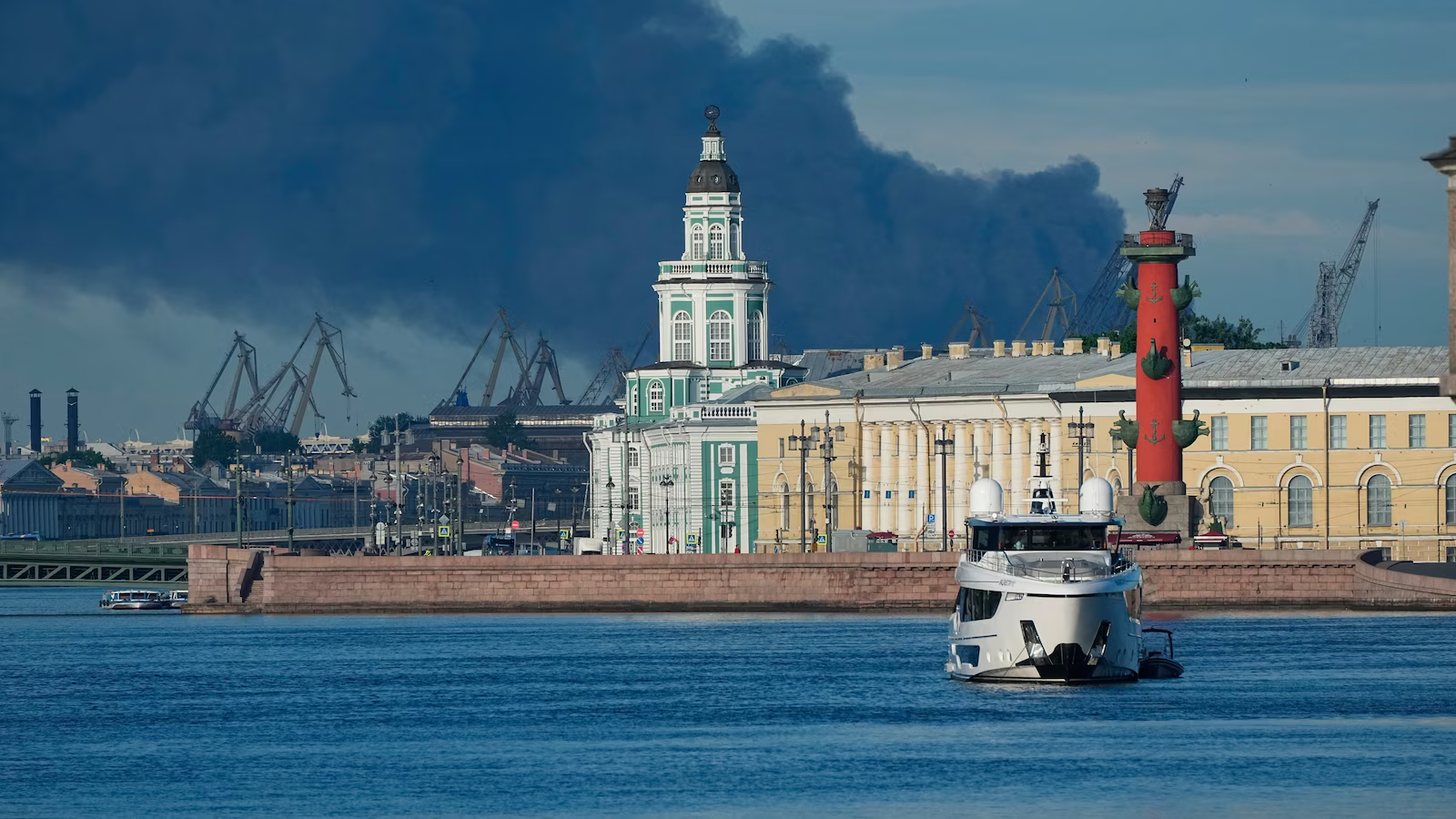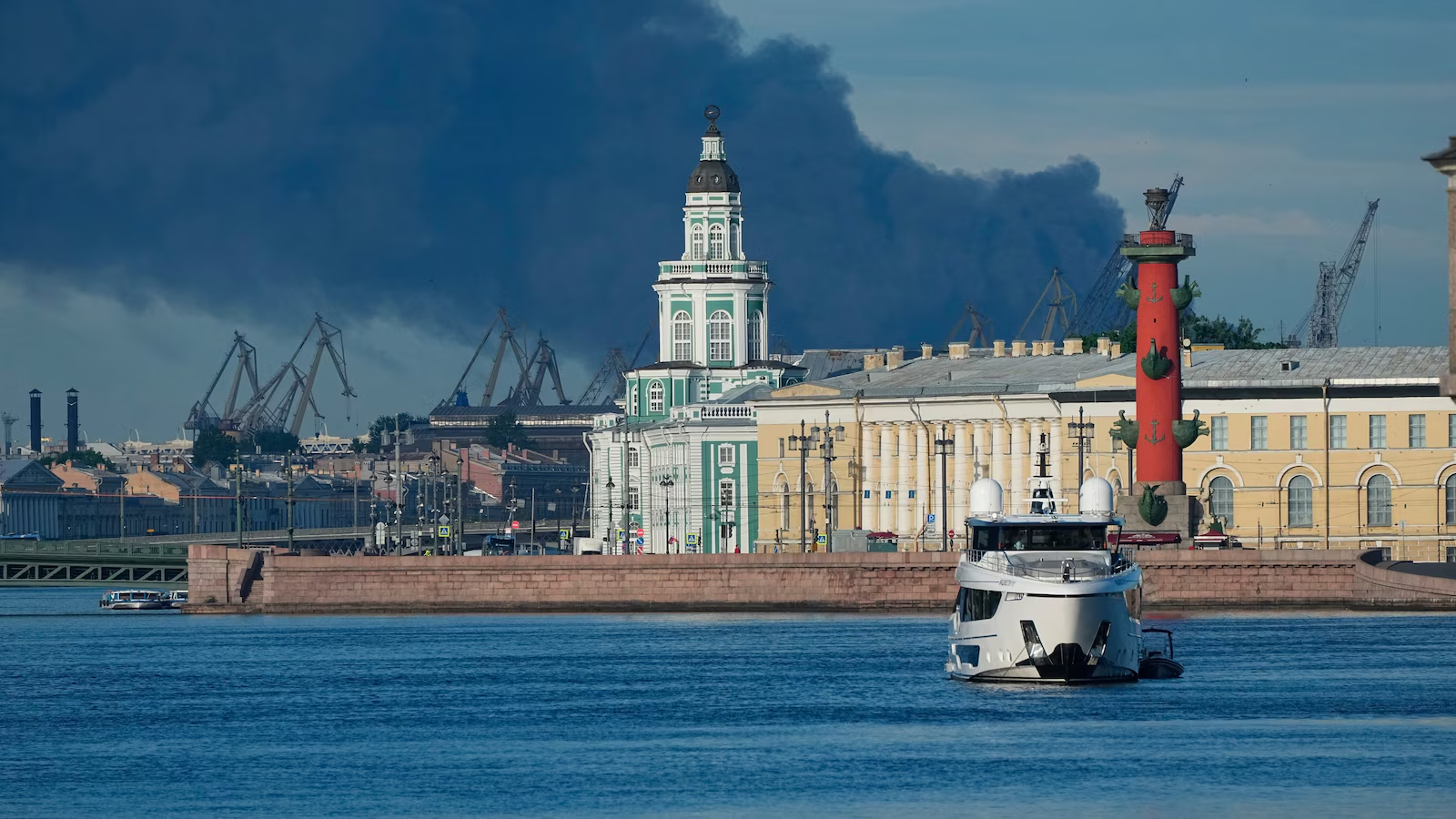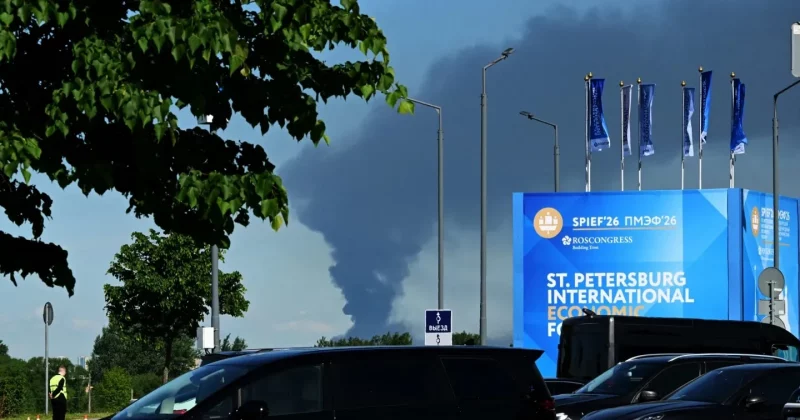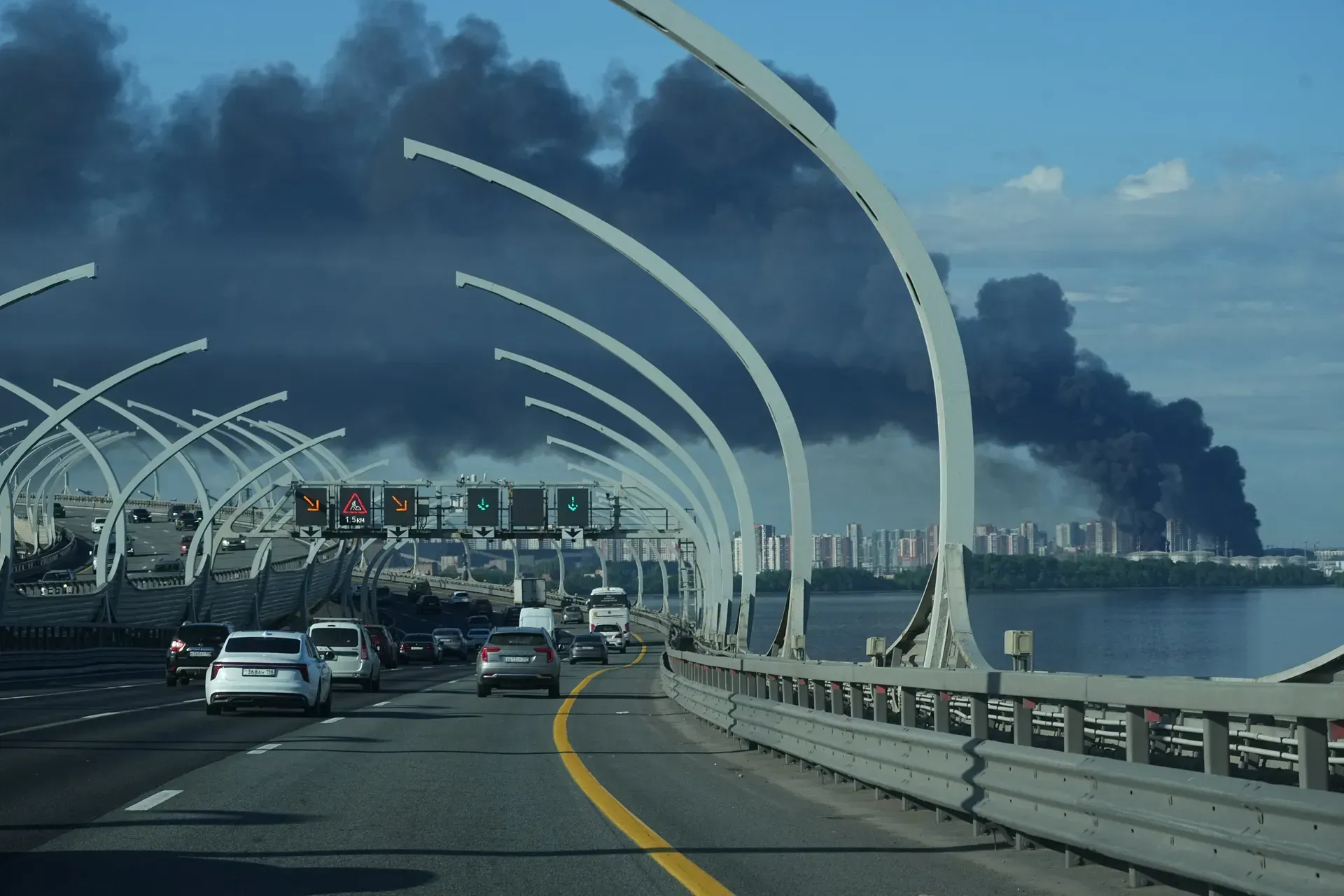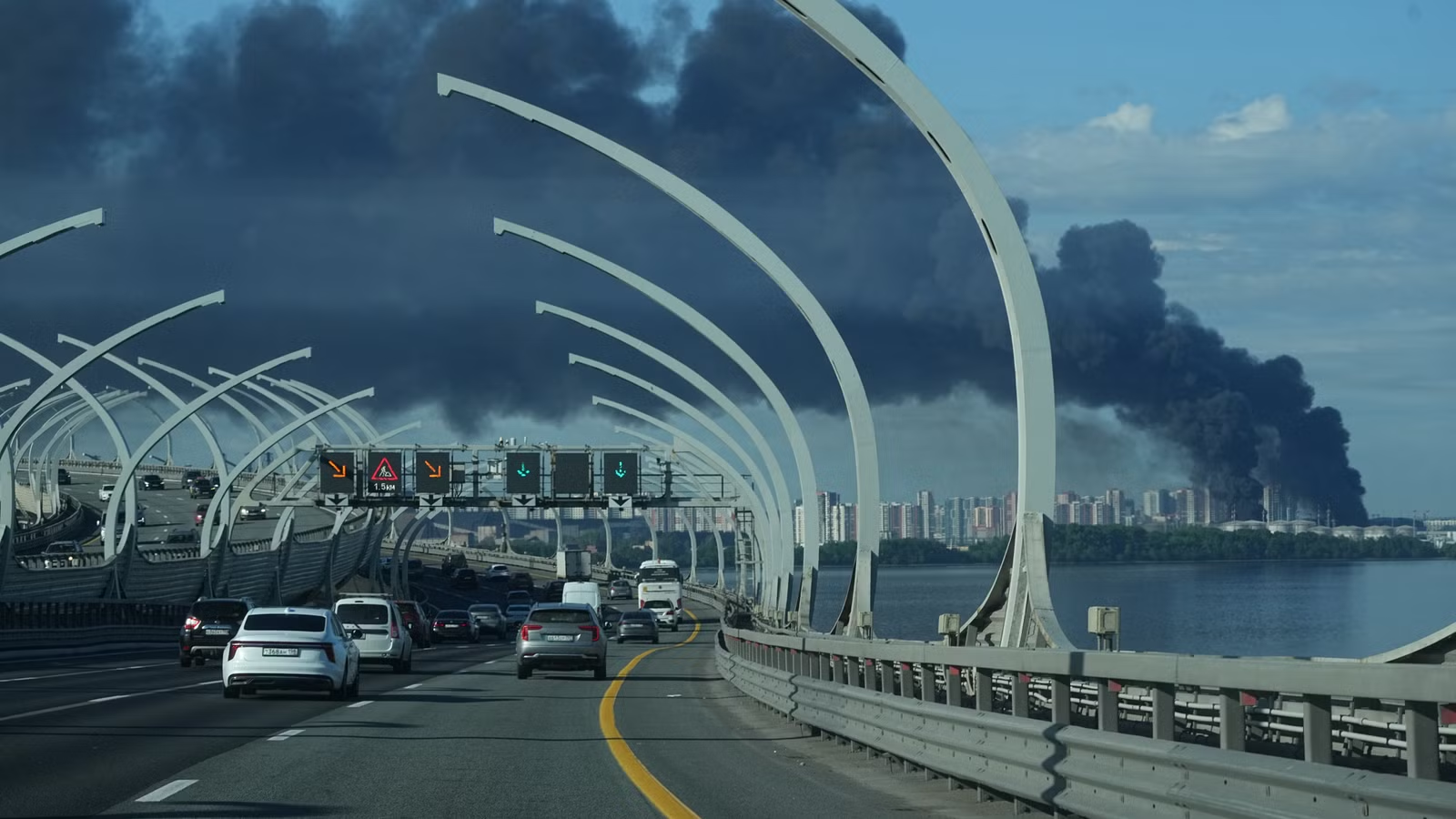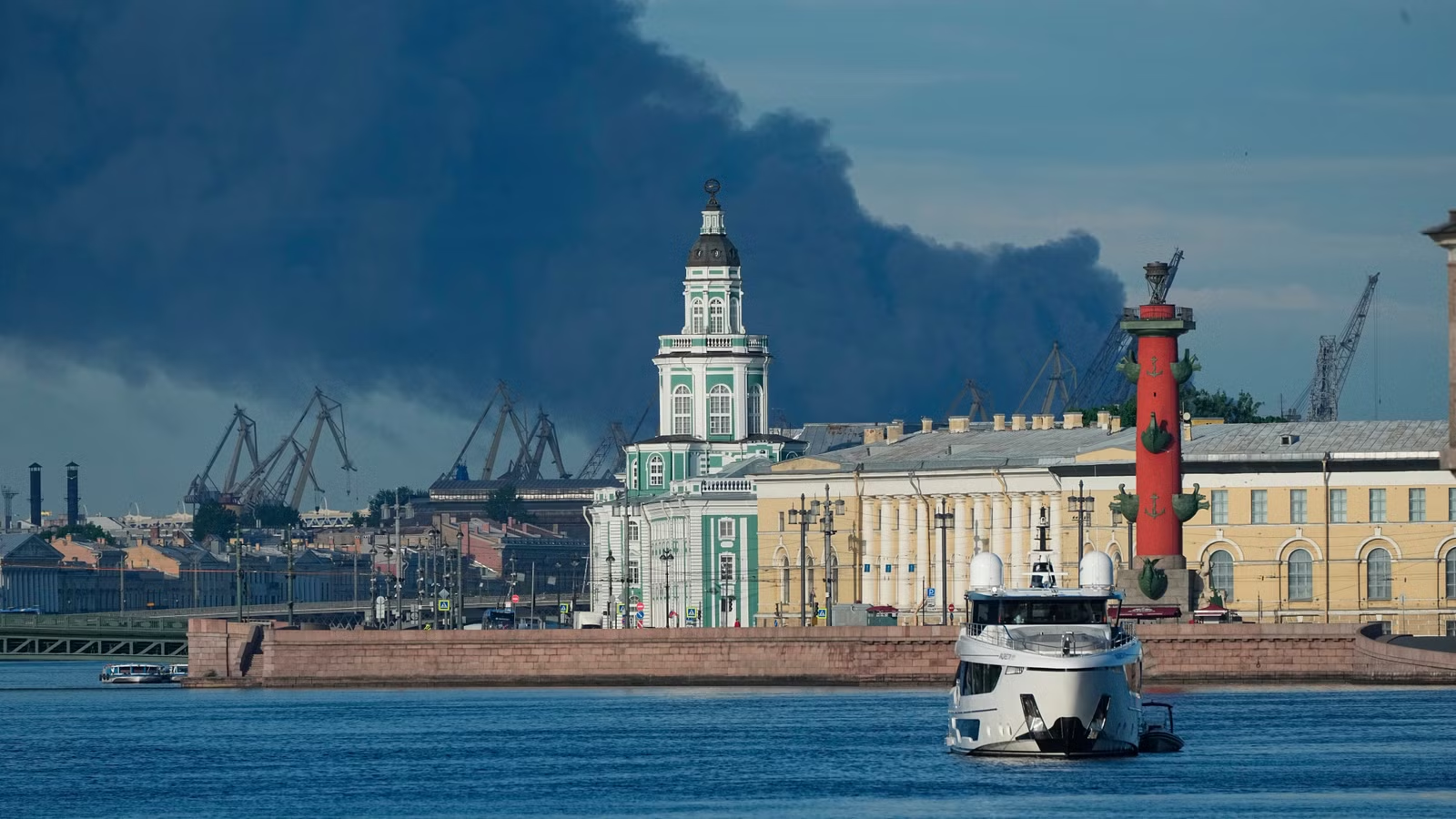
FILE - A plume of black smoke rises over the port of St. Petersburg, Russia, on June 3, 2026, after a Ukrainian drone attack. (AP Photo, File)
Originally published by
Associated Press
There were long lines at gas pumps, turning each fill-up into an ordeal. Flights to vacation destinations were canceled, delayed or rerouted. Online orders were disrupted as e-commerce hubs were set ablaze by buzzing drones. It's been a difficult summer for Russians — a season of almost daily turmoil, frustration and anxiety. The war that President Vladimir Putin unleashed on Ukraine 4½ years ago has come home and is harder to ignore. Nightly swarms of drones closed Russian airports, struck oil refineries or set ablaze the warehouses of retail giants Wildberries and Ozon. Over 43,300 Ukrainian drones were intercepted over Russia and illegally annexed Crimea in June, July and August, according to Defense Ministry data compiled by The Associated Press, although some clearly hit their targets. In the same period last summer, about 7,700 were intercepted, the ministry said. “We were living a normal life, and then suddenly it’s like this,” retiree Margarita Terekhova said about waiting in line to refuel her car in Moscow, part of the nationwide gas crisis from refinery attacks that persisted into August. As the calendar turns toward autumn, increased awareness of the war and its consequences comes at a challenging time for the Kremlin. A parliamentary election takes place Sept. 18-20 — the first since the full-scale invasion. While there's little doubt about the outcome of the tightly controlled balloting that features few opposition candidates, analysts say it still holds potential for political volatility. “Elections are a time when people should reflect on themselves, the country, where it’s going and what to do about it,” said Nikolay Petrov, senior research fellow at the NEST Centre, founded by exiled tycoon and opposition figure Mikhail Khodorkovsky. Even in a strictly controlled environment, “things that are unexpected, inconvenient (and) painful for the authorities” can happen, Petrov said.