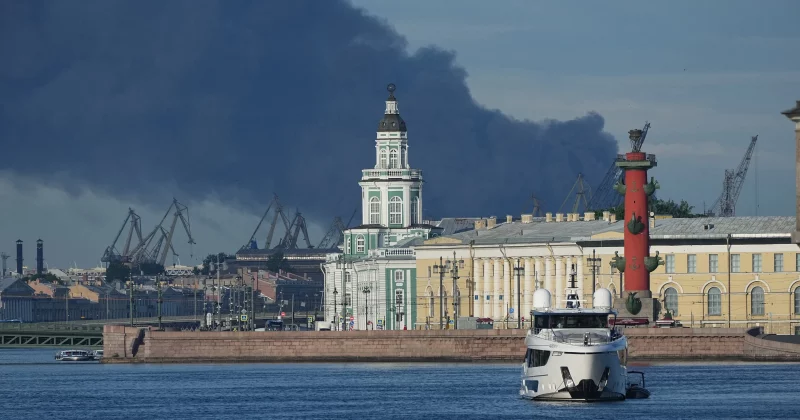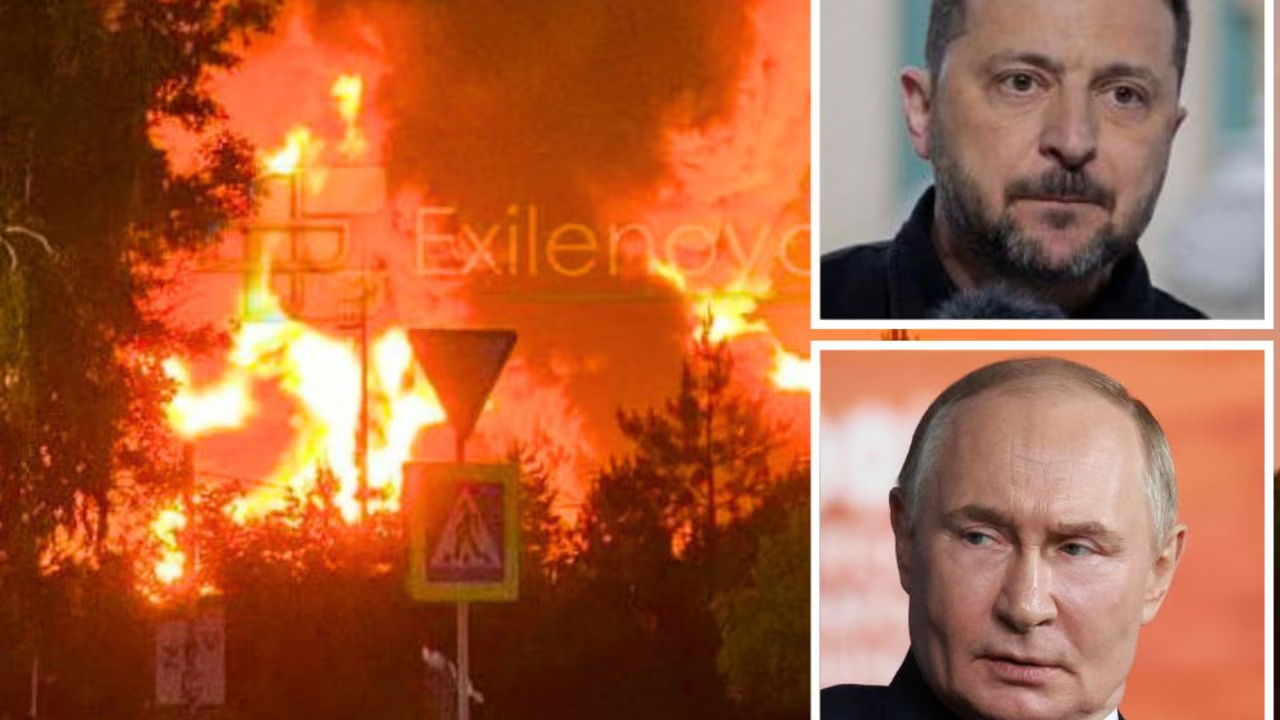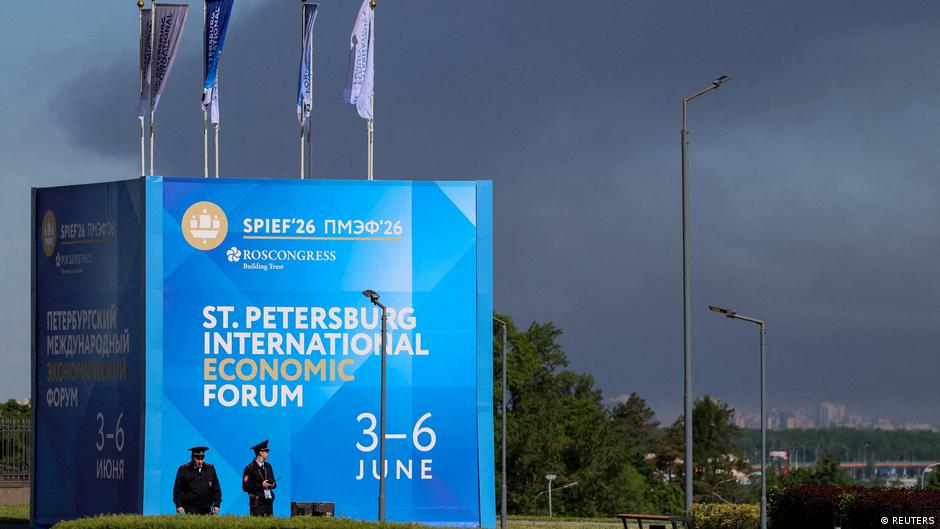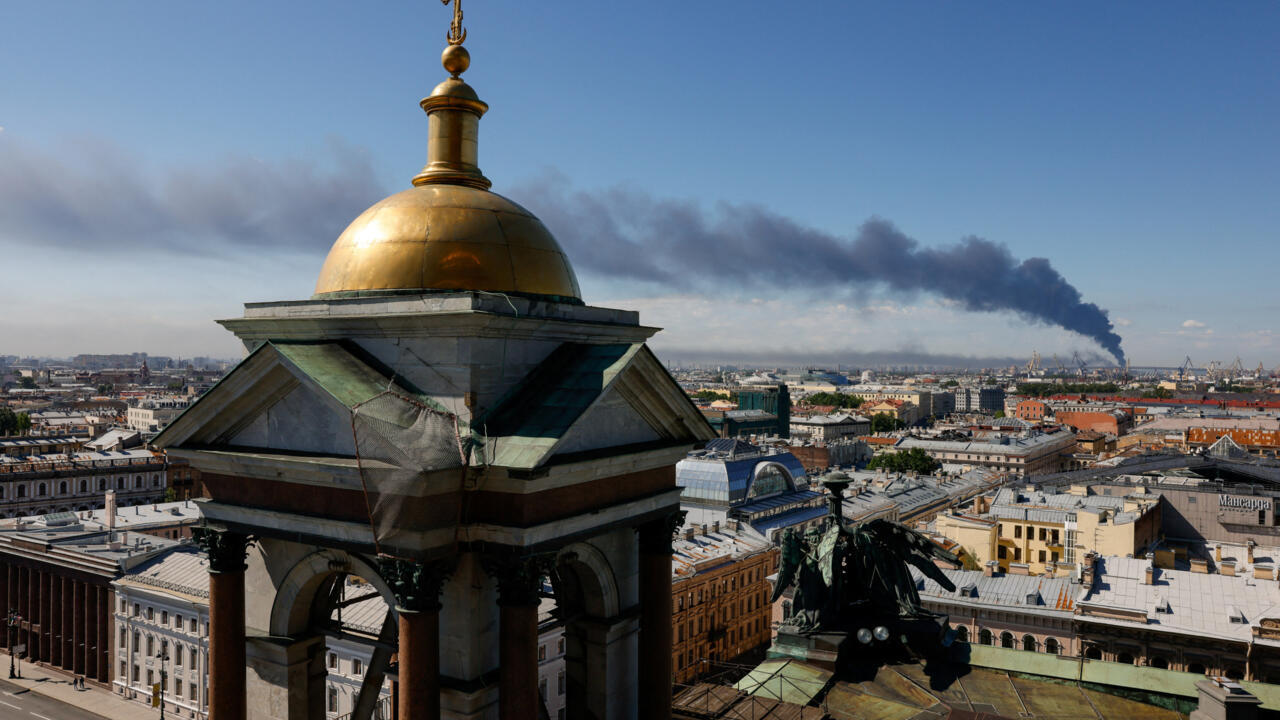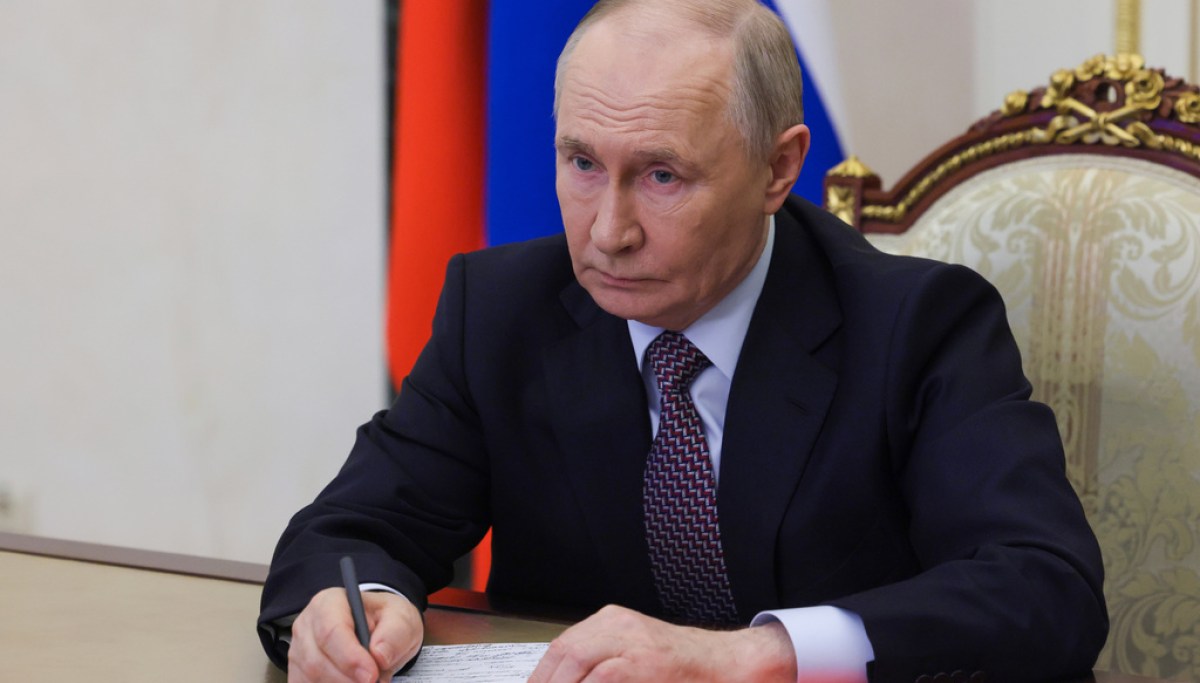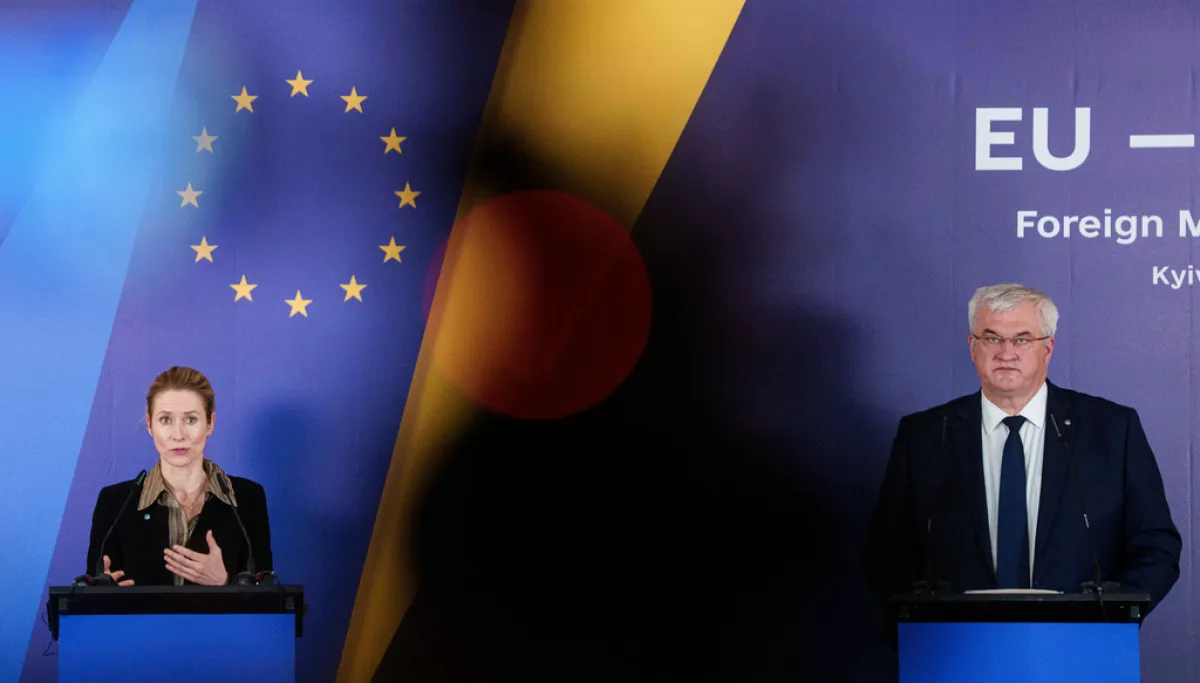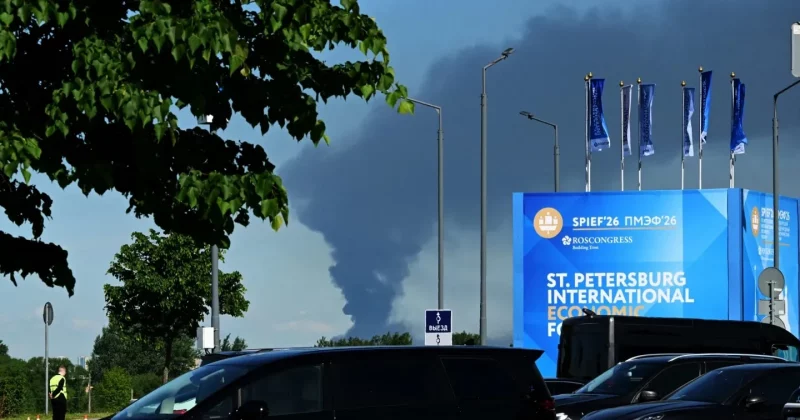
Ukraine sent a swarm of drones more than 620 miles into Russian territory this week, hitting targets in and around St. Petersburg in what amounts to one of the most audacious long-range strikes of the war. The timing was not subtle: the attacks coincided with the St. Petersburg International Economic Forum, Russia’s answer to Davos, and came days after President Vladimir Putin flatly rejected peace talks proposed by Ukrainian President Volodymyr Zelenskyy.
What happened and why it matters
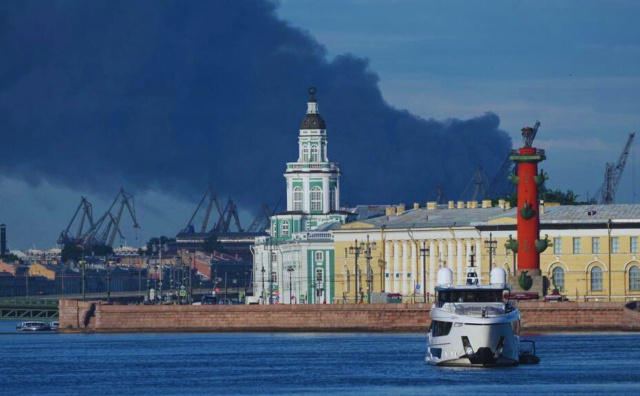
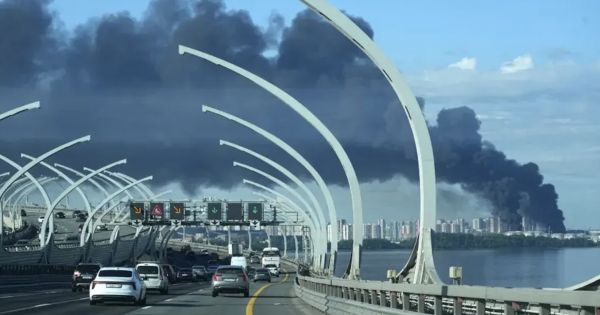
The drone campaign unfolded in waves starting around June 2-3, 2026, with strikes targeting the Petersburg Oil Terminal, a critical node for Baltic fuel exports. Additional targets included naval arsenals, a base in Kronstadt, and oil depots in the Krasnodar region further south.
Russia claimed to have intercepted over 140 drones during one wave alone. Minor injuries were reported among civilians, but the physical damage to energy infrastructure could carry consequences that outlast the initial fires.
St. Petersburg is roughly 1,000 kilometers from Ukrainian-controlled territory. Reaching it with domestically produced drones represents a significant leap in Kyiv’s strike capabilities, one that effectively puts every major Russian city within range of Ukrainian retaliation.