Aging happens at different speeds from one person to another, but it eventually affects everyone. New research from Stanford Medicine, conducted in mice and human cells, points to a particular failure in the immune system that may help explain why.
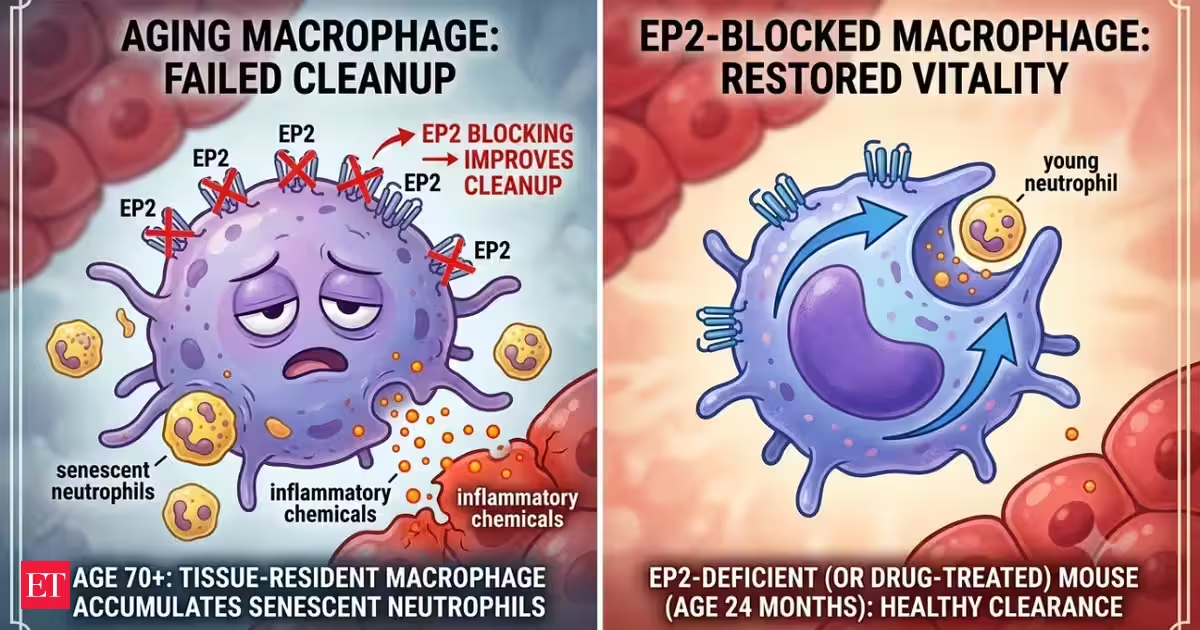
The researchers found that tissue-resident macrophages, a type of immune cell that lives permanently within organs, become less able with age to dispose of another class of immune cells. That decline appears to contribute to aging throughout the body.
When the scientists blocked a single receptor on these macrophages, multiple organs in mice retained more youthful characteristics. The effects were seen in the brain, heart, skeletal and heart muscle, liver, spleen, bone marrow, kidney, and colon. The receptor normally responds to a hormone involved in inflammation and pain in both mice and humans.
Disabling the receptor specifically in tissue-resident macrophages also protected mice from several problems associated with chronic inflammation and aging, including frailty, excess fat accumulation and heart trouble. Cognitive decline was substantially reduced as well, according to Katrin Andreasson, MD, the Edward F. and Irene Thiel Pimley Professor in Neurology and Neurological Sciences.