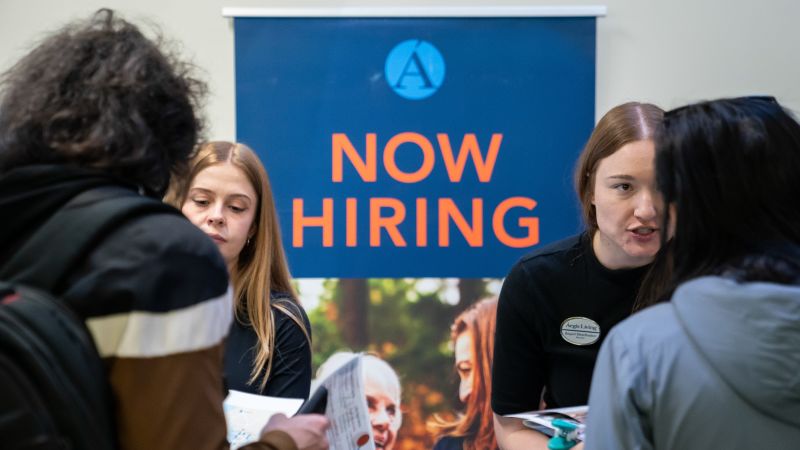
The August jobs report is due out on Friday morning, and economists are expecting that employers added 65,000 jobs last month and the unemployment rate inched back up to 4.2%.
US employment is likely to rebound after the surprise in July, when the economy unexpectedly lost an estimated 23,000 jobs, and the jobless rate dropped to 4.1% as people exited the labor market.
Looking through the monthly swings – and there’s been a fair share of them recently – the underlying story is expected to stay the same: It remains a “low-hire, low-fire” labor market.
The stasis and the tepid job growth may not show it, but this labor market is in the throes of a major transformation as Baby Boomers retire, net immigration slows, AI advances and exogenous shocks ripple through the economy.
In an unintentionally Dickensian fashion, a recent batch of BLS reports provided some deeper context as to how the labor market is being reshaped. These reports featured employment data of the past, the present, and the jobs market yet to come (complete with projections of AI’s future imprint on industries).