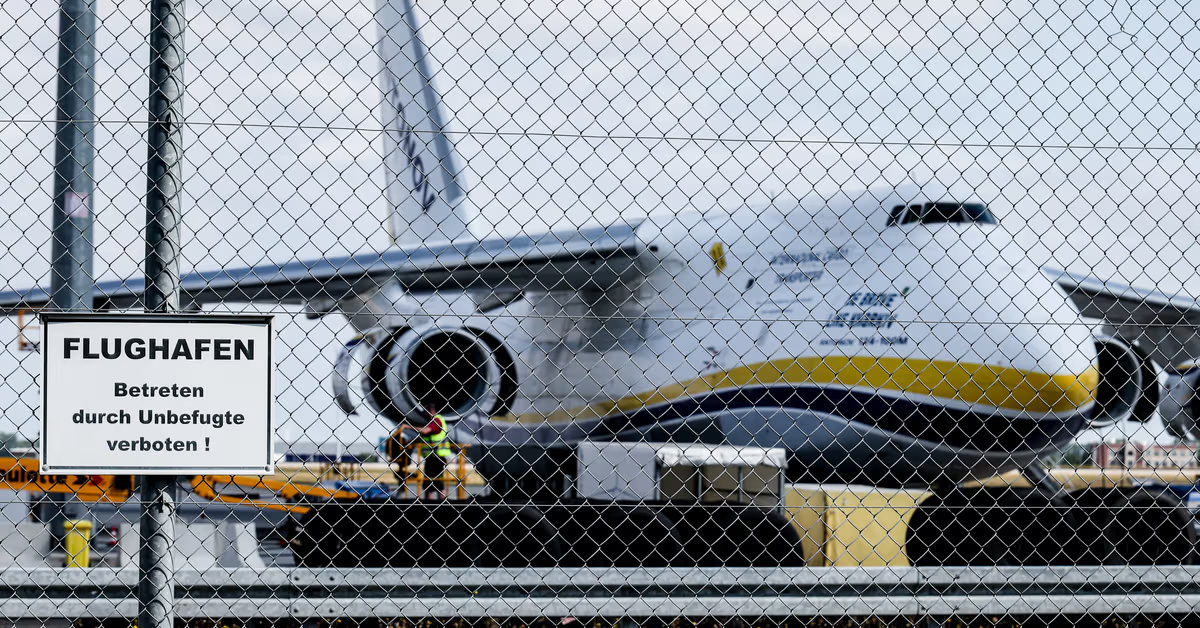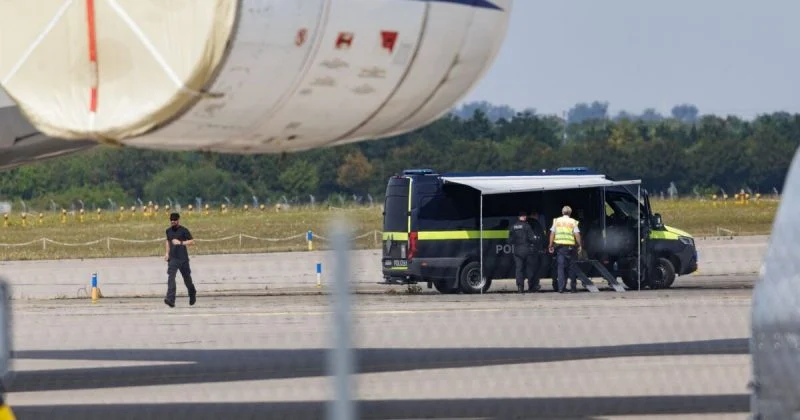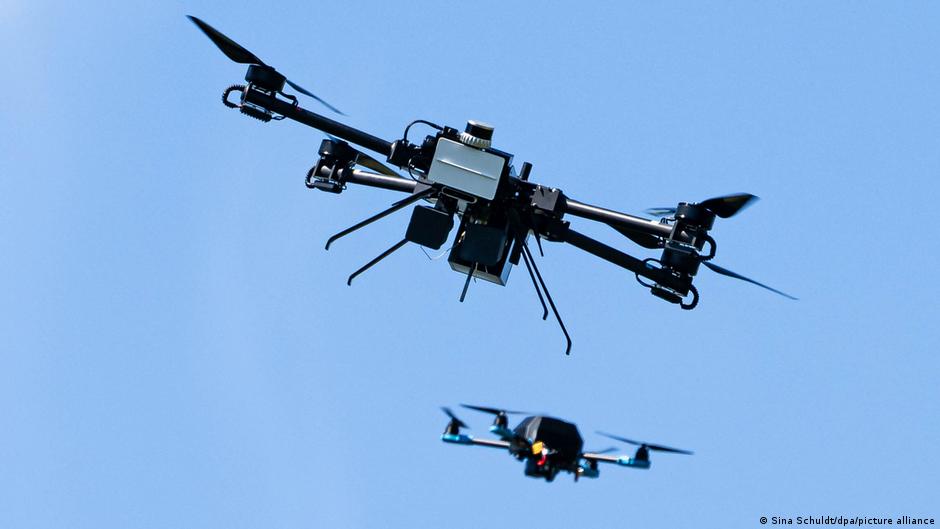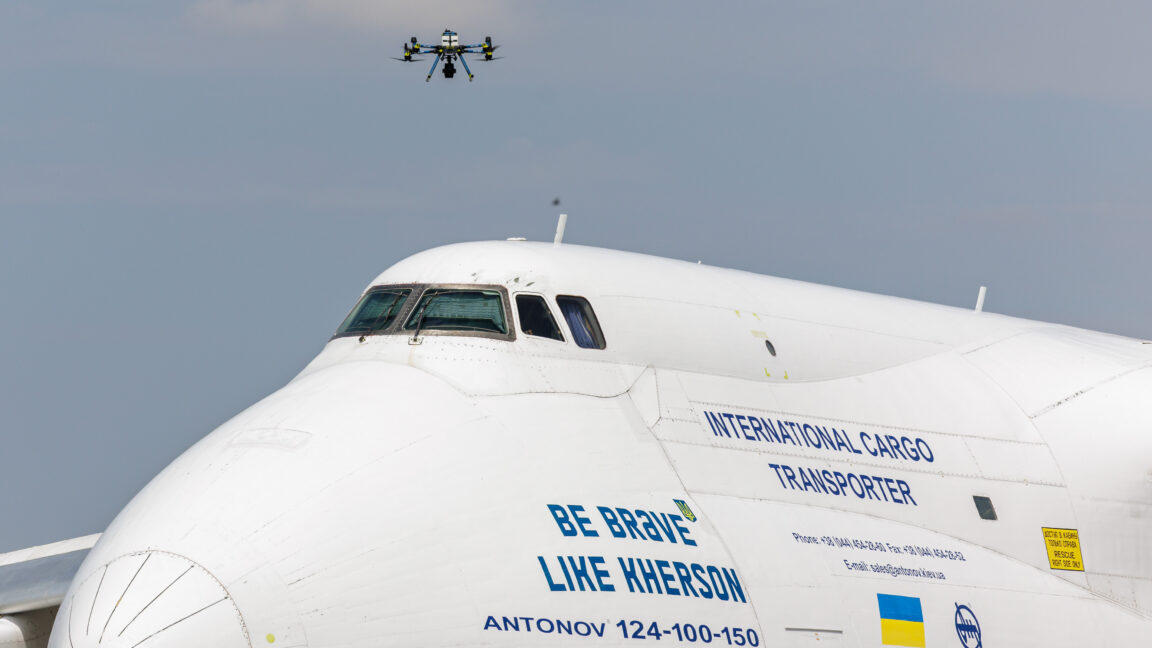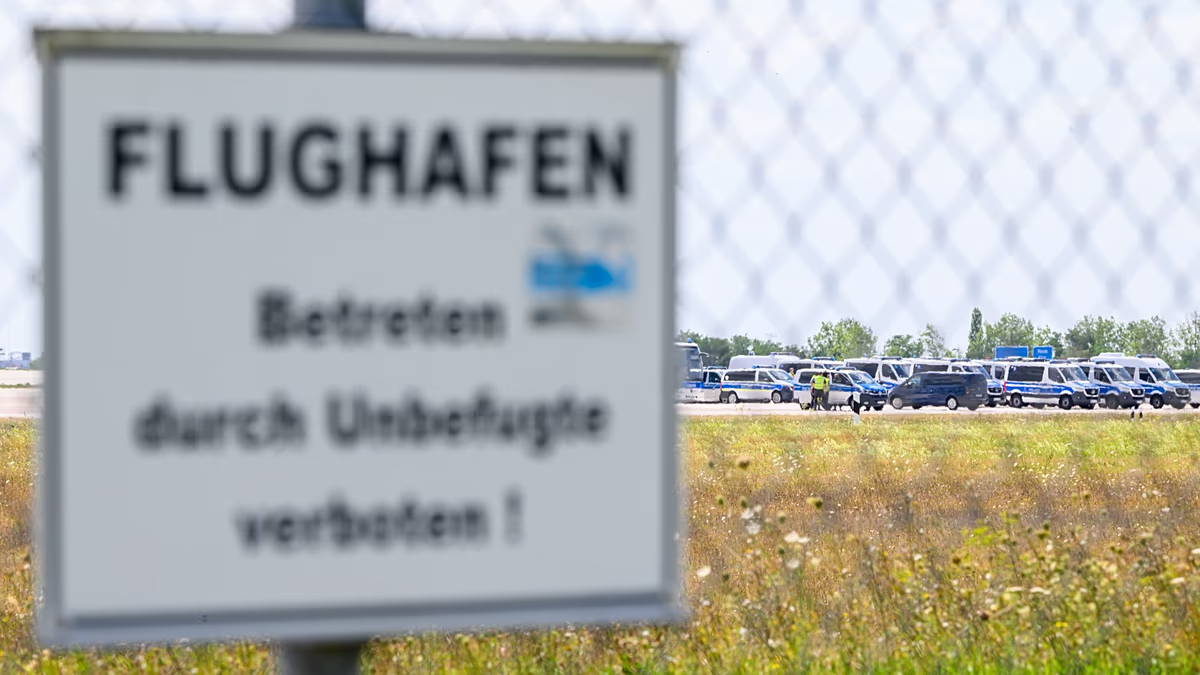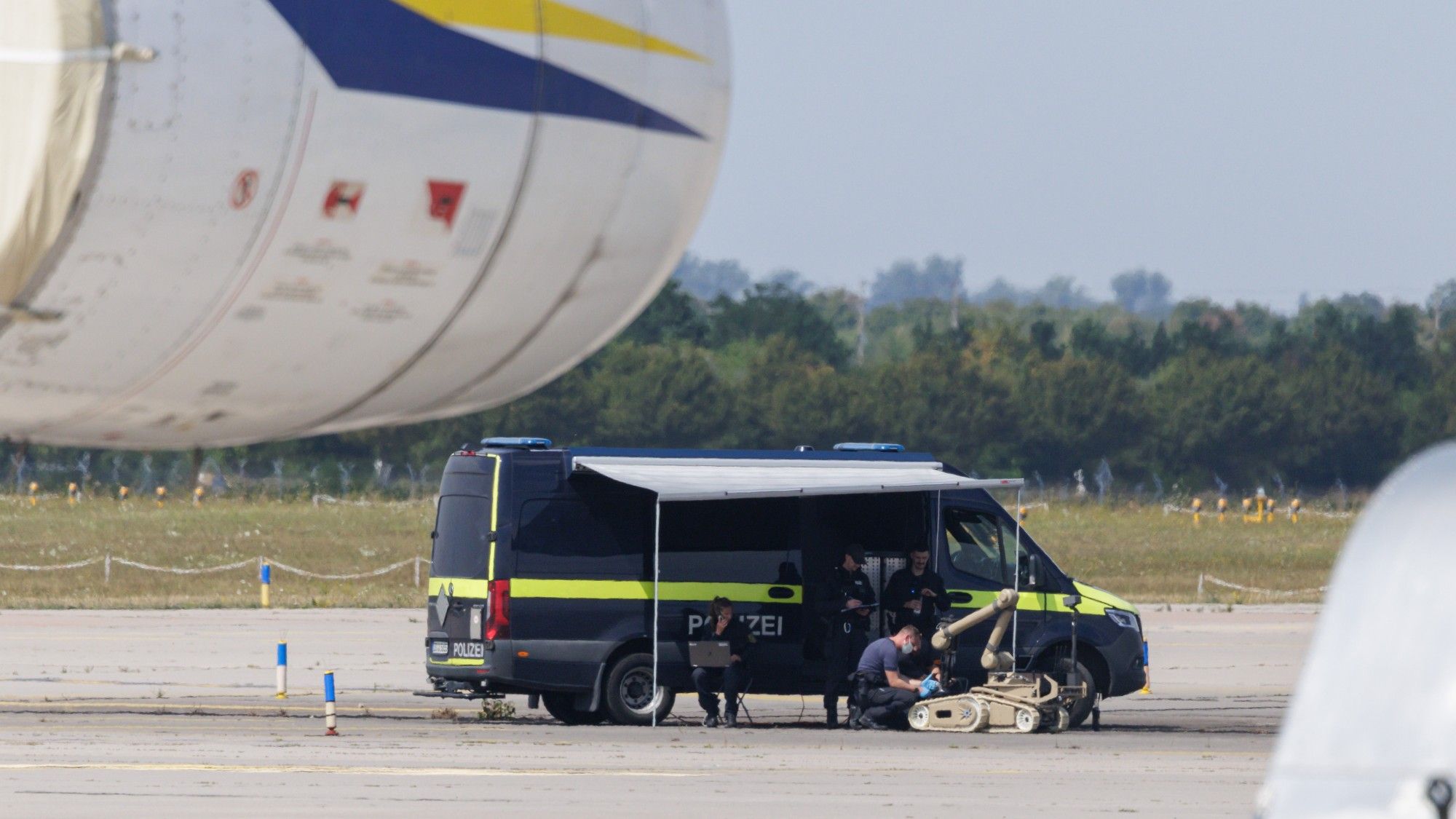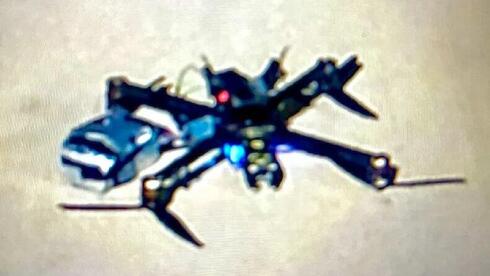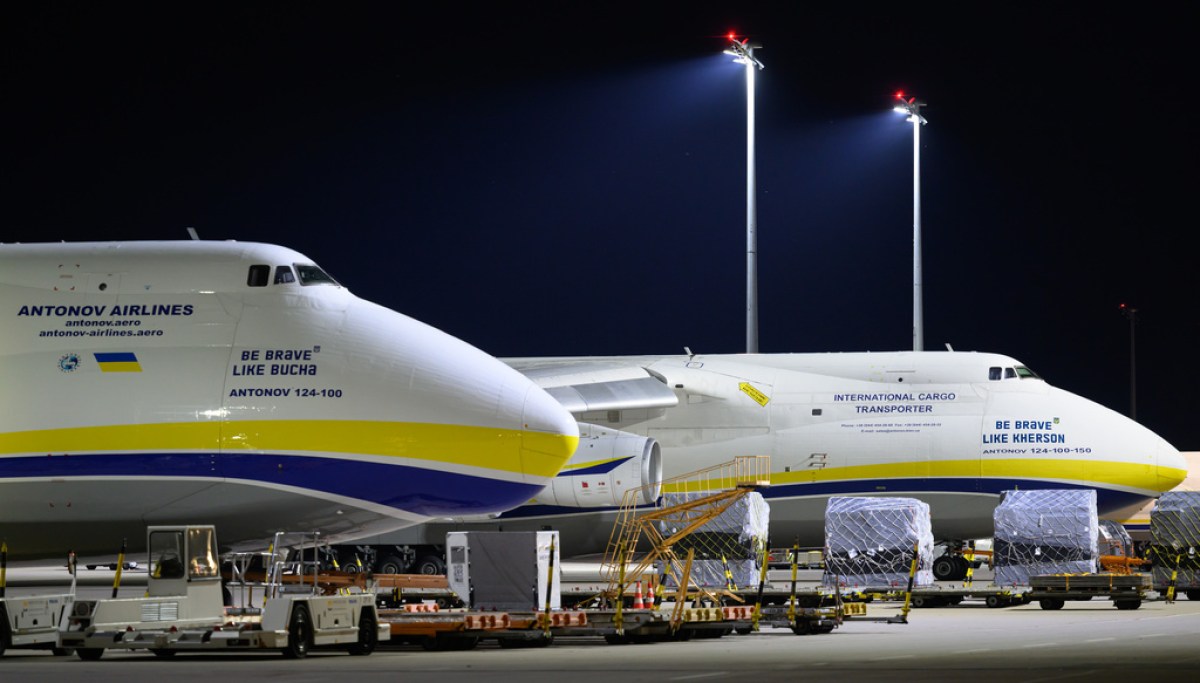
The explosive drone discovered at Halle Airport, Leipzig, on Aug. 4 did not detonate. Its fuse failed, but its political impact did not. Found in the security zone near a Ukrainian Antonov cargo aircraft, the device carried about 600 grams of explosives and could have caused a catastrophe. On Sept. 1, the German government formally blamed Russia, turning a failed attack into a potential turning point in German-Russian relations.
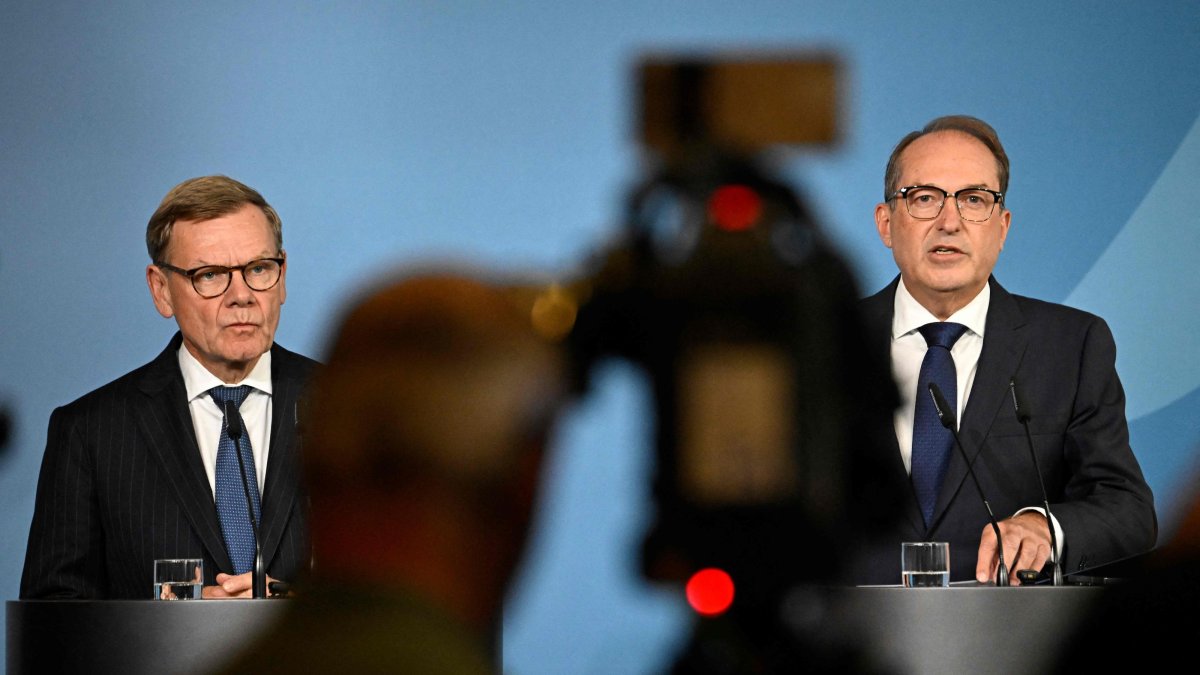
Interior Minister Alexander Dobrindt said German and allied intelligence pointed clearly to Russian involvement. Foreign Minister Johann Wadephul announced the closure of Russia’s Consulate General in Bonn, the termination of the agreement governing the Russian House in Berlin, tighter entry controls and greater pressure on Russia’s shadow fleet. Berlin will also seek additional European Union sanctions. The complete body of evidence has not been made public, but Germany has crossed an important threshold: It is no longer merely warning about Russian hybrid warfare; it is attributing an attempted attack on German soil directly to Moscow.
Moscow’s answer demonstrated how little diplomatic space remains. President Vladimir Putin accused Berlin of fabricating evidence and called the measures a serious mistake. Foreign Ministry spokesperson Maria Zakharova promised a reciprocal response. The Russian Embassy described Germany’s actions as an unprecedented escalation that would not remain without consequences. Former President Dmitry Medvedev went further, threatening direct strikes against German military production facilities and even other locations in Berlin. His rhetoric reinforced the very threat perception Moscow claims is being manufactured.