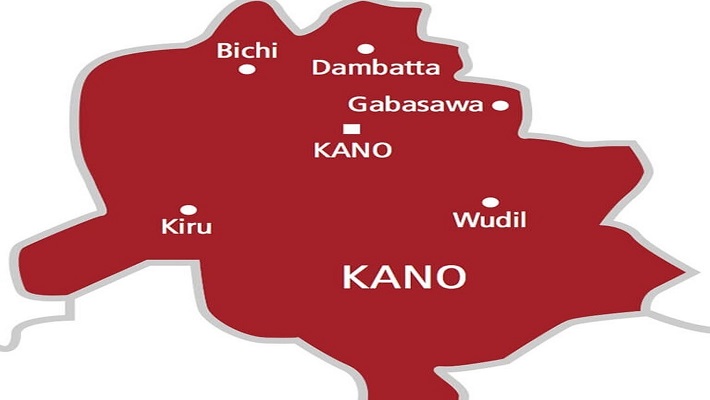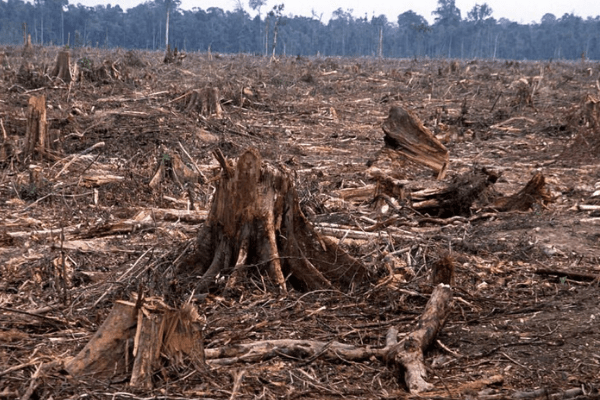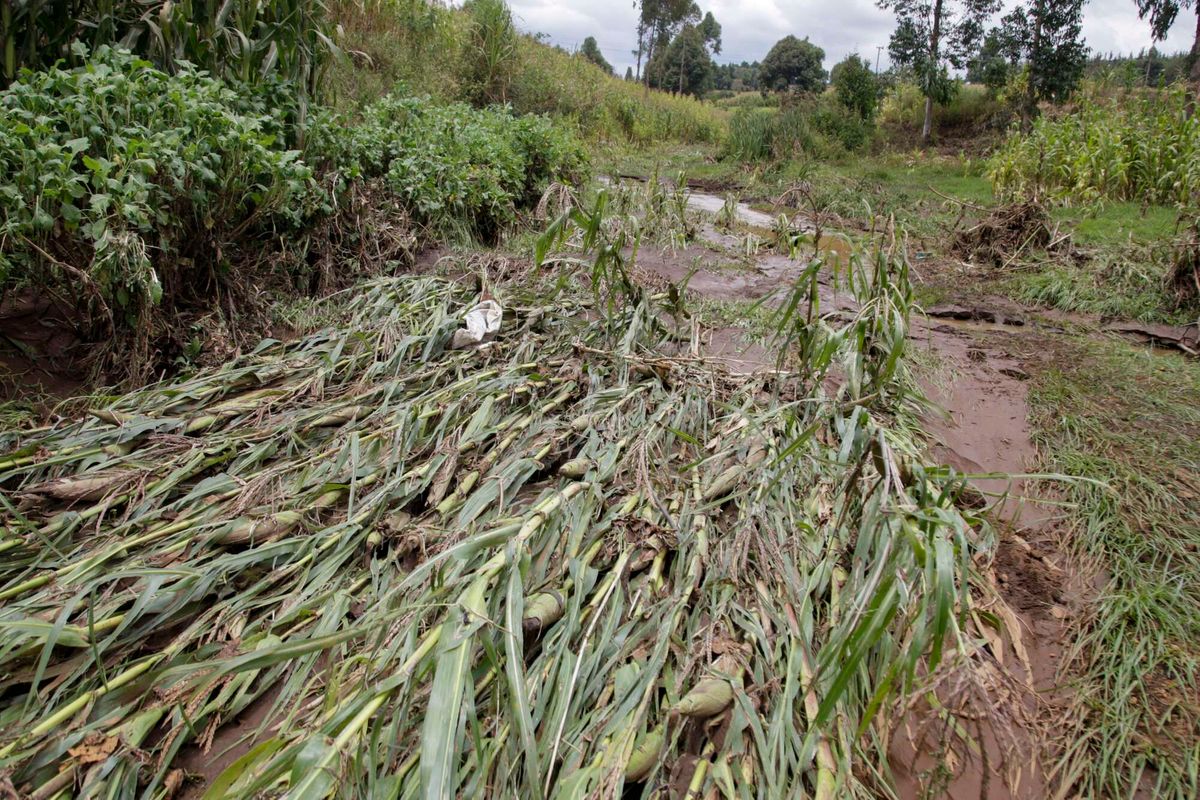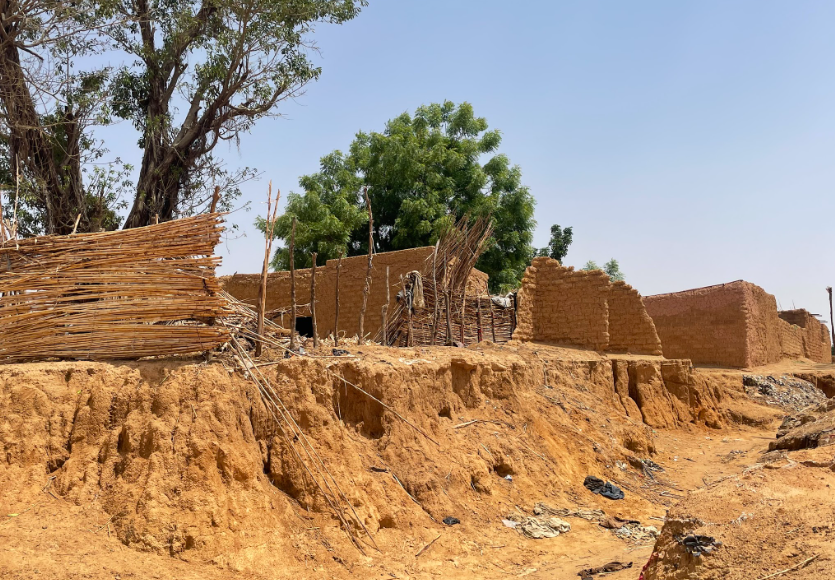
In Mesar Tudu, a rural farming community in Gezawa Local Government Area of Kano State, every rainfall is a warning.
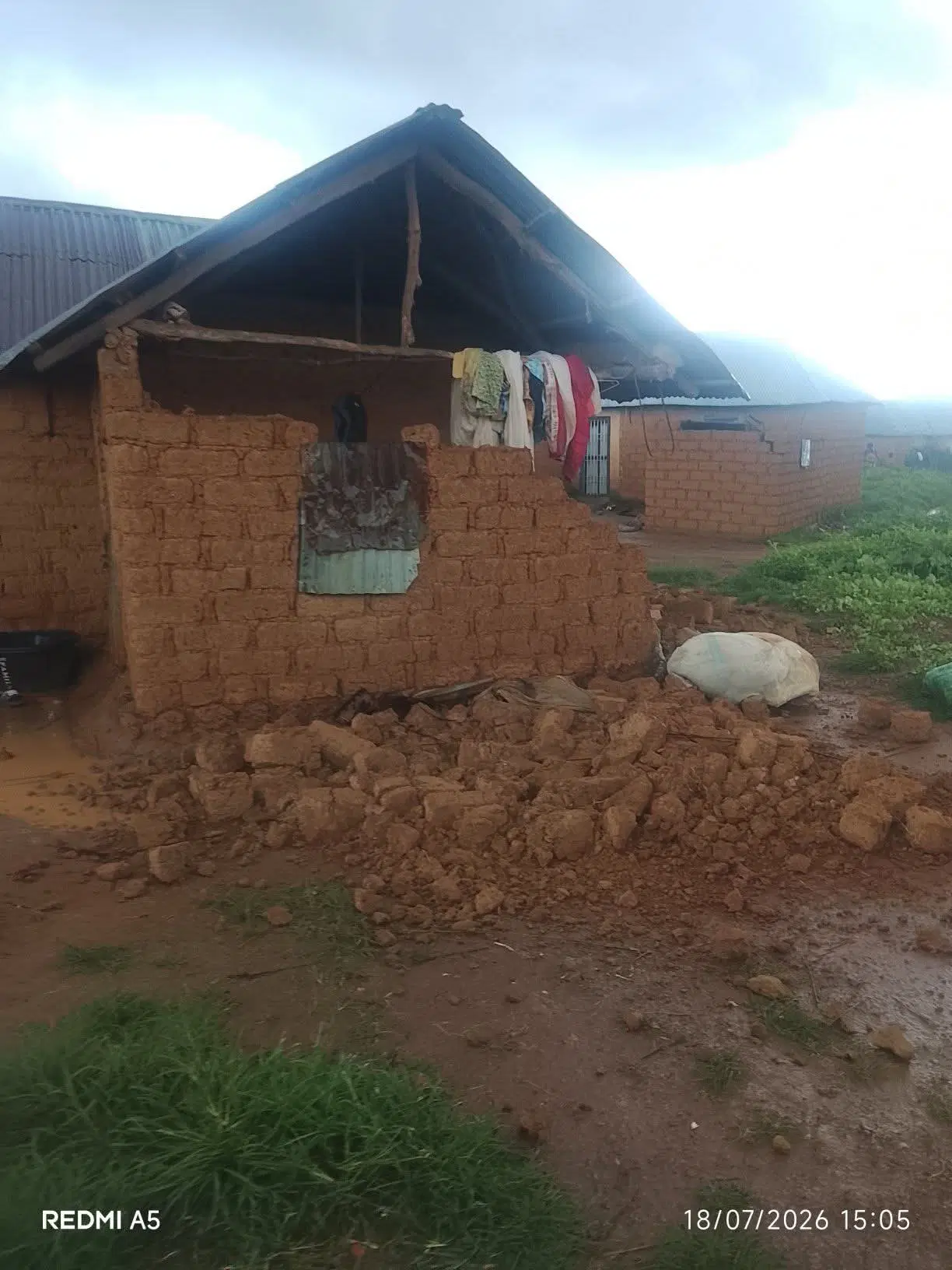
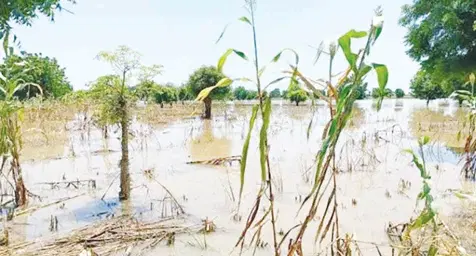
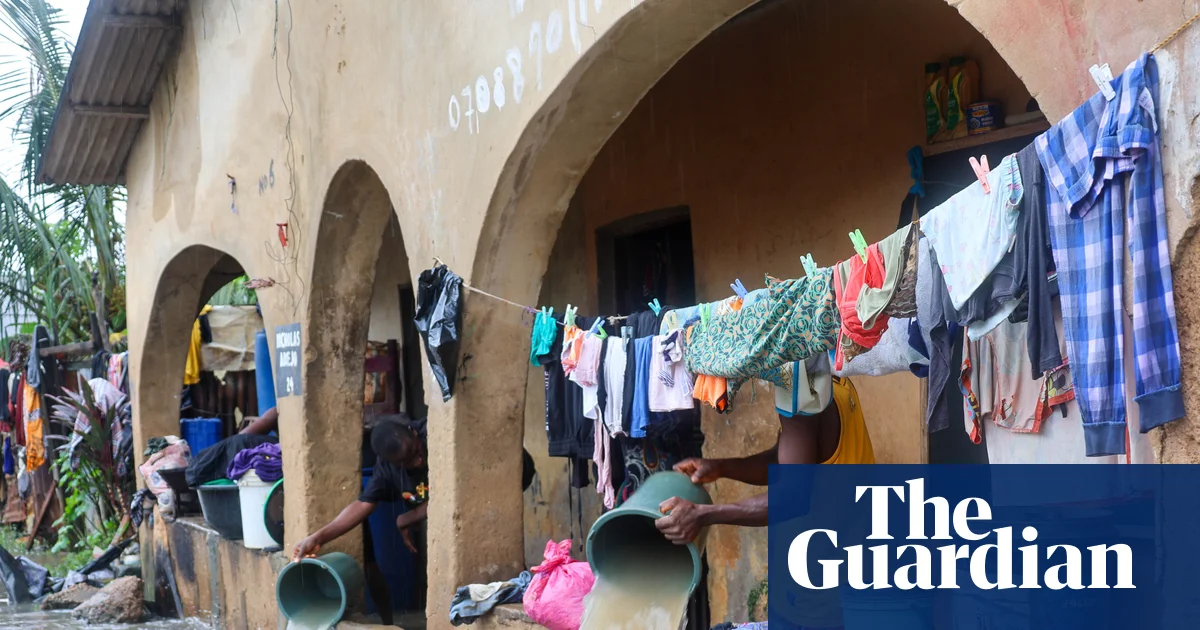
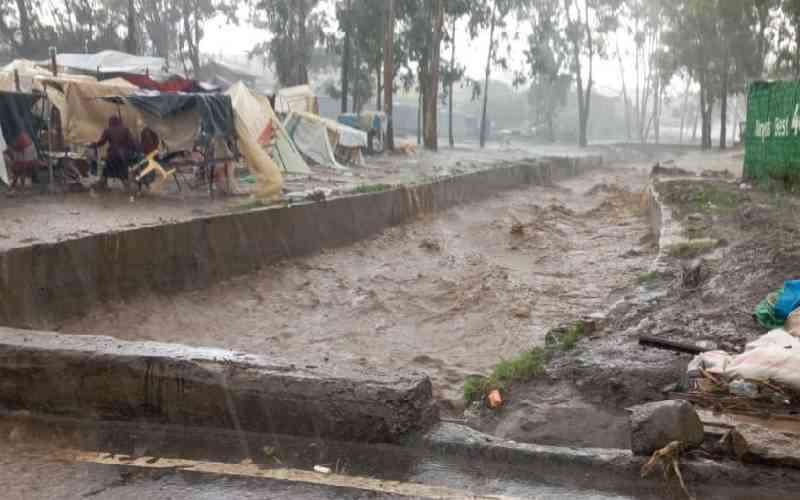
Each downpour sends water rushing from surrounding settlements into homes, carving deeper gullies, collapsing mud walls, and swallowing homes and farmlands that have sustained families for generations. What should be seasonal rain has become a recurring threat to lives, property, and livelihoods.
When the clouds gather, residents do not think of harvests or relief from the heat. They think of collapsing homes, disappearing farmlands, and whether the next downpour will finally take what is left of their community.
For Yusuf Abdulwahab, a 72-year-old resident with two wives and 15 children who has lived all his life in Mesar Tudu, erosion has already taken almost everything he depended on. A farm he had cultivated since he was 18 years old disappeared after years of relentless flooding and erosion.
Mesar Tudu, located about 40 kilometres from Kano metropolis, sits on low-lying terrain that receives runoff from upstream villages, including Bujawa and Kaurawa Yan’Hudu. When rain falls, water gathers, stagnates, and surges through the community’s sandy soil with increasing force.