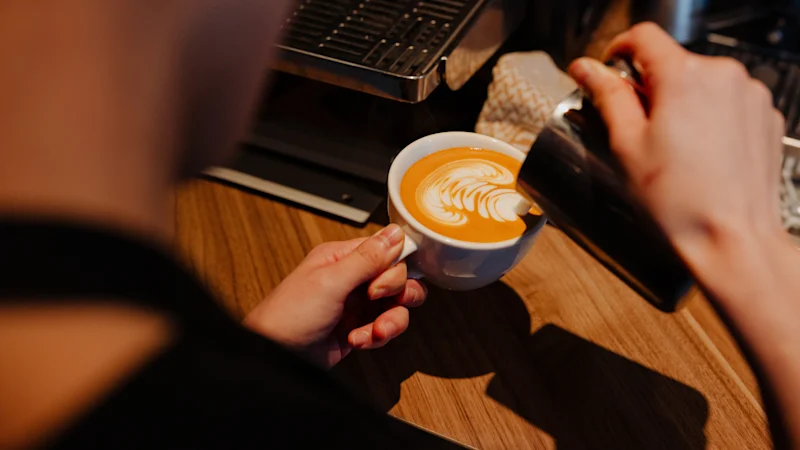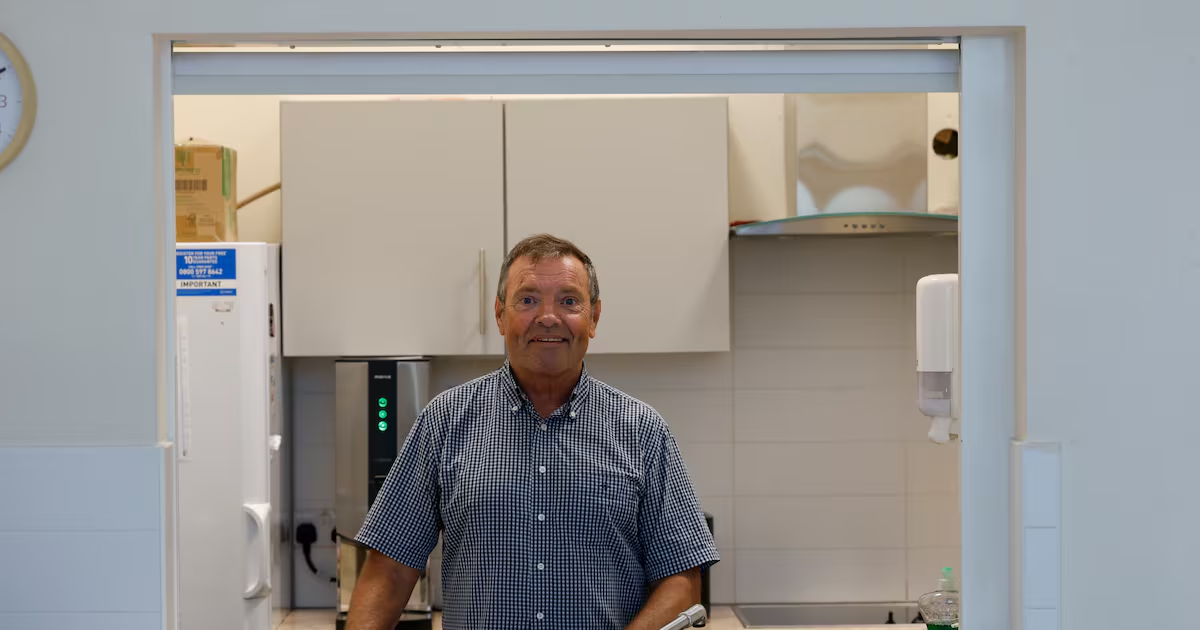
It’s just before 5pm on a Thursday evening, and Dominic Dowling is making hot drinks. The clinking of the metal spoon against the ceramic cup is the first thing you hear when you enter the room. “Can I get you tea or coffee?” he calls out to visitors. But Dowling isn’t a barista. He isn’t a clinician or a security guard. He is someone who has experienced significant mental health difficulties.Now, he works at one of the State’s six mental health crisis cafes in hopes of providing help to people when they need it most. “I think back to what I could have benefited from when I was at my worst. I would have loved a place like this,” he says.This is the reality of the out-of-hours Solace cafes – an expanding, community-based model designed as an alternative to traditional psychiatric emergency care.Hidden away in a Dublin 4 building that appears to be nothing more than an office, in the evenings and weekends – when outpatient mental health services are typically closed – it transforms into a haven for people in mental distress.Here, adults who are struggling can receive immediate, non-clinical intervention.There are flowers on tables, books on shelves in the background and plates filled with chocolate and treats. There are seats out in the back courtyard, which is filled with flowers for visitors who want to be outside during their time at the cafe.Left to right: Shane Burke, Kate Schnoebelen, Sarah Ouellette, Dominic Dowling and Ciara Glynn at Solace cafe, Avila House, Carysfort Ave, Blackrock, Co Dublin. Photograph: Nick Bradshaw/The Irish Times Dowling is a peer support worker who is very open about his own lived experience of mental health difficulties.“The home I would have come from would have been violent. An alcoholic father would have been involved. That would have been a very traumatic thing. When you live an experience like that, you don’t experience life skills; you just develop fear,” he says.Adding to this, a peer of his died after Dowling kicked a football and it hit the man in the face.“He was taken away in an ambulance, and I never talked about it to anybody. I didn’t understand what was happening to me in regards to the anxieties and the fears that brought on,” he says.“Through my childhood and going into teenage years, I had all of these feelings that weren’t nice; low self-esteem, fear, anxiety, stress, all of these things were bottling up, and nobody ever explained them to me.“When I became a certain age, I took alcohol and it got rid of a lot of those fears. And then I would have taken drugs, and that would have gotten rid of a lot of those fears. It’s basically like self-medication, but it’s the worst type because then you end up with other problems.”Dowling engaged with various services over the years, but is doing better now. He feels like he is able to use his own experience to help prevent others from having those same lows.“It’s like going for a coffee with a friend. There’s a beauty to that because a lot of people who have mental health issues, they tend to isolate themselves. In my experience, when you have somewhere to go for an hour or so, you can kind of hold on to that,” he says.The south Dublin Solace cafe began accepting appointments in May 2024, and is based on collaboration between Aware, St John of God Community Mental Health Services and the HSE.Since its opening, it has had 816 visits, with an average of 31 visits per month.Ciara Glynn, operations manager, says the cafe operates through bookings to ensure visitors get the help they need in one-hour slots.“If we’re advertised and promoted as a crisis cafe and people show up when they’re in crisis, and staff weren’t here to best support them, that really wouldn’t be good for the people, and it wouldn’t be good for the staff,” she says.Operations manager Ciara Glynn. Photograph: Nick Bradshaw/The Irish Times Kate Schnoebelen, Dominic Dowling, Ciara Glynn and Shane Burke. Photograph: Nick Bradshaw/The Irish Times “If they walk in and we have bookings available, we do try and see them. But if they’re overwhelmed and severely distressed, we have staff and volunteers on hand.”“We do a lot of preventive work. We have a lot of people who, if they hadn’t come in to have a chat with us over the weekend, they probably would have ended up in [the emergency department] or somewhere else.”Friday and Sunday are the days of greatest demand, with visitors travelling from a wide geographical spread – including from Carlow, Louth, Offaly, Meath and Kildare.“We also have people from Waterford and Cork who use the Solace cafes in those areas and visited us when they were in Dublin,” Glynn says.The service is open to adults in distress, but Glynn says particular demographics use the cafe more than others.“We see a lot of homelessness, and the different variations of what homelessness is. We also see a lot of people who are in international protection. There’s also a lot of people from different countries as well,” she says.“International students who are struggling with loneliness and also a rise of hatred and racism; we see a lot of that in the cafe. A lot of people feel more isolated than ever. And a lot of people are struggling with suicidality because of those things.”Just like almost everybody else who works at the cafe, Glynn also has lived experience of mental ill-health.Solace cafe at Avila House, Carysfort Ave, Blackrock, Co Dublin. Photograph: Nick Bradshaw/The Irish Times Solace cafe at Avila House, Carysfort Ave, Blackrock, Co Dublin. Photograph: Nick Bradshaw/The Irish Times “The focus of peer support is connection. Healing is in connection and relationships. When you open up about your own story, that leaves space for connection,” she says.There are currently six of these cafes open, located in Cork city, south Dublin, Sligo, Galway, Limerick and Waterford.Additional funding was provided in Budget 2026 for three new crisis resolution services, including the drop-in cafes, to support people in distress in Donegal, Kerry and the Midlands, in Tullamore/Westmeath. There are plans in place for future service developments, particularly in areas that currently have no access, such as Co Cavan and Co Monaghan.The cafes are typically part of crisis resolution teams, which are viewed as an important part of the reform of mental health services amid concerns that some people are falling through the cracks of the current system.A report from the Mental Health Commission last year found that an estimated 51,000 people annually access mental health services through the emergency department.However, the report said this results in children with “acute mental health” crises, including psychosis and suicidality, being left for up to a week in the ED, unable to access suitable care, while others leave the hospital without appropriate care plans only to return weeks later in a “revolving door” system.Minister of State with responsibility for Mental Health, Mary Butler, said early data from Cork and Galway found that the presence of these services resulted in an 18 per cent reduction in emergency department presentations.The service also helps workers and volunteers, too, according to peer support worker Kate Schnoebelen.Kate Schnoebelen. Photograph: Nick Bradshaw/The Irish Times “That’s what I always think about: having something that’s opened in the evening and being able to talk to someone who’s had a similar experience to you. I thought that was somewhere I could make a real impact,” she says.“It’s so intimidating trying to take that first step and open up to someone. We really try to make it as comfortable as possible. It’s so welcoming to just chat over a cup of tea.”If you have been affected by this article, please contact The Samaritans at 116123 or email jo@samaritans.ie
‘It’s like going for a coffee with a friend’: Finding mental health solace in a cafe
Solace cafes aim to provide an alternative to traditional psychiatric emergency care
1,298 words~6 min read