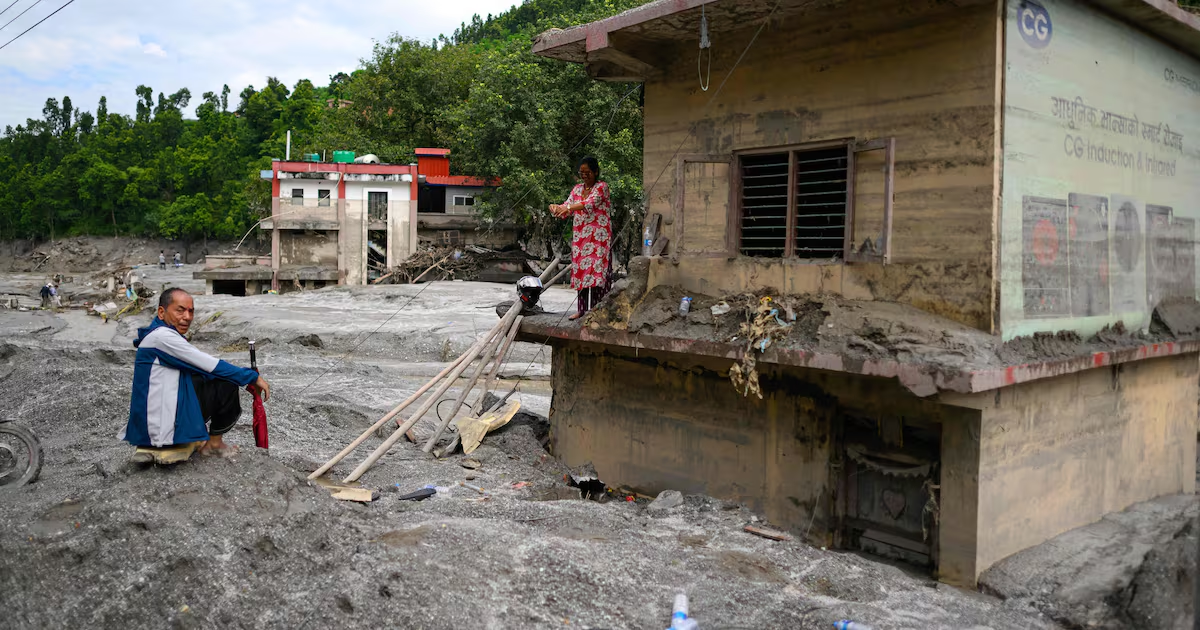
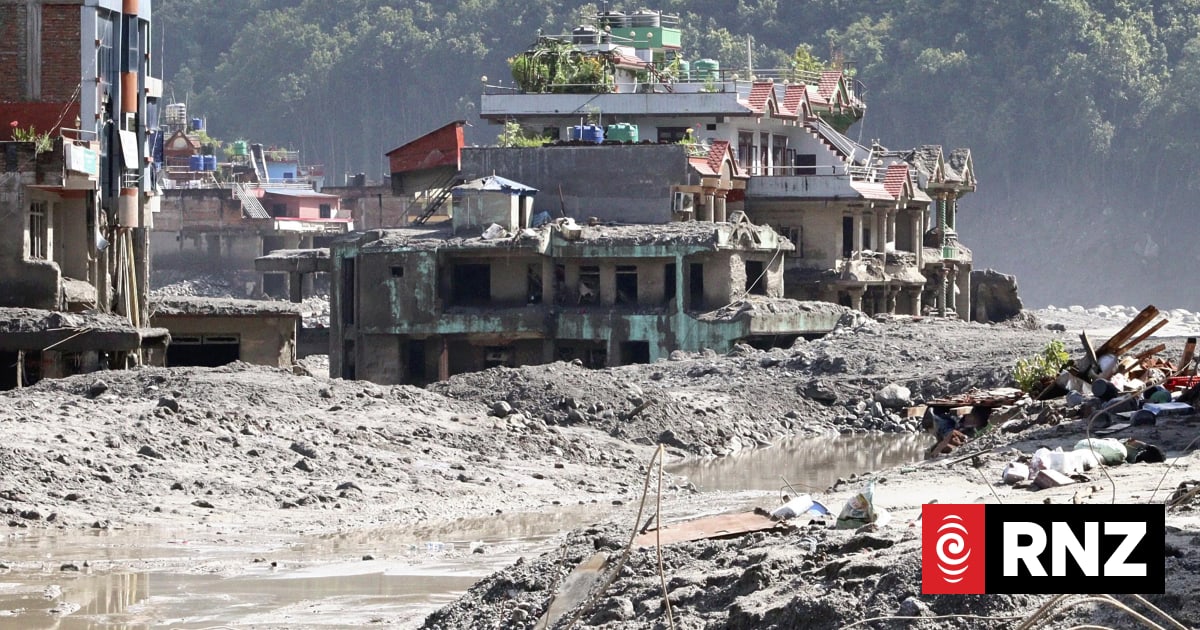
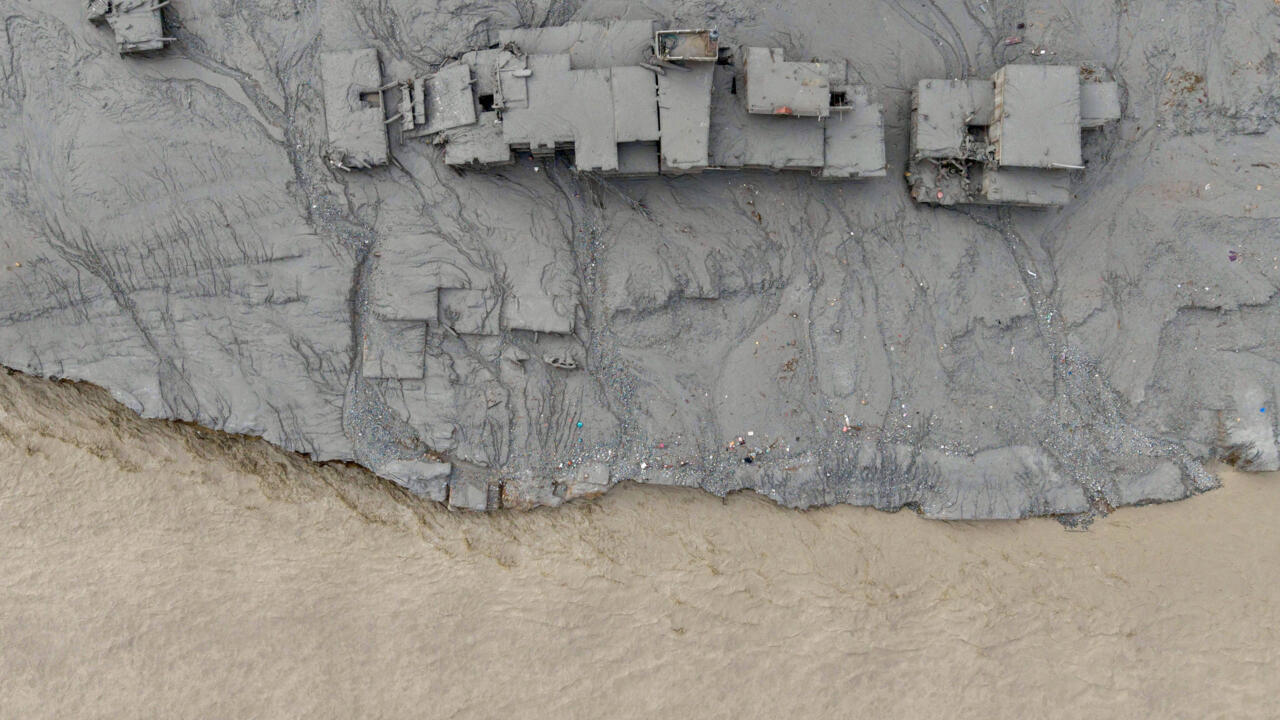
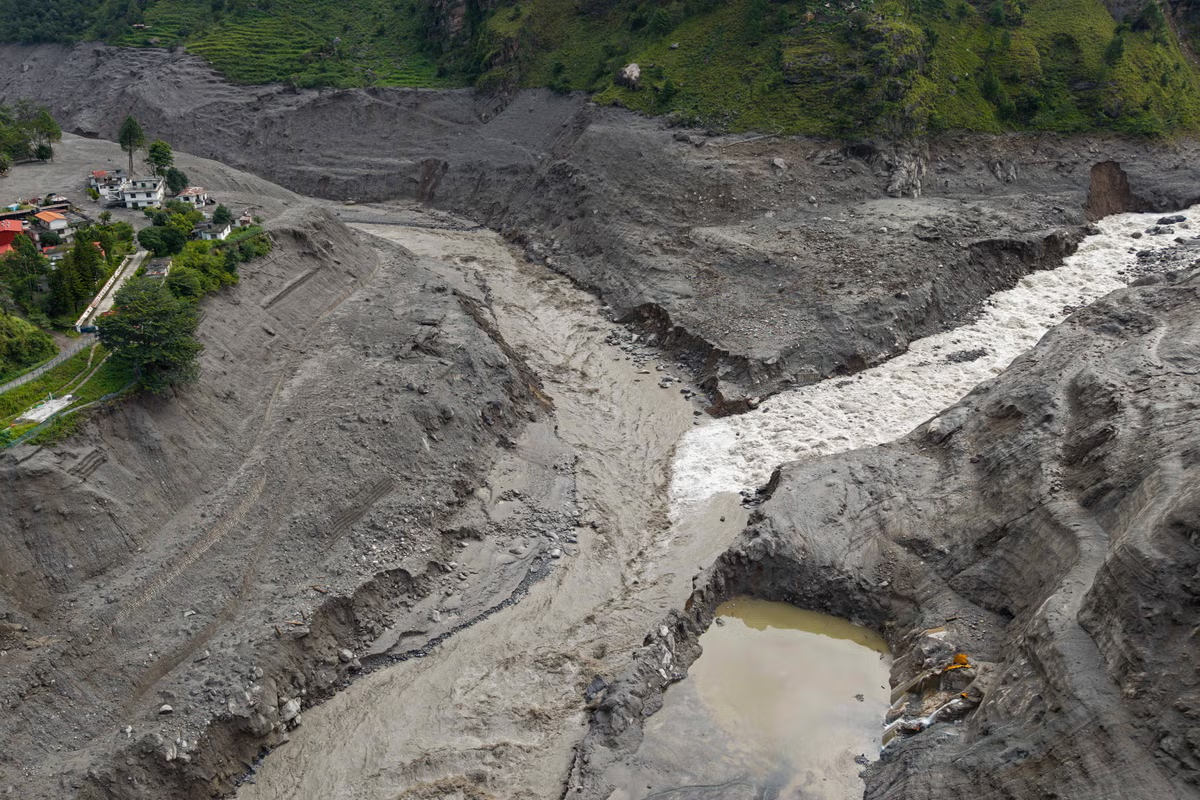
Feel strongly about these letters, or any other aspects of the news? Share your views by emailing us your Letter to the Editor at [email protected] or filling in this Google form. Submissions should not exceed 400 words.Every monsoon season, the Himalayan regions of Tibet and Nepal face the threat of recurring, destructive debris flows. These mud-and-rock avalanches are not purely random natural disasters. They stem from inherently fragile mountain geology, extreme terrain and increasingly unstable climatic conditions – risks steadily aggravated by human-induced environmental degradation and global warming.The fundamental geological vulnerability comes from long-term tectonic movement. As the Indian plate continuously pushes northward into the Eurasian plate, the Himalayan bedrock remains permanently fractured and loose.The 2015 Nepal earthquake significantly worsened this fragility. Post-event satellite mapping recorded over 24,000 landslides across central and western Nepal. Importantly, most fractured hillsides did not collapse immediately. Seismic weakness lingers for years, turning routine monsoon rain into repeated debris-flow triggers. Steep valley topography amplifies the danger.Climate change has now become the most concerning accelerating factor. Intense monsoon downpours saturate already fractured slopes, while rising temperatures speed up Himalayan glacier retreat. This creates hundreds of unstable glacial lakes held together by weak natural embankments. Events such as the 2021 Sindhupalchowk flood and the 2025 Gyirong debris flow demonstrate how climate change is turning rare disasters into recurring threats.Engineering measures certainly help reduce harm. Controlled glacial lake drainage, slope stabilisation works, early-warning systems and careful land-use planning can shield communities from immediate danger. Yet infrastructure can only mitigate damage; it cannot fix the root environmental and climatic drivers.
Letters | China-Nepal floods: engineering fixes are only a band-aid
Readers discuss the best long-term defence against Himalayan disasters, the Iran war, and the Ukraine war.
262 words~1 min read