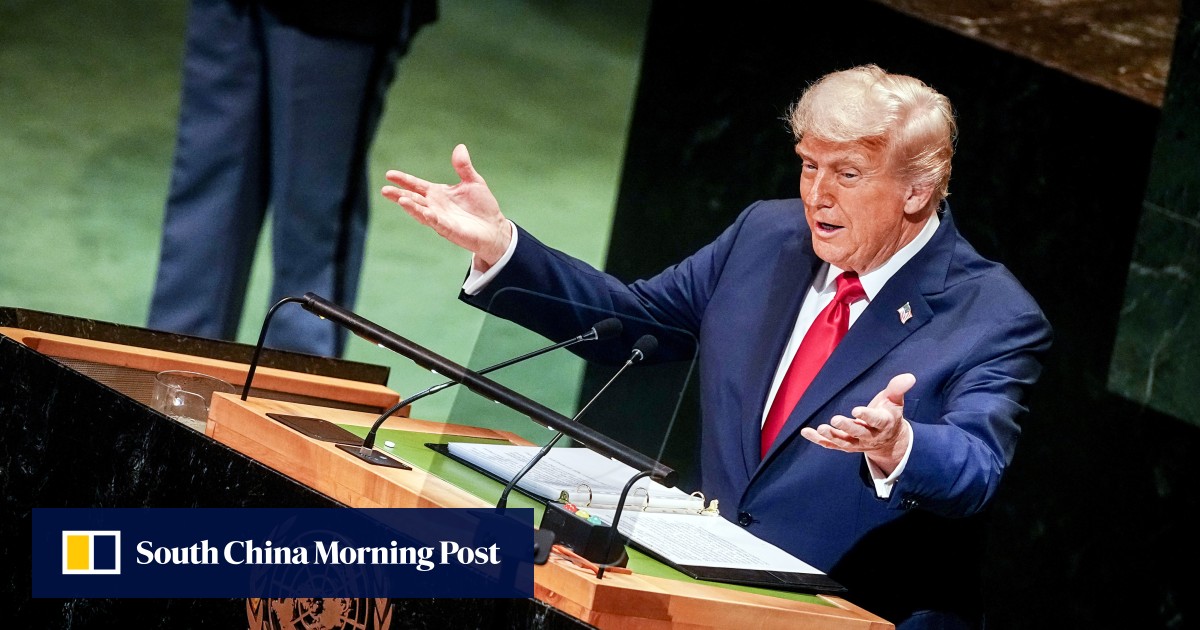
Feel strongly about these letters, or any other aspects of the news? Share your views by emailing us your Letter to the Editor at [email protected] or filling in this Google form. Submissions should not exceed 400 wordsAs somewhat expected, the general debate of the 80th session of the United Nations General Assembly has felt less like a celebration of humanitarian cooperation and more like a reckoning. US President Donald Trump’s presence served as a sobering reminder of the UN’s struggle to maintain relevance in an age of fragmented multilateralism. Trump’s speech was marked by sharp rebukes of allies, sweeping condemnations of immigration policies and a reaffirmation of his “America first” doctrine.Statements such as “Your countries are going to hell” weren’t just provocative; they underscored a growing disconnect between the United States and the rest of the world. But Trump wasn’t the only voice revealing the UN’s fragility.Leaders from Jordan and Turkey condemned the ongoing war in Gaza, with King Abdullah II labelling it “one of the darkest moments” in the UN’s history. The recent recognition of Palestinian statehood by American allies including Britain and France, opposed by the US and Israel, further exposes the UN’s inability to forge consensus.The takeaway is clear: the UN is facing a crisis of credibility. When its most powerful members openly defy its principles and its resolutions are routinely ignored, the institution risks becoming performative rather than transformative.Immediate financial instability compounds the problem. Major contributors like China and the US have developed a habit of delaying annual payments. Combined with US budget cuts and a projected 9 to 17 per cent drop in net assistance from Organisation for Economic Cooperation and Development countries this year, the organisation faces a serious funding shortfall.
Letters | UN must confront its paralysis or risk becoming a stage for posturing
Readers discuss the United Nations’ crisis of credibility, a fireworks stunt in the Himalayas, and the US-Russia-China nuclear impasse.
288 words~1 min read