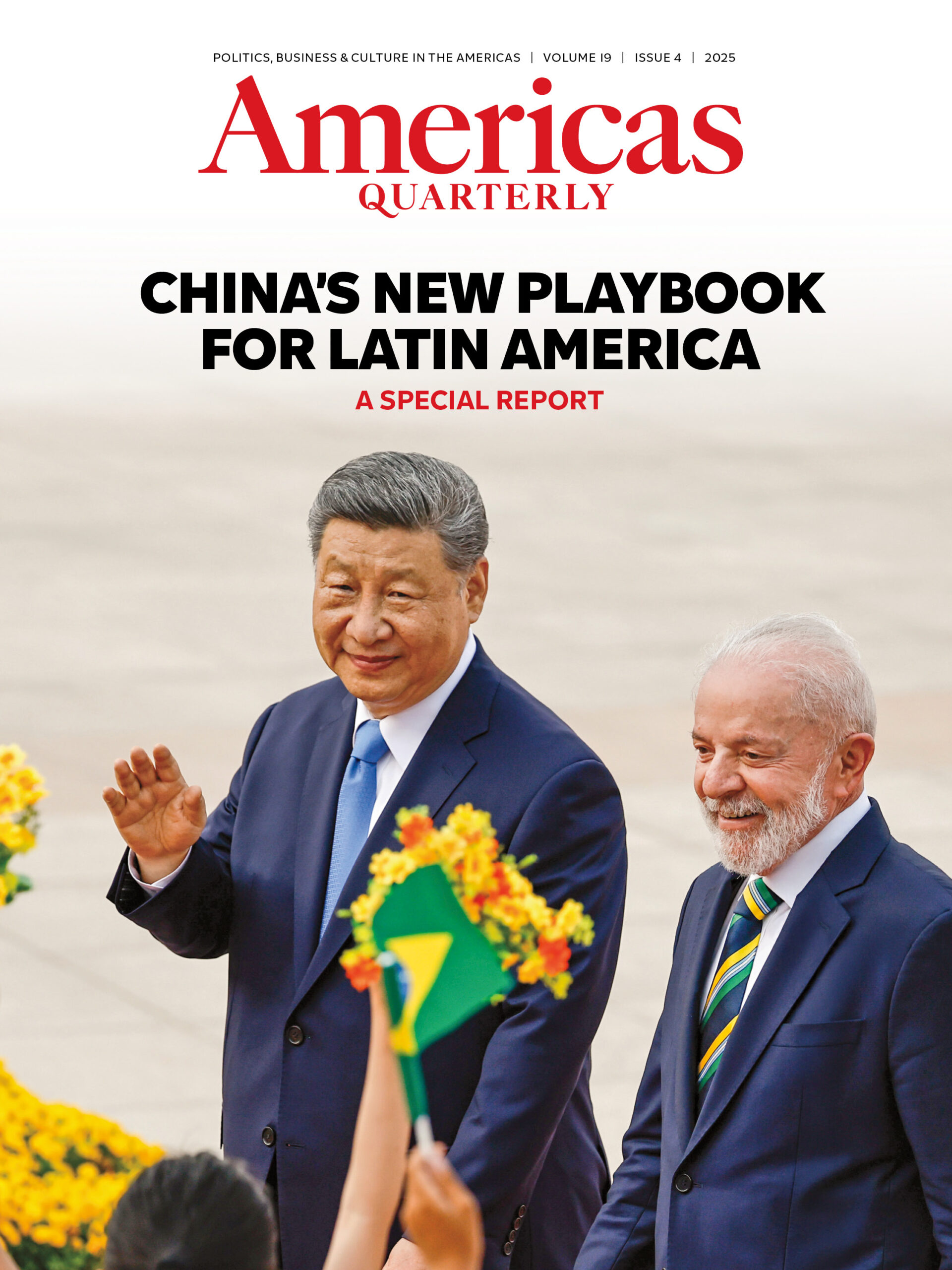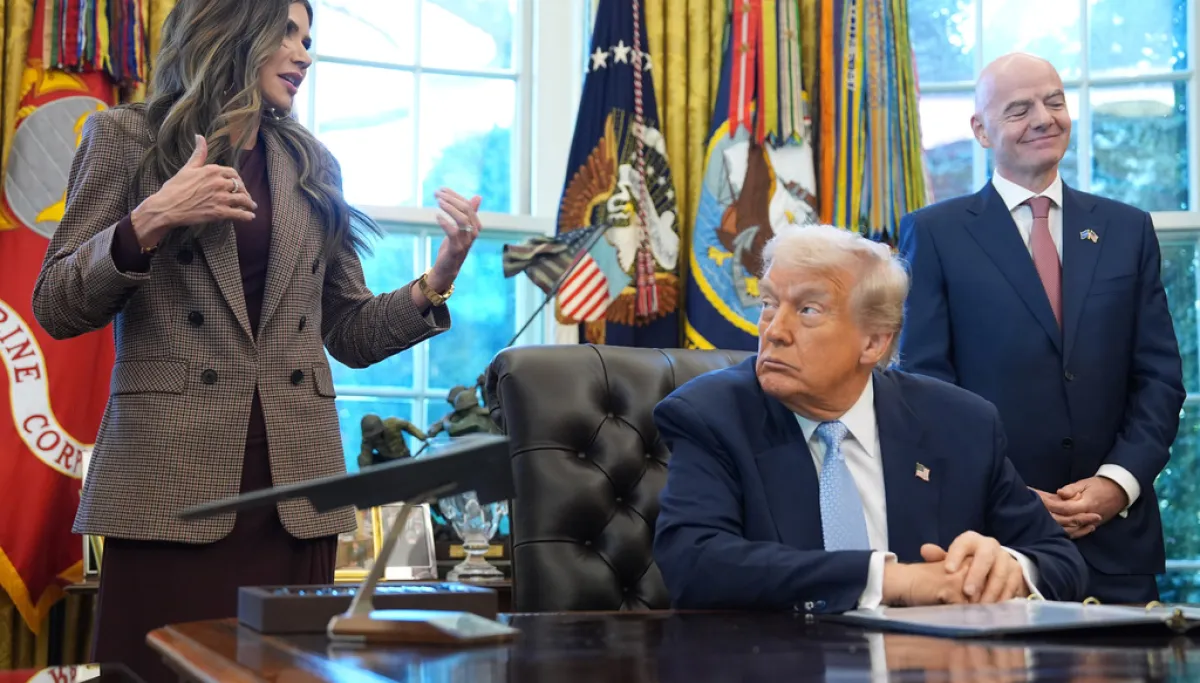
The recent results of Latin America’s electoral super-cycle (2025–2026) suggest that China has become an increasingly important feature of regional politics. While Beijing’s overall popularity in the region is at an all-time high, Latin Americans are voting in candidates who position themselves as U.S.-aligned and, at times, China skeptics.
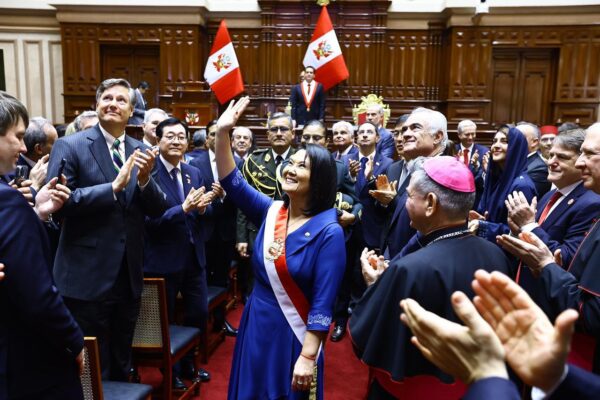
The ideological pendulum seems to be swinging to the right, and with it, the region’s place in the broader China-U.S. geostrategic competition is shifting. Even Peru and Colombia, where China policy did not initially appear likely to become a decisive electoral fault line, have elected candidates who are expected to distance their governments from Beijing, at least rhetorically, and move closer to Washington. But in both countries, deep economic ties with China will continue to constrain any significant strategic realignment.
Once in office, then, many of these governments fail to live up to Washington’s expectations. Rather than distancing themselves from Beijing or limiting Chinese investment, they more often adopt a more pragmatic approach in their relations with China while shifting their diplomatic rhetoric closer to the United States.
Honduran President Nasry Asfura campaigned on re-establishing diplomatic relations with Taiwan and severing ties with Beijing. Nearly a year into his presidency, however, no such shift has occurred.