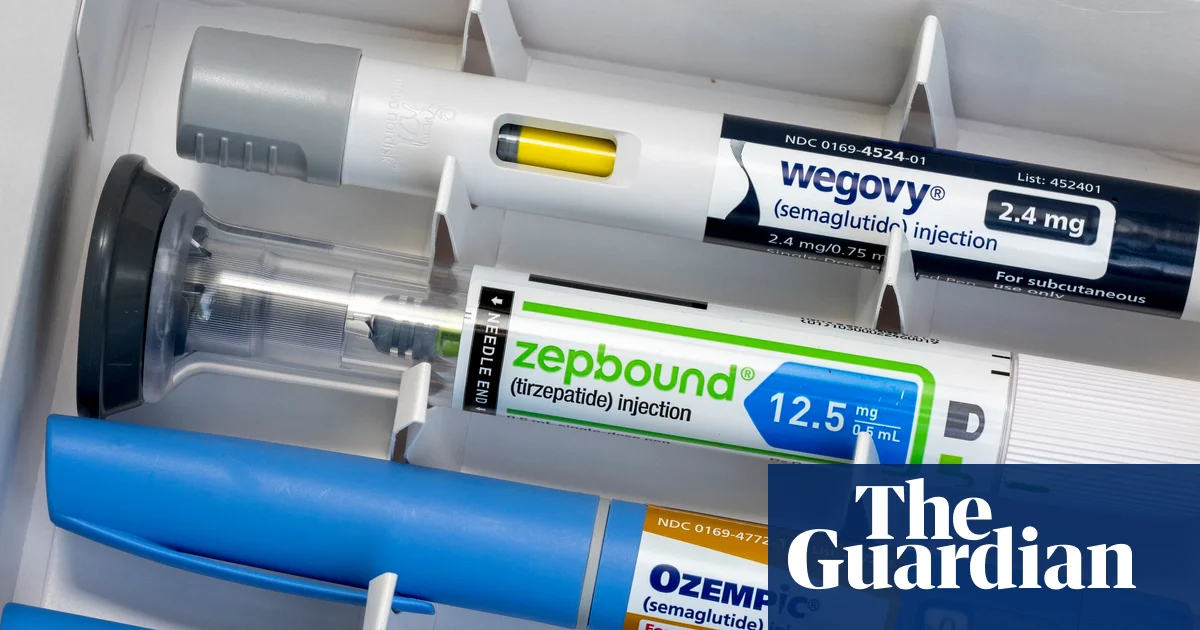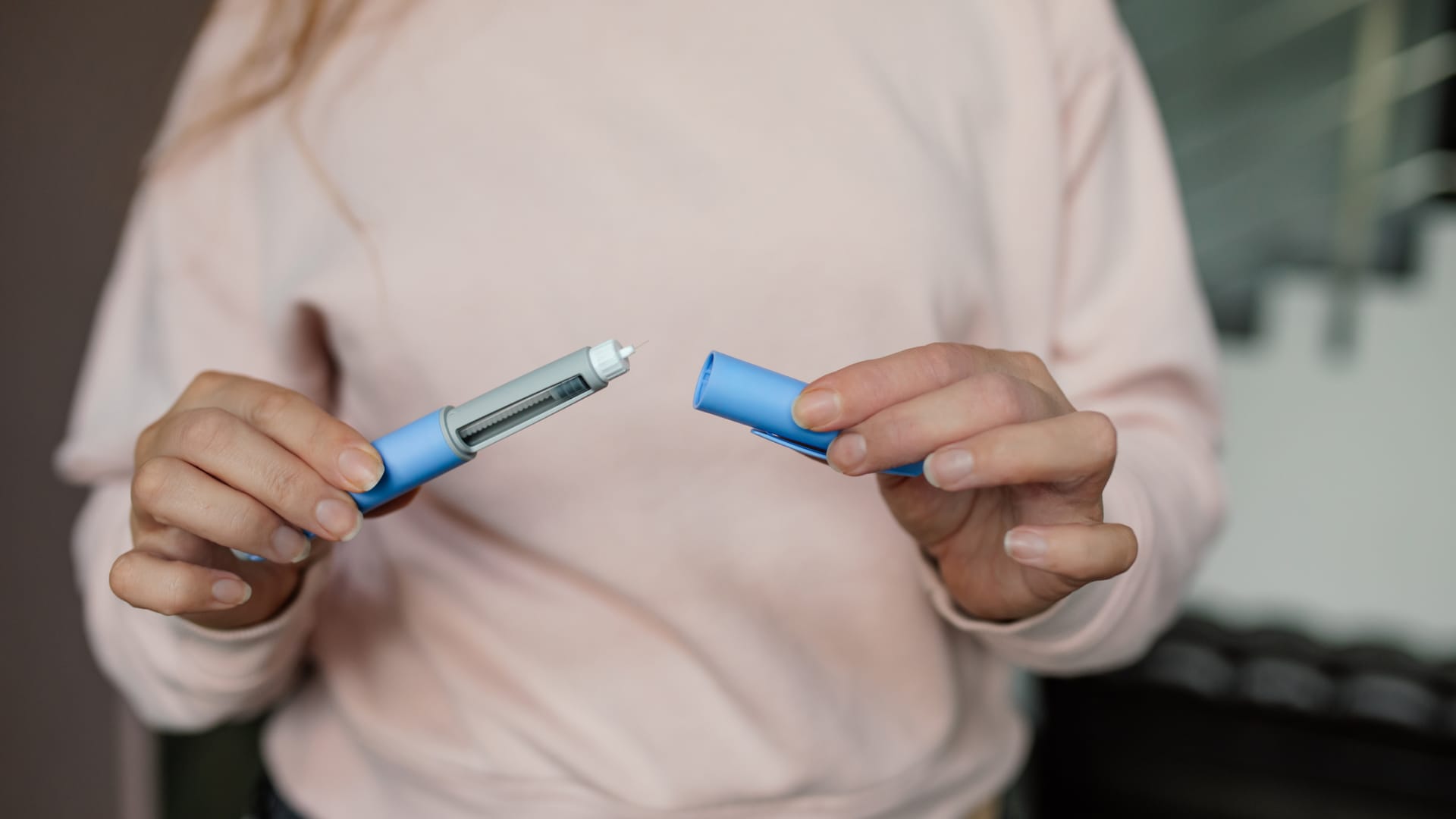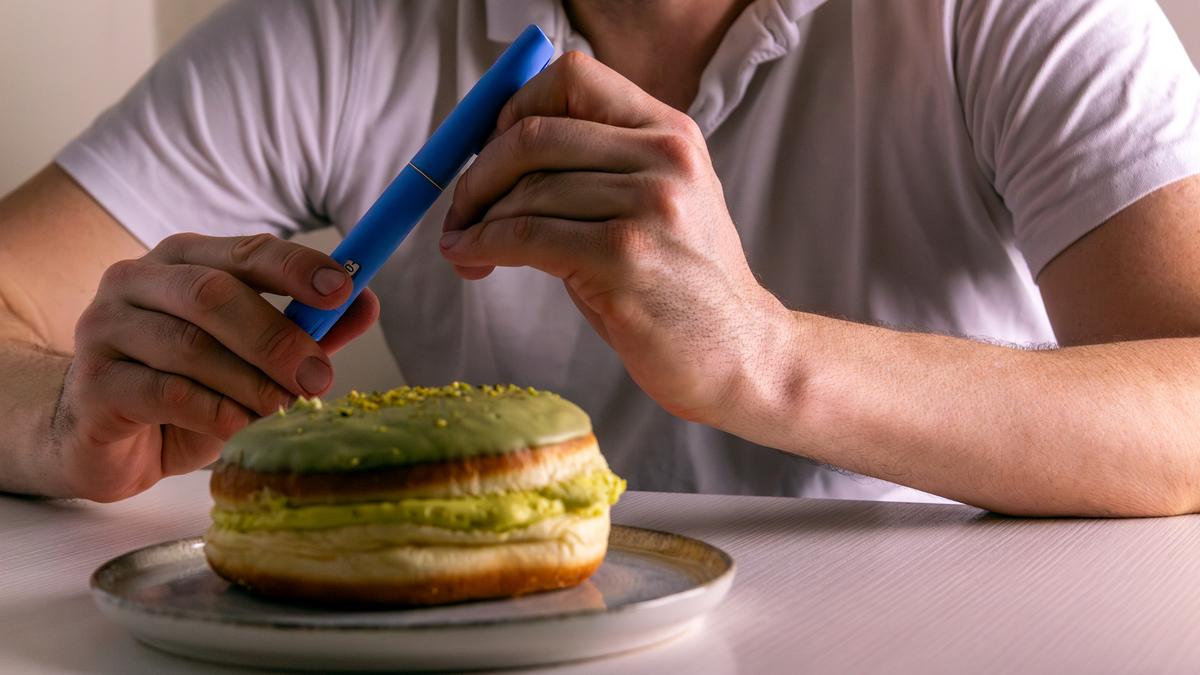
Last month, I injected myself with a GLP-1 drug and became my own lab rat for three weeks.As a fitness coach with my weight well under control, I didn’t need this. And yet, I took it. Why?I work with people to treat their metabolic disease — obesity, diabetes, fatty liver, PMOS, metabolic syndrome. GLP-1 medicines, including semaglutide (the drug in Ozempic) and tirzepatide (the drug in Mounjaro), are among the tools we use. My job is to guide users to a healthy lifestyle (the right kind of activity, better food, improved sleep), while my medical team monitors their health markers. Our goal is to get them off the drug, with their health intact.For the last 15 years, I’ve coached thousands of people on their strength and health. The single biggest pattern, which shows in their urgency and commitment to the cause, is the trigger moment. A doctor check-up, a wedding, or even a small event like finding themselves unable to bend down and tie their shoelaces helps them prioritise their health and wellness. As they get stronger and start building good lifestyle habits, good things happen.But for a large percentage, the struggle with weight is real. And it never really ends. While people who lose weight see improvement in their quality of life across the board, maintaining that weight is an uphill struggle, especially when the reality and demands of life hit. As work mounts and stress amplifies, many of these habits crack, especially given the tremendous strain on our time and mental health and the way the environment is structured around us. You may have the best intentions, but you may still end up skimping on sleep or reaching for junk food.Which is where GLP-1 drugs come in: this new tool in a weight loss toolbox, which I recently tried firsthand – something I always do, even when it comes to designing training plans. I always test-drive anything I recommend for my clients to coach well; I don’t know any other way.How it wentI’ll start with a caveat: do not do this yourself. While I had no prescription and did not medically need the drug, I did this systematically. I tracked my vitals daily and weekly and reported my subjective and objective experience nearly every day to my doctor and my dietitian.The drug I opted for was Mounjaro, the most advanced GLP-1 drug on the market today, opting for a starter dose of around 2.5 mg/ week, after consulting with my doctor. Honestly, I did not expect much, since my baseline lifestyle is good. I eat well 85% of the time; I’m active five or six days a week; my sleep hygiene is decent (even if my sleep, lately, hasn't been). But the experience surprised me more than I expected.Food noise — the constant background hum of thinking about food — simply disappeared. I wanted simple, sattvic food, finding anything greasy immediately unappetising. Over-eating was not possible, whether it was my favourite dessert or the potato chips with my rice. The ease with which I could move through a world of hyper-palatable food, whether I was eating out, ordering in, or eating home-cooked meals, was mind-blowing.That is the beauty of these drugs: they allow for mindful eating, making that admittedly woo-woo term accessible to all. I wasn't constantly thinking about food or tempted by the package of cupcakes being passed around at work, and I made sensible, adult decisions about food quite naturally, indulging in my favourite snacks without overeating.In fact, I naturally wanted to eat more nutritious meals because they make me feel good. And I paid attention to my body and how it responded. Also, because I simply could not overeat, my energy levels started to improve, making it a truly liberating time.Add a doctor, diet and activity
‘I’m a fitness coach. I tried a GLP-1 drug for three weeks’
After 15 years of helping people manage their health and fitness, coach Arvind Ashok decided to try a GLP-1 drug for three weeks. It changed the way he understood one of the biggest challenges many of his clients face: food noise — and what it really takes to keep the weight off
1,602 words~7 min read