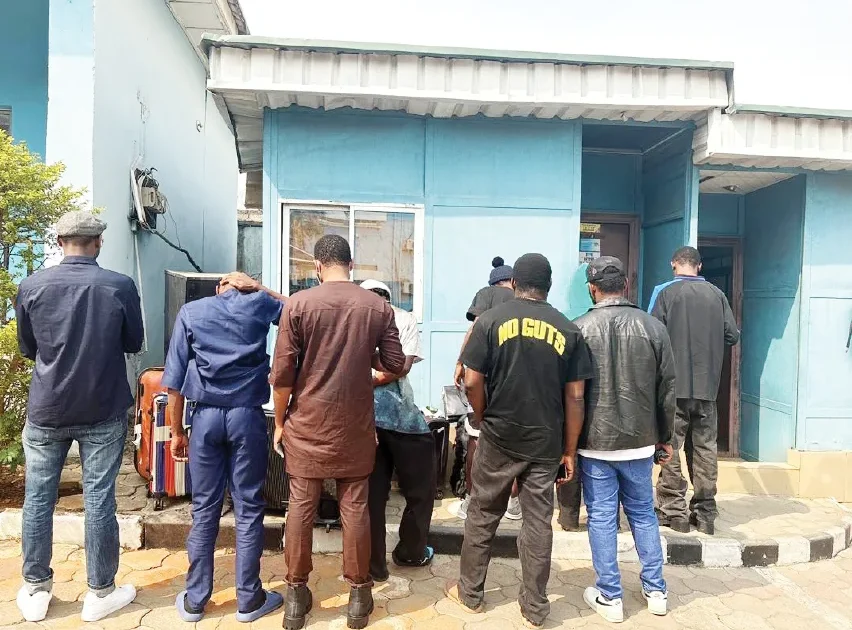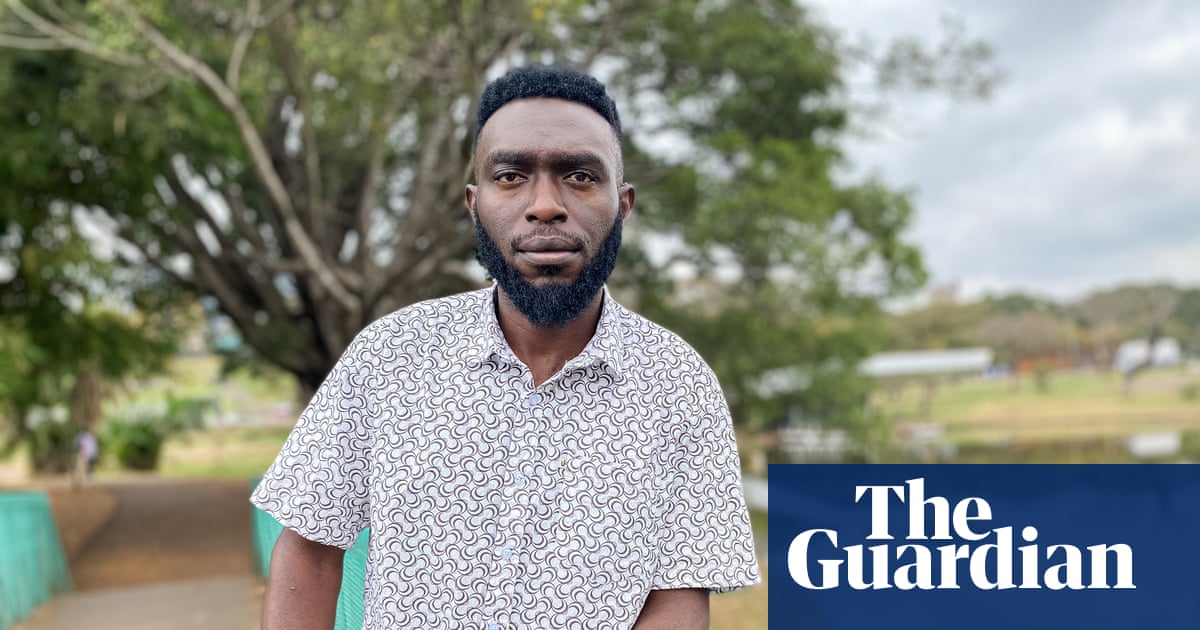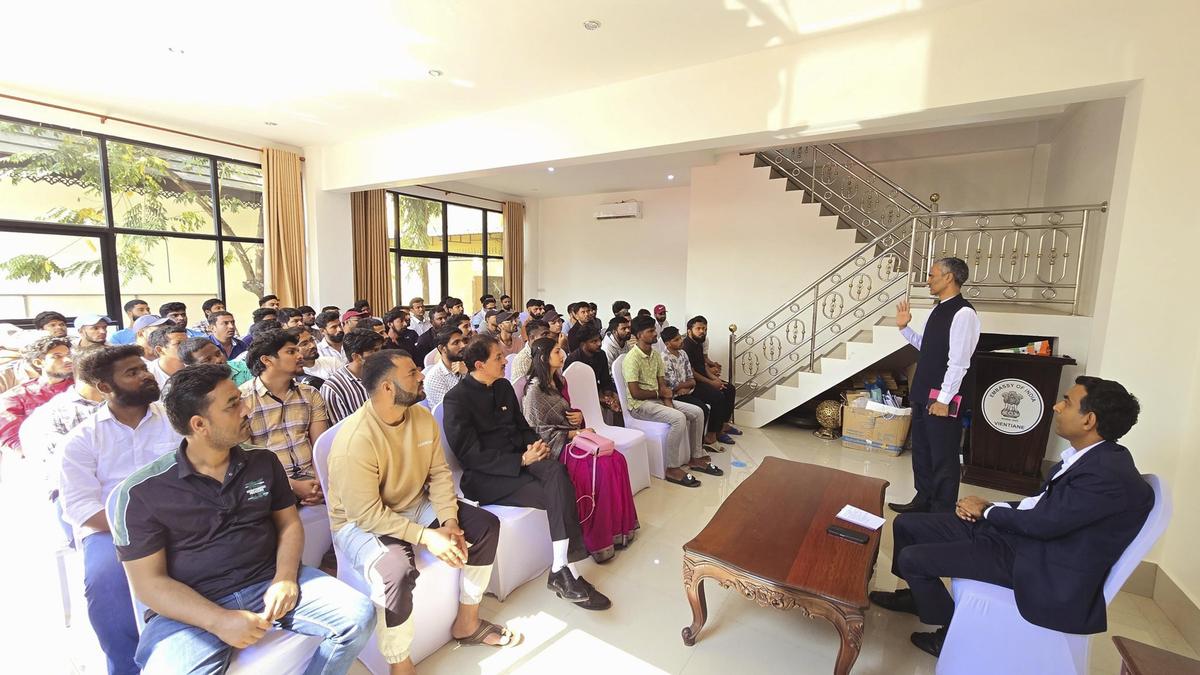
They went to Asia looking for jobs. Some ended up running online scams. Others were beaten, electrocuted, locked in cages or forced to meet financial targets for criminal networks. In this concluding part of the investigation, STEPHEN ANGBULU follows the Nigerian victims beyond the recruitment stage, documenting their accounts of life inside the compounds and examining the response of Nigerian authorities and anti-trafficking organisations to a rapidly evolving form of human trafficking
The promises were different, but the trap was the same: lucrative jobs, easy money and a chance to escape Nigeria’s economic hardship.
For Offor, Michael and Doyin, the online offers ended not in offices or technology firms, but behind guarded compounds in Myanmar and Cambodia, where Nigerian and other African youths were allegedly forced to run romance scams, fake online stores and cryptocurrency fraud under threats of beatings, electrocution and imprisonment.
Offor’s department ran fake TikTok storefronts that lured victims into depositing money for fabricated orders. Other offices ran romance scams and cryptocurrency fraud. Some generated $500,000 to $1.2m in a single day. Monthly targets were around $300,000 per person.