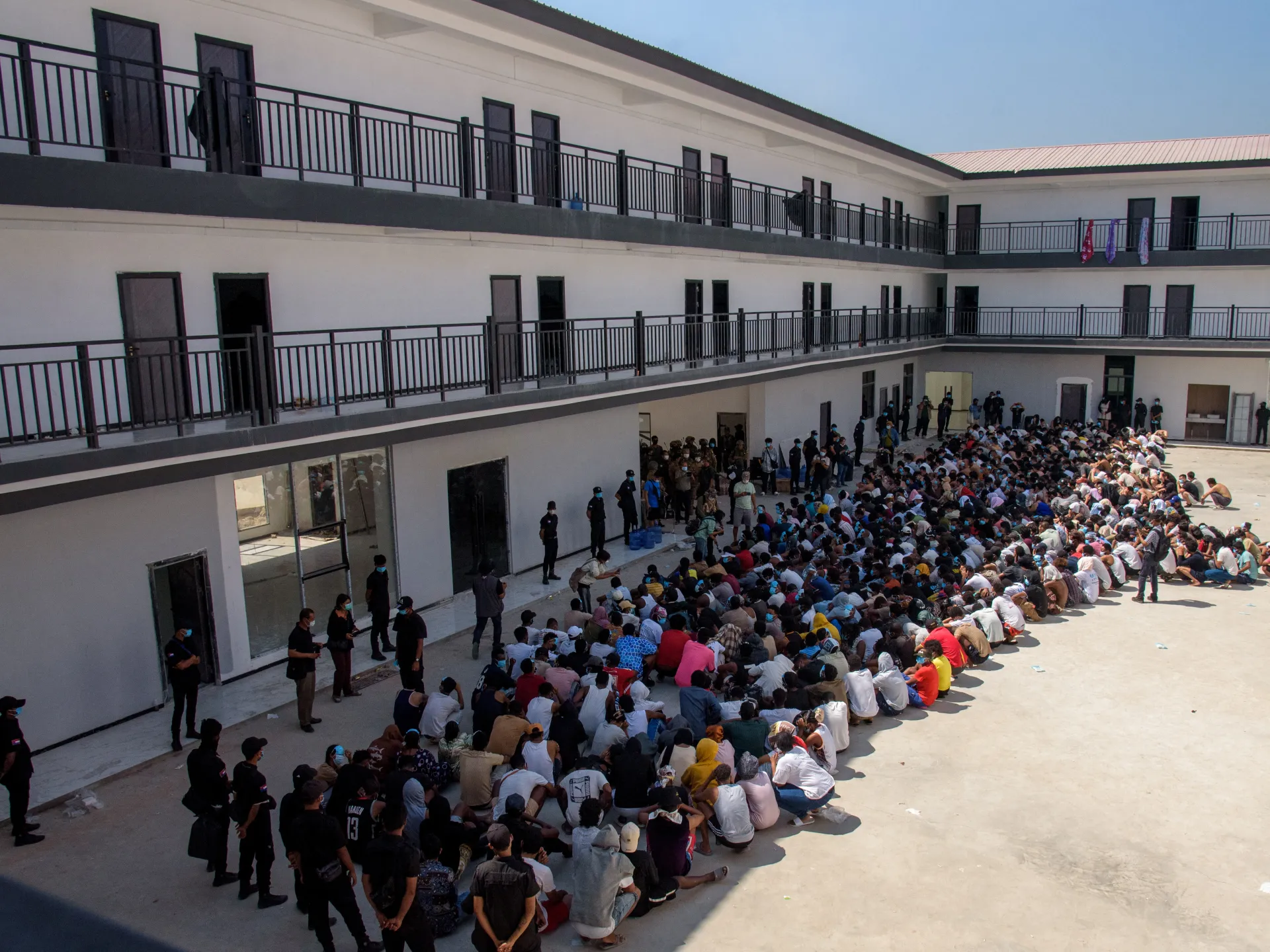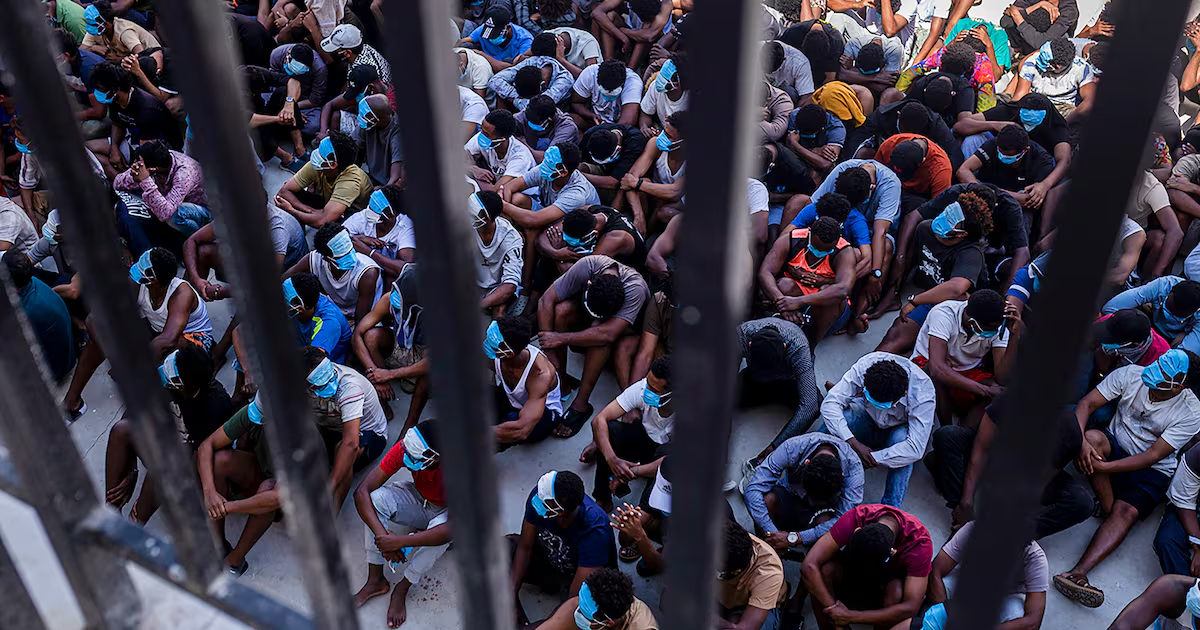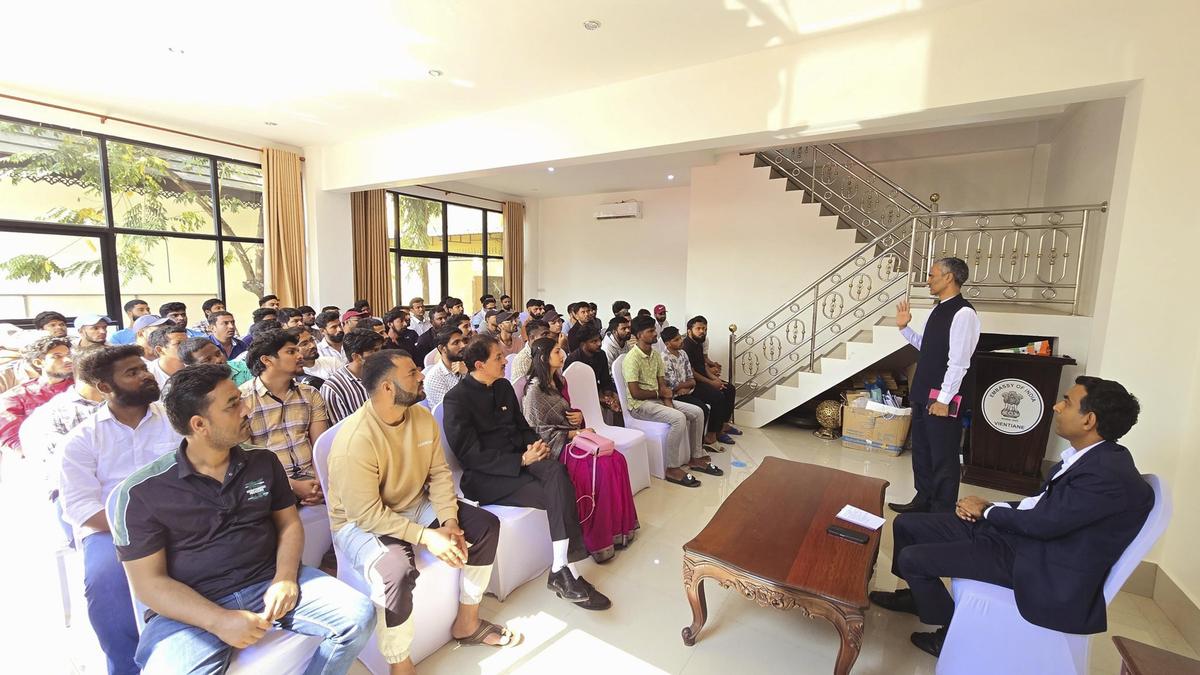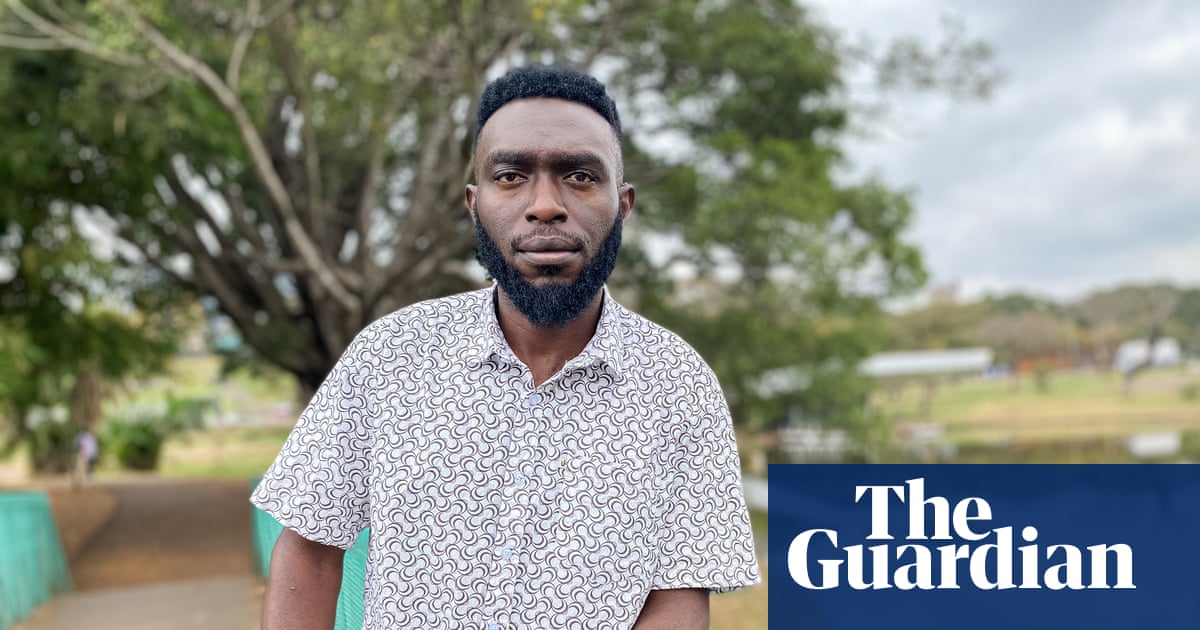
When Sabiu demanded to leave the compound, his boss gave him an answer that still haunts him: “I had paid $5,000 to buy you.” What began as a promised job in Laos had become captivity. His passport was gone, his savings were stolen and armed guards watched over a workforce forced to scam strangers online. His story is one of several uncovered in this investigation by STEPHEN ANGBULU into the trafficking of Nigerian youths through social media into the brutal cybercrime camps of Southeast Asia
The last wrap of weed Sabiu sold in the Golden Triangle fetched him 20 Yuan, about $2.70. It was enough for a plate of noodles, which was all he ate most days, once, at night.
It was October 2024, and the 26-year-old who hails from Borno State had been surviving this way for months in Bokeo Province, Laos, a mountainous Southeastern nation in Asia bordering China, Vietnam, Myanmar, Thailand, and Cambodia. He was sleeping on bus station benches when he ran out of rent money, eating leftover food from restaurants, charging his phone by sitting in eateries until attendants chased him away, and selling marijuana at a small markup to other displaced Africans who had stumbled out of the same cyber-scam compounds that had held him captive. He had tried to kill himself once already, swallowing poison mixed into pineapple juice. It only gave him diarrhoea, after which he returned to scavenging.