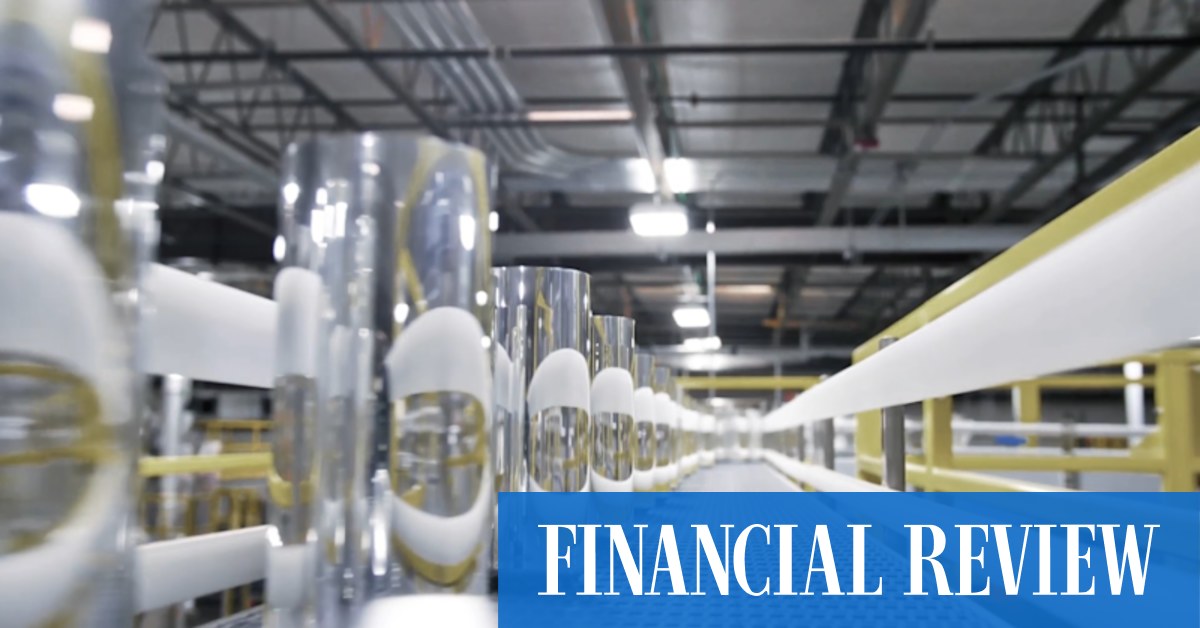
“The aim is to help consumers have a choice – to choose a more sustainable option when they buy a drink each day,” he says.“New Zealand and Australia are out of sync with the rest of the world, where there’s been a mass exodus from glass and plastic into aluminium cans and bottles.“For two countries that are clean and green and really enjoy that as part of their psyche, we’re very much behind the times as far as our use of plastic and glass.”Long-lasting environmental benefitsBank of America analysis of US consumer trends confirms this, with 2.2 per cent growth alone in the purchase of aluminium cans in the month of July 2026, while plastic packaging was stable and glass packaging declined by 4.5 per cent.By leading the market in sustainability in Australia and New Zealand, Recorp hopes it will push other manufacturers to create and use more recycled product, creating lasting positive environmental change in the industry.“If we can put pressure on the need to have more of that recycled content, that ultimately puts pressure on the market to recycle more, which is what the end game is all about,” he says.Recorp founder Rob Fyfe (left) with chief executive Bruce Parton. Recorp began manufacturing its aluminium cans from its Auckland facility in 2024 and this year started offering its range to Australian beverage manufacturers.ReCan85’s recycled material is sourced from the recycling bins of Australian and New Zealand households and other recycling facilities, further enhancing the sustainability loop.The aluminium is processed by a sustainably minded recycler, that uses renewable energy to reform it into beverage can source material. This recycled aluminium is also 4-6 per cent lighter than other standard recycled aluminium, which further reduces emissions generated in transport.Parton says aluminium also offers other sustainability benefits compared to glass and plastic recycling.Recycling plastic uses 75 per cent less energy than creating new plastic but it can only be recycled up to 10 times before it loses its integrity.Recycling glass uses 30 per cent less energy than making new glass and can be recycled indefinitely without losing integrity, but is easy to break and contaminate.Parton says aluminium can be recycled indefinitely without losing its integrity, is not so easily broken and the process uses 95 per cent less energy than making new aluminium.“Aluminum is the Holy Grail of drink containers,” he says. “It’s so much easier for people to recycle in their bins and you can just crunch them up to make them smaller, whereas plastics are big and bulky.”Business benefits For beverage manufacturers, recycled aluminium cans also provide tangible cost savings over other alternatives. As the aluminium is lighter than glass, it can have lower freight costs.Recorp Group’s investment in innovative manufacturing equipment also allows it to tailor minimum order quantities, which can particularly help small- to medium-sized businesses.“By buying certain equipment, we’ve been able to build a very flexible plant and bring our minimum order quantities down from the market norm of 100,000 to 30,000,” he says.“We are nimble, slashing lead times for our customers from months to weeks.“That means innovative businesses can have a go at new products, without risking nearly so much money.”Meanwhile, Recorp’s expertise in aluminium also enables it to provide cans that suit the beverage industry’s emerging and evolving markets, such as being the only Australasian provider of retort cans for coffee products.“The machinery in this facility is not only industry leading, but also world leading,” he says. “We are also the only provider of BPA-NI, which is the new, very healthy, inner lining for cans.“We are at the innovative edge of the market and really looking to provide what our customers want, rather than what’s traditionally been.“We are key advocates of sustainability and innovation.“And we think we can combine those with running a business and deliver the best product that also helps the planet.”To find out more, visit recorpgroup.com
Meet the world’s most recycled can
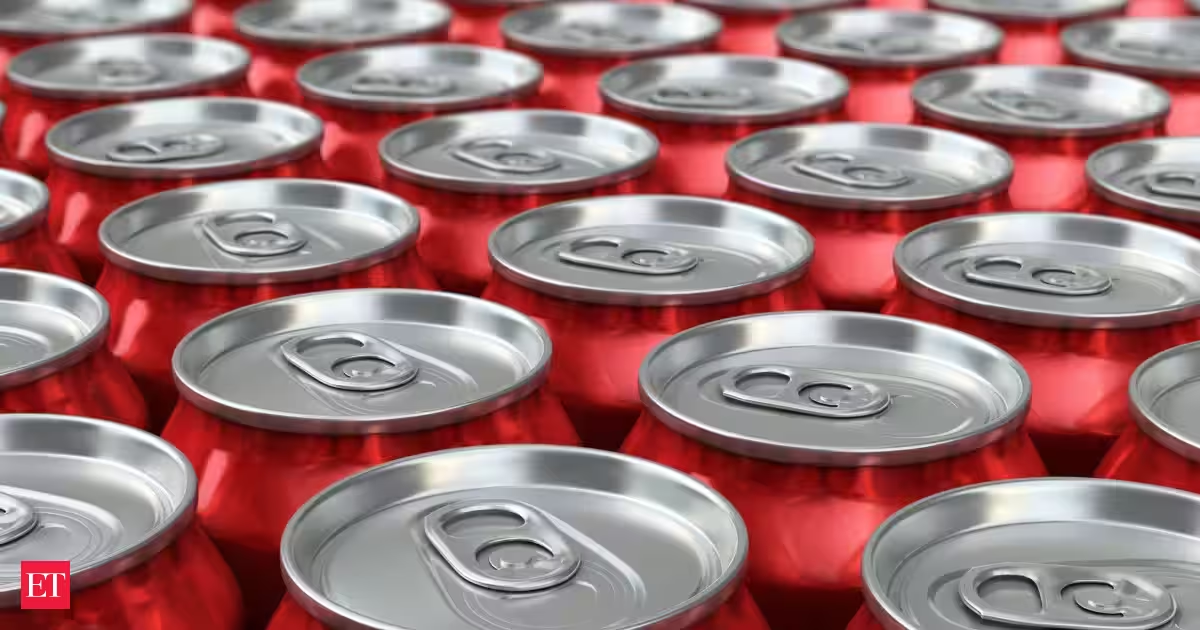
Aluminium cans are increasingly favoured by environmentally conscious consumers and beverage manufacturers alike because they are more recyclable than other alternatives.
645 words~3 min read