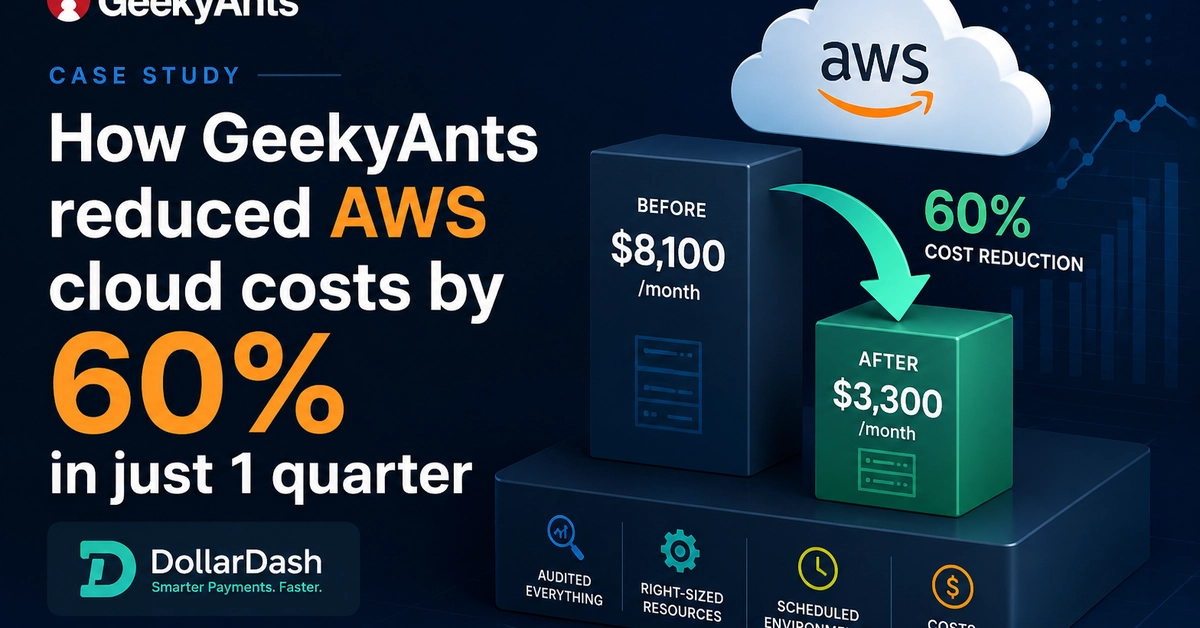
Cloud infrastructure makes over-provisioning effortless. A single configuration change can deploy an unneeded high-memory cluster, and without guardrails, waste accumulates quickly: unattached storage volumes, oversized worker nodes, continuous non-production environments, and stale test resources. Periodic spreadsheet audits cannot keep up with high-velocity engineering teams where provisioning outpaces cost governance. Across large enterprise multi-cloud footprints in AWS and Azure, the solution is embedding FinOps directly into continuous integration and cloud governance pipelines rather than auditing spend retroactively.
1. Enforce tagging at deployment, not after the fact
You cannot optimize or allocate spend that lacks clear attribution. Every cloud asset requires consistent metadata designating its owning team, environment, and cost center — enforced strictly at provisioning time rather than reconciled after the billing cycle closes.
Using AWS Service Control Policies (SCPs) or Azure Policy, platform teams can prevent resource creation whenever mandatory tags are missing, regardless of local role privileges.
Example: AWS Service Control Policy requiring a CostCenter tag