The United States faces a growing range of biological threats, from state bioweapons programs and naturally occurring diseases to emerging risks from artificial intelligence.
While the White House’s biodefense personnel cuts are cause for concern, reorganization does not automatically signal reduced capacity.
The worst time to rebuild biodefense is during a crisis. The White House should staff, organize, and prioritize the mission before a catastrophe arrives.
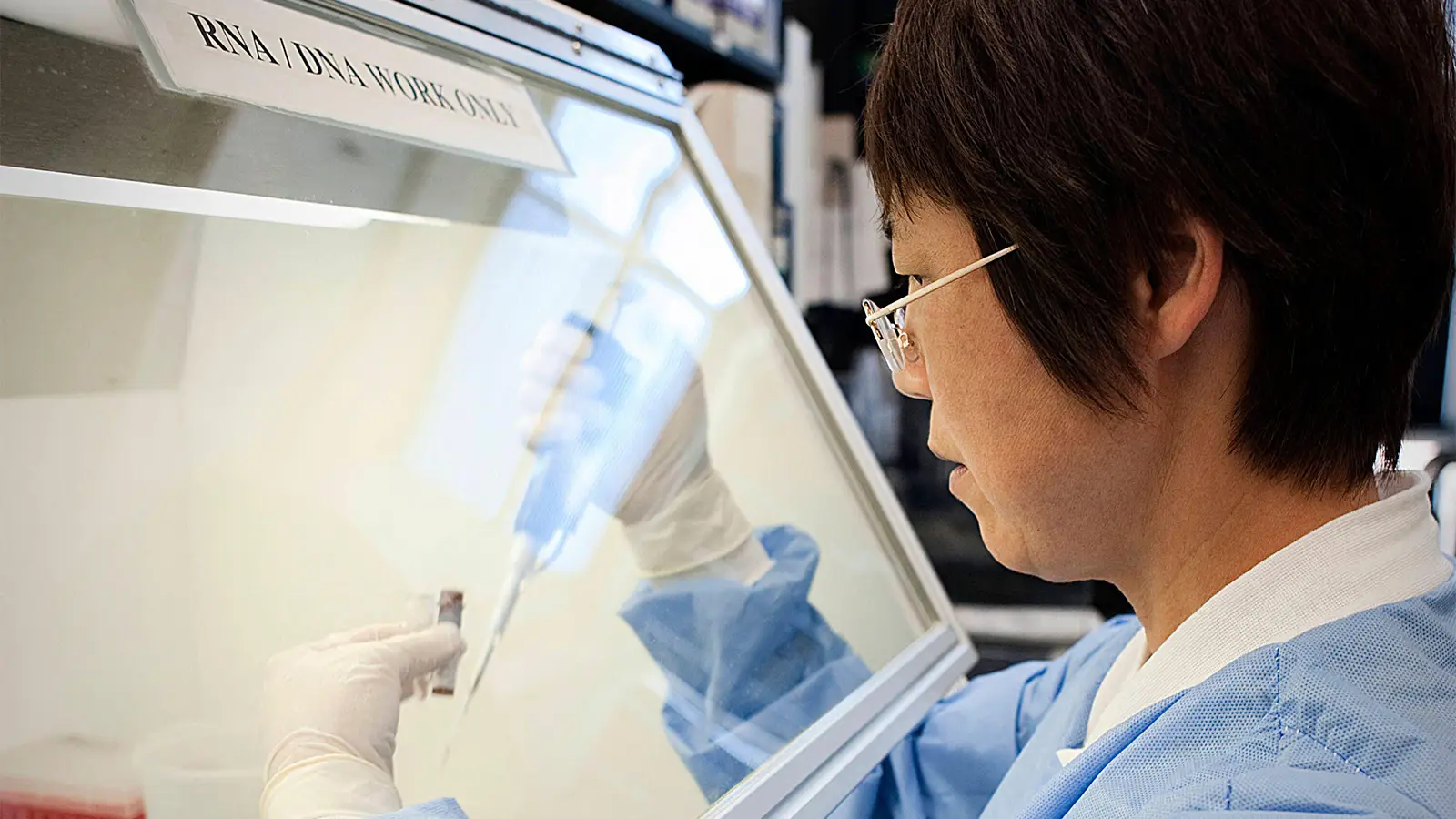
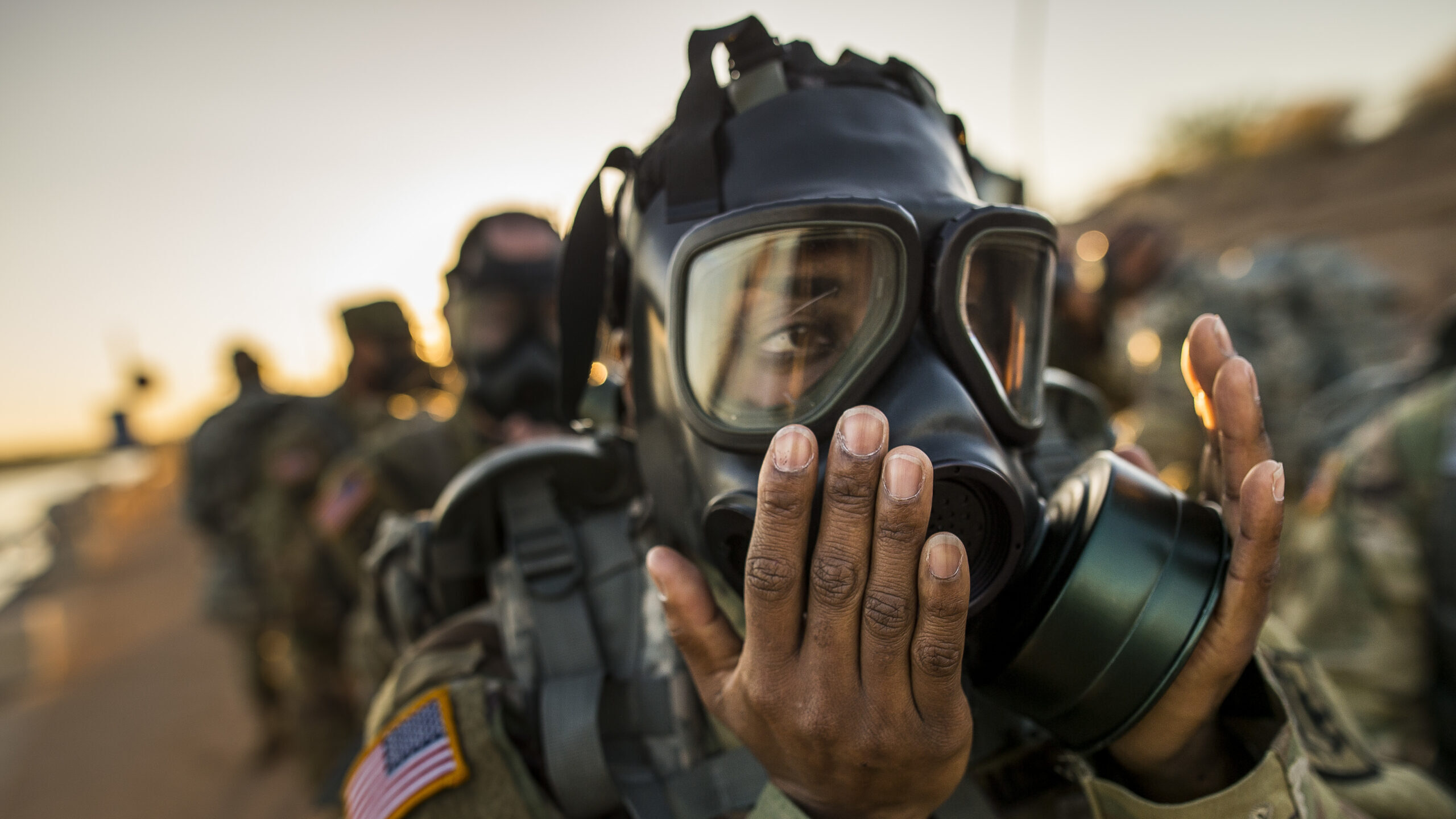
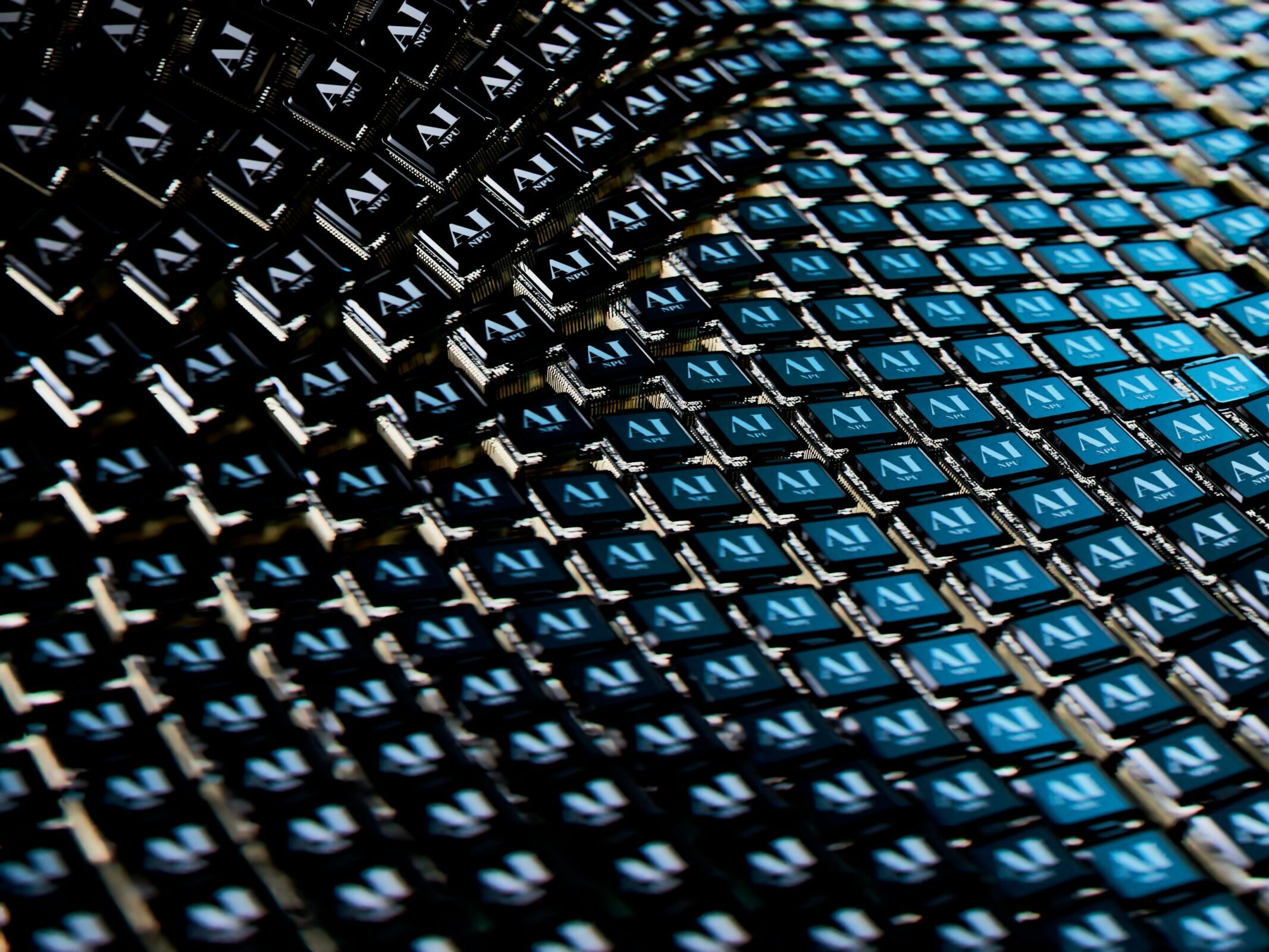
WASHINGTON—The United States faces a growing number of disparate biological threats. Russia and North Korea are known to possess active offensive biological weapons programs, and other countries and terrorist groups may be developing their own in secret. The potential for smaller-scale biological crimes abounds both domestically and abroad. Naturally occurring diseases, too, have the potential to affect national security, as do accidental releases from laboratories and other facilities that may or may not be conducting legitimate business. The rise of artificial intelligence (AI) increases the danger, as it could be used to design and create entirely new pathogens. And the danger compounds when federal, state, local, tribal, and territorial governments are unprepared.