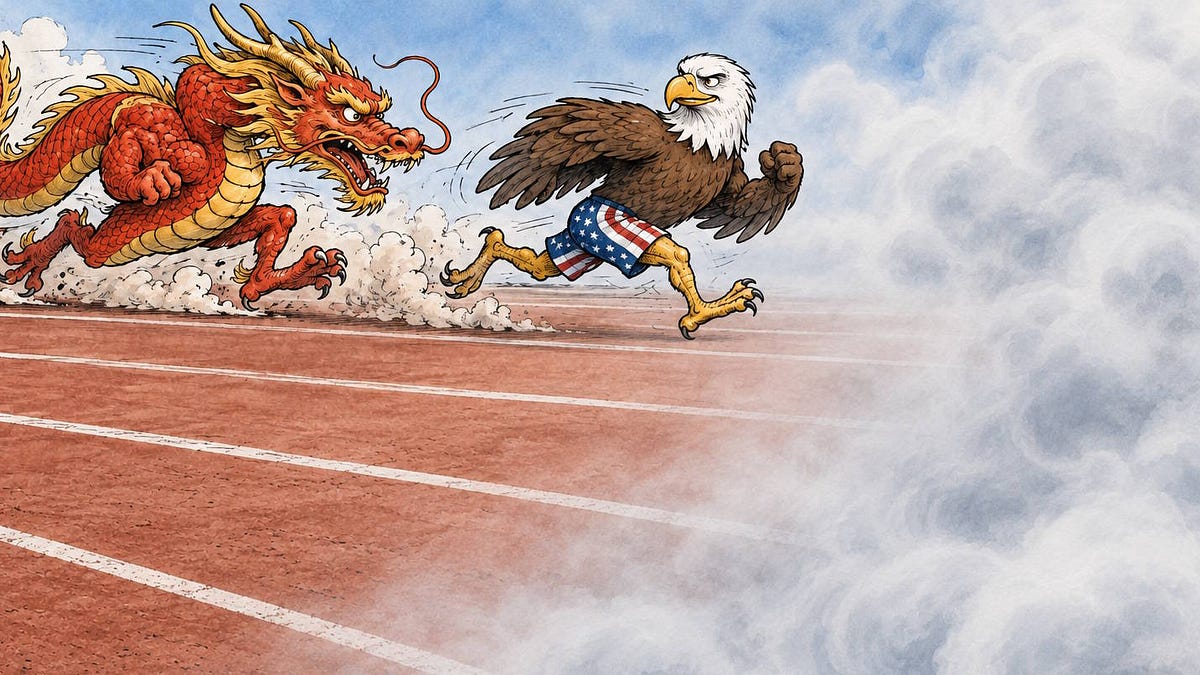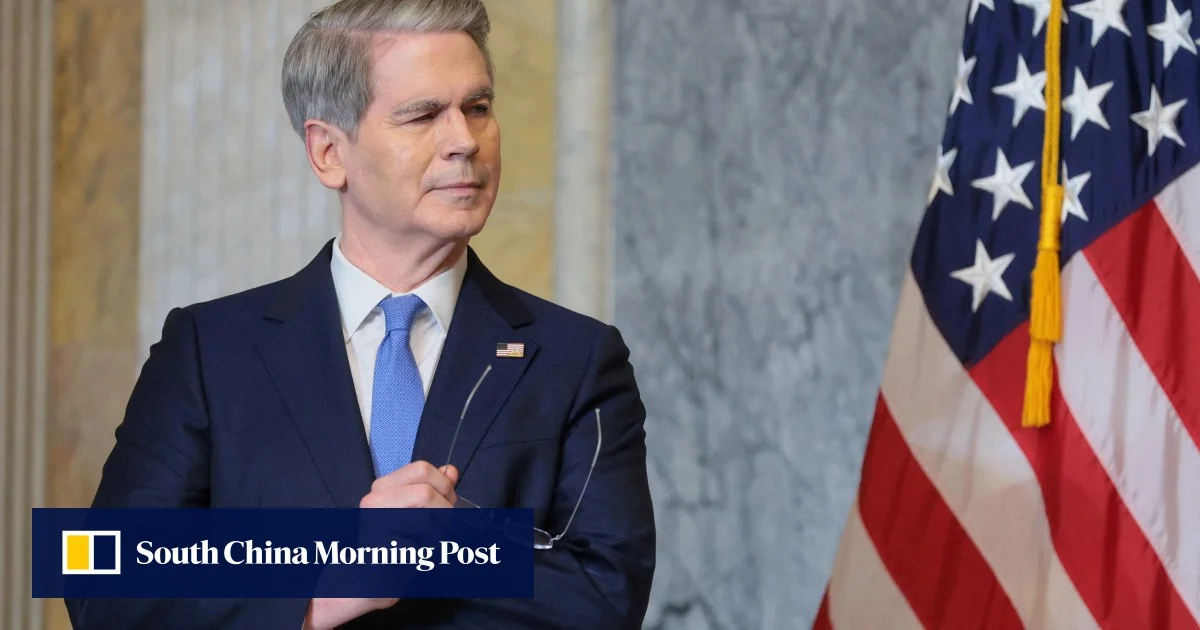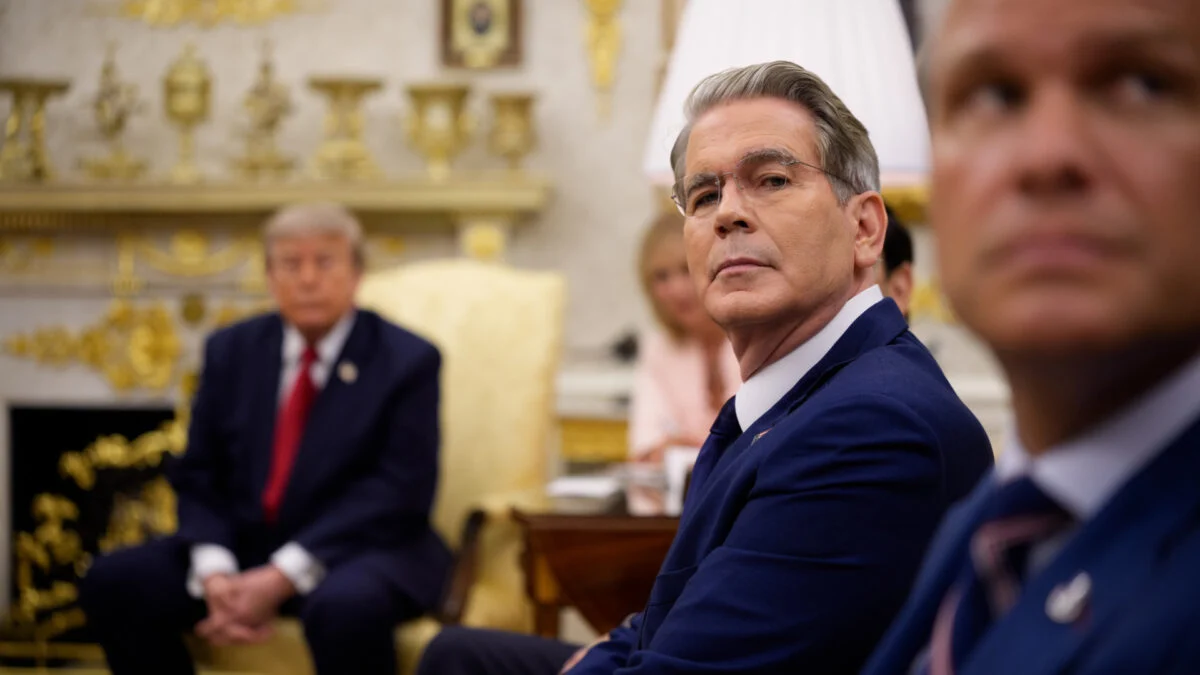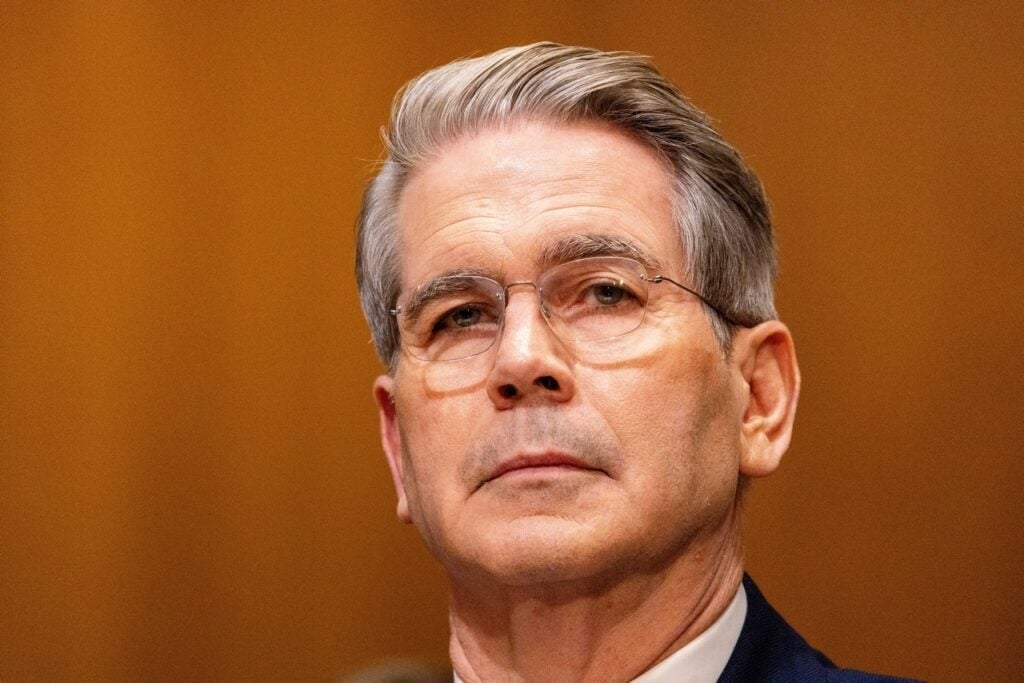
Treasury Secretary Scott Bessent wants you to know what keeps him up at night. It’s not AI taking your job. It’s not Skynet. It’s Beijing.
Speaking at the Economic Club of New York on June 24, Bessent called China’s rapid progress in artificial intelligence the “biggest risk” facing the United States. While he noted the US currently leads “by a substantial amount,” his tone carried the urgency of someone watching a rearview mirror that’s getting crowded.
The geopolitical framing
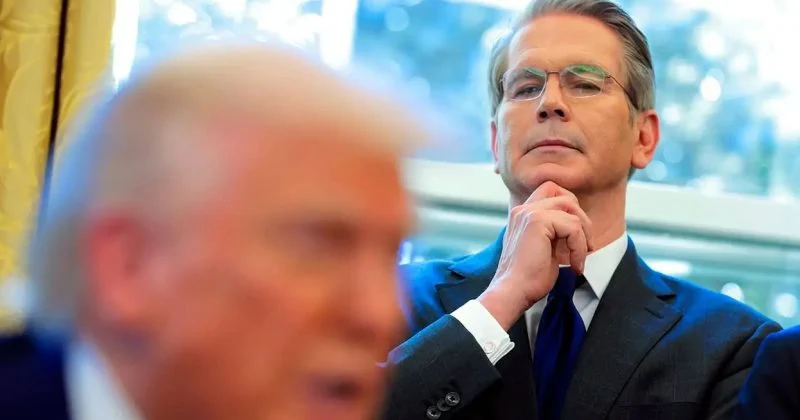
Bessent has positioned himself as a central figure in shaping both US AI policy and the economic relationship with China. By casting the AI competition in national security terms, he’s effectively arguing that dominance in frontier AI models is as strategically important as military superiority or energy independence.
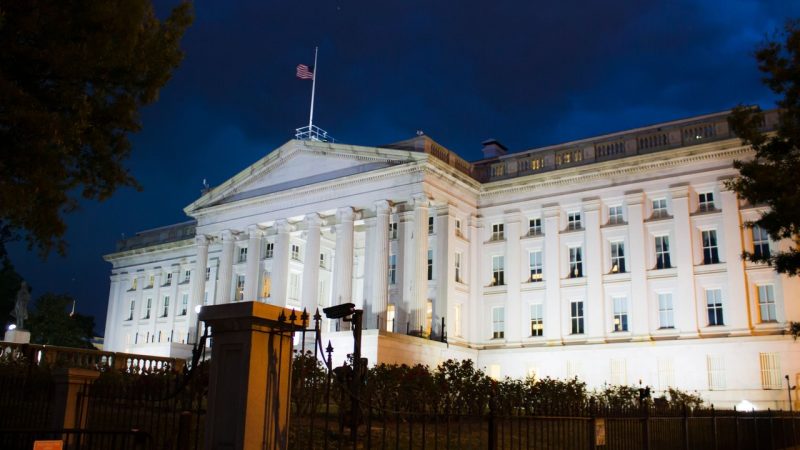
He also raised the specter of intellectual property theft, warning that Chinese firms allegedly copying US AI models could trigger sanctions. Treasury controls the Office of Foreign Assets Control (OFAC), the agency that actually administers US sanctions. When the person who oversees that apparatus starts publicly floating the idea of using it against AI-related IP theft, companies on both sides of the Pacific tend to pay attention.