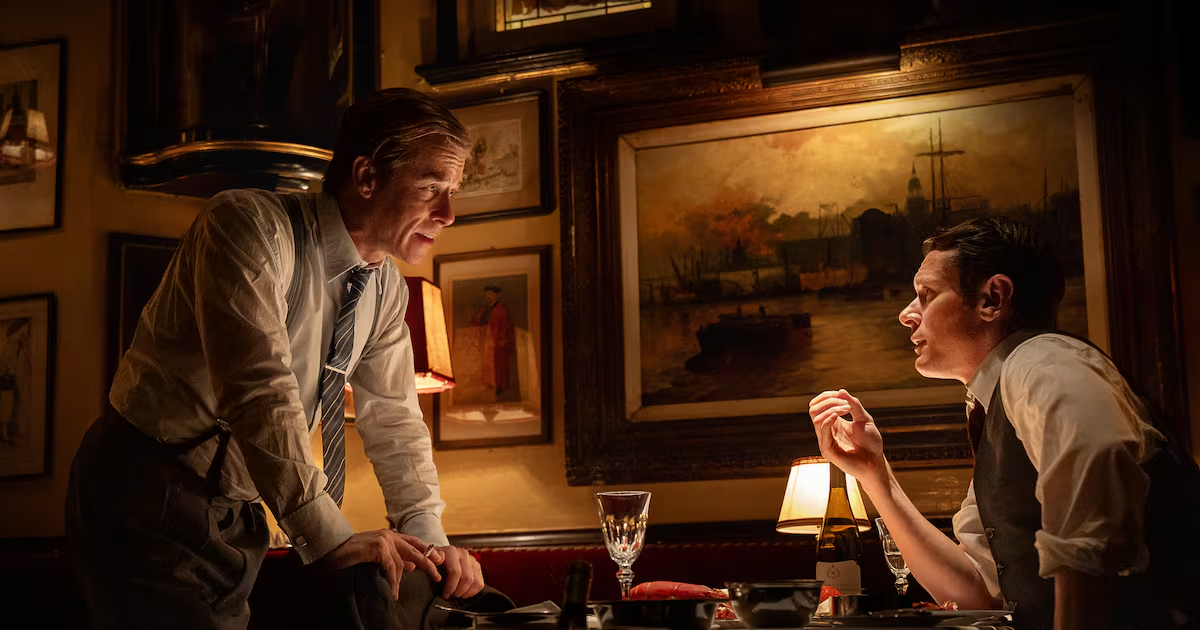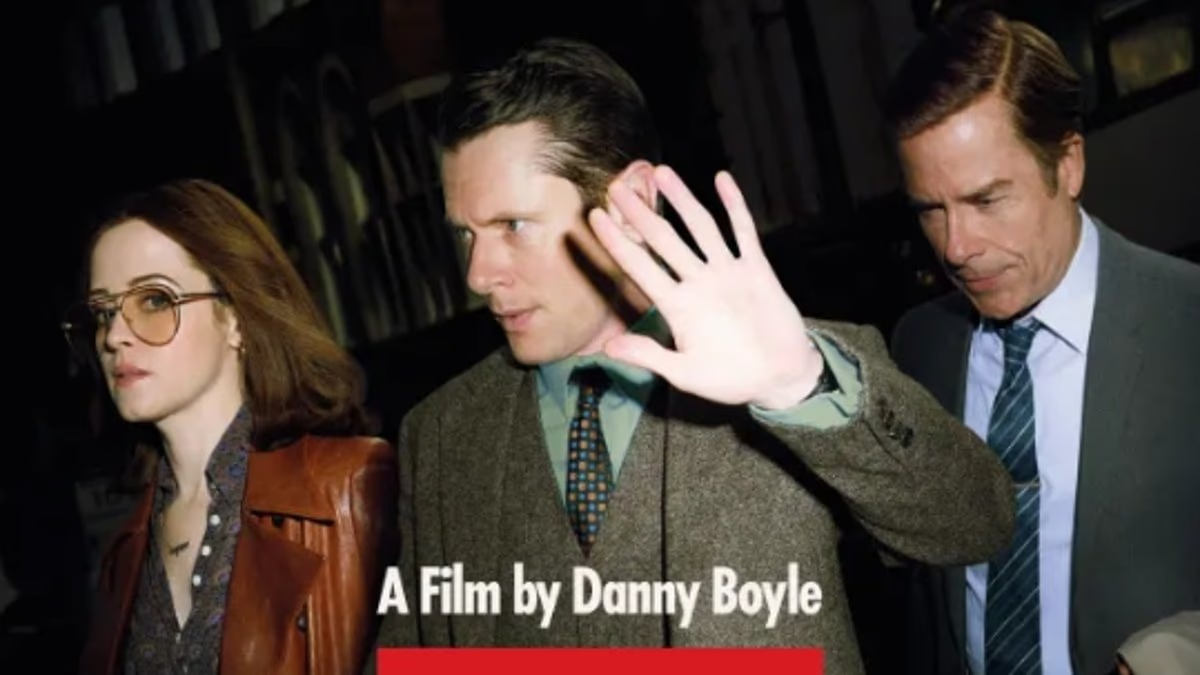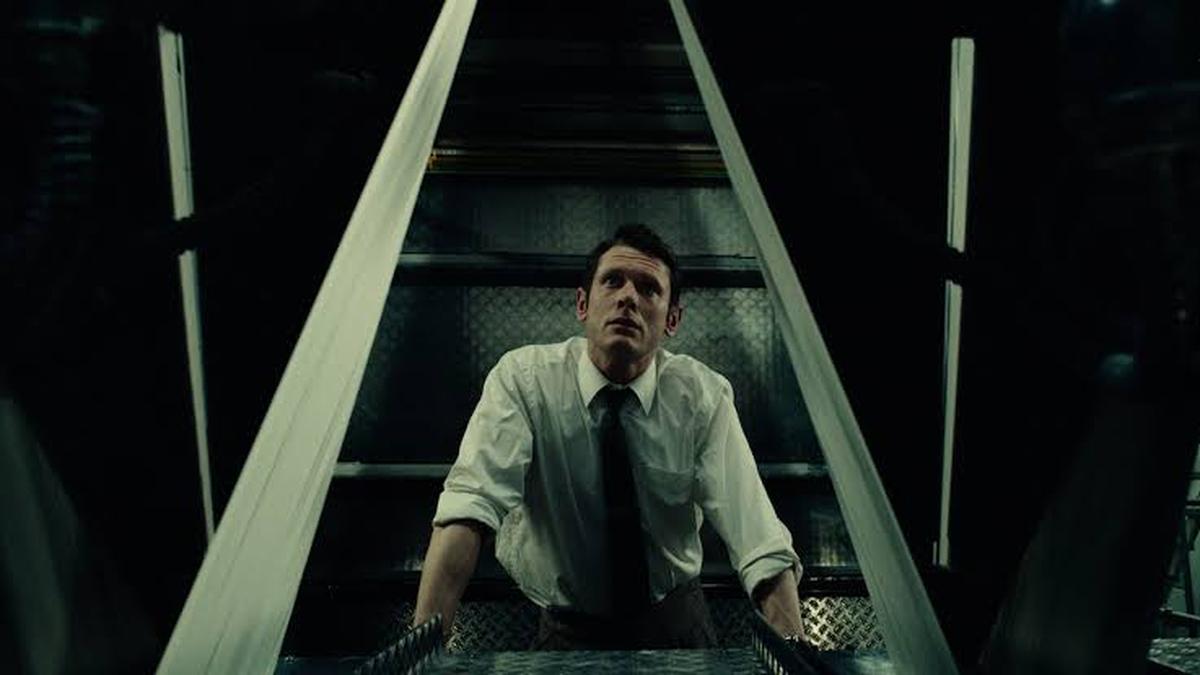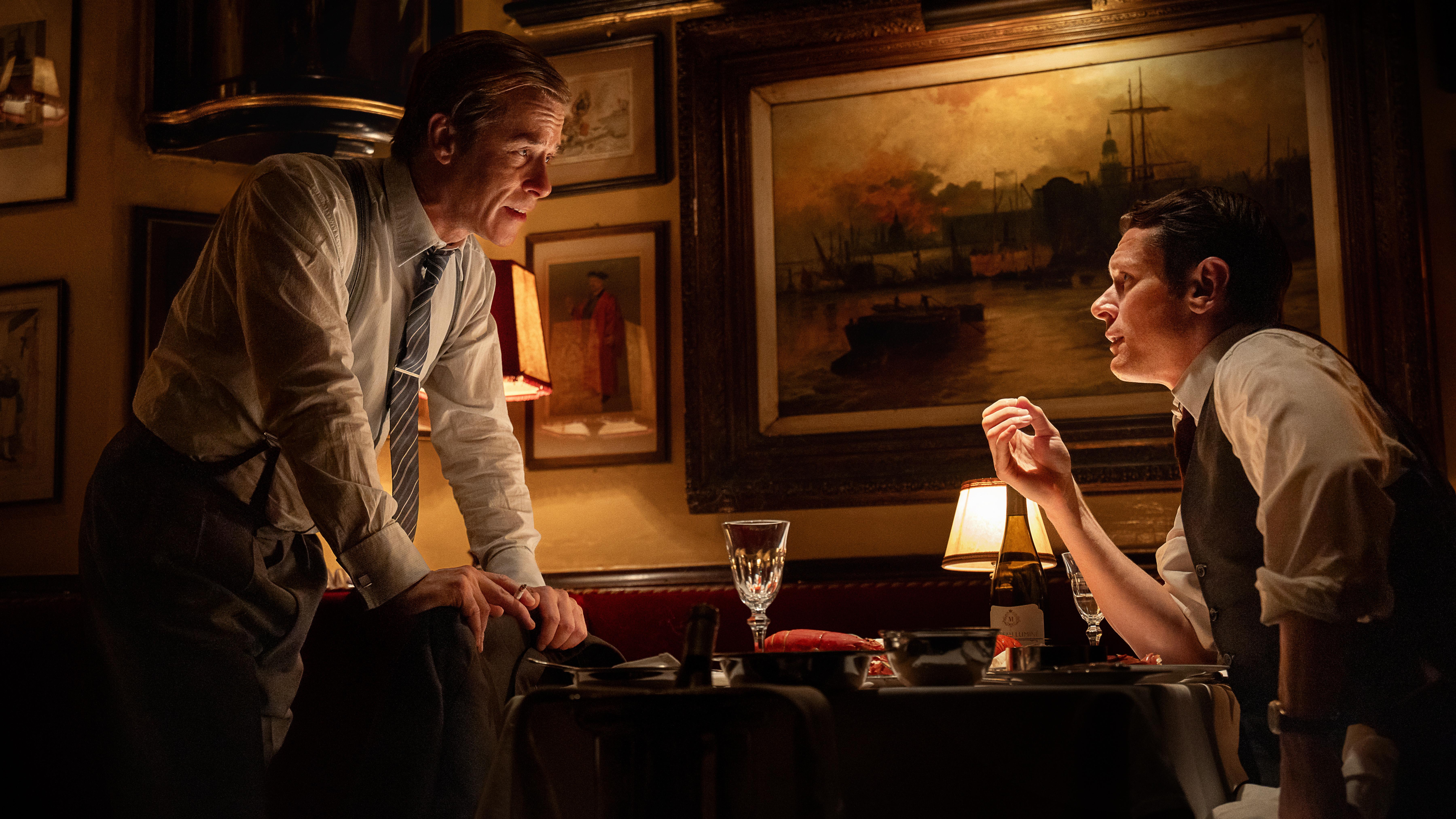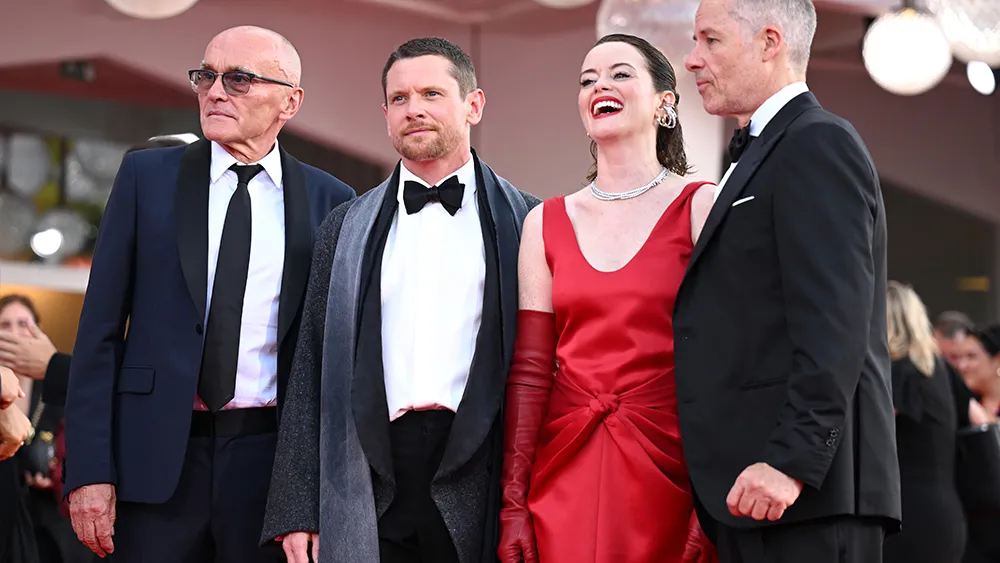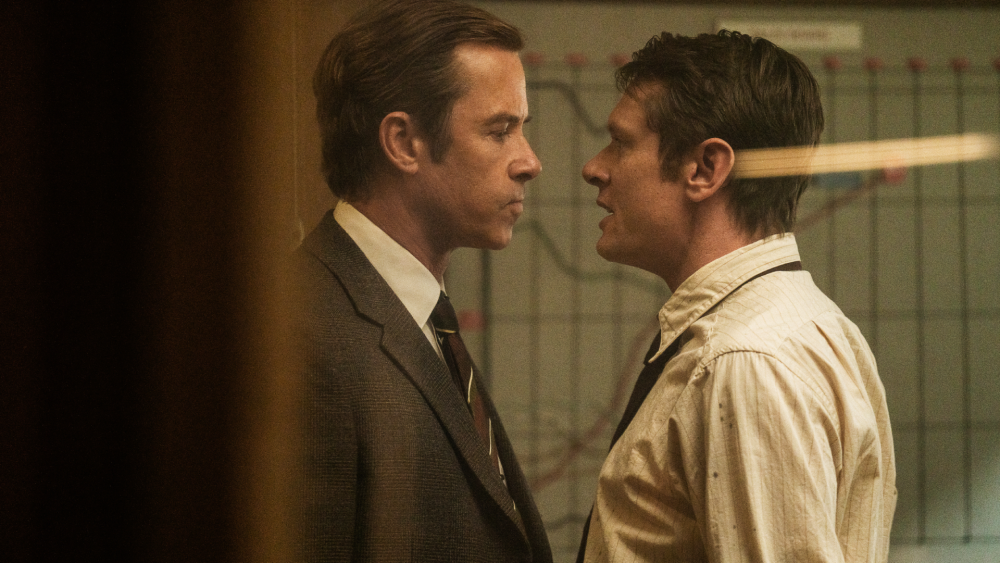
“People need stories,” says Larry Lamb, beleaguered editor of leading British tabloid The Sun, at a late point in “Ink,” a propulsive, can’t-look-away account of his simultaneously triumphant and regrettable career zenith. In the film, the year is 1970: His words are half a century ahead of the current prevalence of “storytelling” as a catch-all buzzword describing the jobs of everyone in media from journalists to filmmakers. Lamb gave good story, for sure; so do director Danny Boyle and writer James Graham, who have fashioned the late newsman’s aggressively populist makeover of U.K. journalistic standards into an irresistibly hooky tale of sex, murder and other very bad behavior, shot and cut with maximum flash and dazzle, set to a driving punk rhythm.
If many of Boyle and Graham’s attention-grabbing tactics are straight out of the tabloid playbook, well, consider their film its own case in point — as it persuasively draws a straight-but-very-crooked line from The Sun, then newly under the ownership of Australian magnate Rupert Murdoch, to a fast, cynical, de-standardized modern media landscape, still very much in Murdoch’s clutches. People need stories, yes, but any stories? Adapted and significantly jazzed-up from Graham’s stage hit, “Ink” captures both a specifically seismic era in the British journalistic sphere —the beginning of the end of Fleet Street, essentially — and a more universal shift in how the public is fed information, or entertainment, or the ever larger and murkier in-between. Lamb adheres rigidly to the famous five W’s at the core of the reporter’s job: “Ink” in turn asks what the hell we’ve done and where we go from here.