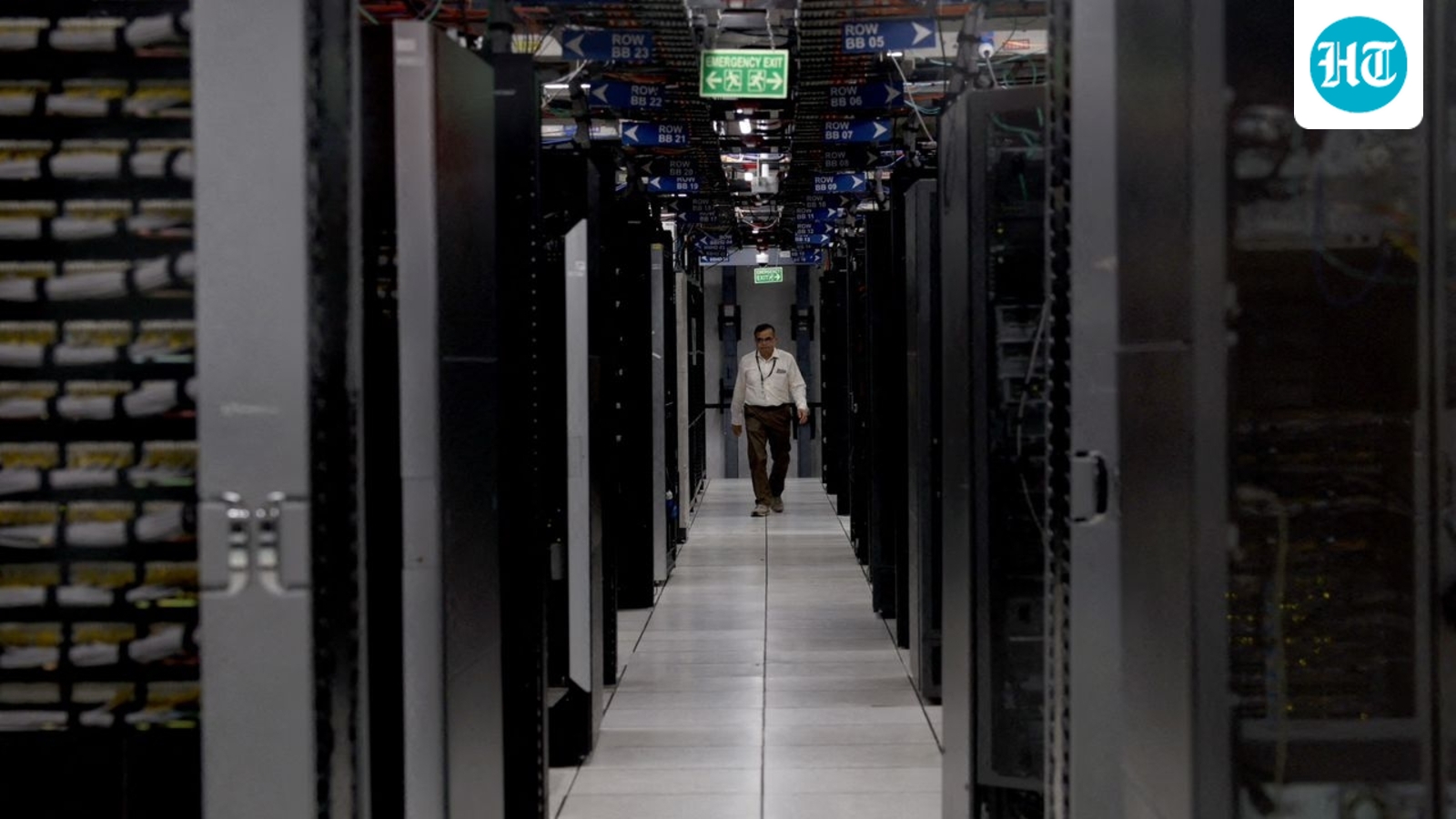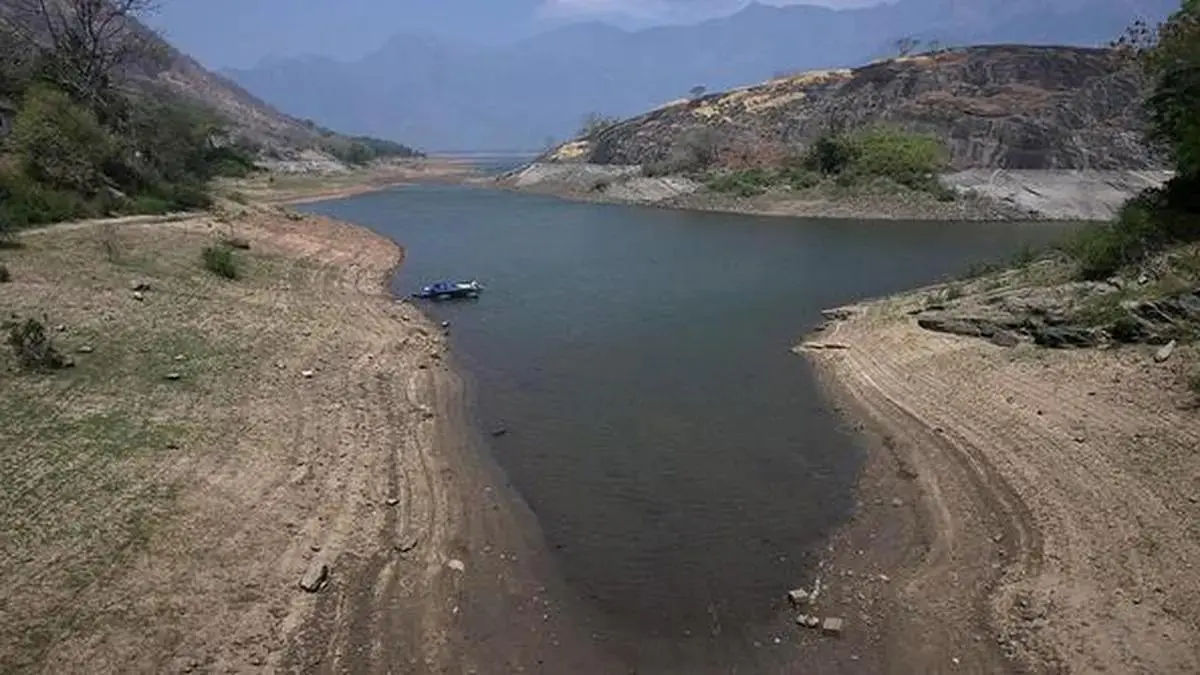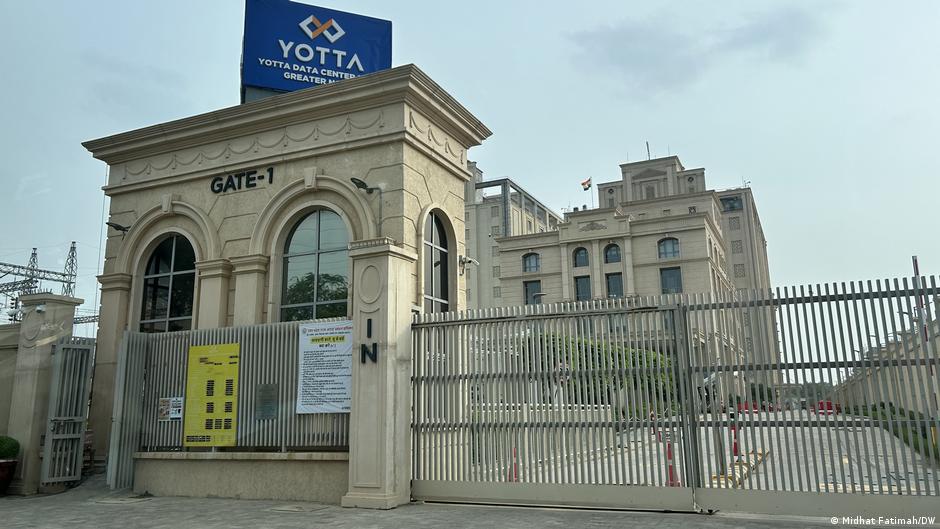
Thane and Visakhapatnam residents have raised concerns that large data centres could worsen water stress. Thane city is facing a public water supply deficit of 53 mn litres a day for domestic and commercial uses. The question goes beyond whether data centres should grow to whether existing water rules governing them can work coherently enough to protect local water security.India's data centre capacity has grown from 375 MW in 2020 to about 1,575 MW. A 100-MW hyperscale facility could consume around 2 mn litres of water a day for on-site cooling, depending on the technology used. Data centres consumed about 150 bn litres in 2024, a figure projected to more than double by 2030, with many facilities located in water-scarce regions.Also Read: India is world’s best location to set up data centres, $200 billion opportunity: Piyush GoyalLast month, GoI clarified data centres do not, per se, require environmental clearance under Environment Impact Assessment Notification 2006, holding that existing frameworks offer sufficient safeguards. Large building and construction projects hosting such facilities could still require clearance when they cross prescribed thresholds, and appraisal considers freshwater availability, water balance, used water generation, recycling and reuse.ET Online
Just Join the Paani Points: India’s data centre boom puts water use and local security under scrutiny - The Economic Times
Data centres' rapid expansion raises concerns about water stress in Indian cities. Existing regulations struggle to manage the sector's significant water consumption effectively. Improved monitoring and technology are needed to verify water usage and compliance. Harmonizing state-level reuse rules will ensure consistent water management practices. Transparent reporting frameworks are crucial for tracking the cumulative resource impact of data centres.
910 words~4 min read