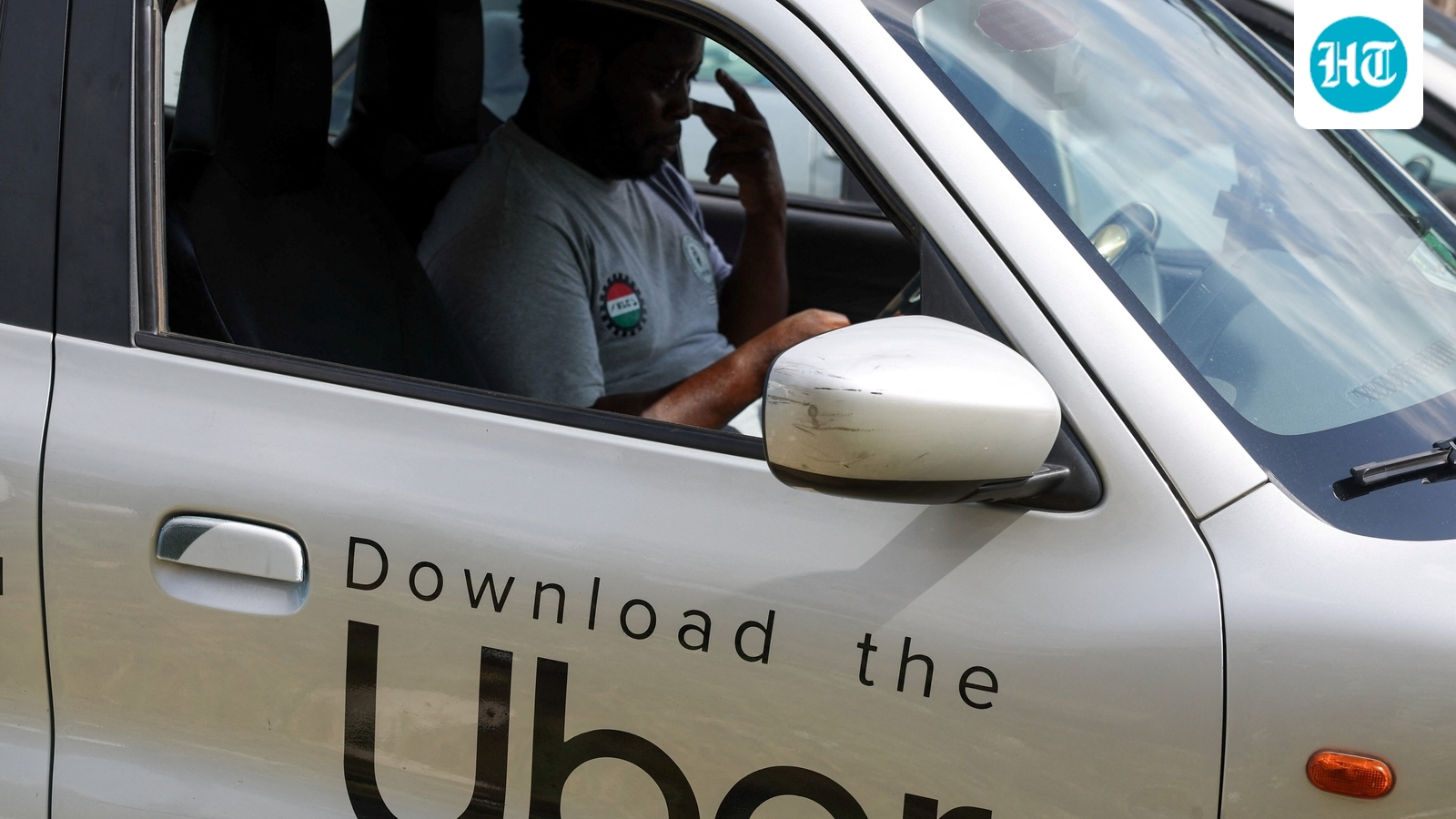
Uber has pulled the plug on its Nigerian operations after more than a decade in the country, marking one of the most significant retreats by a major tech platform from Africa’s largest economy. The shutdown, effective September 2, ends a presence that began when Uber first rolled into Lagos back in 2014.
The company is also leaving Uganda as part of the same move. Together, the exits coincide with a global restructuring effort that will eliminate approximately 3,300 positions, roughly 10% of Uber’s worldwide workforce.
What drove Uber out
When Uber arrived, it was one of the first major international ride-hailing platforms to set up shop, even tweaking its payment model to account for a population that overwhelmingly preferred cash over card transactions.
Bolt launched in Nigeria in 2016 and immediately started undercutting Uber on price. What followed was a grinding price war that squeezed margins for both companies but hit Uber particularly hard.