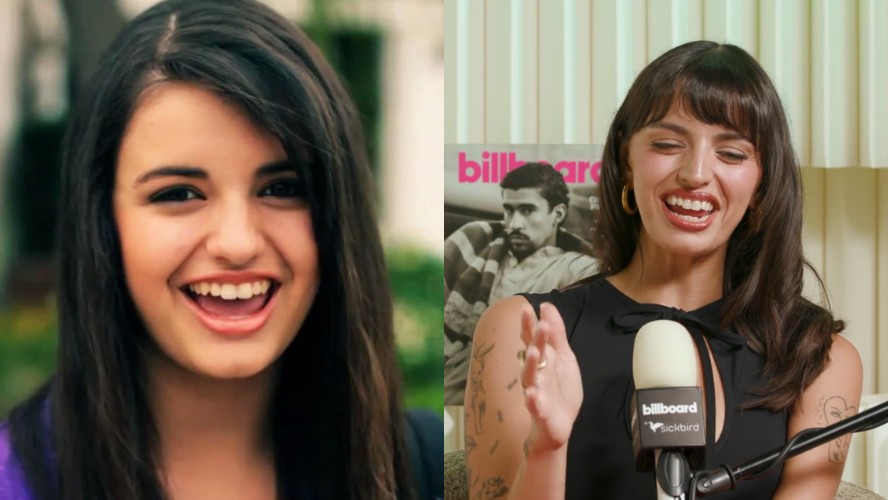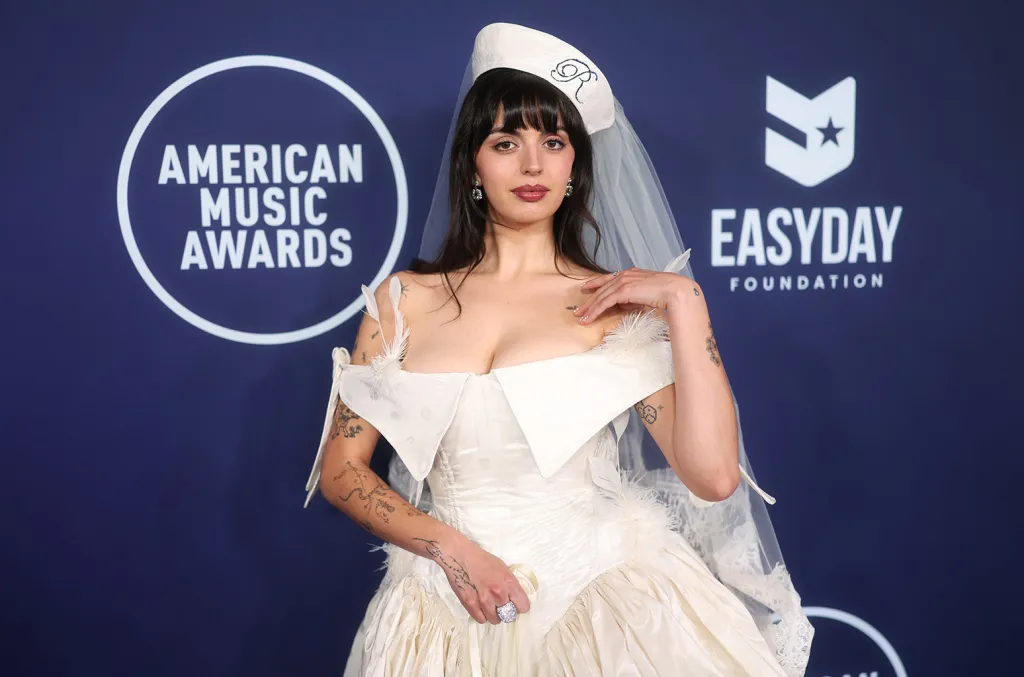
In the fifteen years since “Friday” by Rebecca Black went viral on YouTube, the music industry — and virality itself — has changed dramatically. The internet mainstream that once pushed the music video for “Friday” into ubiquity for the then-13-year-old singer has given way to a much more fragmented landscape of short-form video. Music discovery is no longer predicated on the gatekeepers still hanging on when “Friday” dropped in 2011, it’s controlled by the unknowable algorithm, whether that is on Spotify or TikTok.
“My experience with virality,” Black tells Billboard. “My first experience, at least, was something that I don’t know if it really exists anymore… Back in the day… what was happening on the internet was everywhere.” Still, the artists today who win the virality lottery on TikTok may have more in common with Black’s launch in the music industry than most of the other artists surfacing back then, which were still often a byproduct of the industry machine and traditional marketing methods.
Related
Now, every artist is potentially one post away from being discovered, and that fact has reshaped how talent — and the labels that support them — operate. But, as Black experienced herself, while virality is often the artists’ goal, it does not always happen the way one intends it to. Some artists go viral too early to capitalize on their luck, and some land their song into the cruelest corners of the internet. But ultimately, is virality still a good thing?