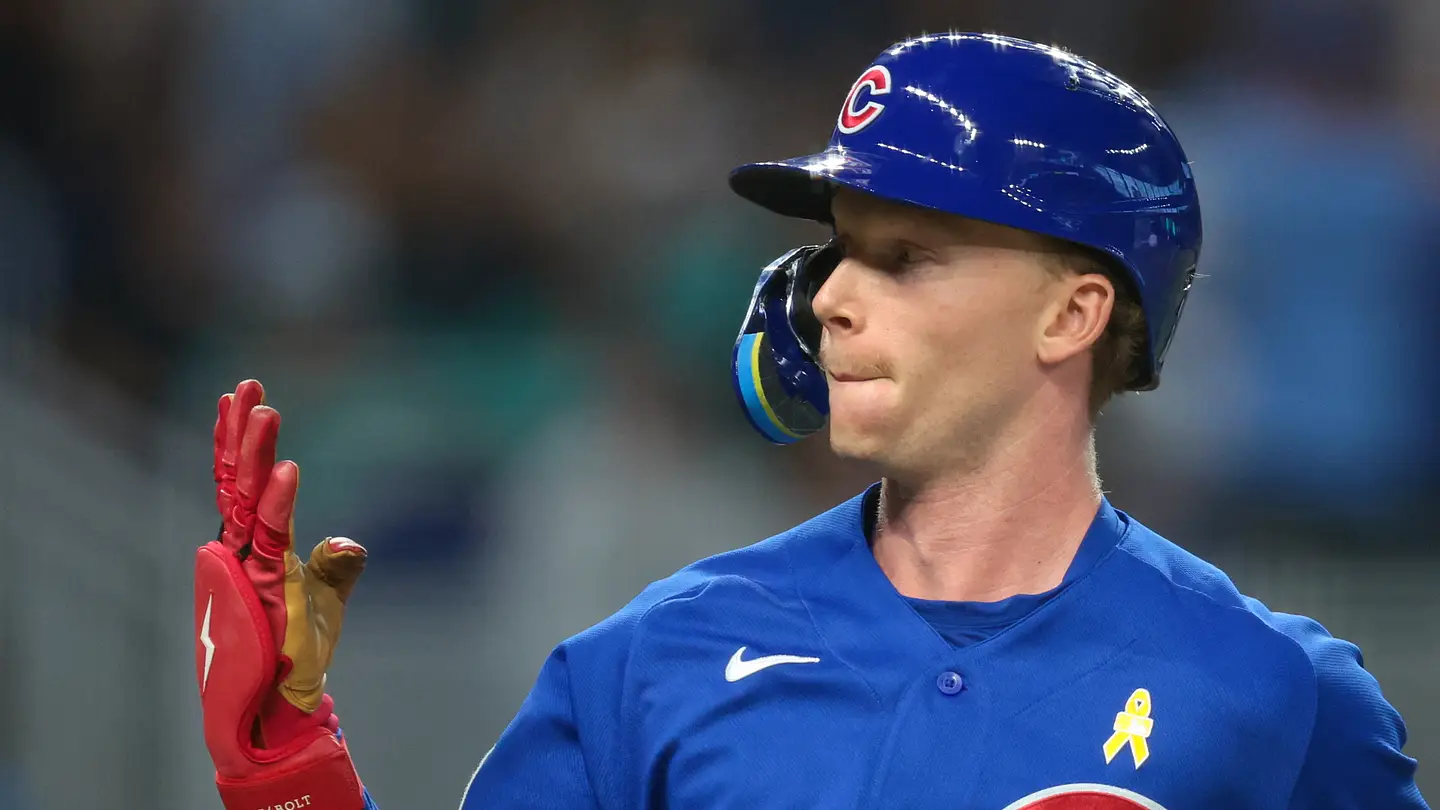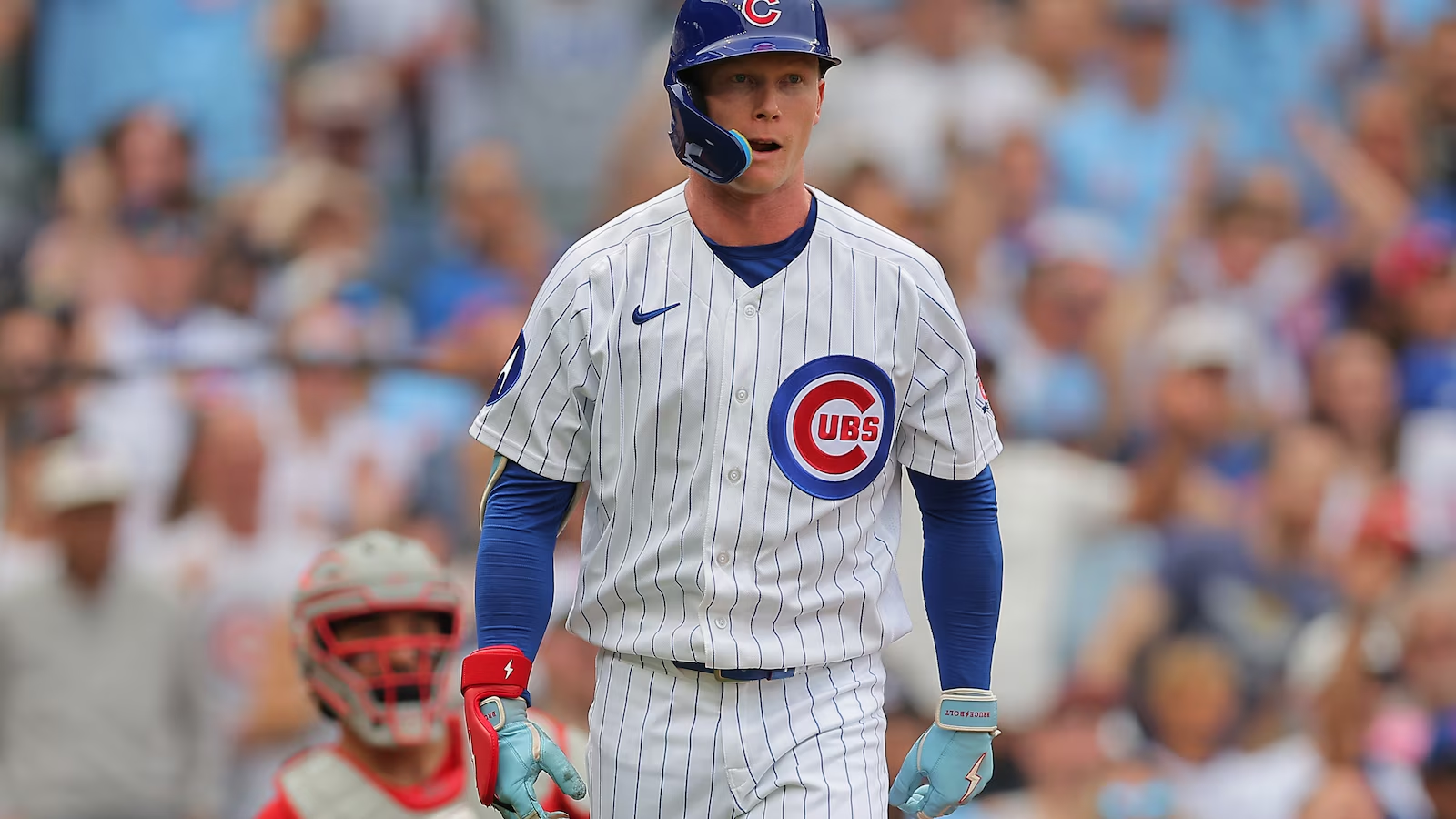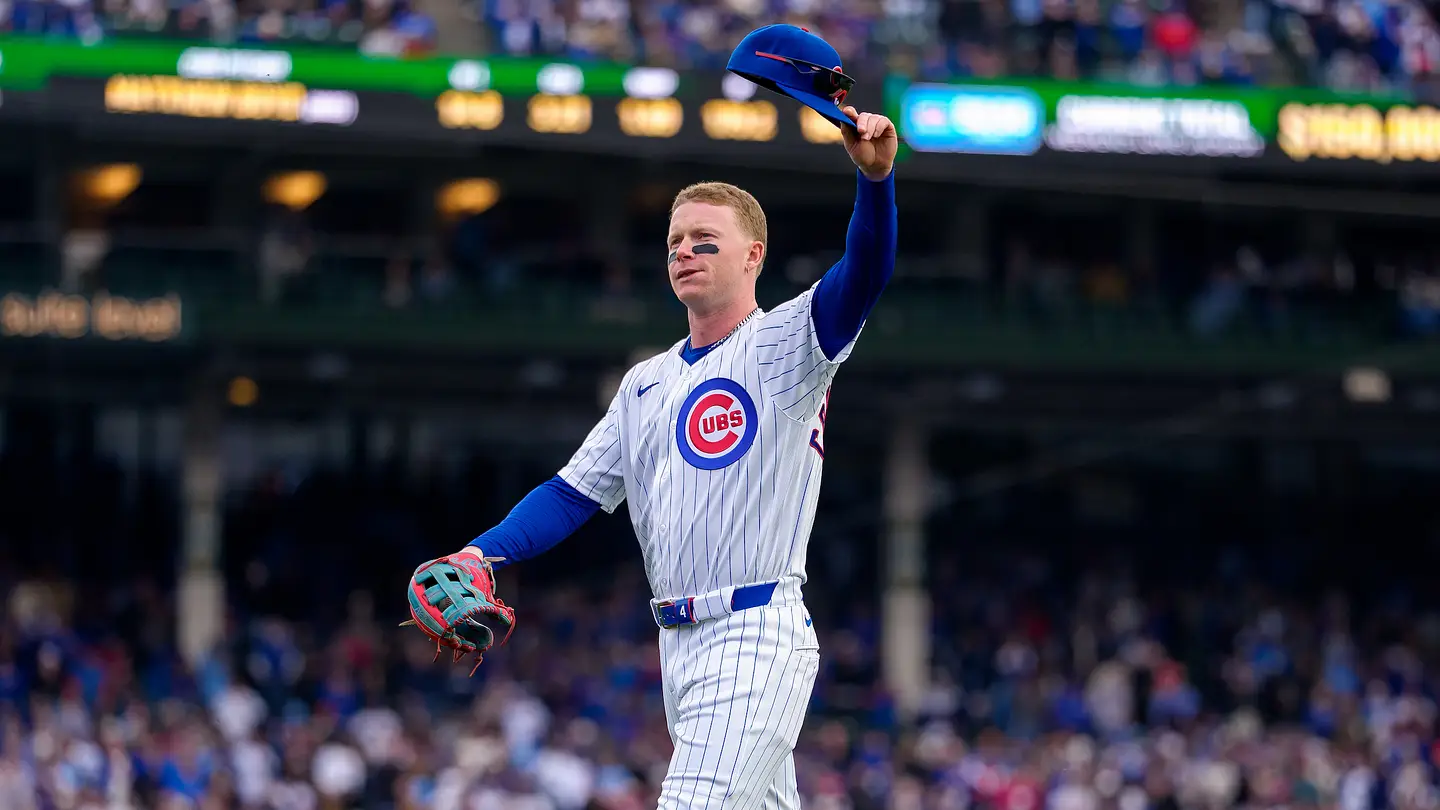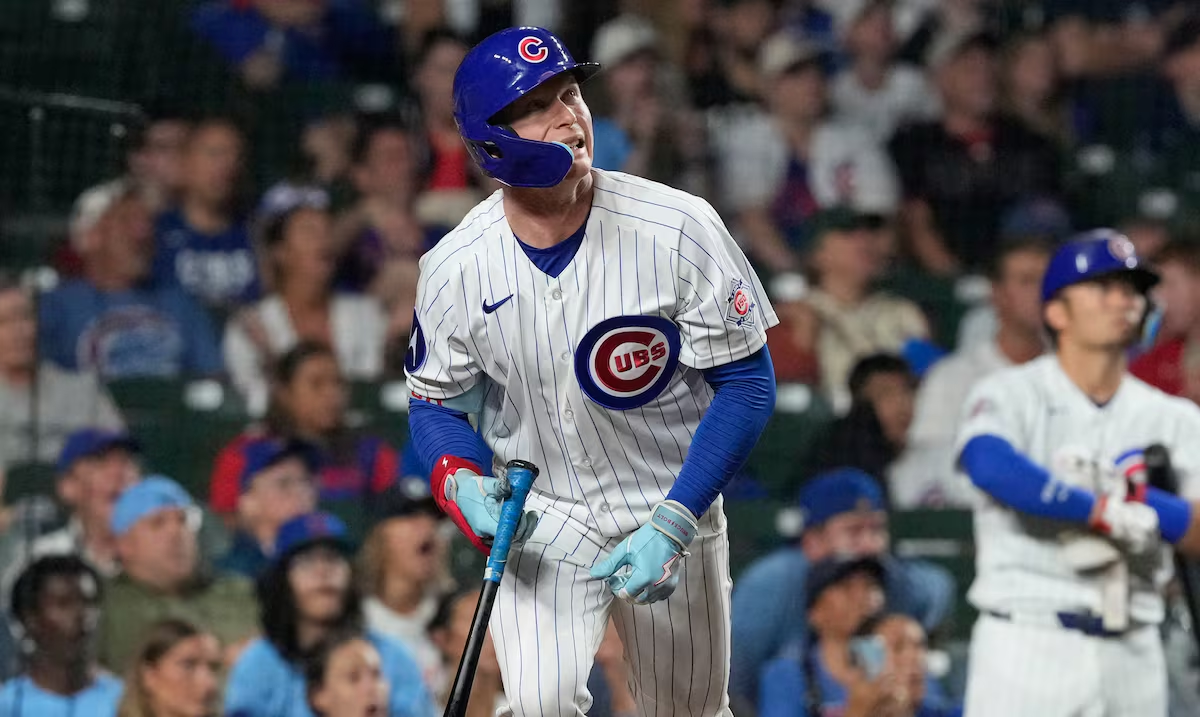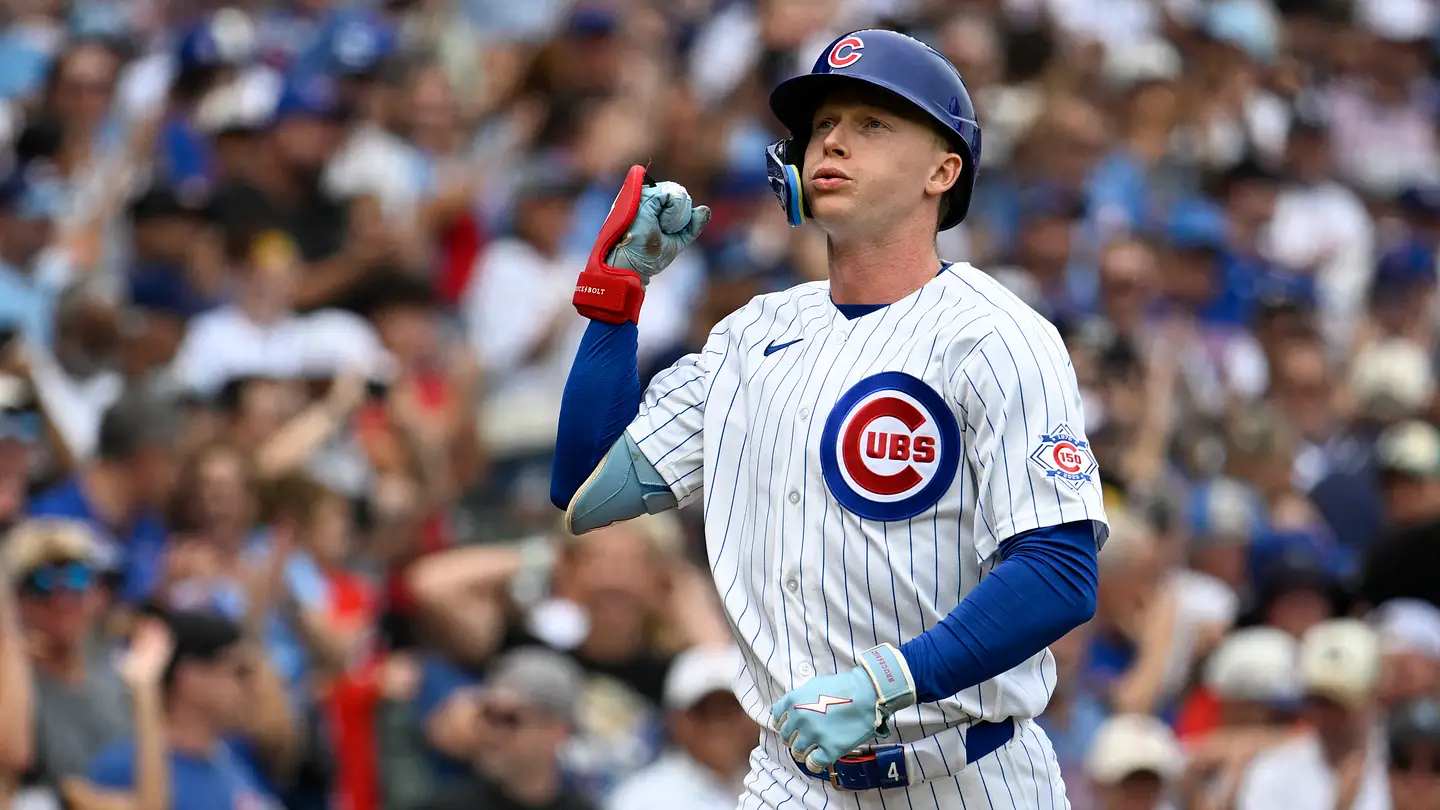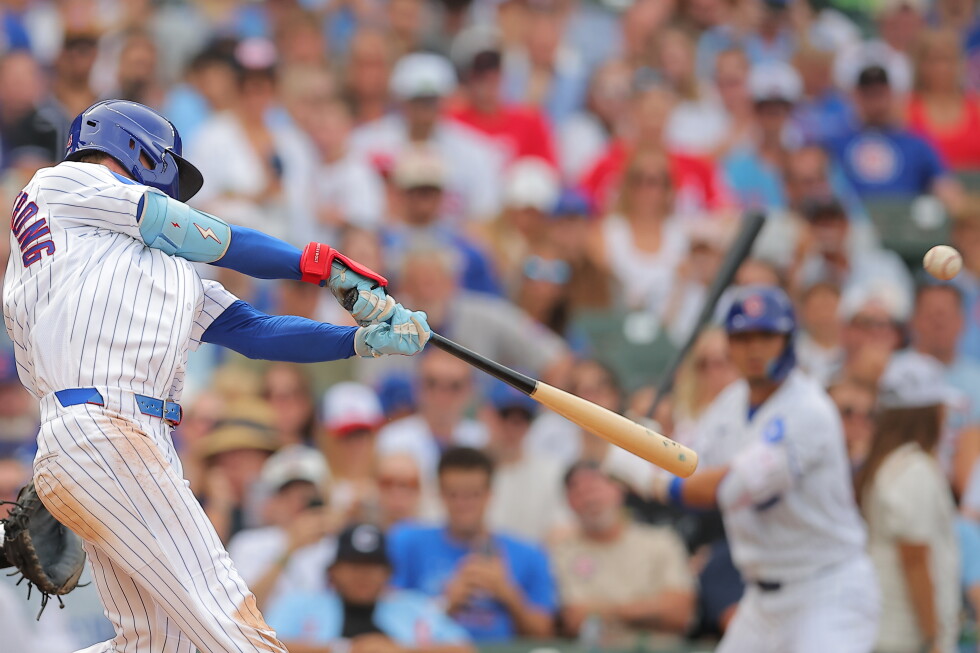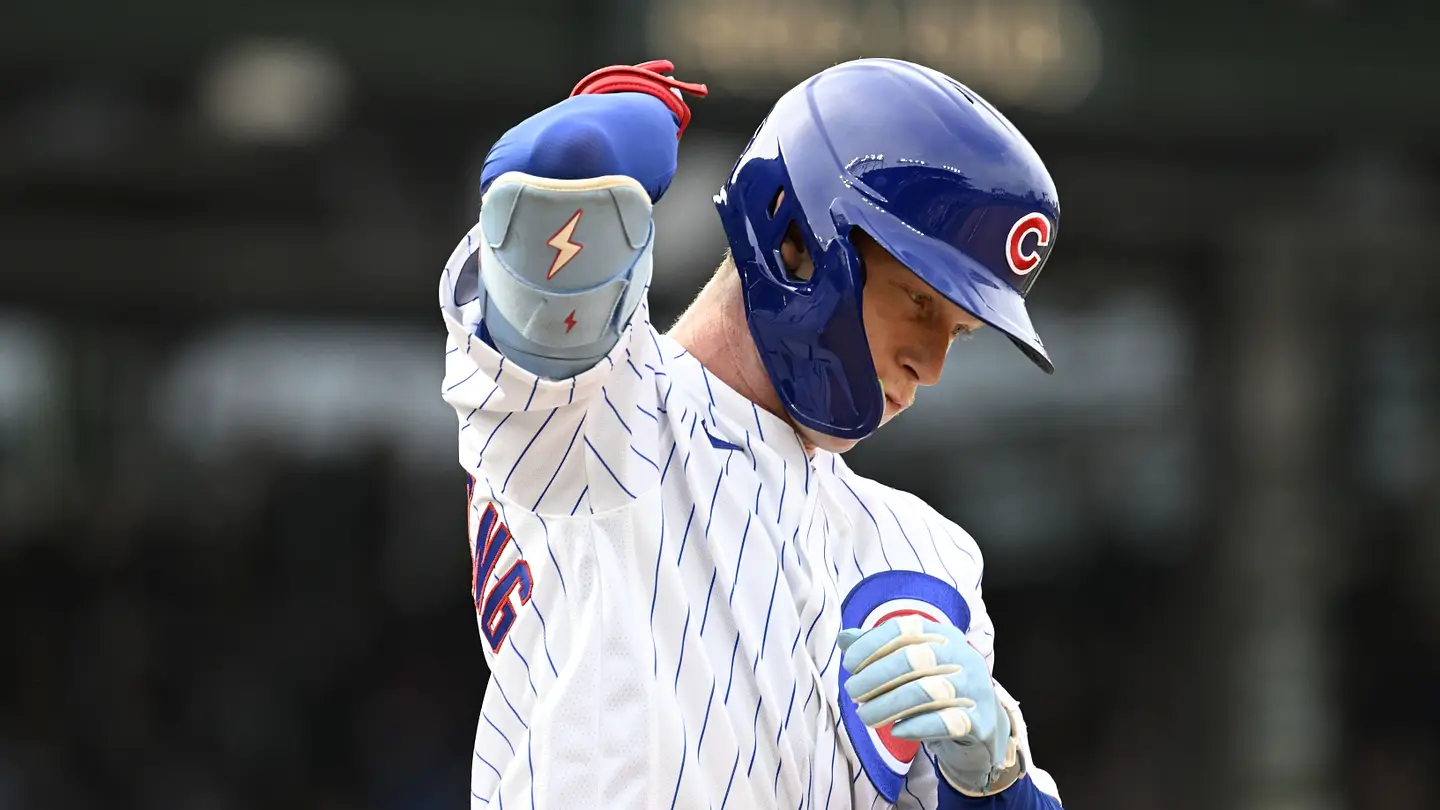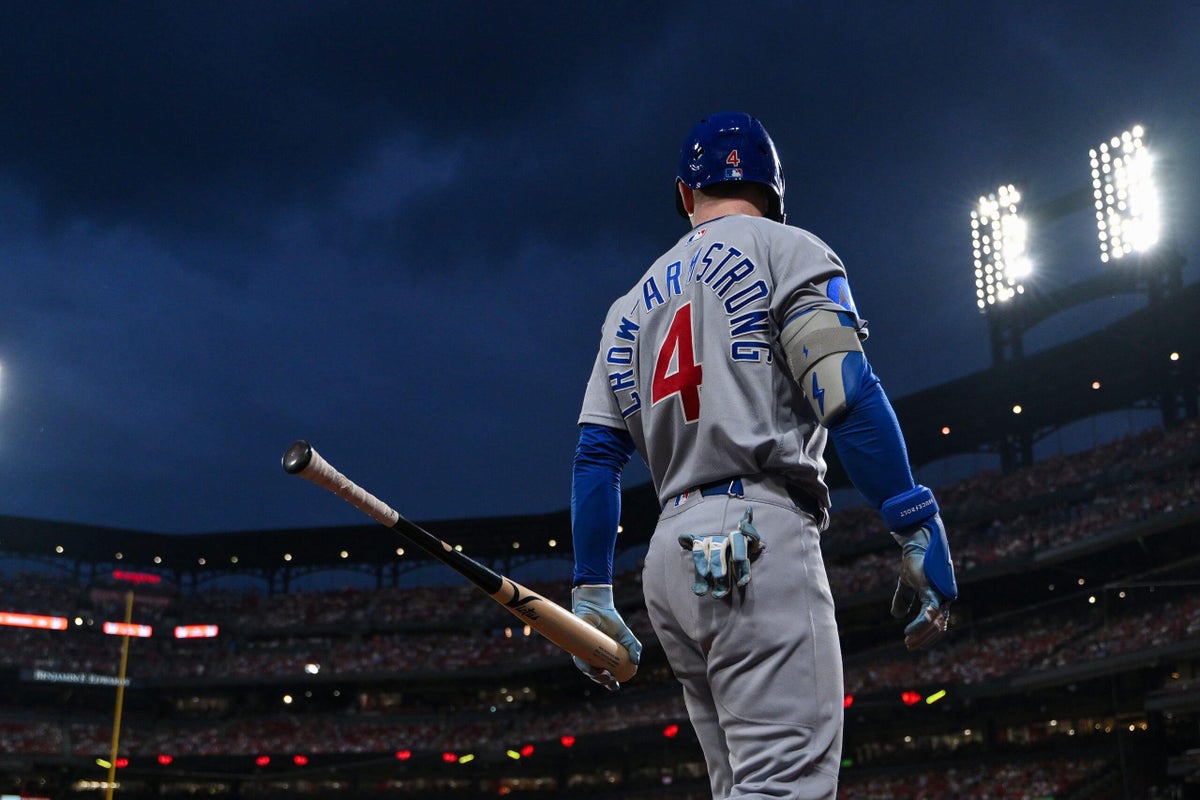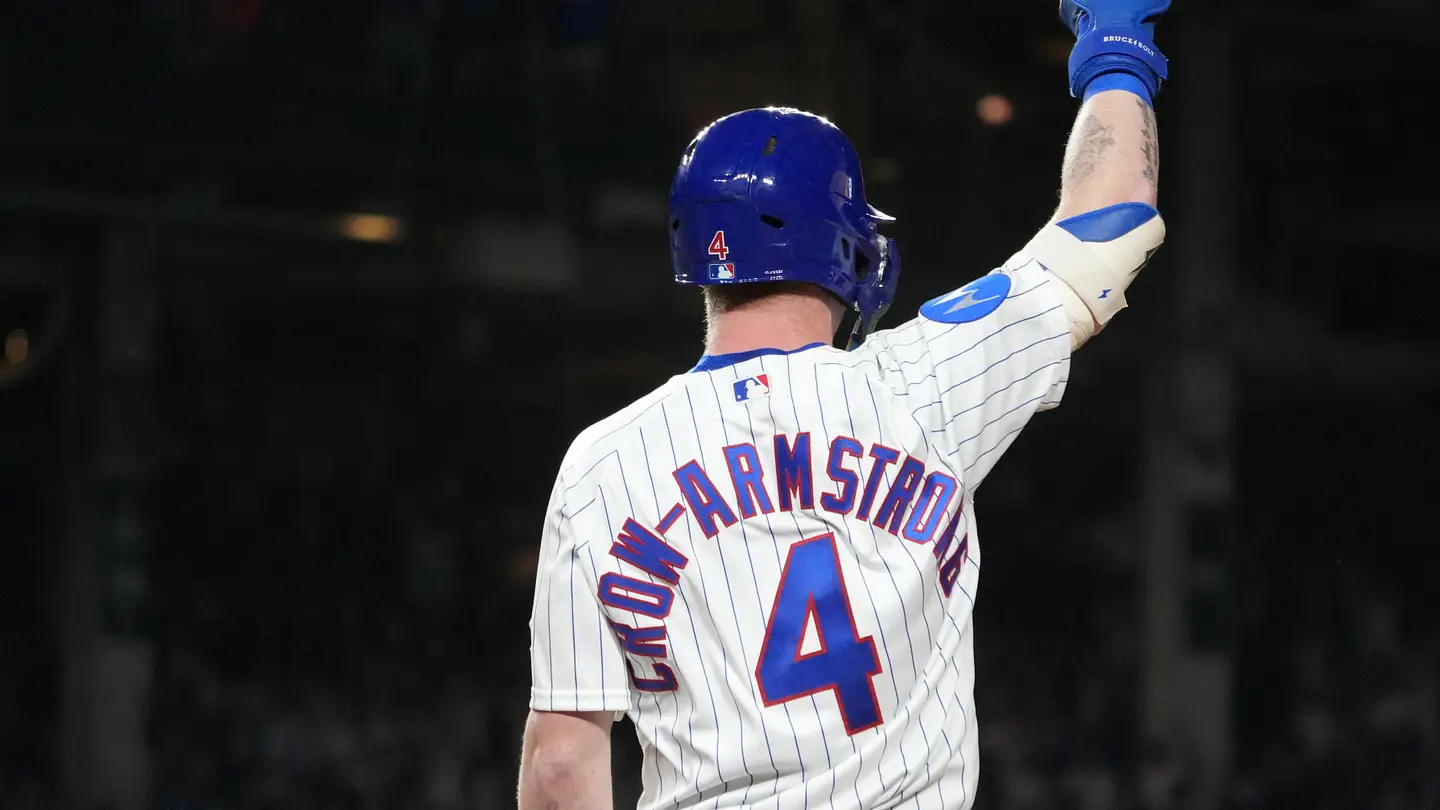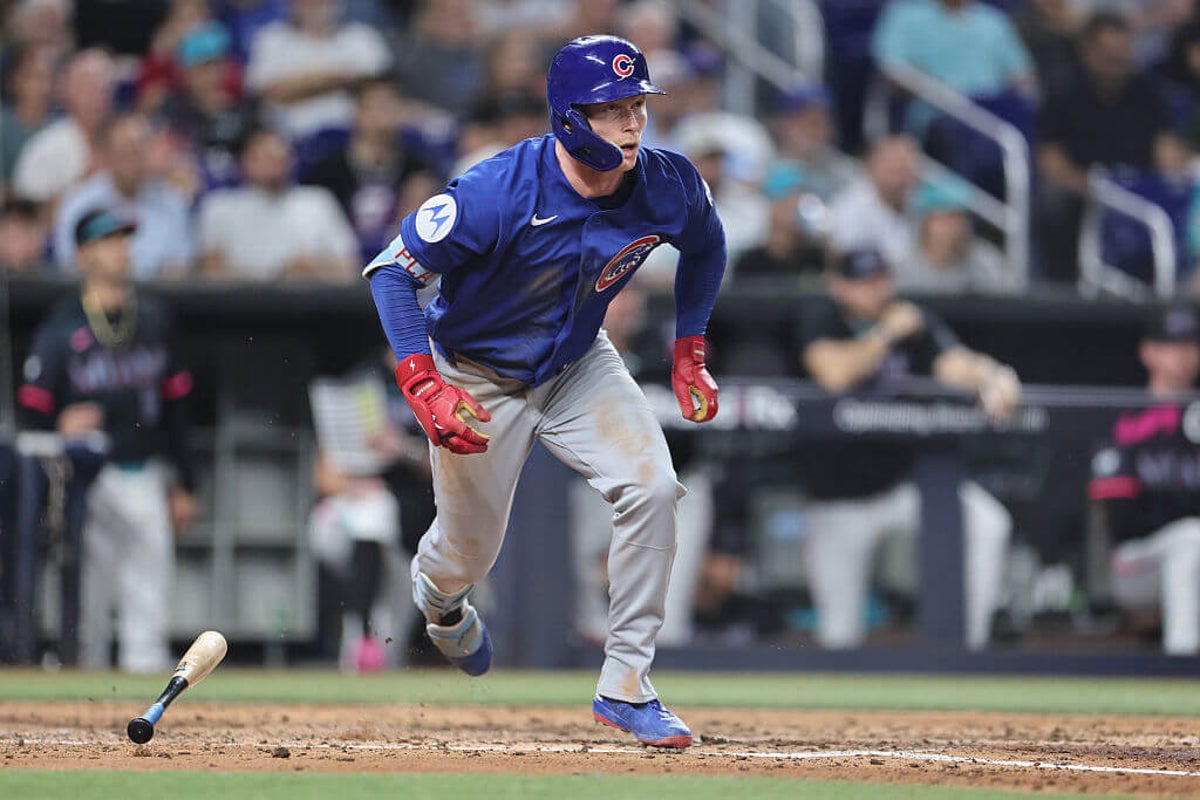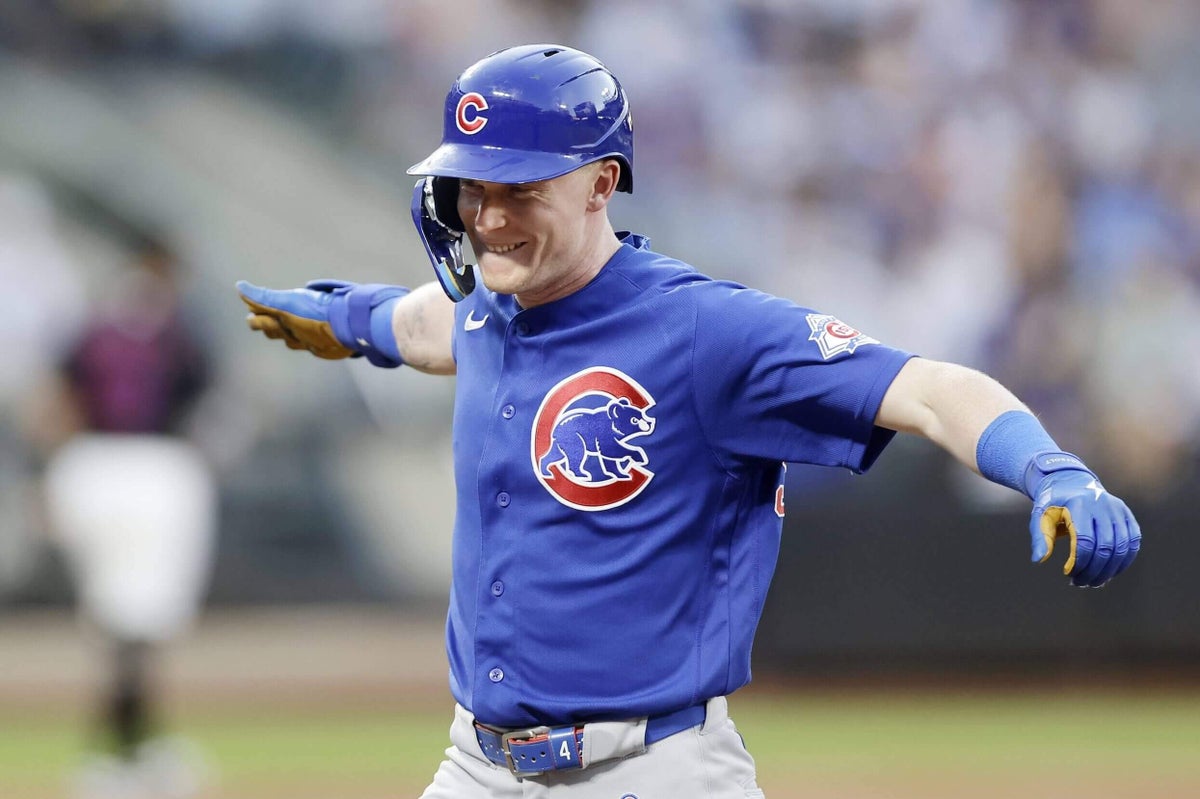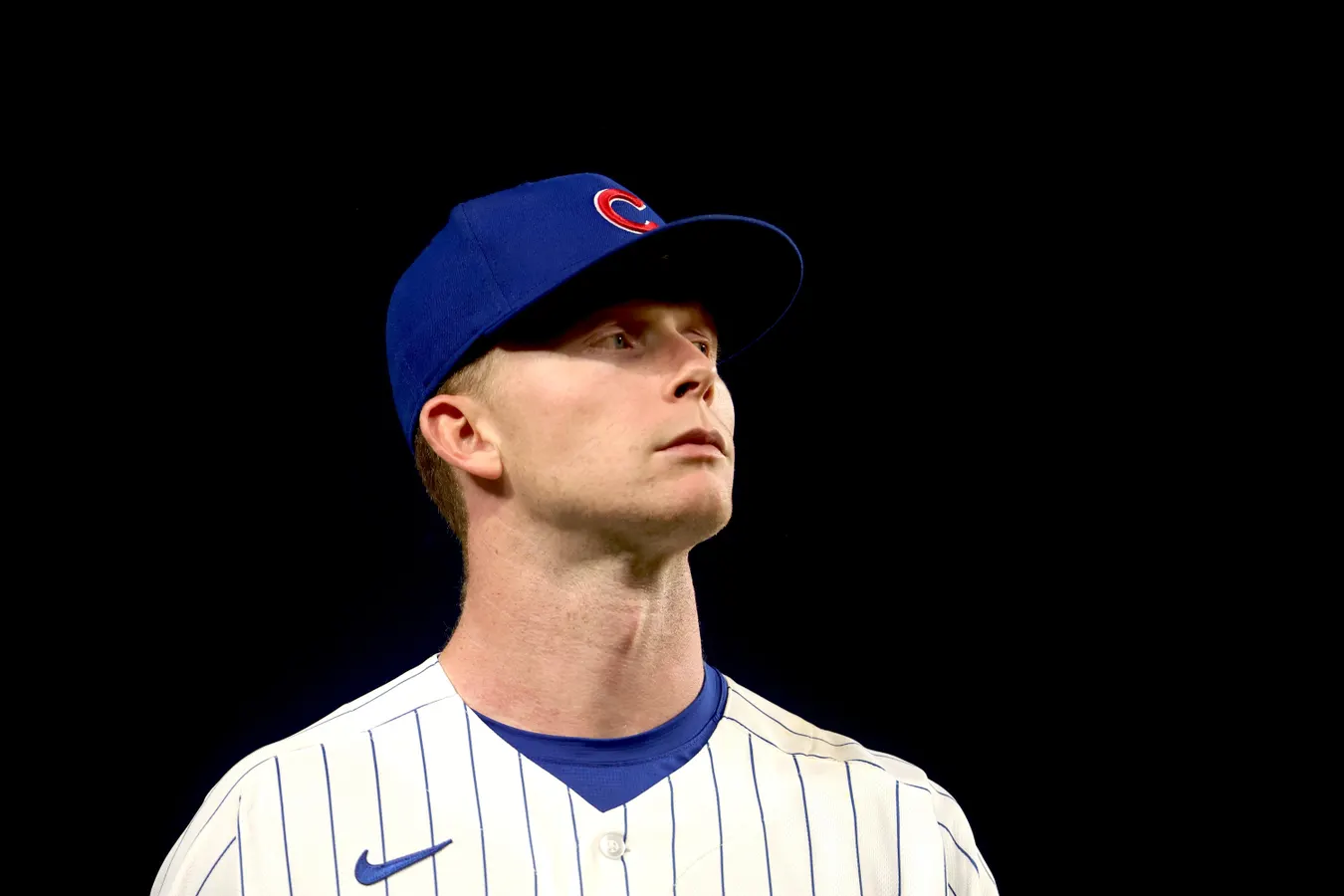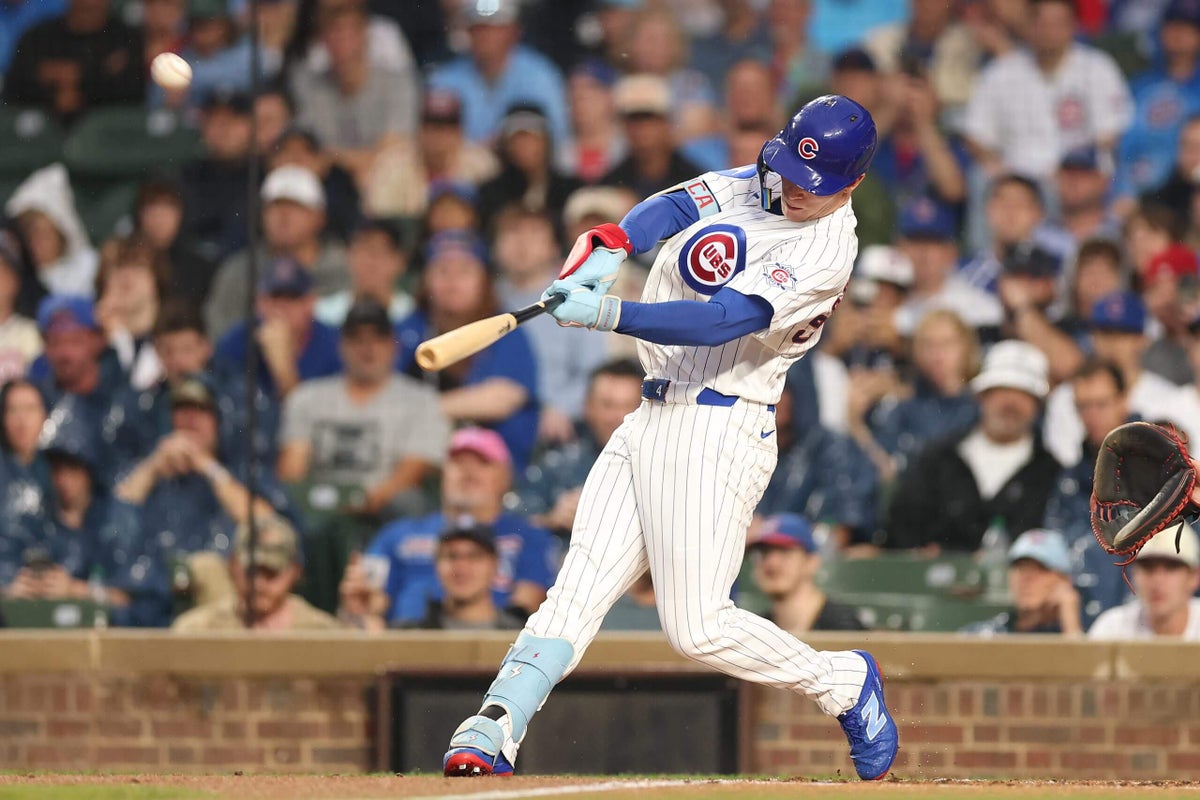
As Chicago Cubs officials and Pete Crow-Armstrong’s CAA representatives engaged in off-and-on discussions about a potential contract extension, each side used different comparisons and pressure points. Mutual respect and understanding of what makes Crow-Armstrong tick eventually led to a six-year, $115 million agreement before Opening Day.Ivy, the organization’s information-sharing platform, did not project Crow-Armstrong to have a 2026 season that would rival career years from Hall of Famers Ernie Banks and Ron Santo. A front office that strives to take emotions out of the equation could not have foreseen an overwhelming MVP-level performance that might also link Crow-Armstrong to Rogers Hornsby, Ryne Sandberg and Sammy Sosa in franchise history.“It’s pretty amazing,” Cubs president of baseball operations Jed Hoyer said Tuesday at Wrigley Field. “If you go to fWAR right now, he’s not that far from double the next National League position player.”The Cubs have needed off-the-charts contributions from Crow-Armstrong to overcome waves of pitching injuries, the inevitable offensive lulls and a faulty bullpen.Maintaining a 90-win pace, however, hasn’t closed the gap in the NL Central, where the Milwaukee Brewers hold an eight-game lead after their 9-4 victory over the Cubs on Tuesday night at the Friendly Confines.Hoyer’s tenure as the club’s top baseball executive, which began when the longtime general manager replaced Theo Epstein after the 2020 season, might well be defined by the big-picture decisions around Crow-Armstrong and whether the Cubs can capitalize in October, when they may have the best player on the field, on both sides of the ball, every night.What has changed for Pete Crow-Armstrong in 2026?Derek VanRiper and Patrick MooneyBreaking up the core of the 2016 World Series team at the 2021 trade deadline, Hoyer’s group moved Javier Báez to the New York Mets for Crow-Armstrong, who was then an A-ball prospect recovering from shoulder surgery.Signing Crow-Armstrong, 24, to a long-term deal before the Gold Glove center fielder broke through as a superstar opened up more possibilities for Hoyer’s roster, keeping a franchise player anchored in Wrigleyville through 2032 without the year-to-year contract distractions.“With Pete, the floor was — and is — so high with the defense and the base running that obviously our projections on him were really good,” Hoyer said. “But if you put yourself back in spring training, he’d had a rough start to ’25, and then an incredible May-to-the-All-Star-break run where he played great.
How Pete Crow-Armstrong, on long-term Cubs deal, is exceeding Jed Hoyer’s expectations
Crow-Armstrong has already generated 38 home runs, 91 RBIs, 100 runs scored and a .943 OPS at a premium defensive position.
1,066 words~5 min read