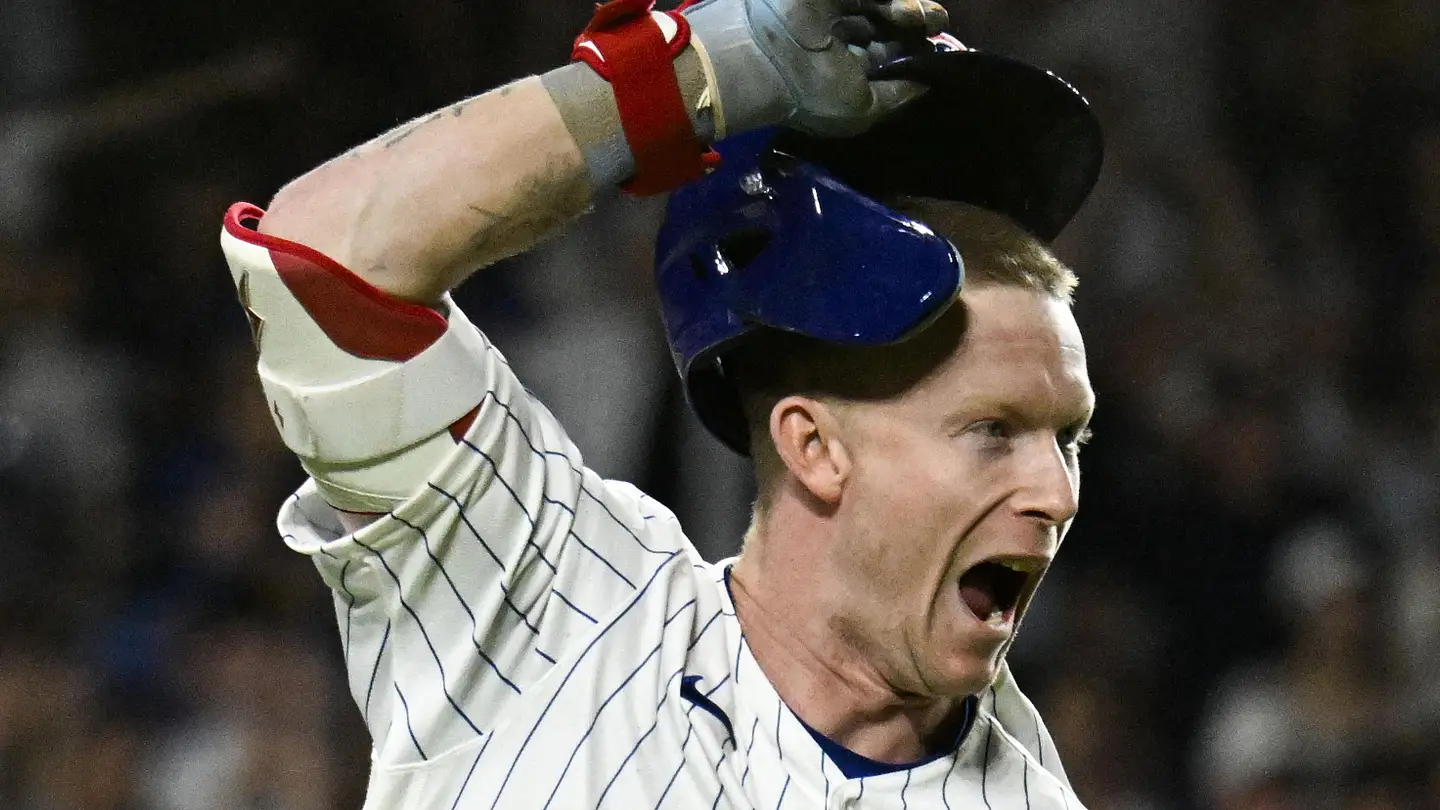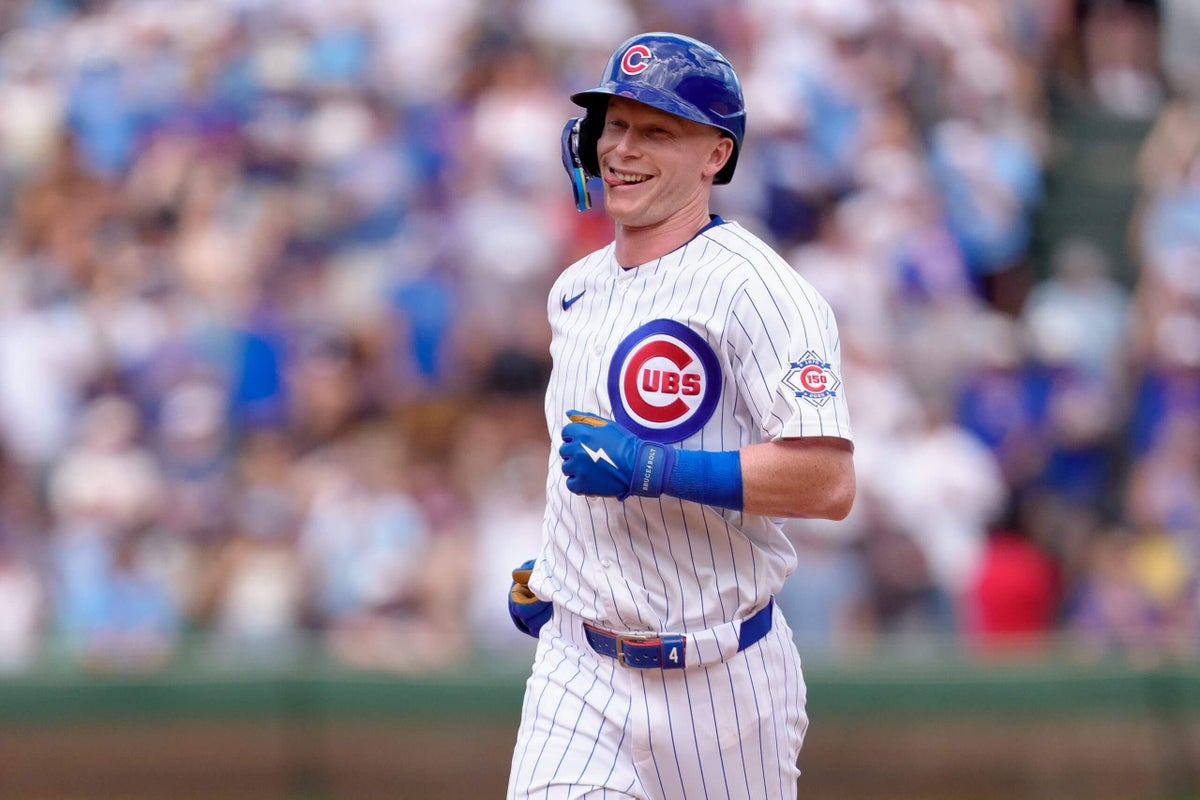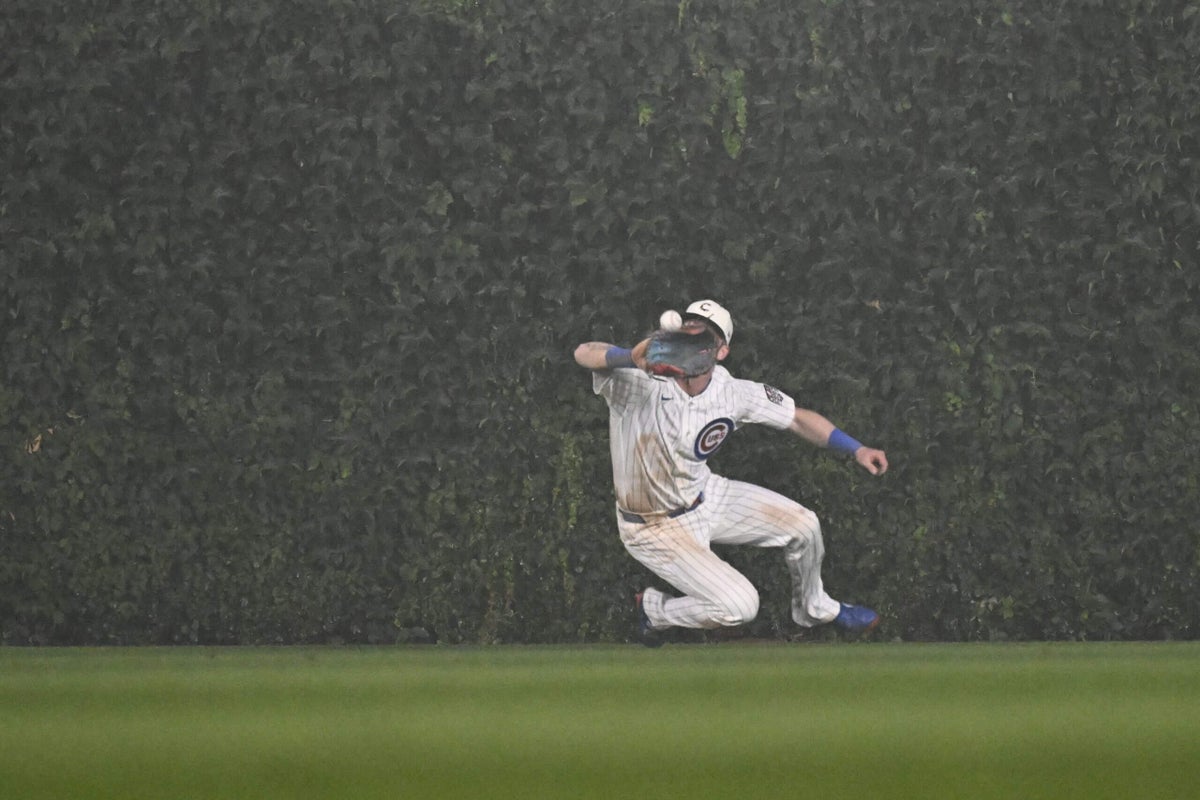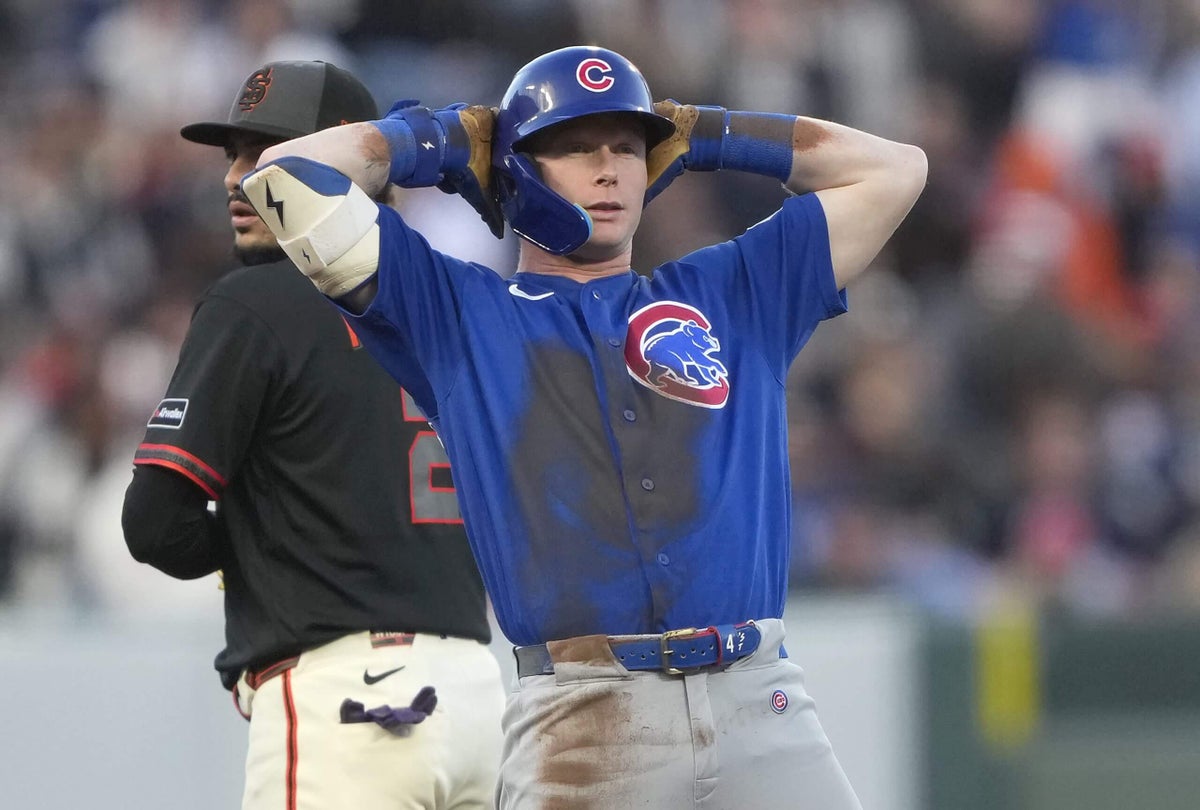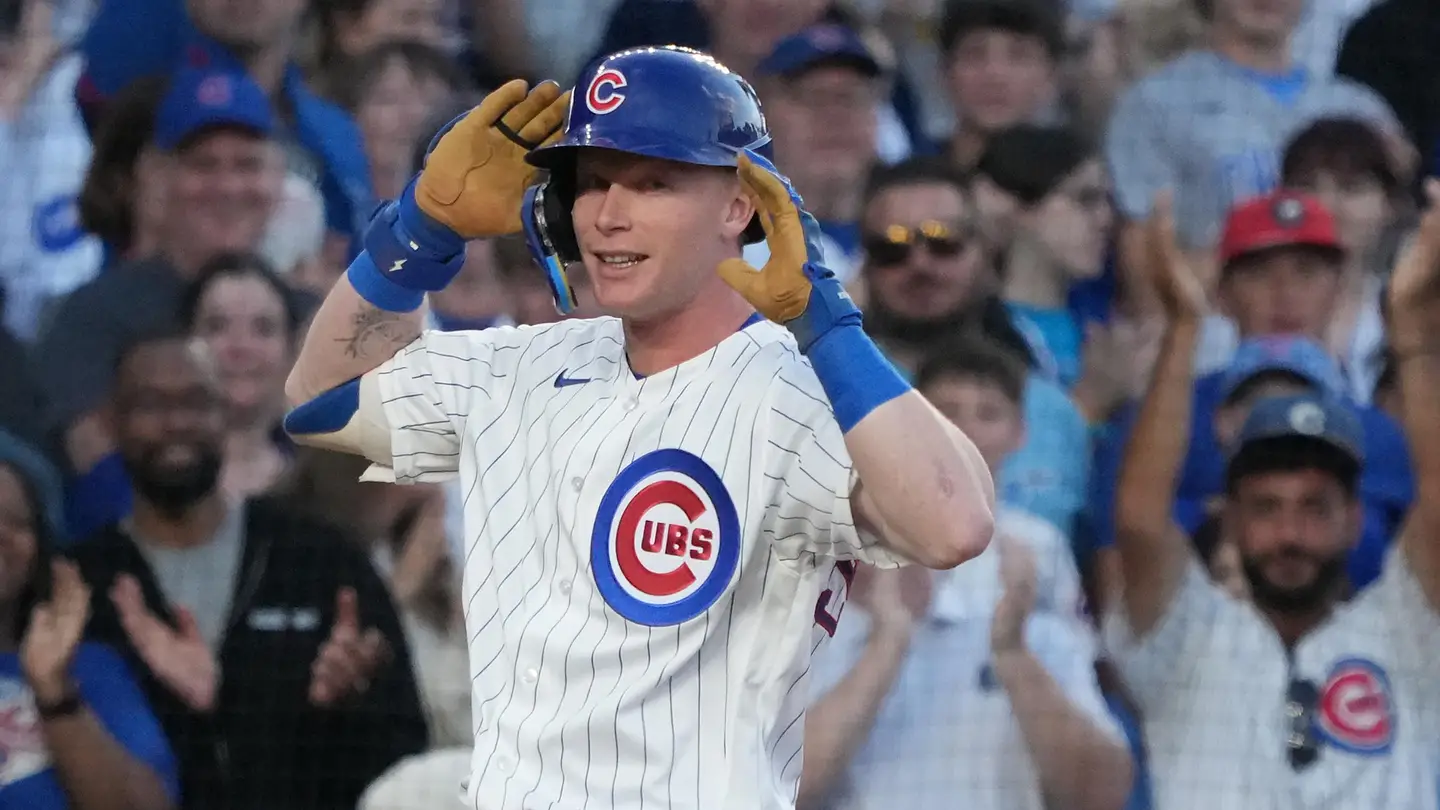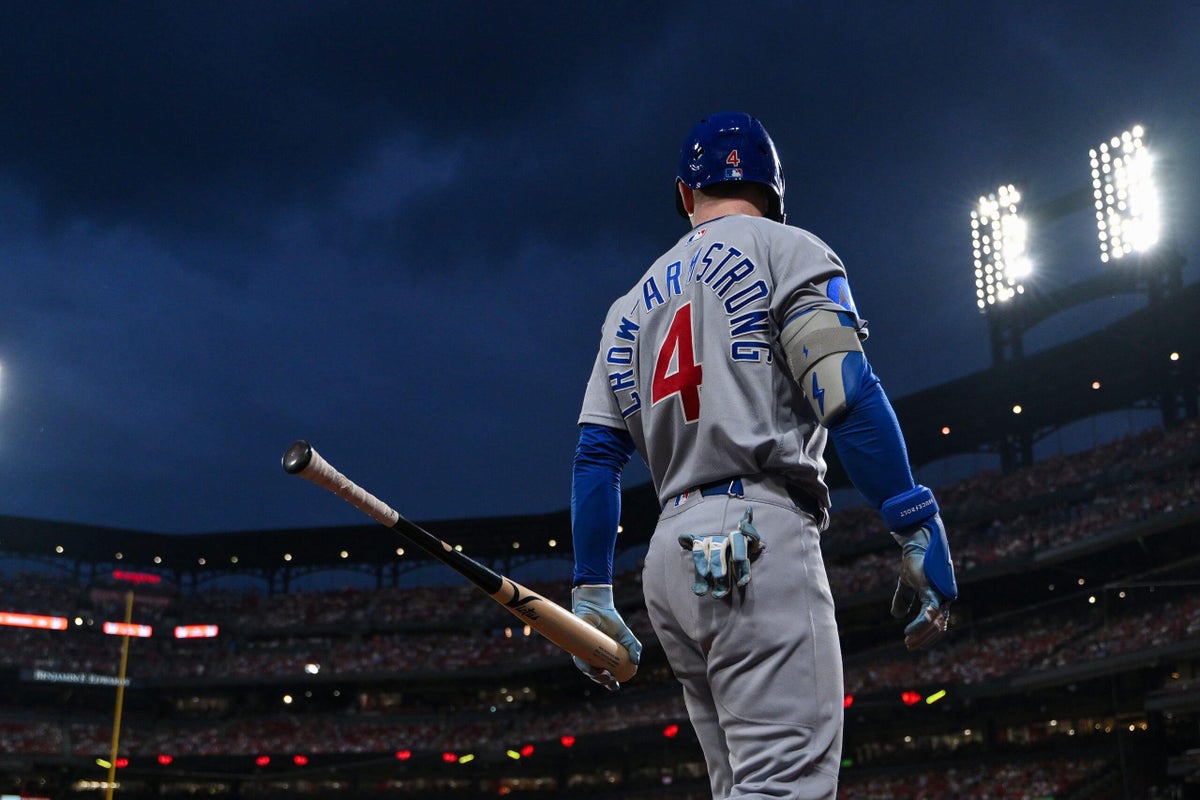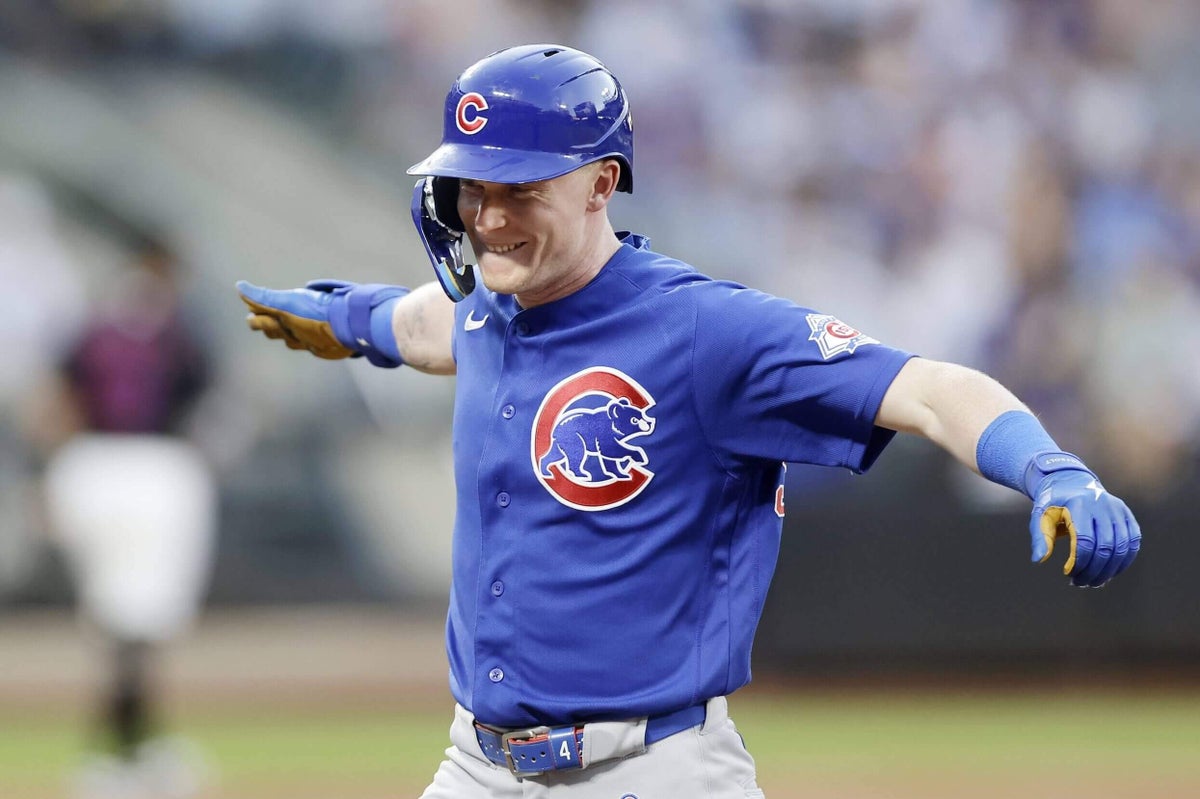
Pete Crow-Armstrong is becoming a player beyond the Chicago Cubs’ wildest dreams. By the various WAR rating systems, he narrowly trails only Shohei Ohtani at the All-Star break. His June production matched the monthly output of just two other players in major-league history: Babe Ruth and Lou Gehrig.Three players in the Cubs’ 150-year history have posted multiple seasons with 20 home runs and 20 stolen bases: Ryne Sandberg, Sammy Sosa and Crow-Armstrong. As MLB Network pointed out, the first 385 games of Crow-Armstrong’s career look nearly identical to Barry Bonds’ resume at that point.Multiple forces drove Crow-Armstrong toward Tuesday’s All-Star Game in Philadelphia, where the Gold Glove center fielder will be a reserve at Citizens Bank Park after falling short in fan voting for the showcase event.In the background, MLB officials and Major League Baseball Players Association leadership have begun negotiations around the league’s next collective bargaining agreement. With the threat of an owners’ lockout looming, MLB has proposed drastic changes to the amateur draft system, which could affect the generation of players trying to be the next “PCA.”Making sense of MLBPA's proposed rule changesKeith LawIn MLB’s suggested framework, a prospect would not be eligible for the domestic draft directly out of high school, and each pick would be tied to a fixed amount of money for the signing bonus. Those entry requirements became a jumping-off point for a conversation with The Athletic that gave more context to Crow-Armstrong’s MVP-level rise.Crow-Armstrong graduated from Harvard-Westlake, a prominent Los Angeles high school that has produced Hollywood entertainers, California politicians and professional athletes. Leading up to the 2020 draft, he had made what the New York Mets viewed as a soft college commitment to Vanderbilt.If not for the COVID-19 pandemic cutting short his senior season and disrupting the industry’s draft preparations, Crow-Armstrong likely would not have fallen to the Mets at No. 19.Crow-Armstrong: We were realistic in understanding what I was capable of. We were confident that if the money wasn’t right, then we were going to go to school, and I was going to do three years at Vanderbilt, and probably develop there as well. My mind was set on playing professionally.‘I’m just glad I got thrown into the fire’Crow-Armstrong agreed to a $3.359 million deal, the slot value of New York’s first-round pick, at the age of 18. Under MLB’s proposed changes, beginning with the 2028 domestic draft, players in that class would have to be at least 20 years old by Sept. 1 of their draft year, and at least two years removed from high school.Crow-Armstrong grew up in a high-achieving, academically rigorous environment, but baseball was clearly his passion. He benefited from the structure and demands of professional baseball. It’s fair to wonder whether he would have developed this quickly if he had spent three years on a college campus instead of turning pro at 18.
A conversation with Pete Crow-Armstrong as Cubs All-Star puts together MVP-level season
"With anything, your support system matters. How you get to where you're at really matters," Crow-Armstrong said.
1,449 words~7 min read