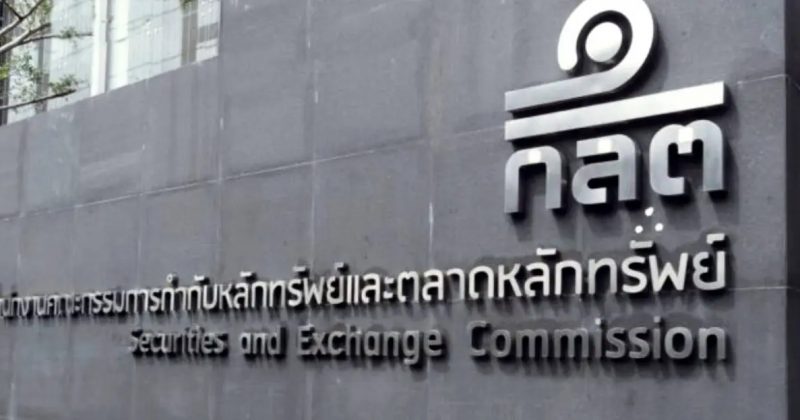
Thailand’s Securities and Exchange Commission has issued new Travel Rule regulations for digital assets, requiring digital asset operators to share transaction information and conduct enhanced checks on counterparties and self-hosted wallets to strengthen anti-money-laundering controls.
SEC Secretary-General Pornanong Budsaratragoon said the rules are aimed at preventing crypto businesses from becoming channels for money laundering and technology-related crime, while reducing risks related to terrorist financing.
The SEC said the framework brings Thailand’s digital asset oversight in line with FATF international standards and should boost confidence in the country’s crypto ecosystem while facilitating long-term connections with international markets.
Under the framework, DA operators must establish policies and procedures to manage risks associated with digital asset transfers. They will be required to collect information on customers and counterparties, conduct due diligence on receiving and sending service providers, and verify the qualifications of counterpart VASPs and any intermediaries involved in the transfer route.
Operators must also verify ownership or control of self-hosted wallets when digital assets are sent to or received from those wallets. For transfers between regulated operators, the originating DA operator must send information identifying the transaction’s originator and beneficiary to the receiving operator along with the transfer order.