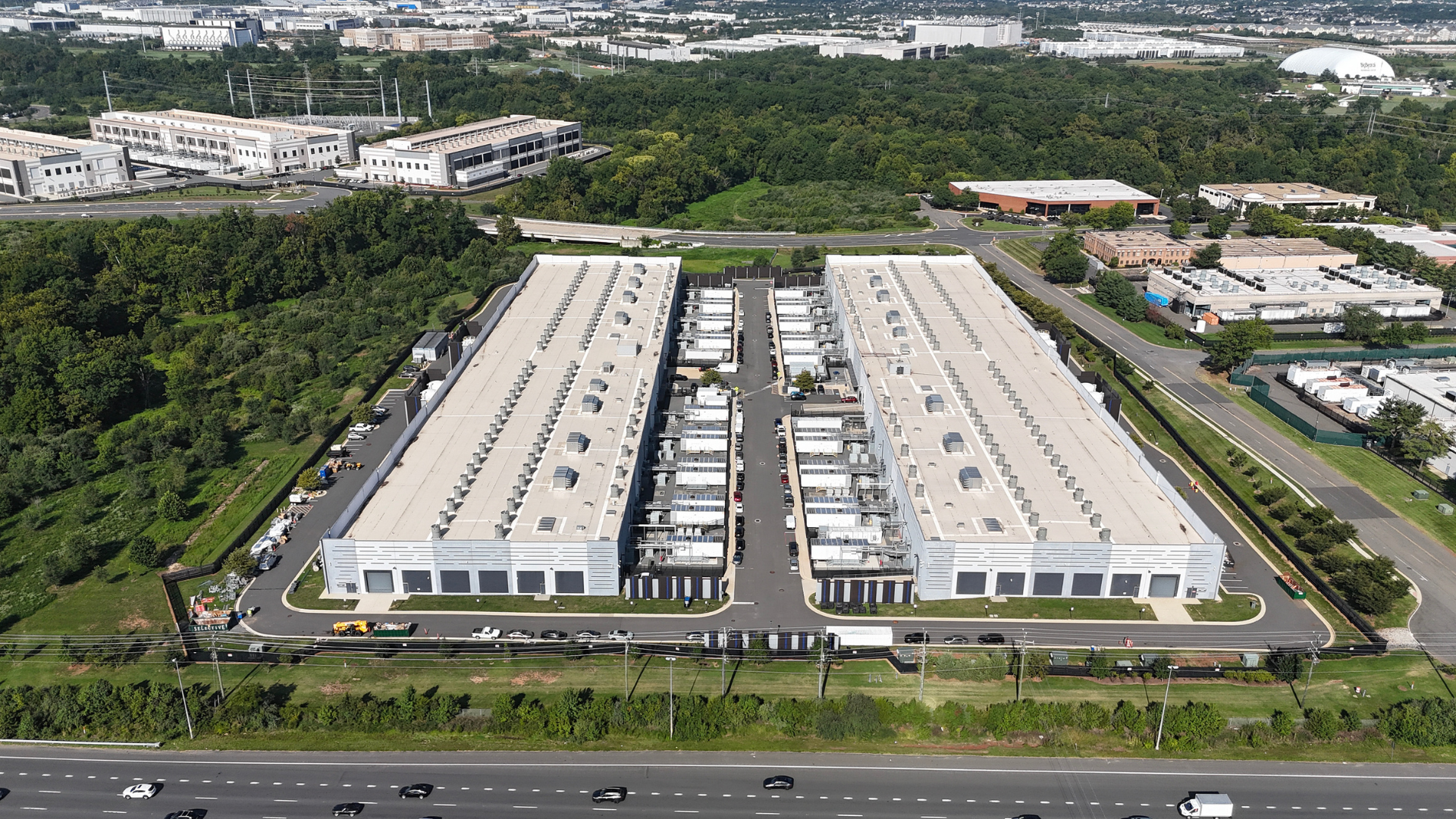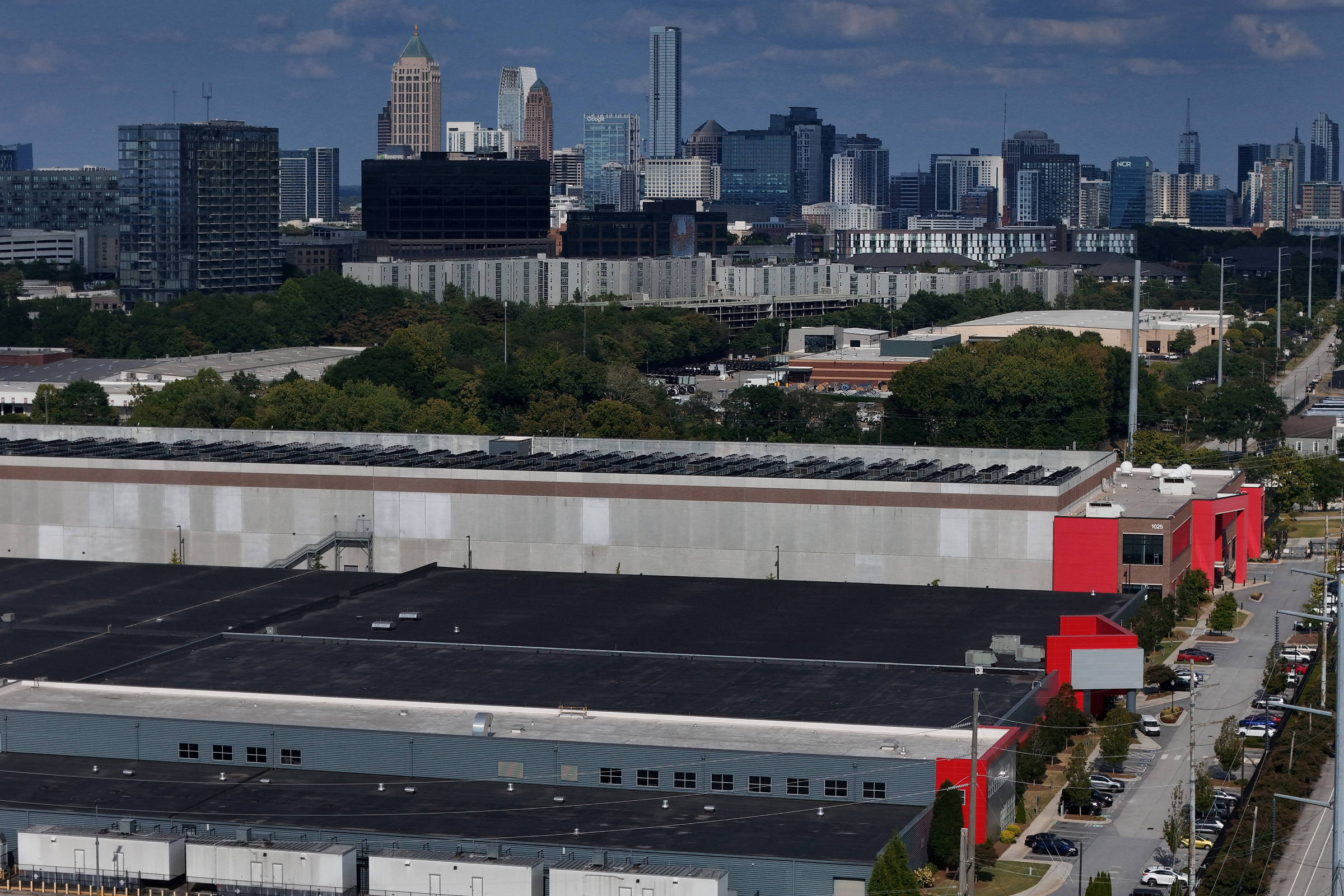
Building the world’s AI infrastructure will cost $31.6 trillion between now and 2050, according to modelling commissioned by PwC from Oxford Economics across 46 countries. Annual capital expenditure is projected to rise from $800bn this year to $1.8tn by 2050.
The United States accounts for $15.1tn of that spending, or 48%; next in line is Asia Pacific with $8.2tn, led by China and India, while Europe and the Middle East make up the remainder.
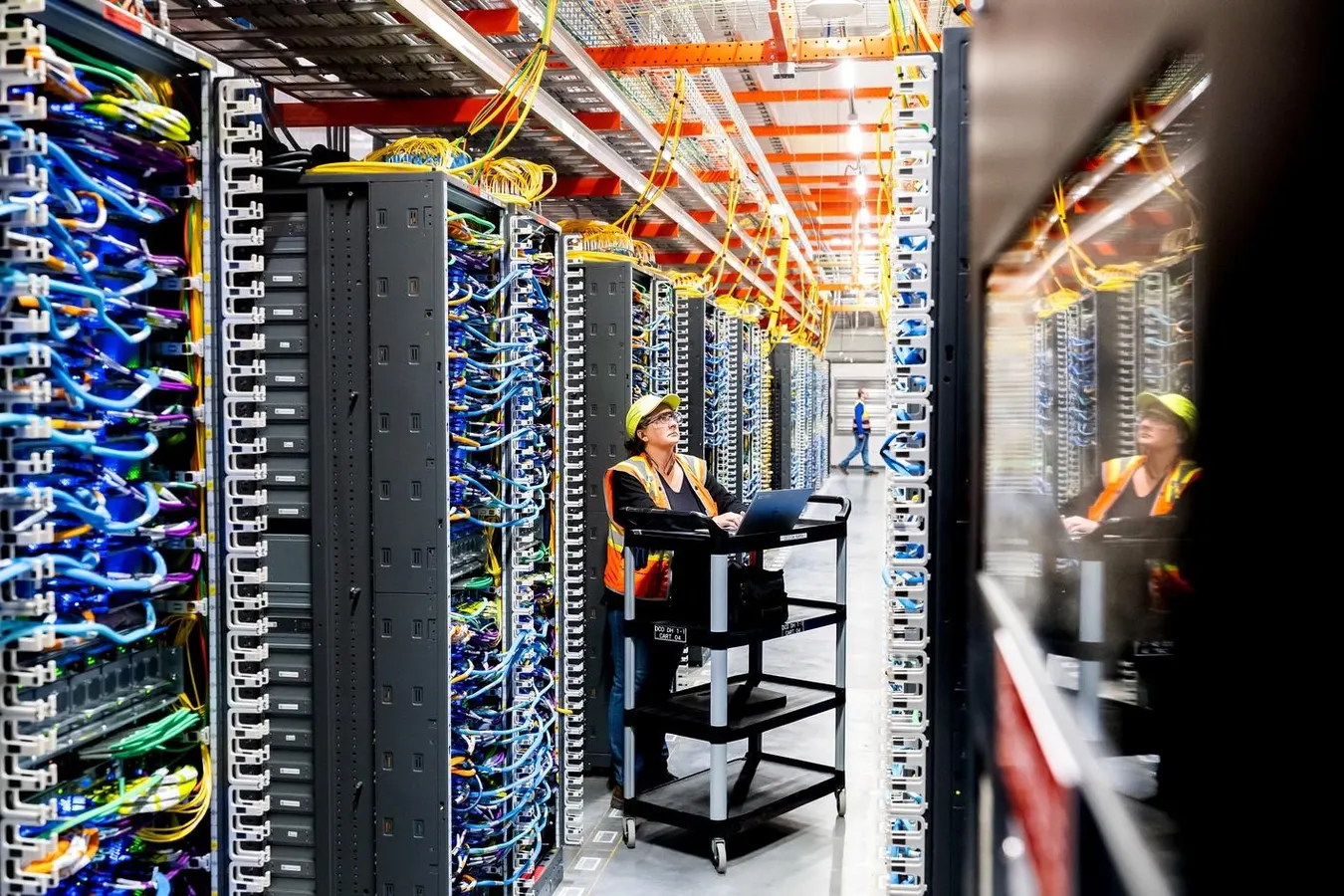
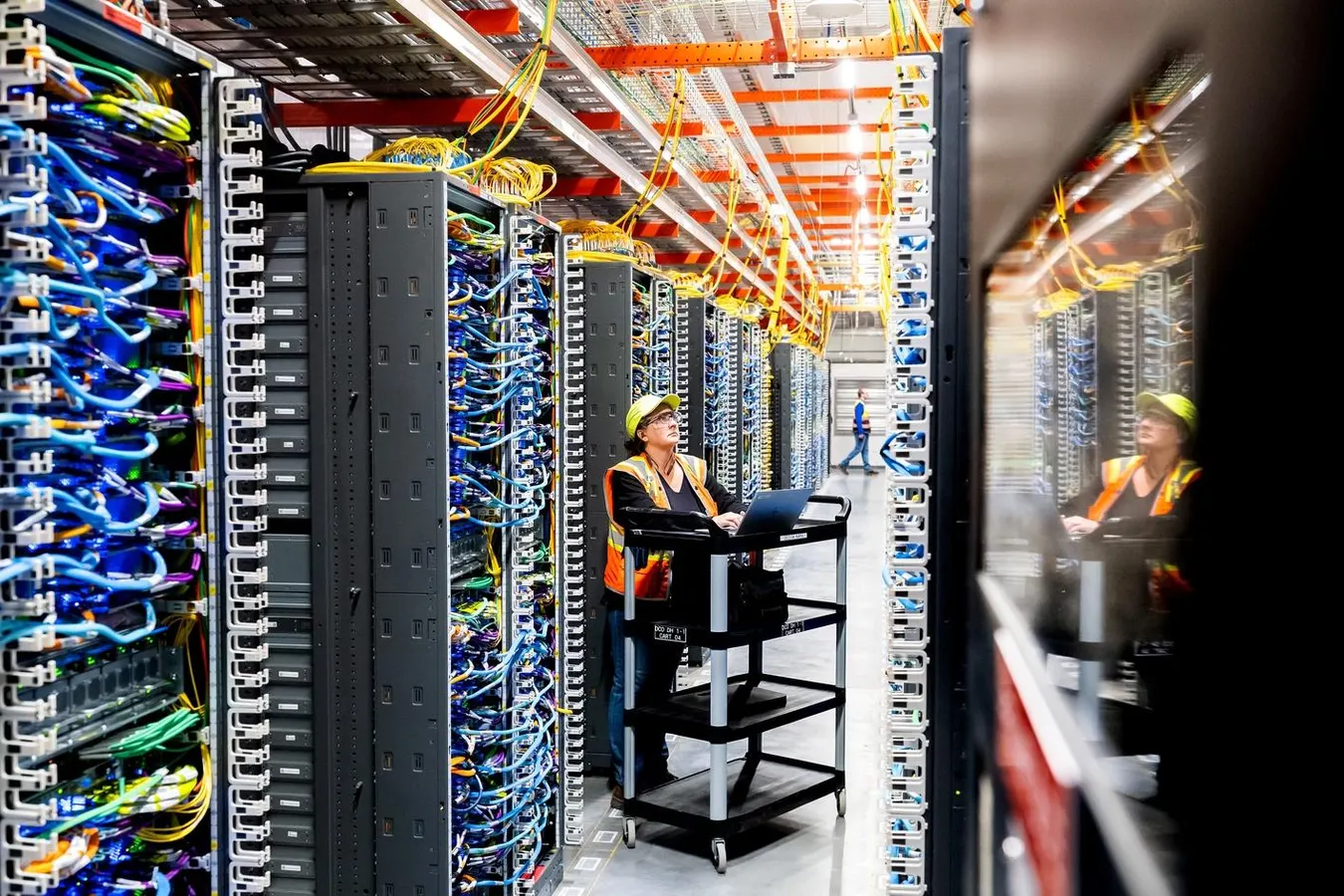
The more interesting figure is not the total. Equipment currently represents about 70% of data centre capital expenditure, rising to 93% by 2050. That changes what a data centre actually looks like as an asset.
A building can depreciate over decades, while a rack of AI accelerators can become obsolete within a few years. A business whose costs are 93% equipment starts to look much less like a property business, whatever its balance sheet says.
“AI infrastructure is becoming one of the defining capital allocation challenges of the next generation,” said Clara Cutajar, PwC Australia’s global infrastructure leader. The firm describes data centres as hybrid assets, which is a polite way of acknowledging that they do not fit neatly into traditional categories.