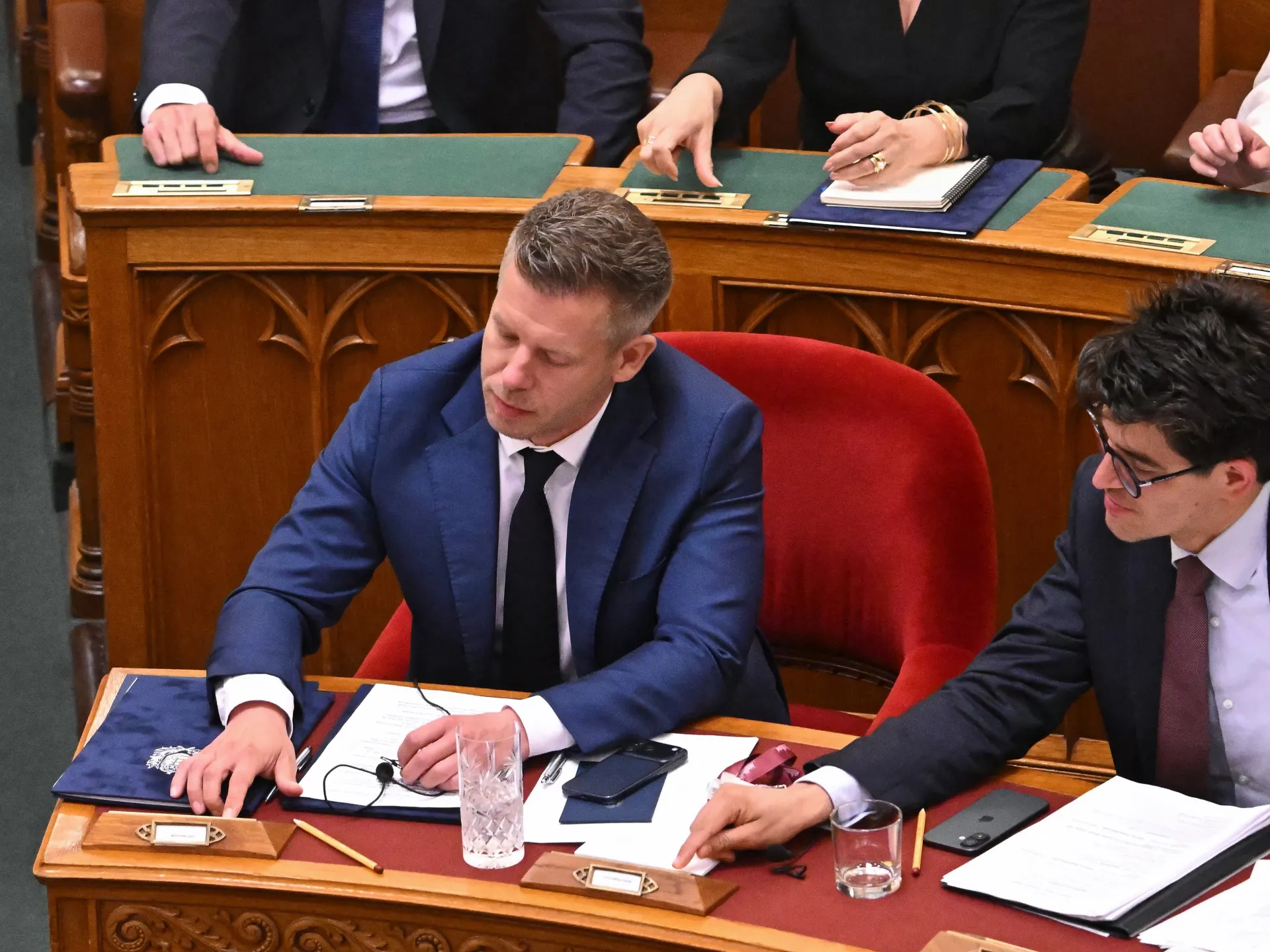
On April 12, the Hungarian people put an end to Viktor Orban’s 16 years in power and rejected widespread corruption, the erosion of democracy, and Hungary’s drift away from its Western allies. After 100 days in office, Hungary’s new government, led by Prime Minister Peter Magyar, has already demonstrated a simple but often overlooked truth: corruption carries an economic cost. Restoring the rule of law is not an abstract constitutional exercise. It can produce immediate and tangible economic benefits.By the end of April, Hungary’s previous government had accumulated a central-government deficit amounting to 91% of the 2026 target. During the three months that followed, the new government recorded a surplus of HUF 991.9 billion, or approximately $3.16 billion. This turnaround was achieved without austerity measures or major structural reforms, but through tighter control of public spending, discontinuation of overpriced public contracts, and measures to reduce corruption and politically motivated outlays.
Stay informed.Stay ahead.
Join Washington Examiner for unlimited access to the news, analysis, and commentary that matter most.
Trusted reporting.Unlimited access.
and subscriber-only journalism.