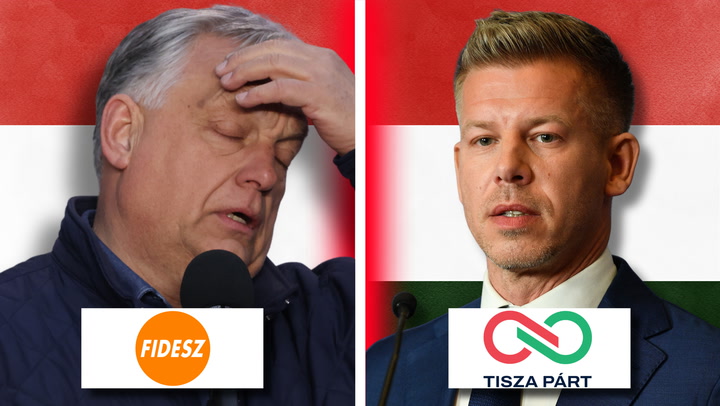
On the night of 12 April, Hungary's long-serving far-right prime minister, Viktor Orbán, phoned his challenger, Péter Magyar, for around a minute to congratulate him on the centre-right Tisza Party's election victory and concede defeat.
The moment also signalled a swift end to the political, legal and economic system Orbán had spent 16 years building to keep his Fidesz party in office.
Magyar's landslide win secured a two-thirds parliamentary majority — the threshold required under Hungarian law to amend the constitution and pass so-called "cardinal laws" governing key state institutions.
As with Orbán before him, this supermajority effectively handed Magyar the power to rewrite the constitution and overhaul substantial legislation largely unopposed.
Magyar, who had campaigned not merely for a change of government but a change of system, lost no time in calling for the resignation of the country's president, Tamás Sulyok, as well as other senior officials.