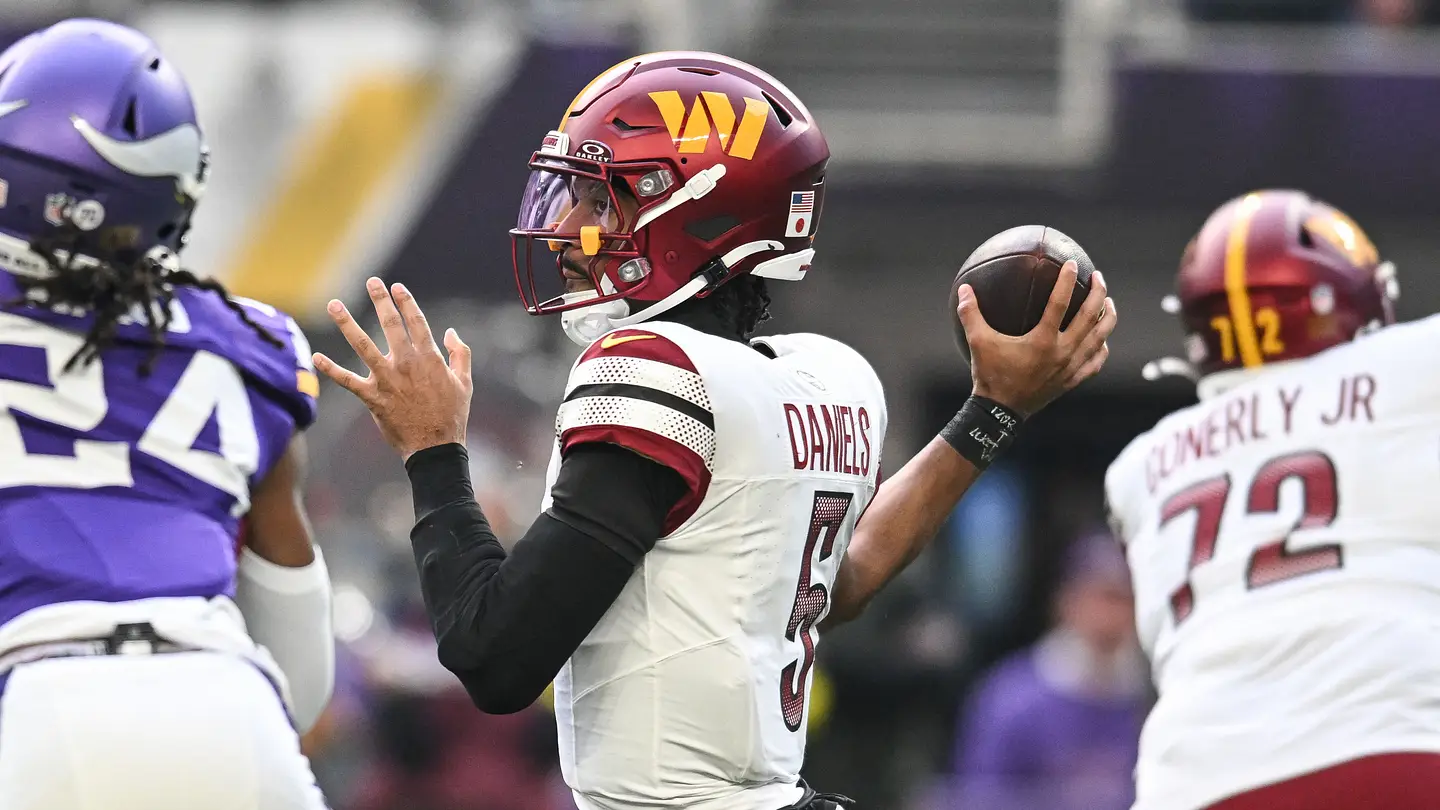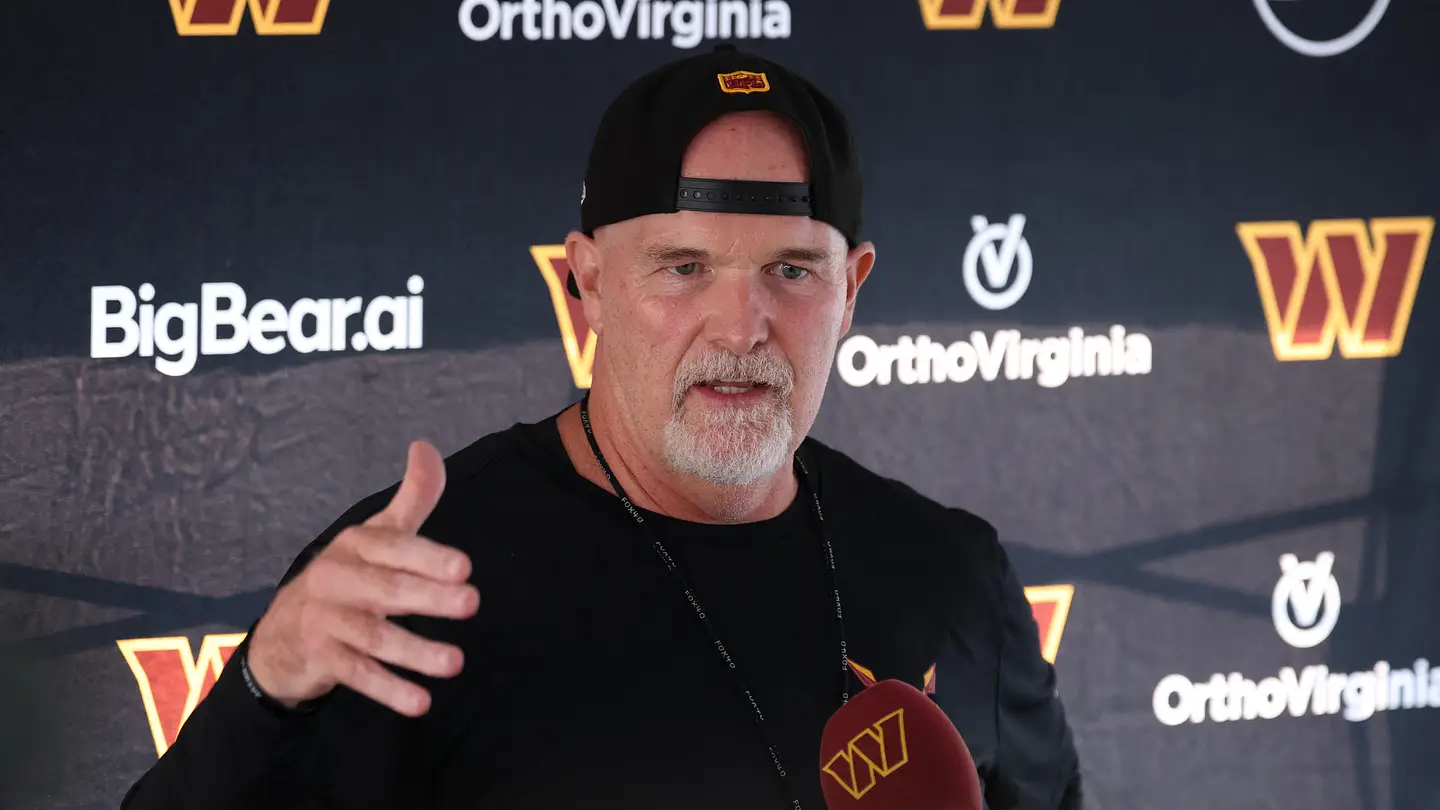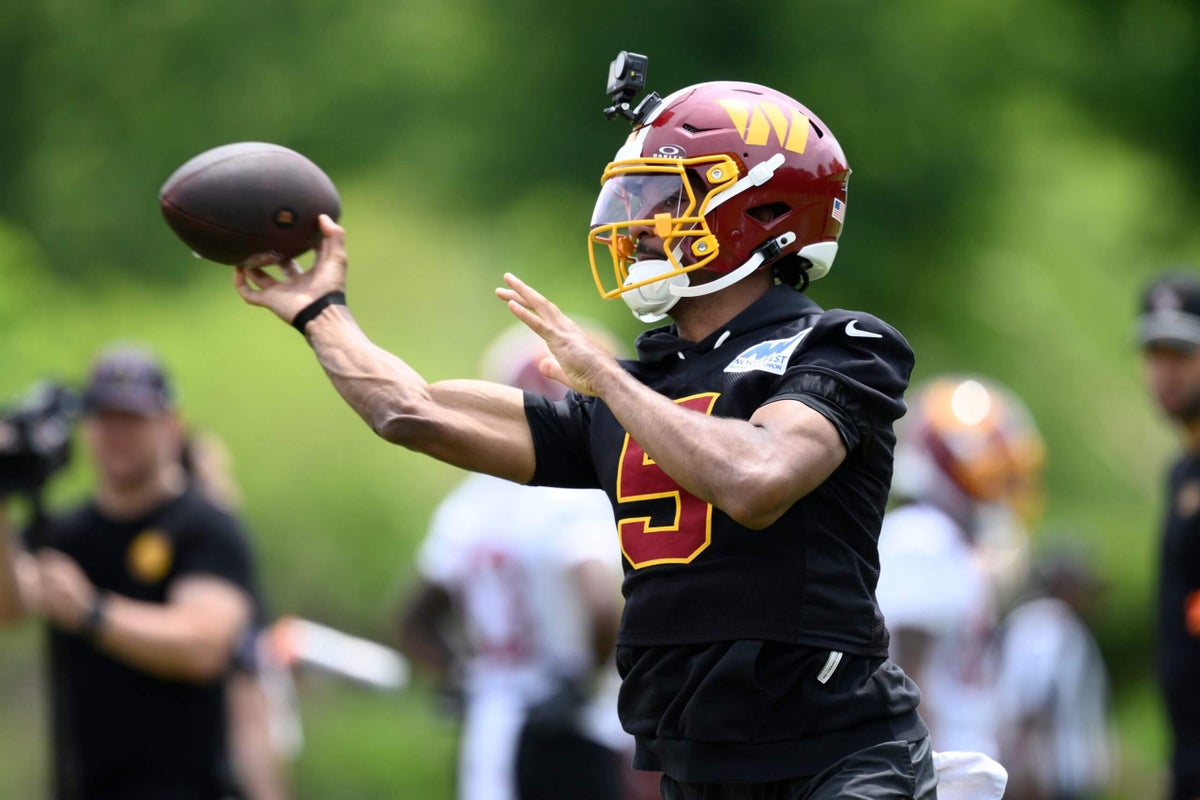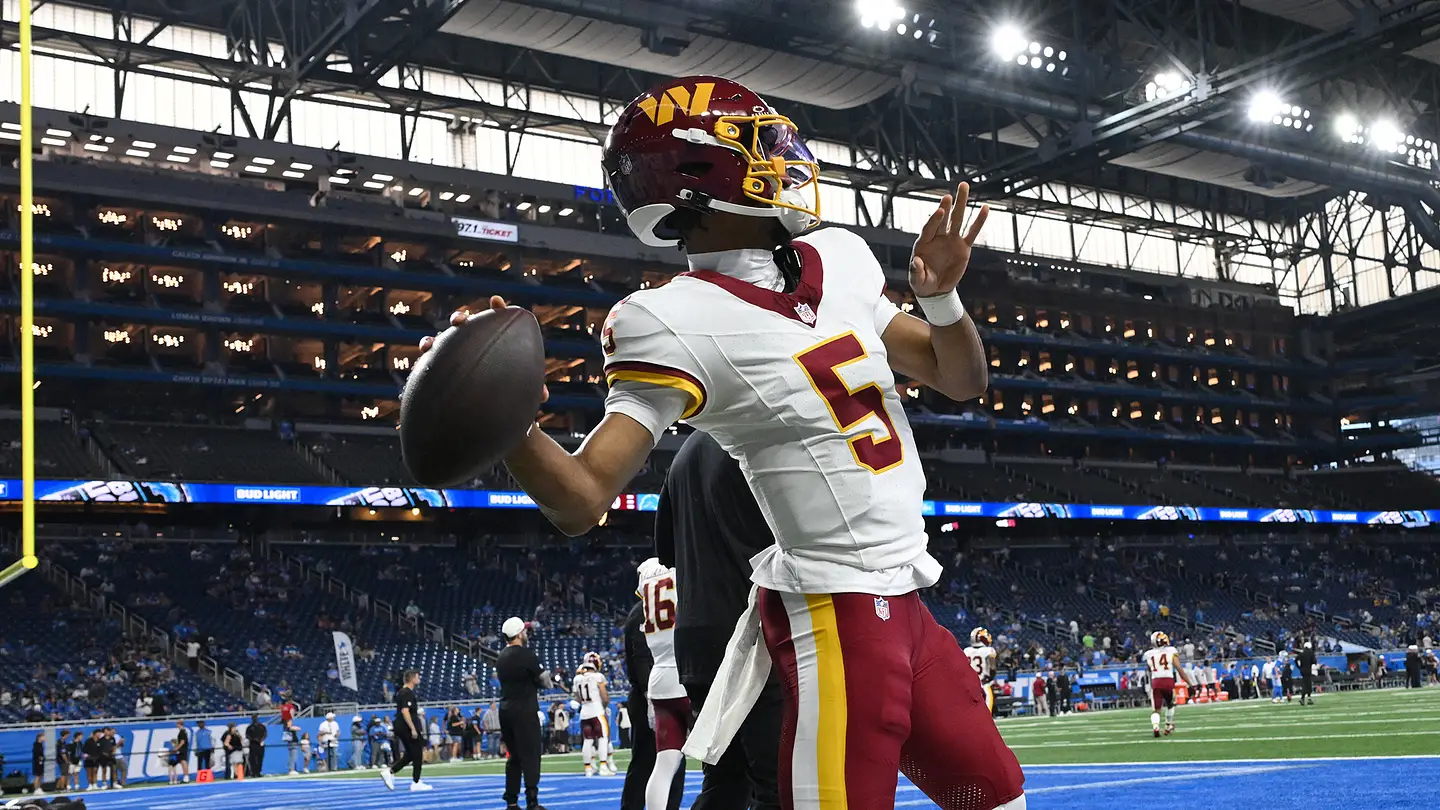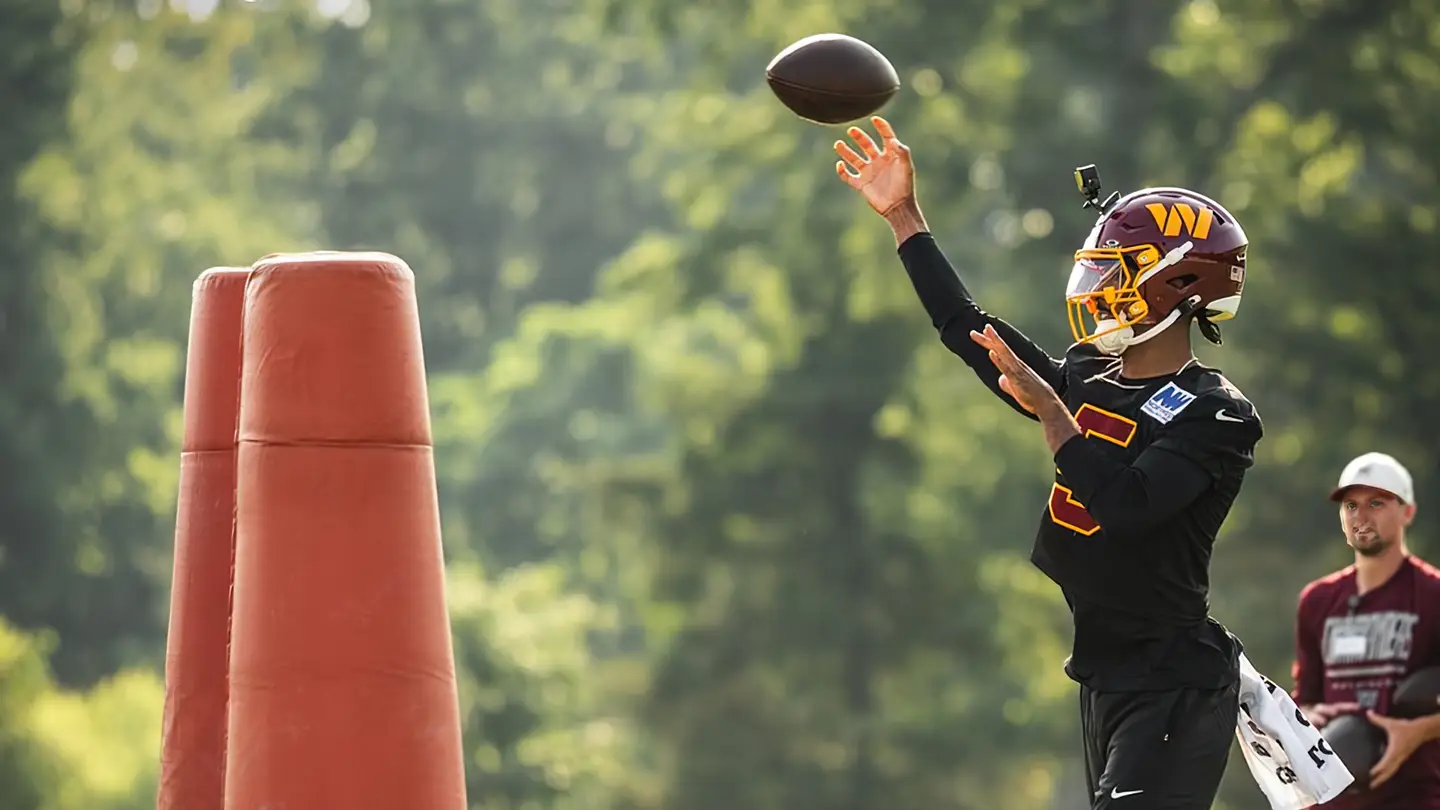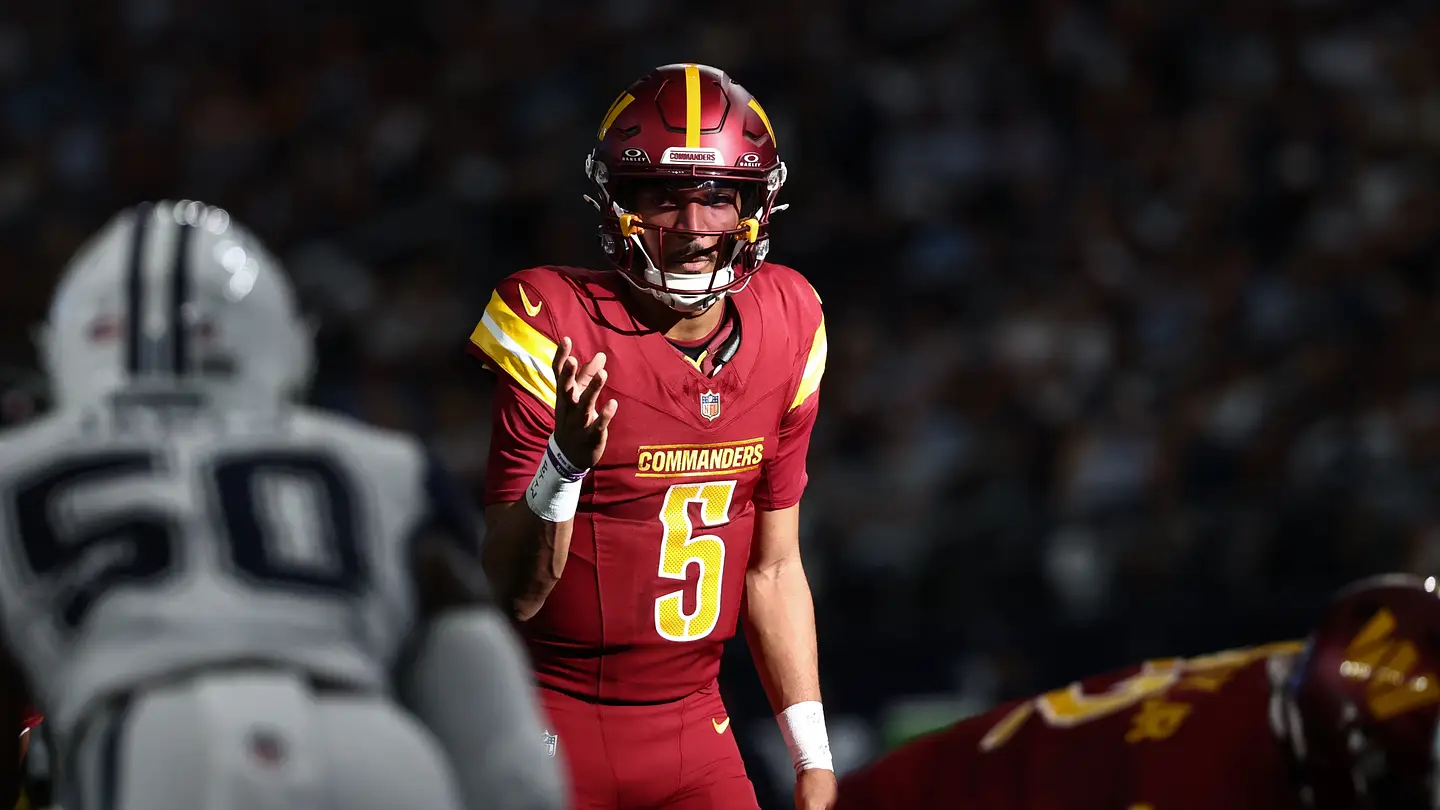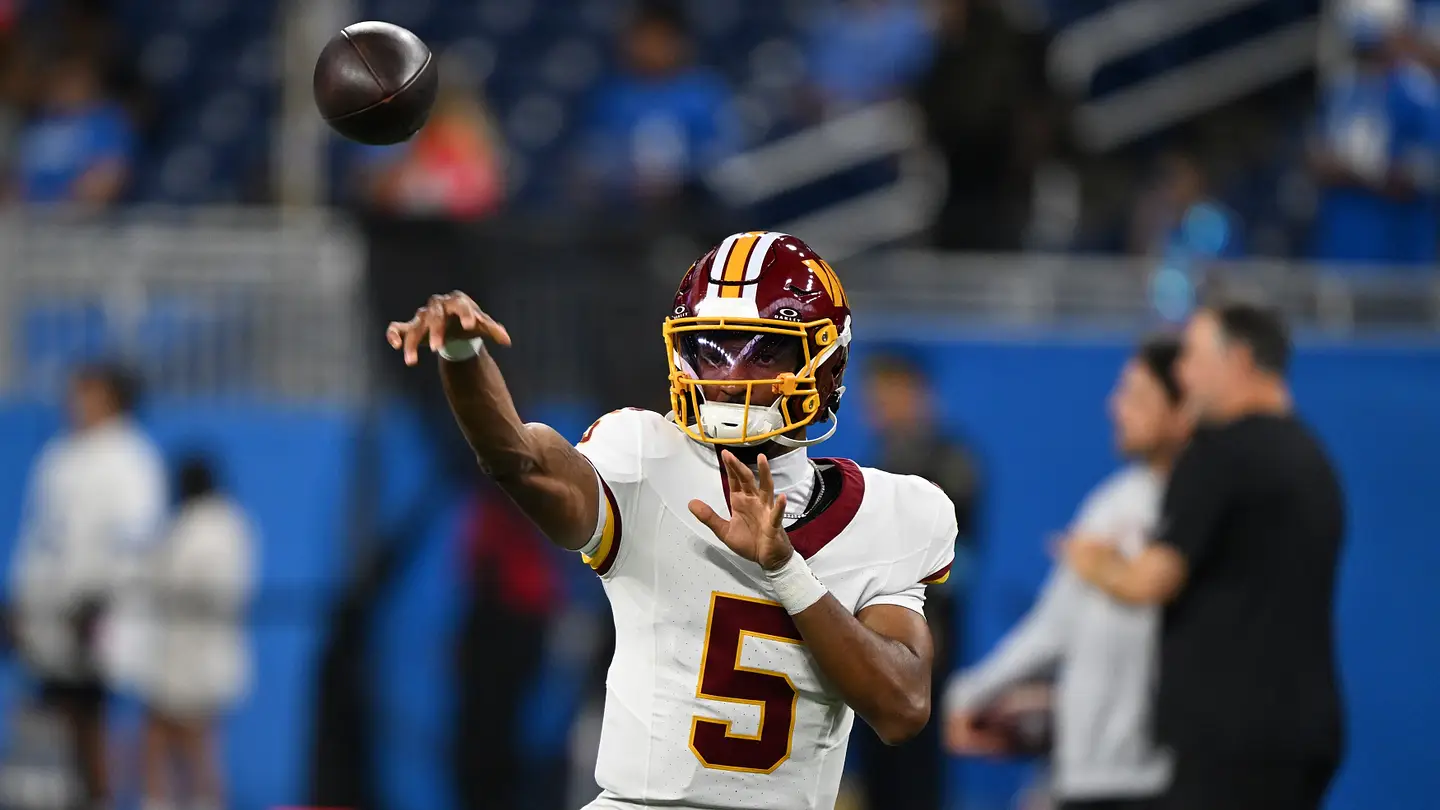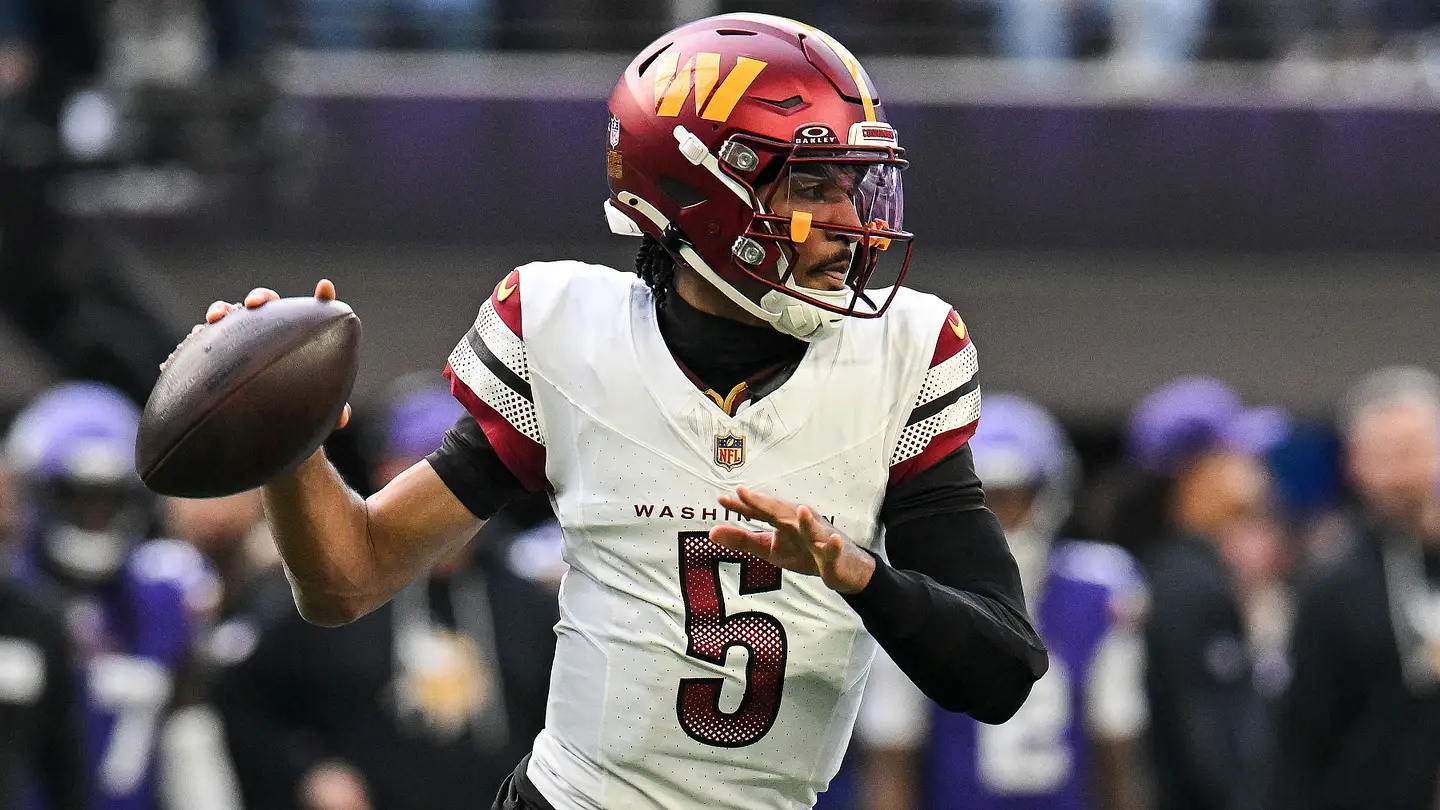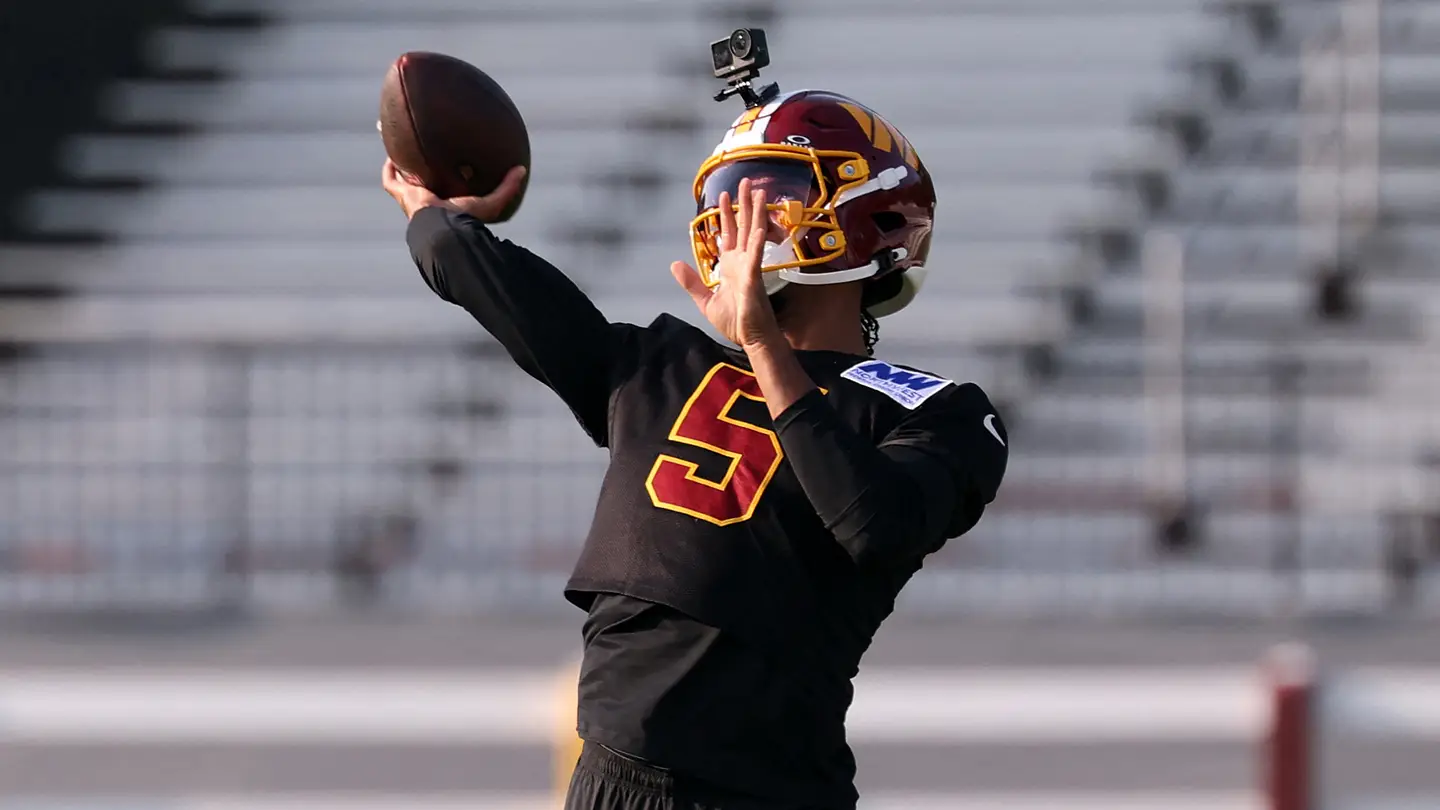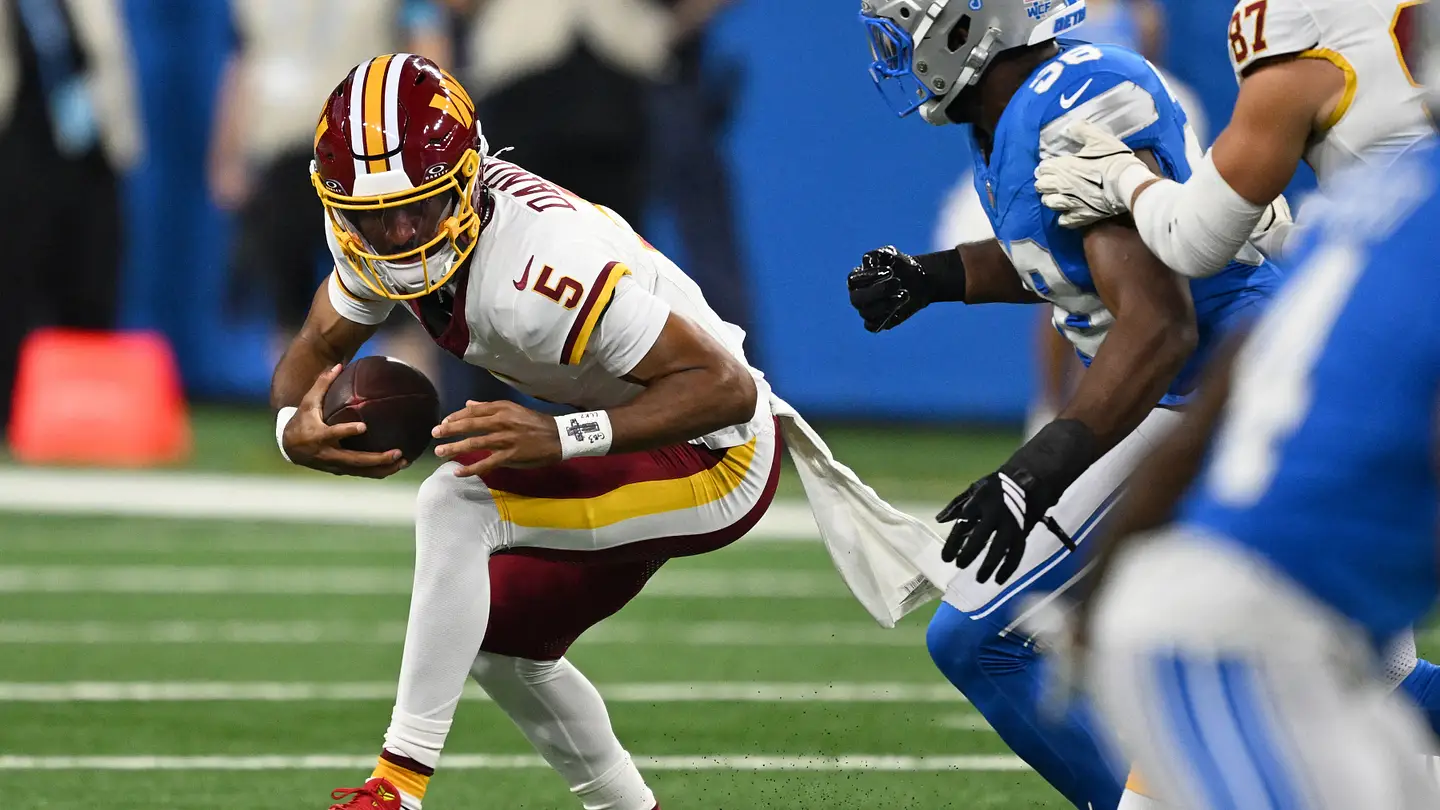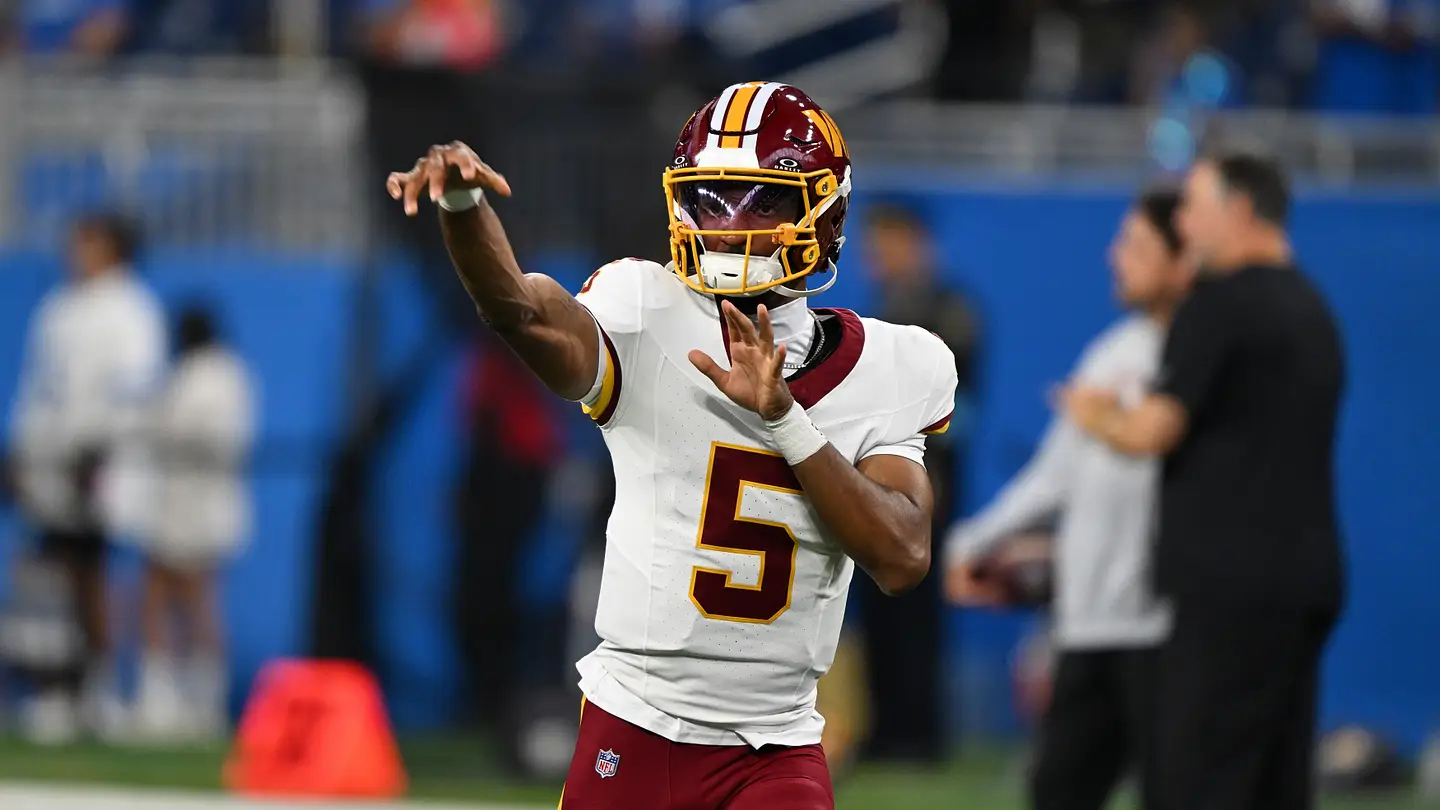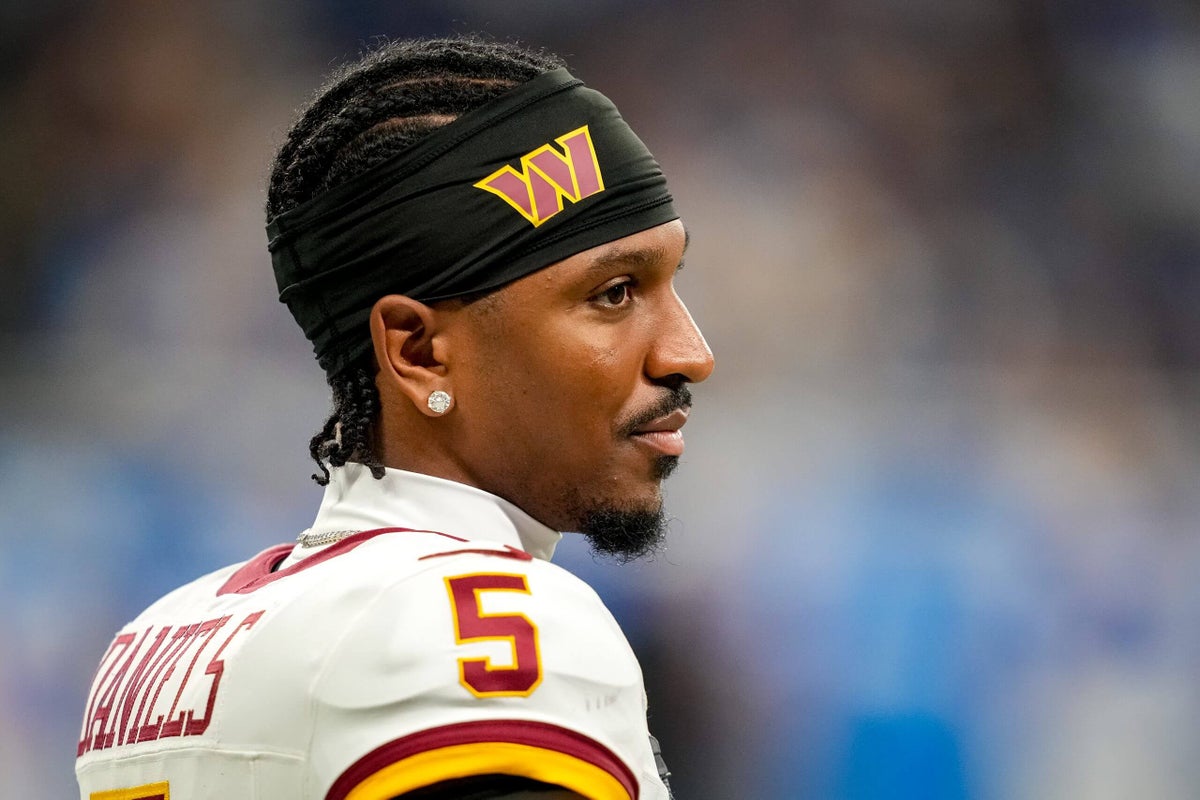
ASHBURN, Va. — In 1928, Alexander Fleming was studying bacteria in a London lab and wound up discovering penicillin. In 1938, DuPont chemist Roy Plunkett was experimenting with gas in a New Jersey lab when he stumbled upon Teflon.And in 2026, Dan Quinn and the Washington Commanders’ coaching staff were watching video footage from a GoPro affixed to Jayden Daniels’ helmet, hoping to see how he went through his progressions, when they found something else. The breakthrough came when they realized it wasn’t what they were watching during each dropback, it was what they were hearing between each play: a leader, dropped into a new environment, completely at ease.“One of the unintended good consequences was the audio,” Quinn tells The Athletic of his happy accident. “And so I was expecting (the camera) to be just for the first look and second look, but what was there was in the huddle, the sound of it. I thought that was pretty cool.“He was always so calm and cool, and he’s still that way in the huddle. … That’s a big deal. There’s a calmness when the quarterback, in the chaos, is like, ‘We’re good, man.’”The Commanders are trying out this new thing called “the huddle.” Pretty new, at least, for their third-year quarterback, who has huddled far less than any other starter since he entered the league.In many ways, the huddle is going to be the powerhouse of these Commanders. It’s one aspect of a new offensive approach, one the team believes will allow Daniels to use his leadership, exercise his vast football IQ and even protect him from taking as many hits as he has in the past.Though first, Daniels has to figure out how to huddle.Last season the median NFL offense huddled about 82 percent of the time. When Daniels was on the field, the Commanders huddled about 32 percent of the time. If you remove the first play of the drive (when almost every team huddles), that number plummets to 20 percent. Taking away huddles after timeouts or penalties would drop it even more. For all intents and purposes, Daniels has never huddled play-to-play in his pro career.Kliff Kingsbury’s offense the last two seasons didn’t require it, but Daniels also didn’t do it in college. Without a huddle, there is less information a quarterback can communicate to the other 10 players.That lends itself to a less complex offense, one that’s easier for defenses to decipher. Tempo typically offsets some of that. Even if you have a simpler offense, going quickly can create an edge. Instead, the Commanders self-neutralized their inherent advantage. Last year, on average, there were 9.6 seconds remaining on the playclock when the Commanders snapped the ball, eighth-highest in the NFL and much closer to the league average (9 seconds) than the Dallas Cowboys’ league-leading 12 seconds.Not huddling, coupled with not going quickly, also meant the offense would unnecessarily burn timeouts. Last year, Washington led the league with 10 games in which it used at least two timeouts before the final three minutes of either half.This season, communication will be much different than it was in Daniels’ first two NFL seasons. (Peter Casey / Imagn Images)On the coaching side, the keys to the offense have now been turned over to 31-year-old David Blough, a first-time offensive coordinator who can use the huddle to get more information to Daniels and get everyone on the same page.“It sounds like no big deal, but it’s a big deal,” Quinn says. “Like, ‘Hey, be ready. I’m coming to you if it’s zone.’ It’s cues, it’s information. Letting the players know, ‘Let’s be quick. Let’s get on the ball.’”With one training camp and three preseason snaps in the books, Daniels hasn’t decided on whether to stand up, hunch over or take a knee.“It might depend,” Daniels tells The Athletic. “I might get down on a knee. I tried it a little bit. I kind of like it. It’s easier for guys to hear me if I project up, so it’s still a process.”From a stellar rookie campaign to a forgettable sophomore season, Daniels has admittedly not been a vocal leader. Even earlier this summer, when headlines out of Ashburn said Daniels had declared the Commanders “his team now,” he was responding in the affirmative to a question rather than standing at the podium making a declaration.Future Hall of Fame linebacker Bobby Wagner was the unquestioned leader of the team for Daniels’ first two seasons. Both men grew up in Southern California’s Inland Empire, and with Wagner’s 12-year NFL head start on Daniels, the quarterback was deferential to his elder.But with Wagner and fellow veteran Zach Ertz no longer in Washington, the team clearly belongs to Daniels. This summer, he arranged for his teammates to join him at UCLA for voluntary work. Commanders GM Adam Peters, a Bruins alum himself, got Daniels in touch with the right people and let the young quarterback take it from there.“Everybody leads in their own way. Some people who aren’t vocal will try to be vocal and it comes off unauthentic, and the guys see right through that,” Peters says. “But Jayden leads in his own way, and he’s grown and matured. His offseason program this year, that showed a lot of growth and maturity in terms of how dialed-in he was with his body and his throwing.
Jayden Daniels is ready for a new offense. His first task: Learn how to huddle
The third-year quarterback is working with a new offensive coordinator, with a plan to bounce back after a disappointing second season.
2,400 words~11 min read