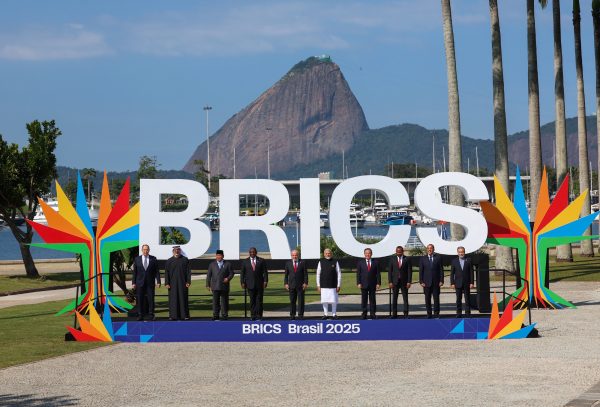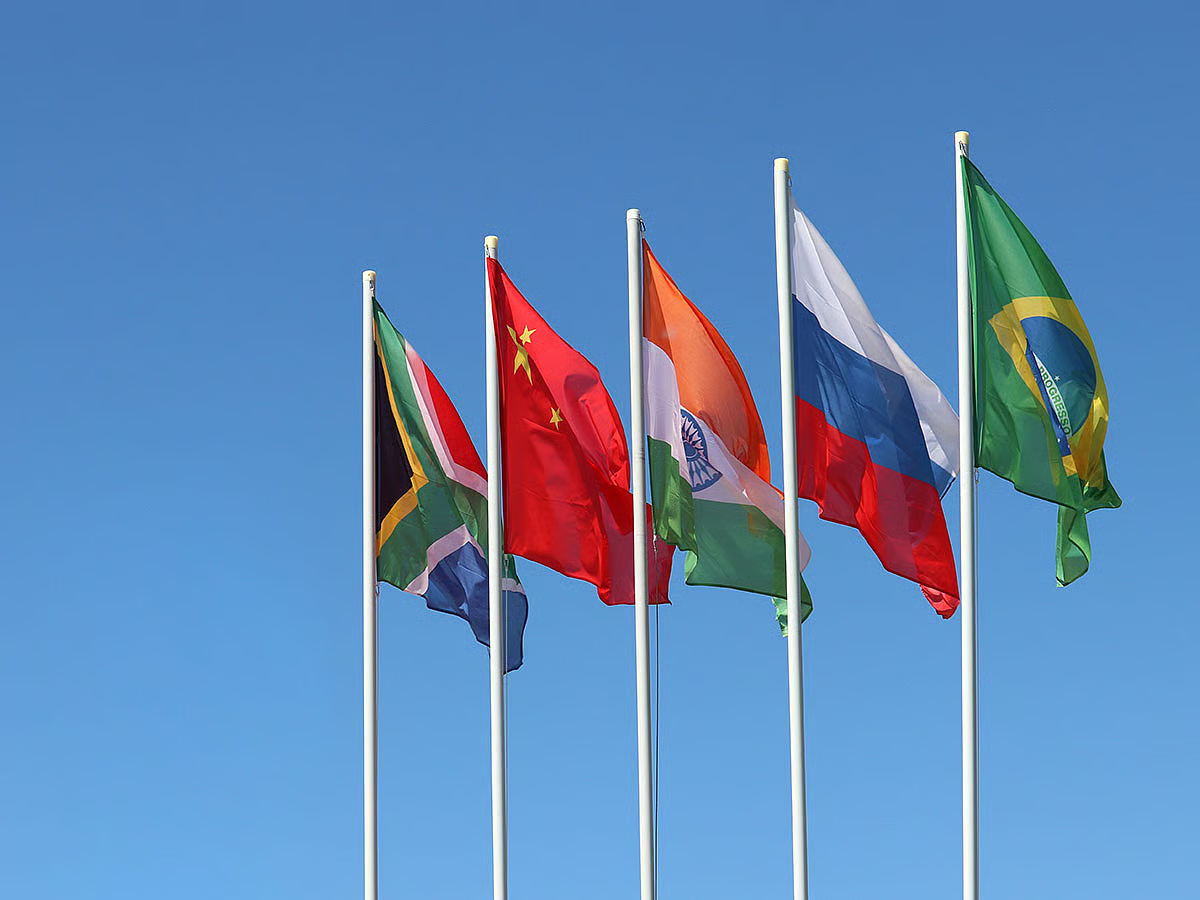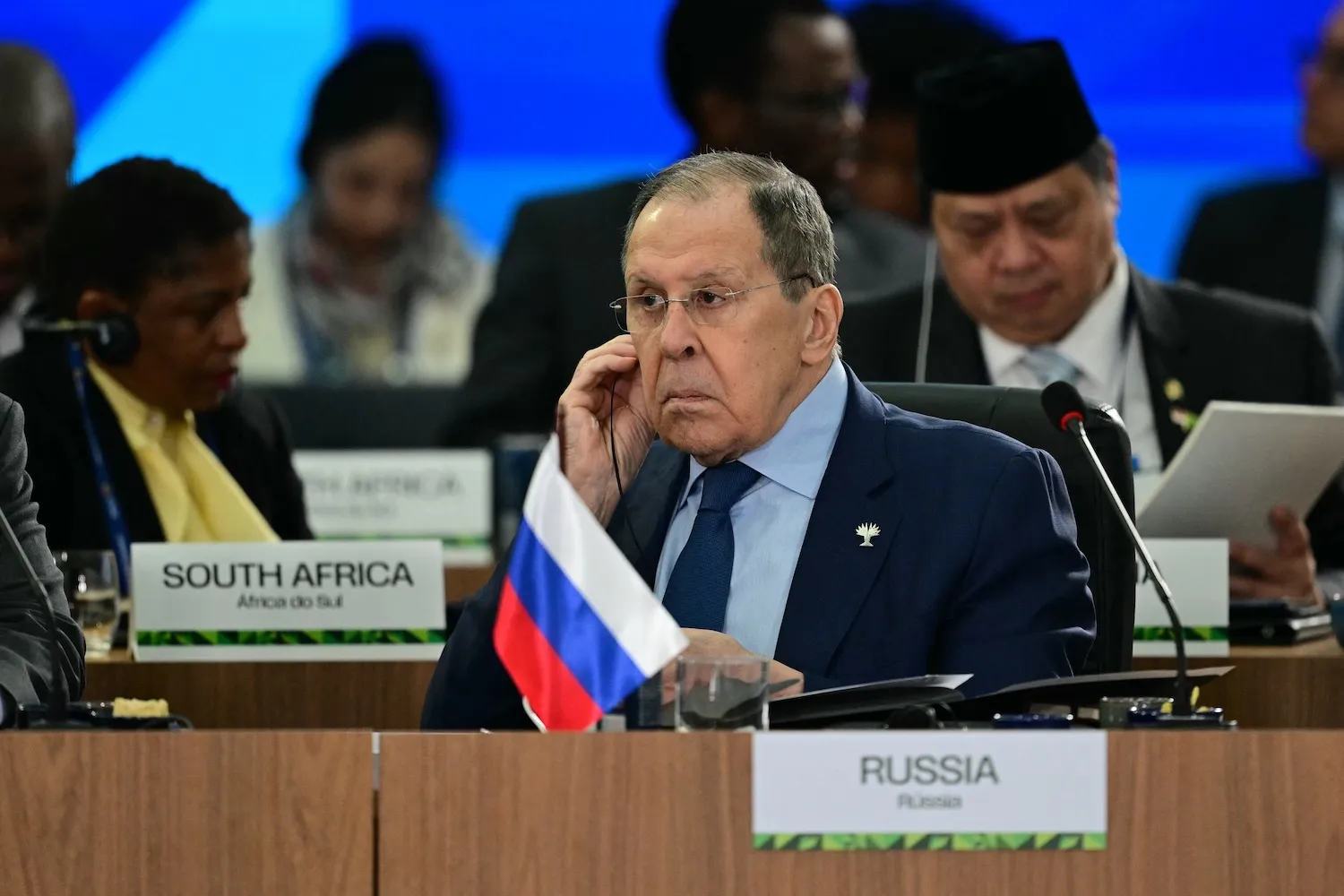
When the low-key grouping of Brazil, Russia, India, China, and South Africa announced a major expansion at a 2023 summit in Johannesburg, the wealthy West finally sat up and took notice.
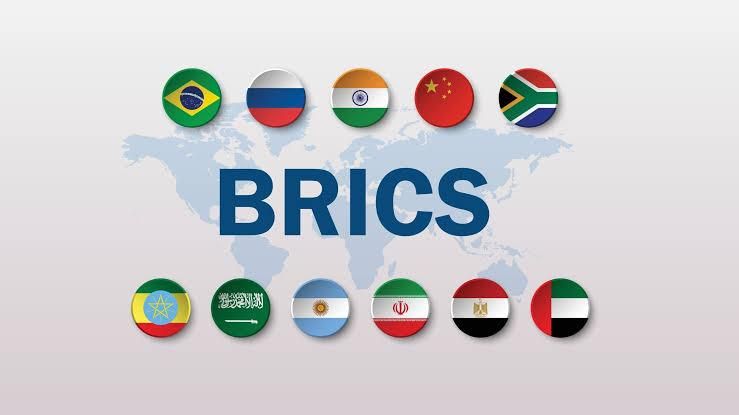
By the time the dust had settled two years later, and 16 years on from its founding, BRICS counted 10 core members (up from five), with Egypt, Ethiopia, Indonesia, Iran, and the United Arab Emirates as new entrants. A lower tier of 10 “partner countries” was also announced.
When the low-key grouping of Brazil, Russia, India, China, and South Africa announced a major expansion at a 2023 summit in Johannesburg, the wealthy West finally sat up and took notice.
By the time the dust had settled two years later, and 16 years on from its founding, BRICS counted 10 core members (up from five), with Egypt, Ethiopia, Indonesia, Iran, and the United Arab Emirates as new entrants. A lower tier of 10 “partner countries” was also announced.
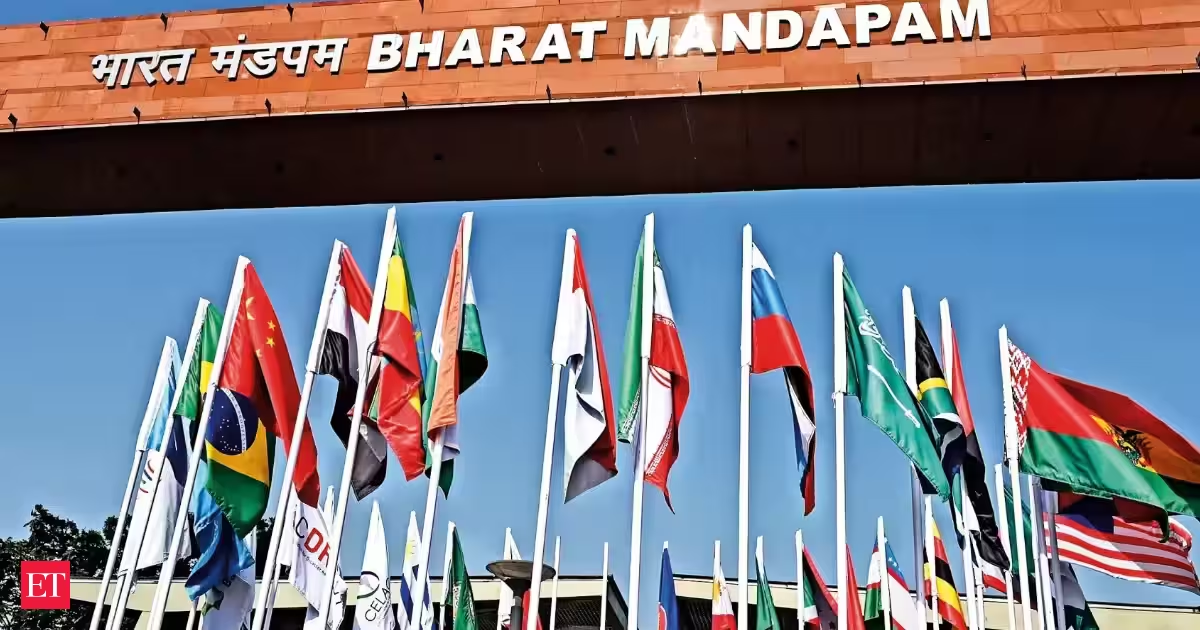
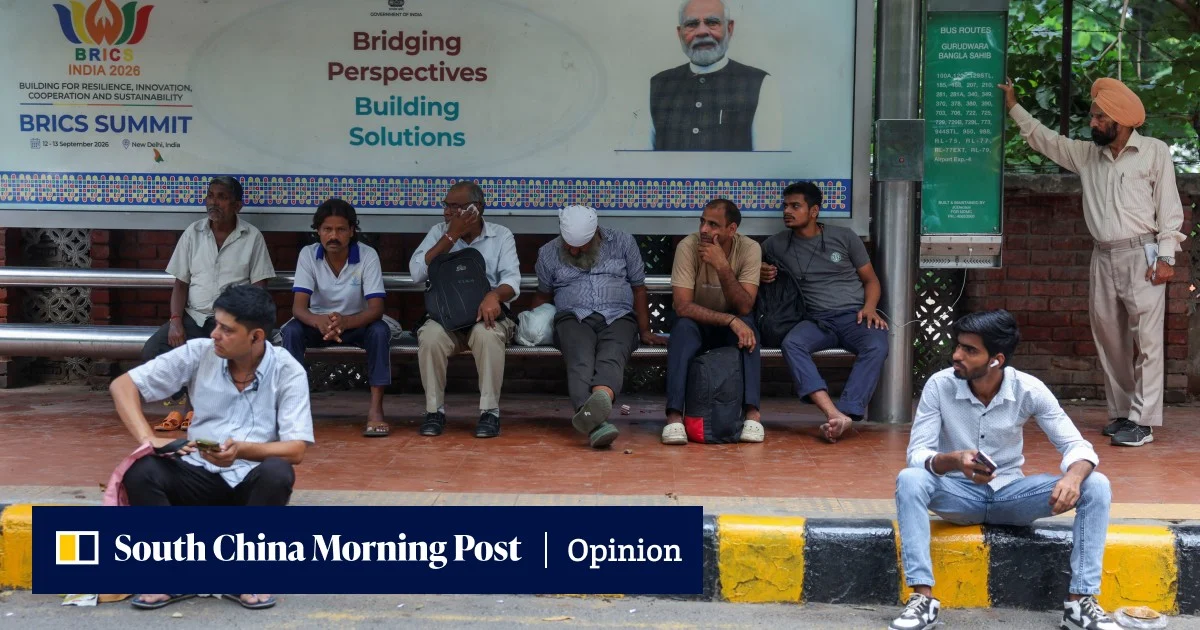
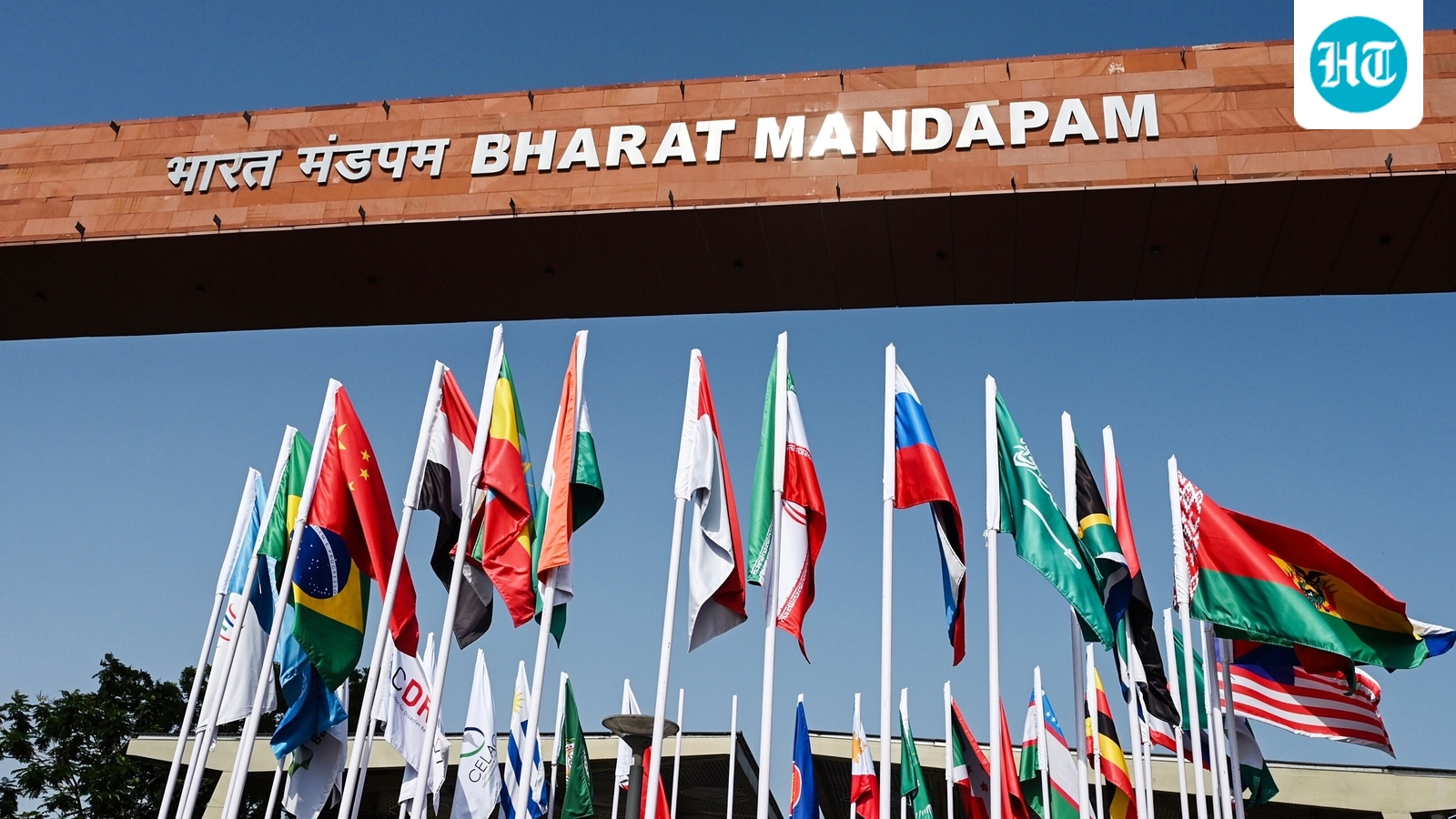
But as leaders fly into New Delhi for its 18th annual summit on Sept. 12, an undercurrent of anxiety is in the air. What seemed like a triumphant coming-out of the global south—from which a vast majority of BRICS states are drawn—is starting to feel a little bit like a dysfunctional family getting together for Christmas (or Diwali). Host India has worked hard on its sumptuous agenda of “Building for Resilience, Innovation, Cooperation and Sustainability.” But, given the indigestion of its rapid expansion and its modest impact on the ground, the overarching question of where BRICS goes next looms.