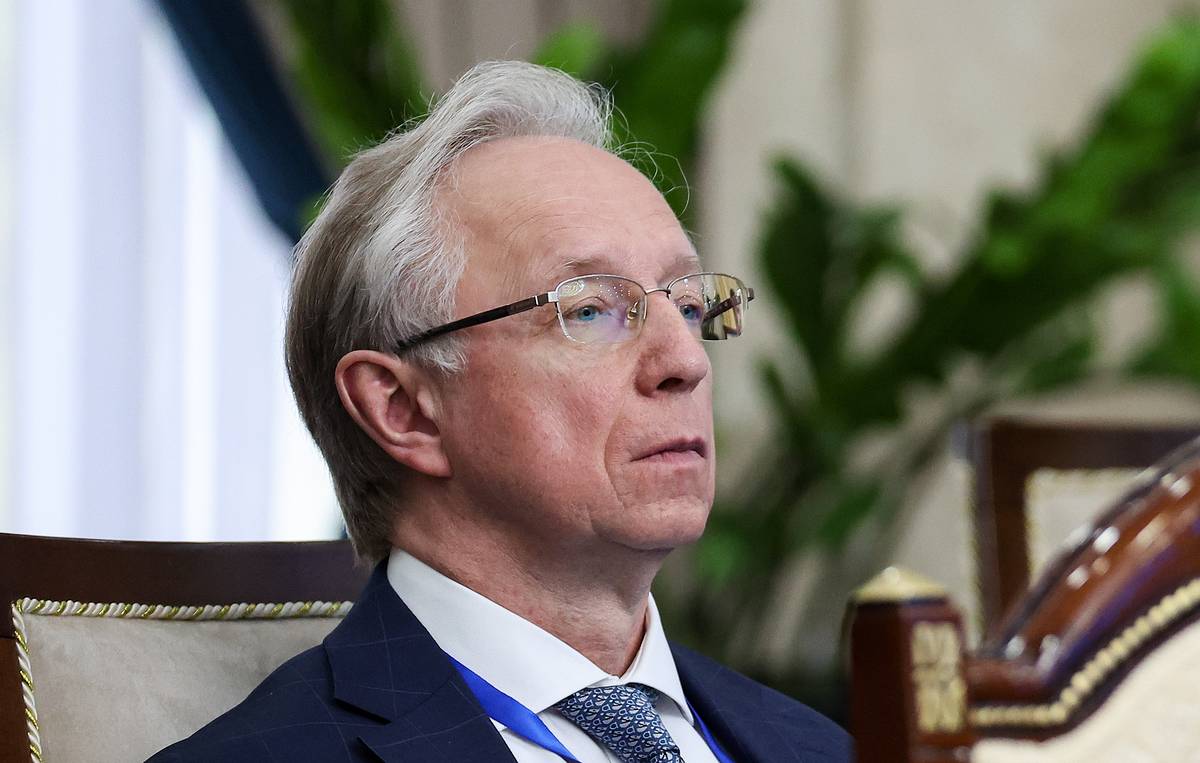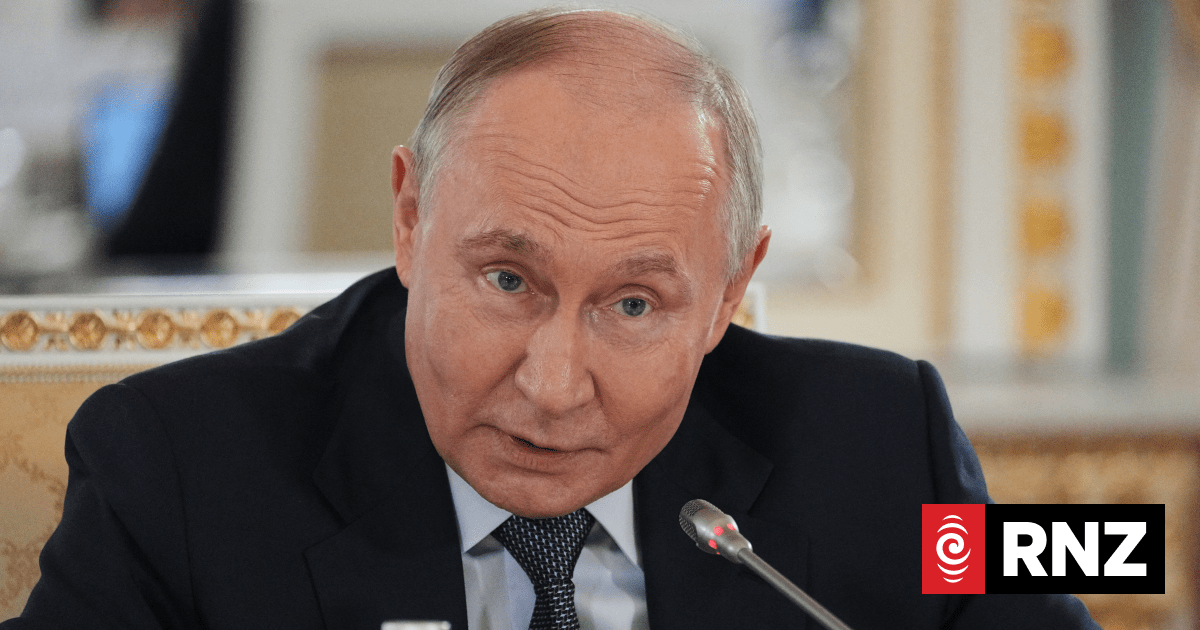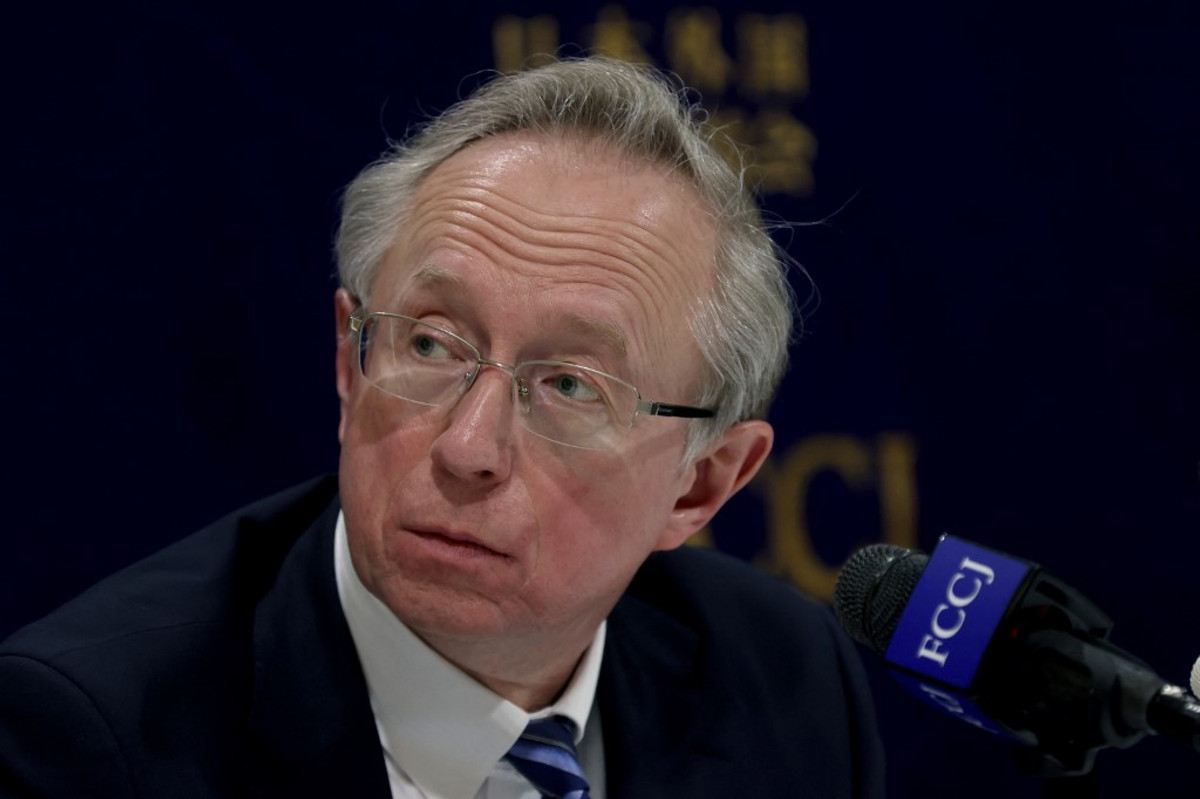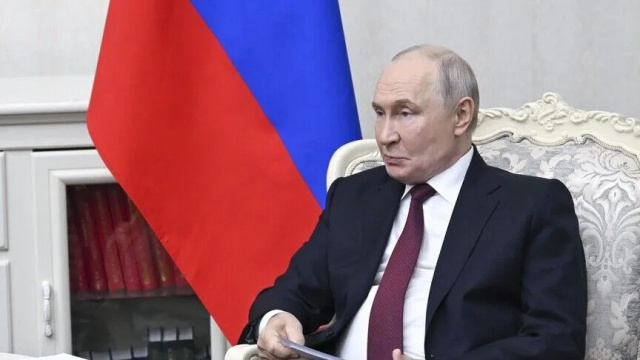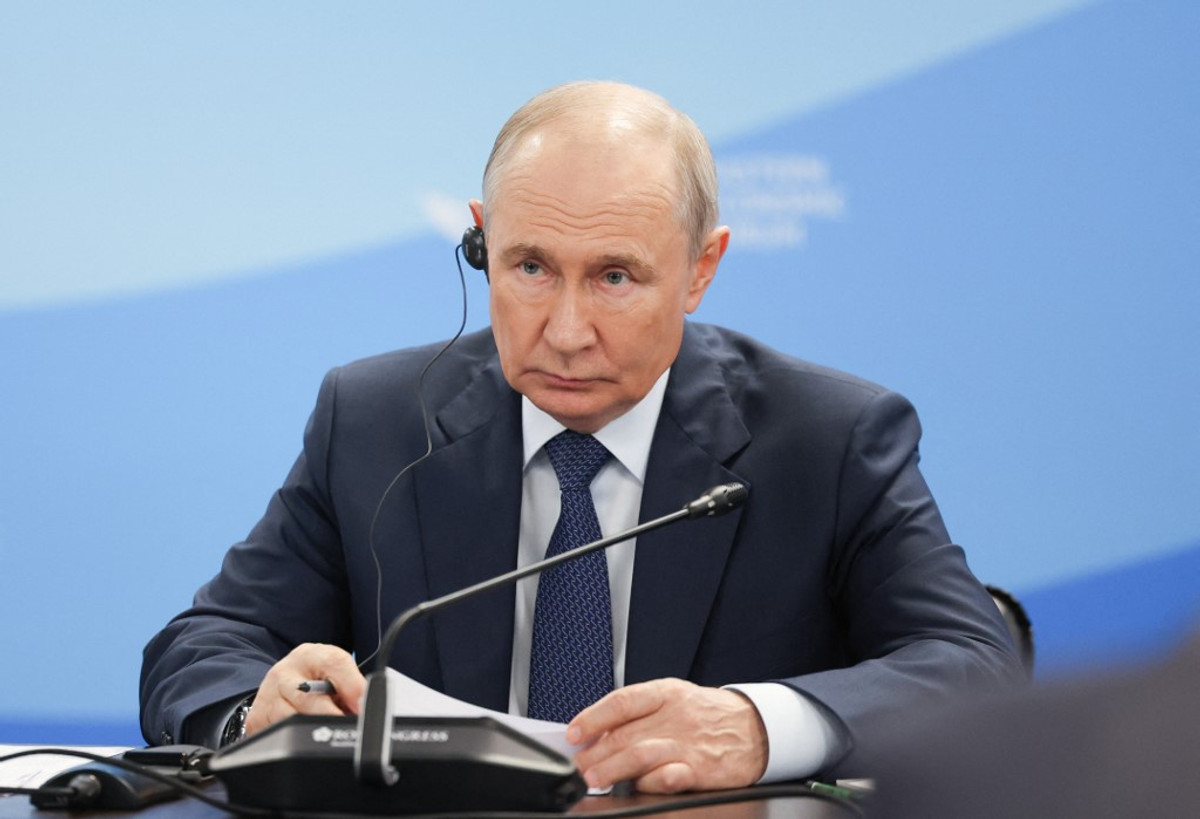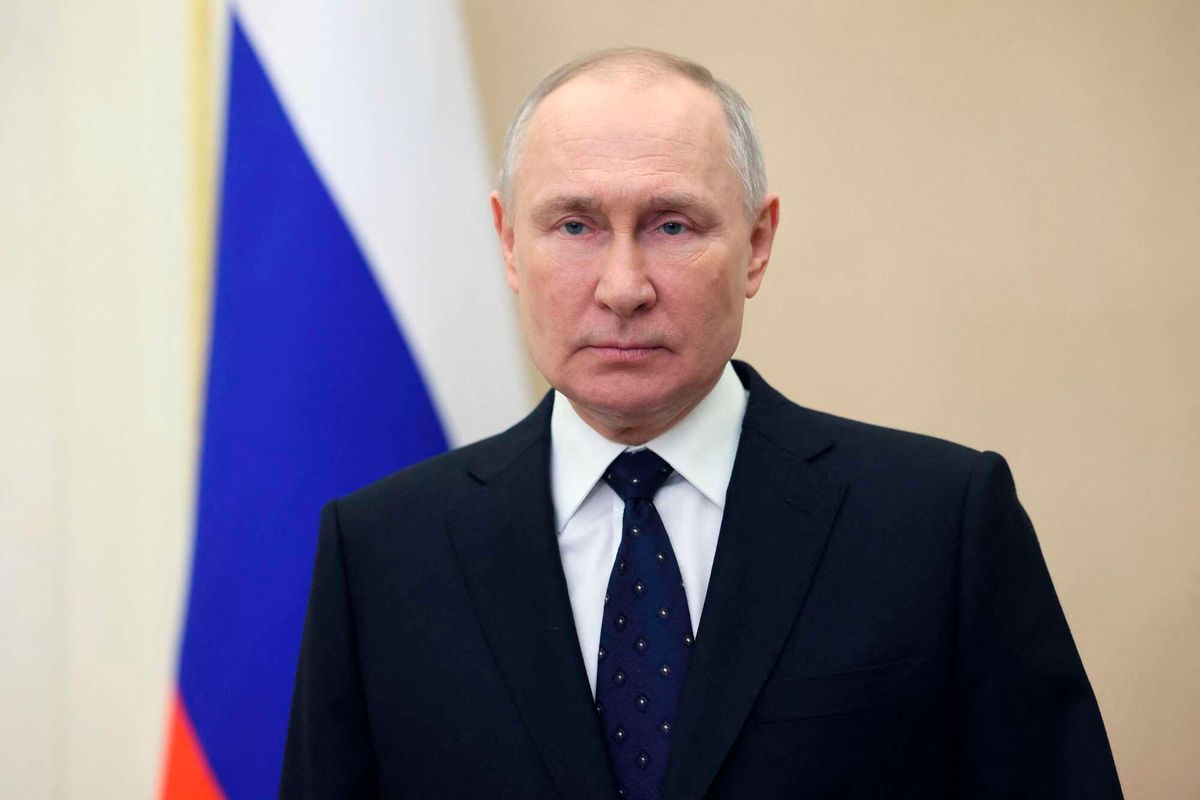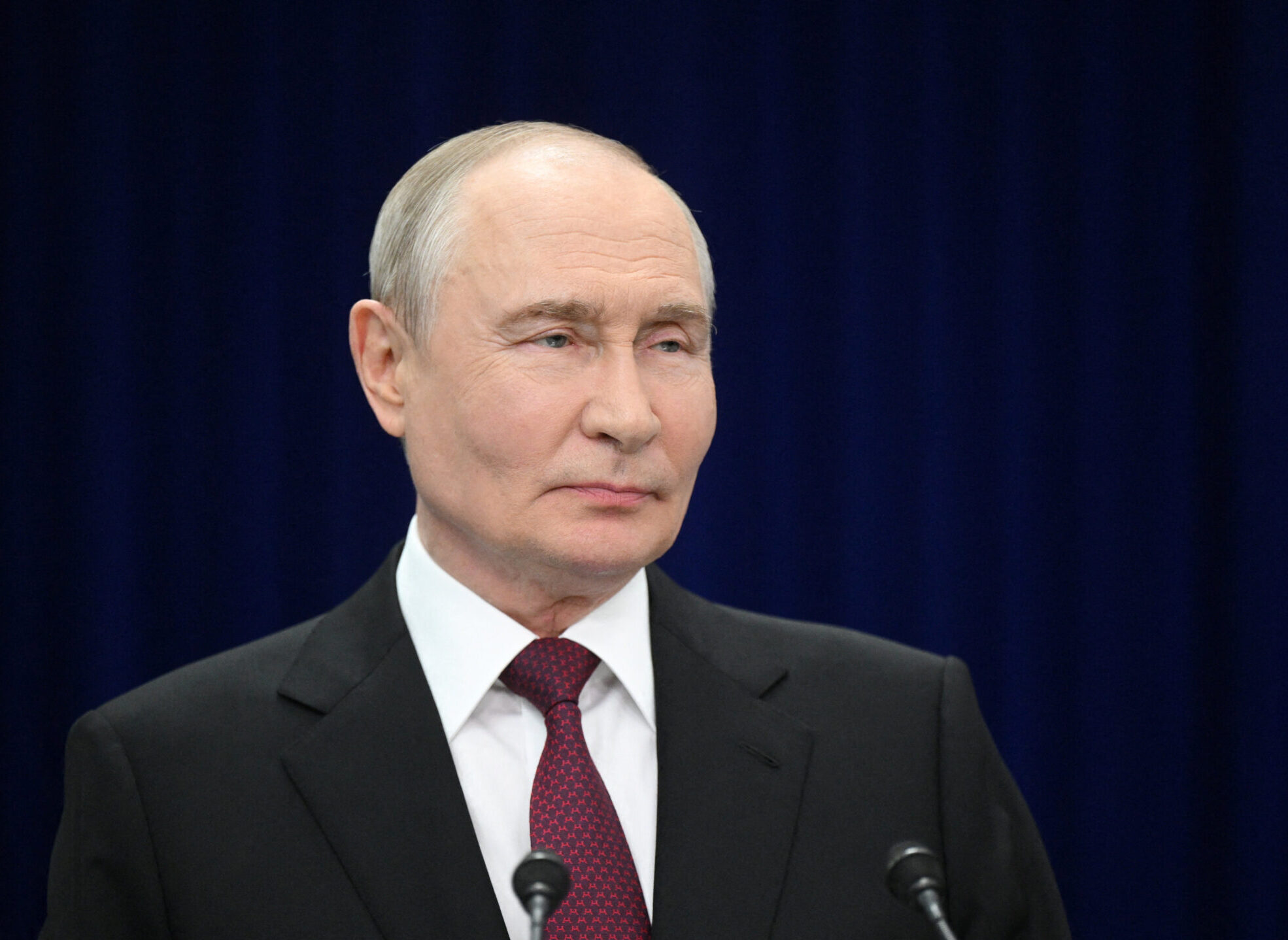
Moscow has this week rejected the idea of a trilateral peace summit between the leaders of Russia, Ukraine, and the United States. Kremlin spokesman Dmitry Peskov said there would be “absolutely no point” in meeting unless a deal was ready to be signed. This latest refusal underlines Russia’s uncompromising stance toward negotiations aimed at ending Europe’s largest invasion since World War II.
Since US President Donald Trump returned to the White House in early 2025, Russian representatives have repeatedly voiced their readiness to engage in diplomacy, while at the same time accusing Ukraine and its Western partners of obstructing peace efforts. In reality, however, Russian President Vladimir Putin has proved unwilling to offer any meaningful concessions. Instead, he has continued to pursue peace terms that would undermine the existence of an independent Ukraine.
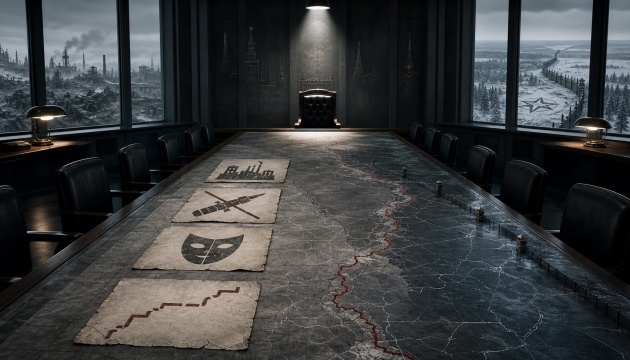
While Kremlin officials insist on their interest in a negotiated settlement, they have also consistently stressed the need to address the so-called “root causes” of the war. This phrase has become the cornerstone of Russian diplomatic messaging. While no single definition has ever been provided, statements and signals from Moscow indicate that Russia’s “root causes” reflect the Kremlin’s refusal to accept the existence of an independent Ukraine.