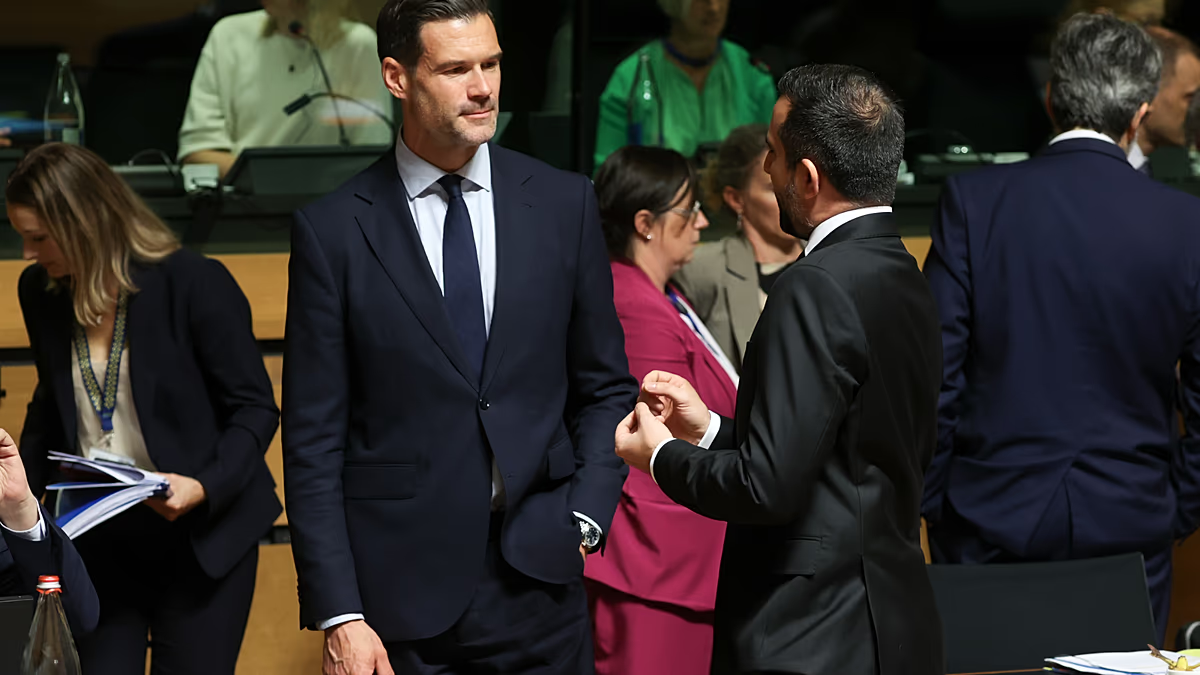
Eleven EU member states are calling for changes to the bloc's foreign policy decision-making system, arguing that the current unanimity requirement allows individual countries to block joint action and leaves the European Union with limited ability to respond quickly to international crises.
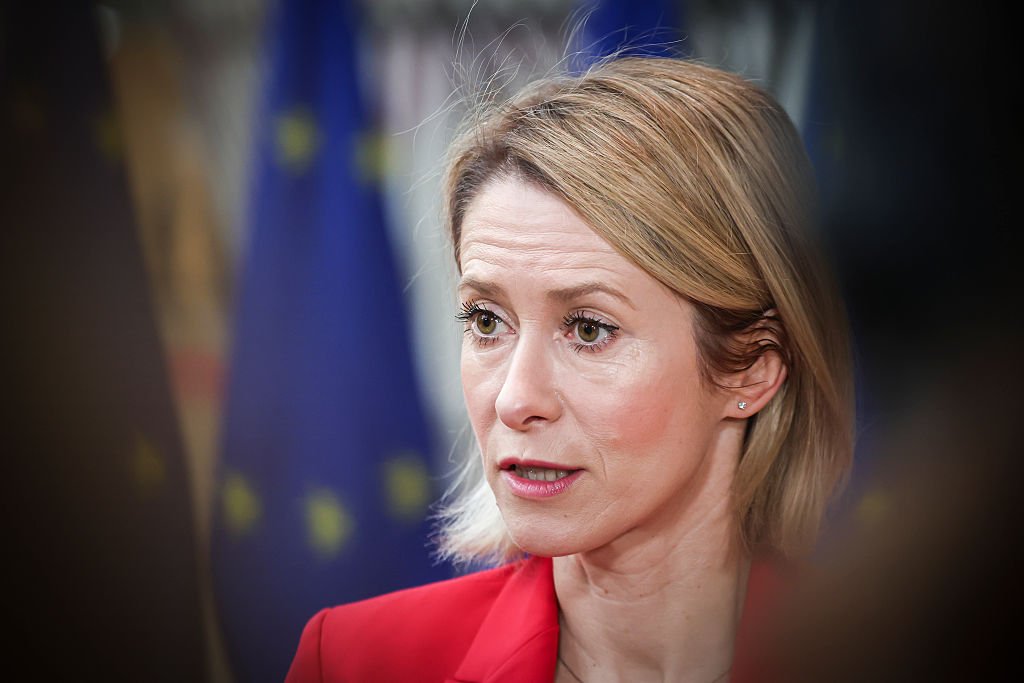
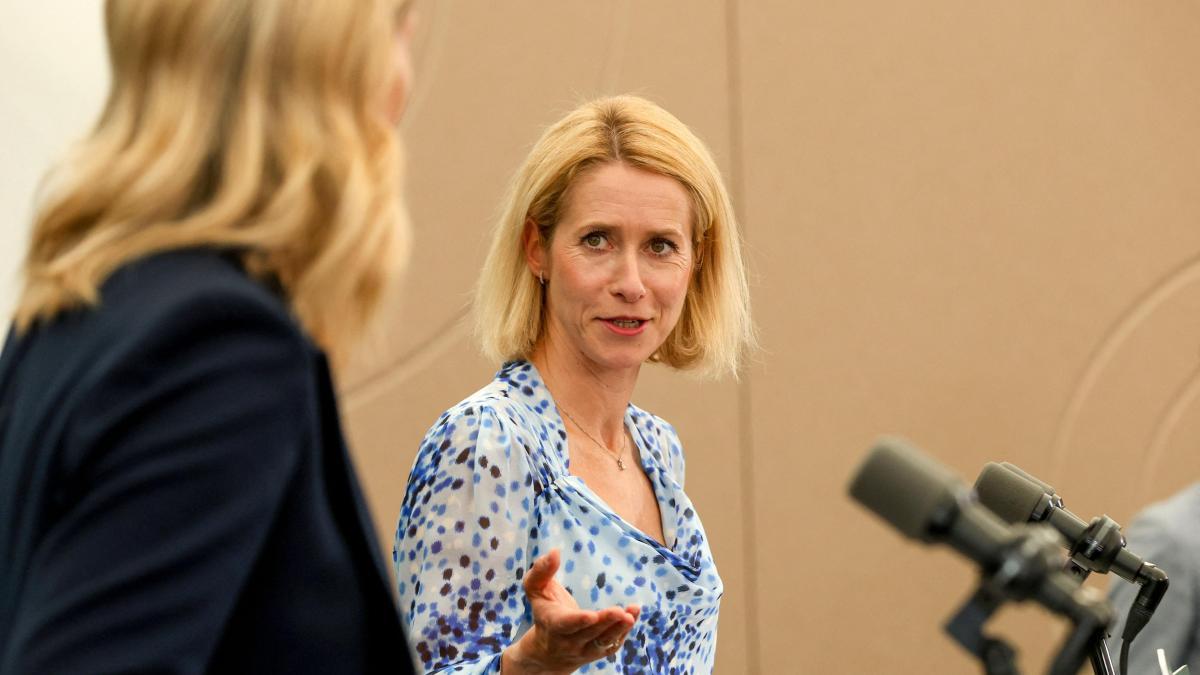
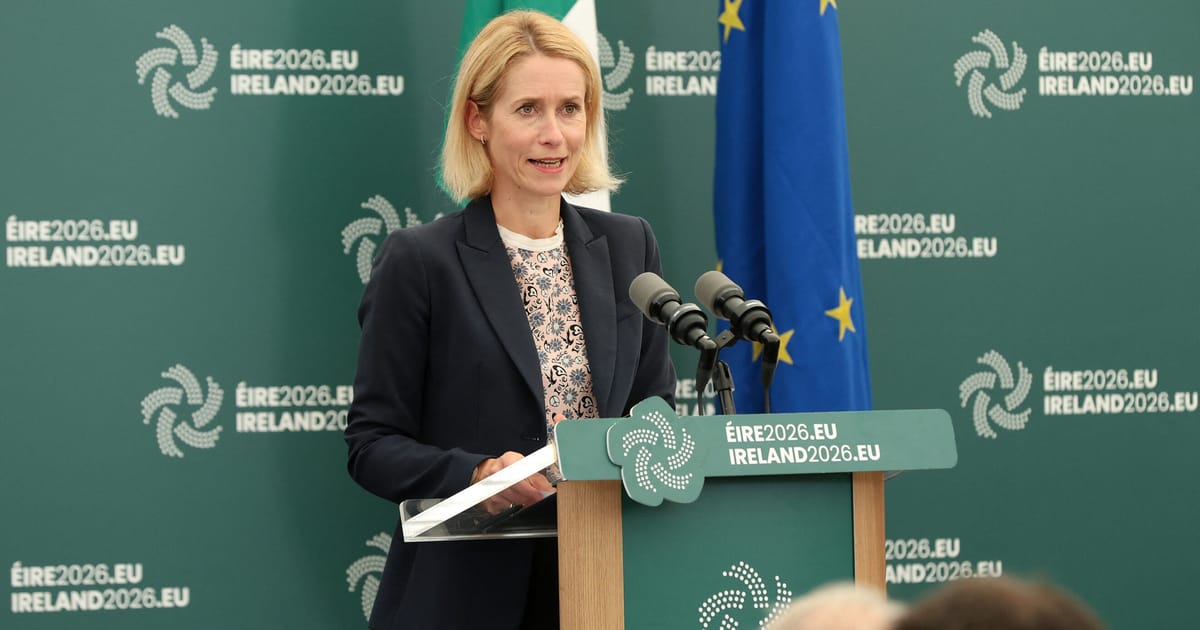
Austria, Denmark, Belgium, Finland, France, Germany, Luxembourg, the Netherlands, Romania, Spain and Sweden signed a joint letter addressed to EU foreign policy chief Kaia Kallas, with the document also circulated to countries that did not sign it.
The governments stressed that consensus remains important to the legitimacy of the European project, but warned that it should not prevent the bloc from acting collectively.
"The culture of consensus in the Union is an important source of its legitimacy. That is why we continue to strive for consensus whenever possible," the letter says. "But we must also ensure that this culture of consensus encourages common action rather than hinders it - otherwise we will have legitimacy but no power."
The initiative is strongly backed by Germany, the EU's largest member state. The signatories argue that the international environment has changed fundamentally, citing growing strategic competition, increasing instability and efforts to weaken the rules-based international order.