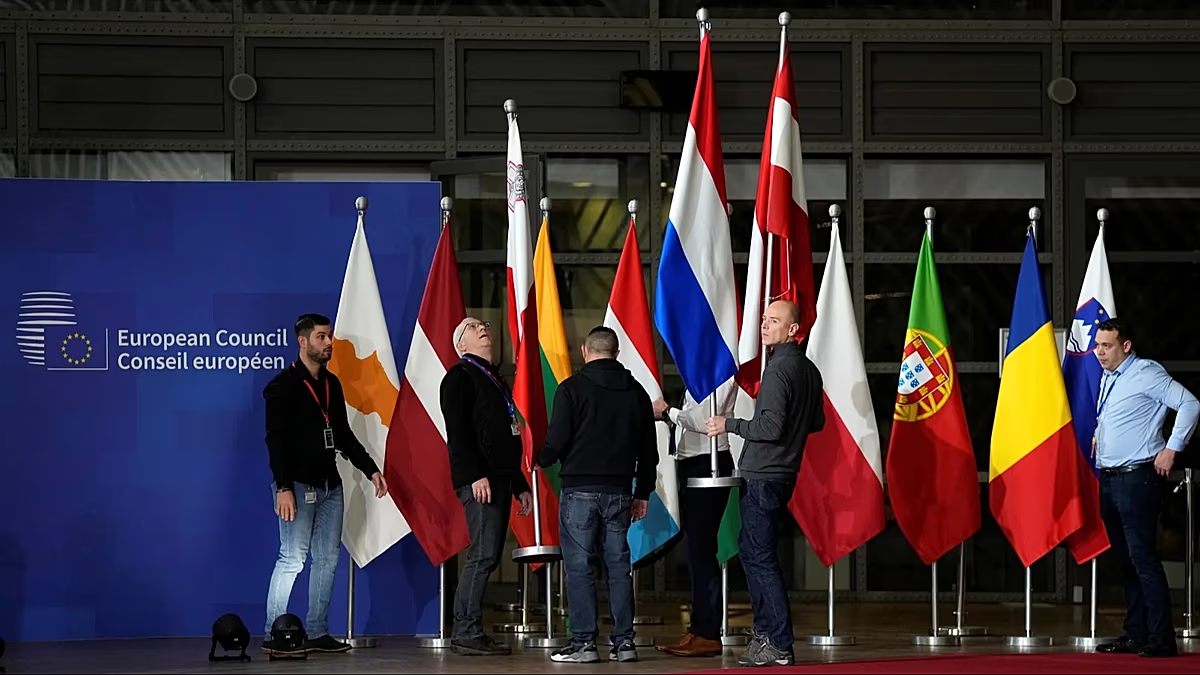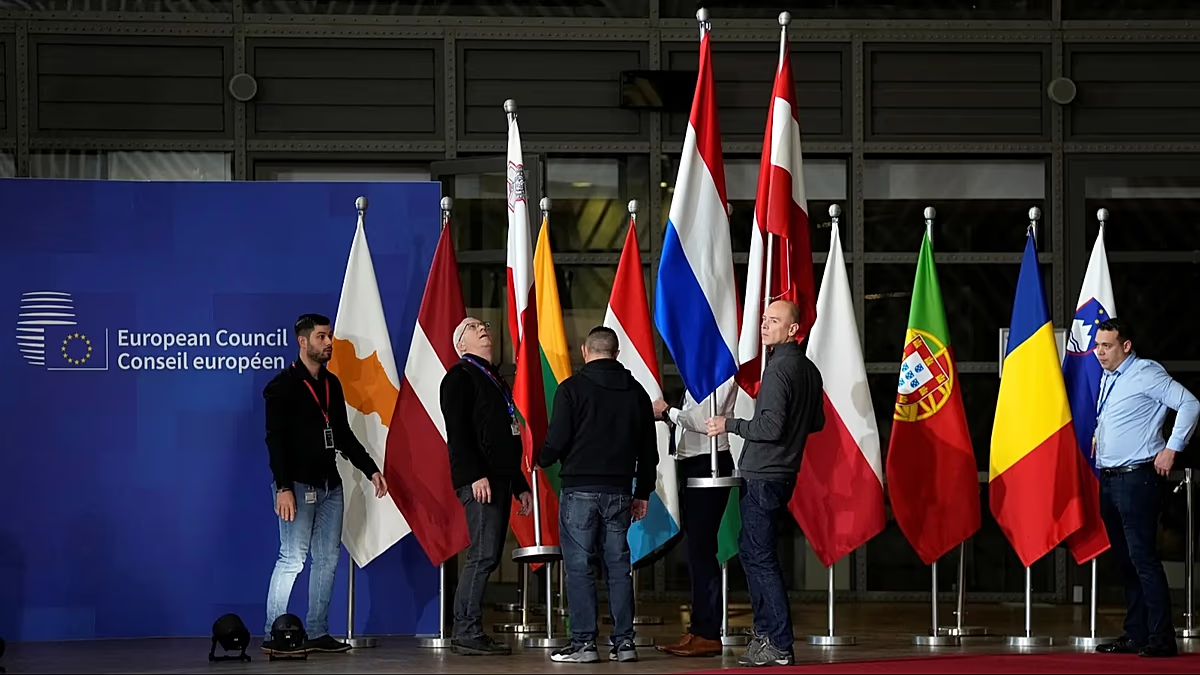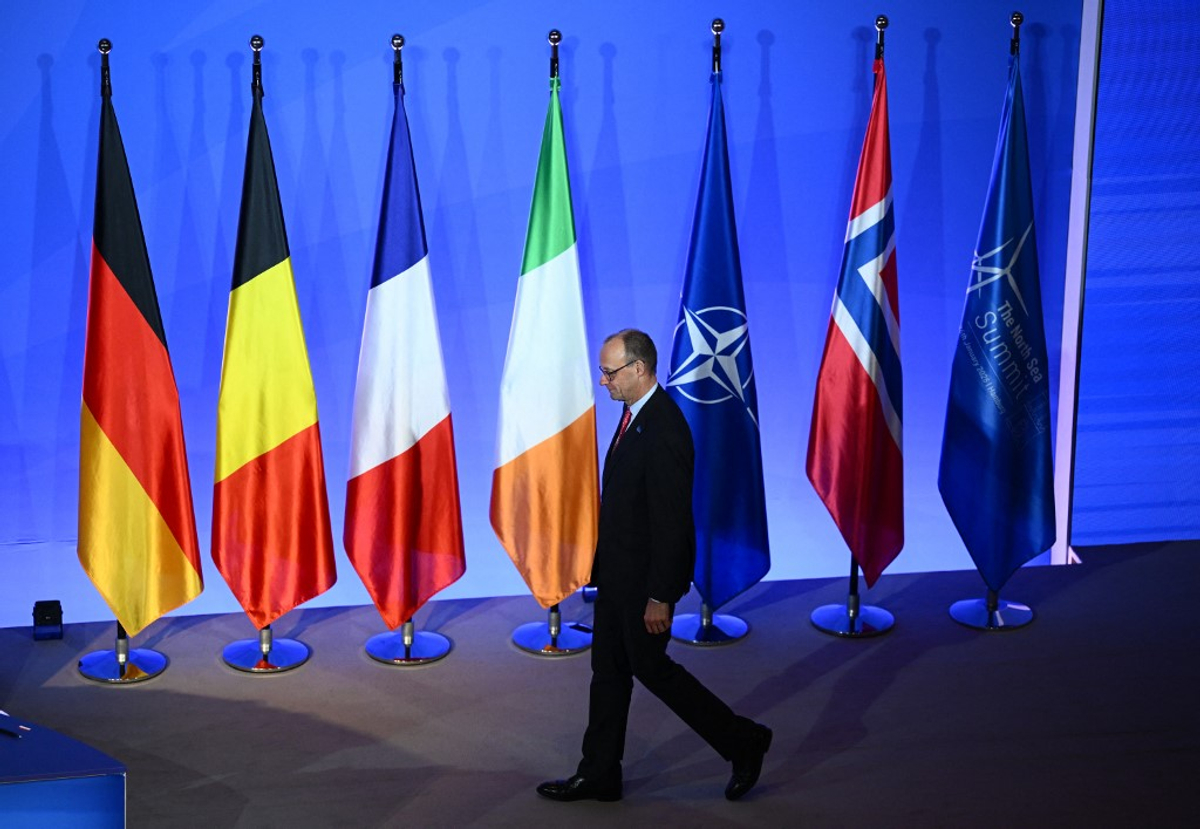
Eleven European Union countries are pushing to end what they call “obstructive” vetoes in the bloc’s foreign policy, urging the EU to explore replacing unanimity with qualified majority voting.Austria, Denmark, Belgium, Finland, France, Germany, Luxembourg, the Netherlands, Romania, Spain and Sweden signed a joint letter addressed to EU foreign policy chief Kaja Kallas, Euronews reported on Tuesday, Sept. 1. JOIN US ON TELEGRAMFollow our coverage of the war on the @Kyivpost_official.“The Union’s culture of consensus is an important source of its legitimacy. Therefore, we continue to strive for consensus wherever possible,” the countries wrote.“But we must also ensure that this culture of consensus fosters common action rather than preventing it – otherwise we will have legitimacy but no strength.”Under current EU rules, foreign policy decisions generally require the unanimous approval of all 27 member states, meaning a single country can block a decision supported by the other 26.The signatories argue that the EU needs to act faster and more effectively in response to growing strategic competition, instability and challenges to the rules-based international order.5 principles for EU foreign policyThe countries proposed five principles to improve the bloc’s decision-making:uphold sincere cooperation and mutual solidarityincrease the use of constructive abstentions instead of vetoesavoid linking foreign policy decisions to substantially unrelated issuesexplore options under EU treaties to move from unanimity to qualified majority votingrequire “substantiated vital reasons” to block such a move
11 EU Countries Seek Shift From Unanimity to Majority Voting on Foreign Policy
The initiative aims to prevent individual member states from blocking common decisions while preserving consensus where possible.
481 words~2 min read