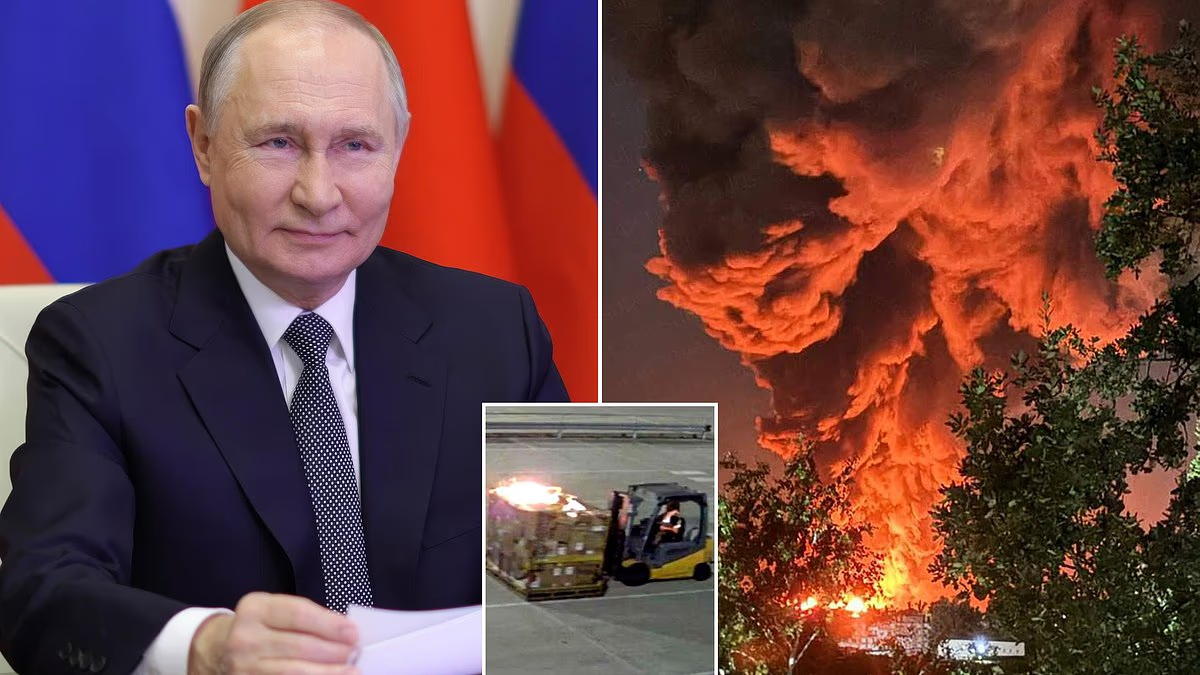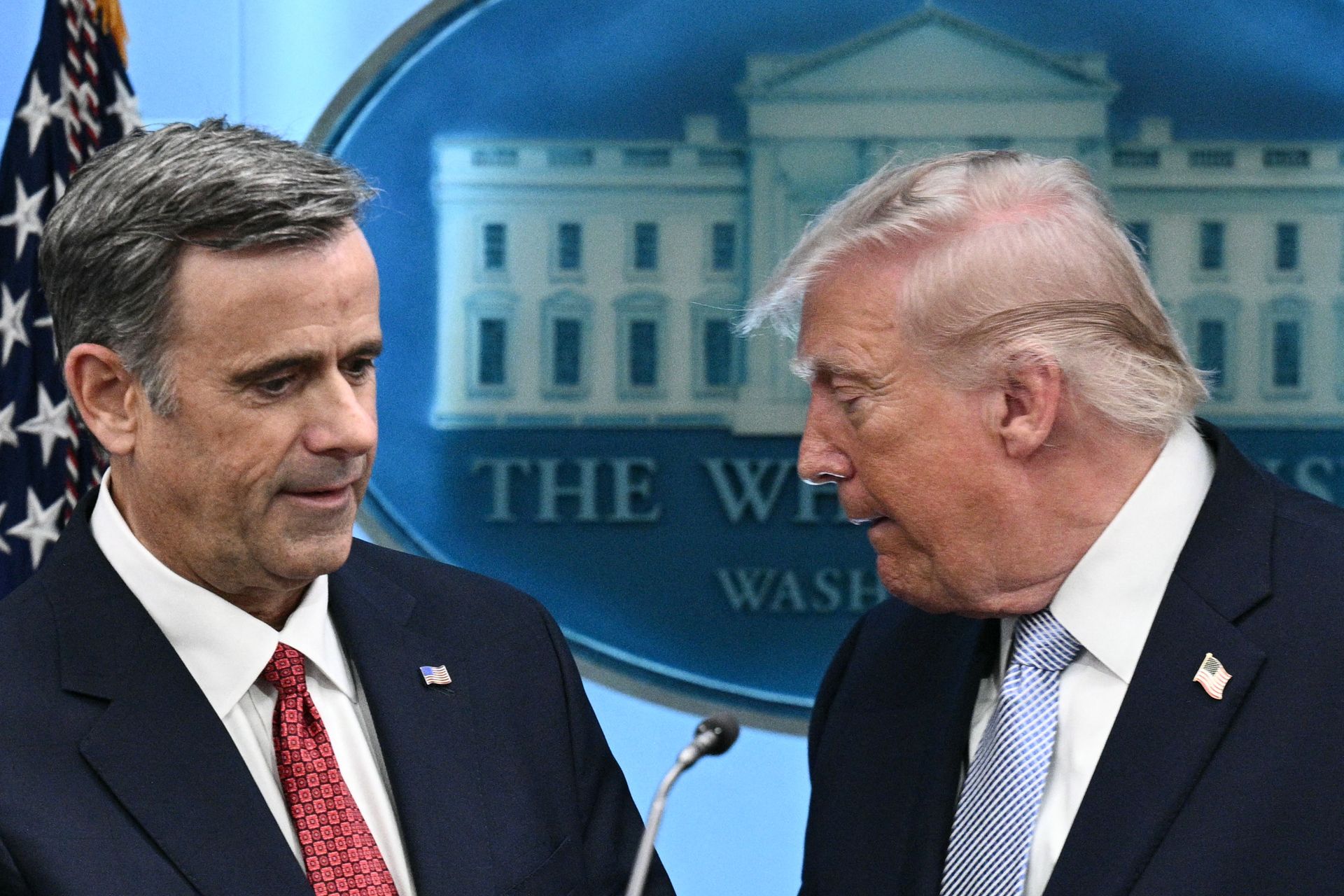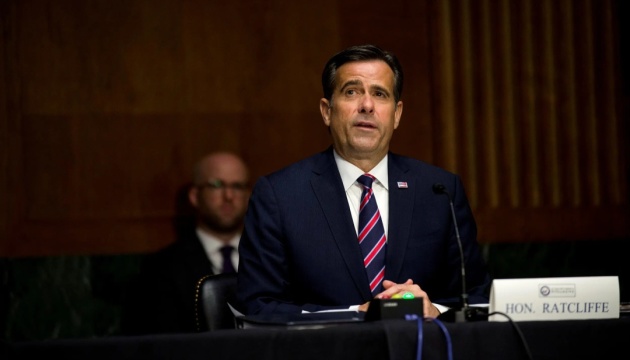
A plane landed, and an alarming rumor took off. On August 25, Central Intelligence Agency (CIA) Director John Ratcliffe flew to Moscow for an unannounced visit. One reported reason for the trip was to warn Russian leaders against attacking NATO allies. Russia has long carried out hybrid warfare across Europe in the form of sabotage, misinformation, and cyberattacks. It is also continuing its war on Ukraine, a conflict that has already spilled over into other countries in the form of drones and missiles. Yet Ratcliffe’s unexpected visit has raised new concerns and drawn comparisons to then CIA chief Bill Burns’s trip to Moscow shortly before Russia launched its full-scale invasion of Ukraine.
Below, Atlantic Council experts go point-by-point across the map to assess where and how Russian President Vladimir Putin might escalate next.
Justina Budginaite-Froehly, PhD, is a nonresident senior fellow with the Atlantic Council’s Europe Center and Transatlantic Security Initiative within the Scowcroft Center for Strategy and Security.
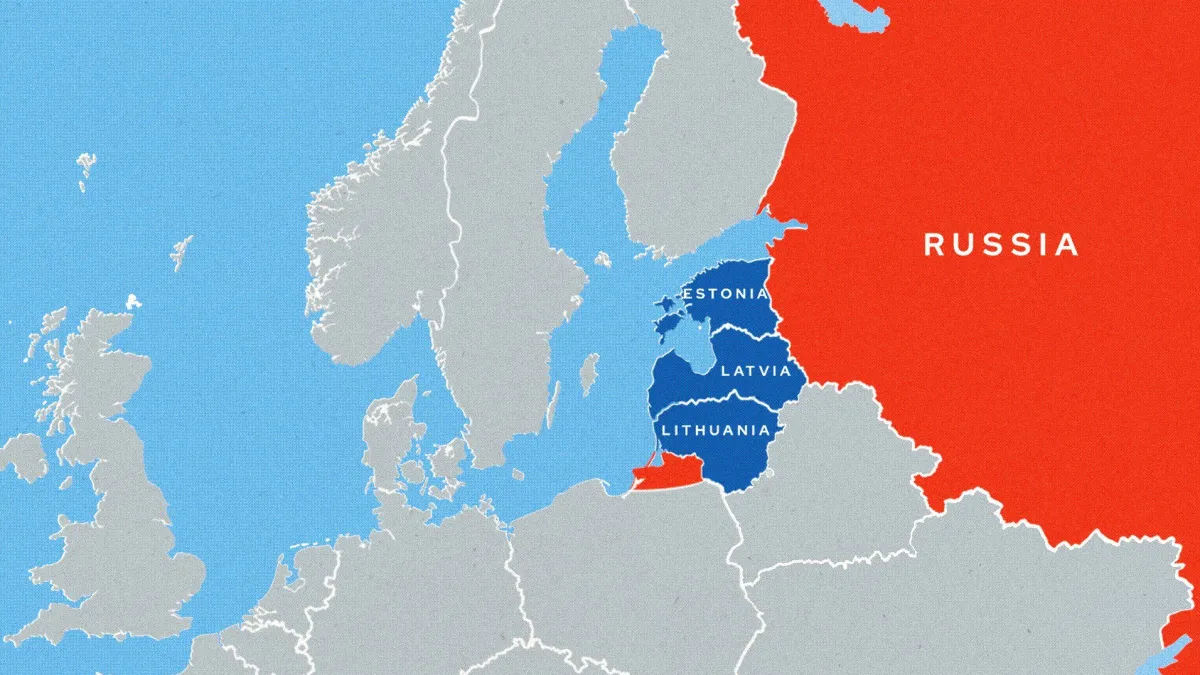
The Baltic states
Russia is consistently testing the boundaries of what it can do against the Baltic states and their allies without provoking a decisive response. The pattern of actions linked to Russia ranges from drone incursions and sabotage of critical infrastructure to arson, assassination plots, cyber operations, and GPS jamming and spoofing.