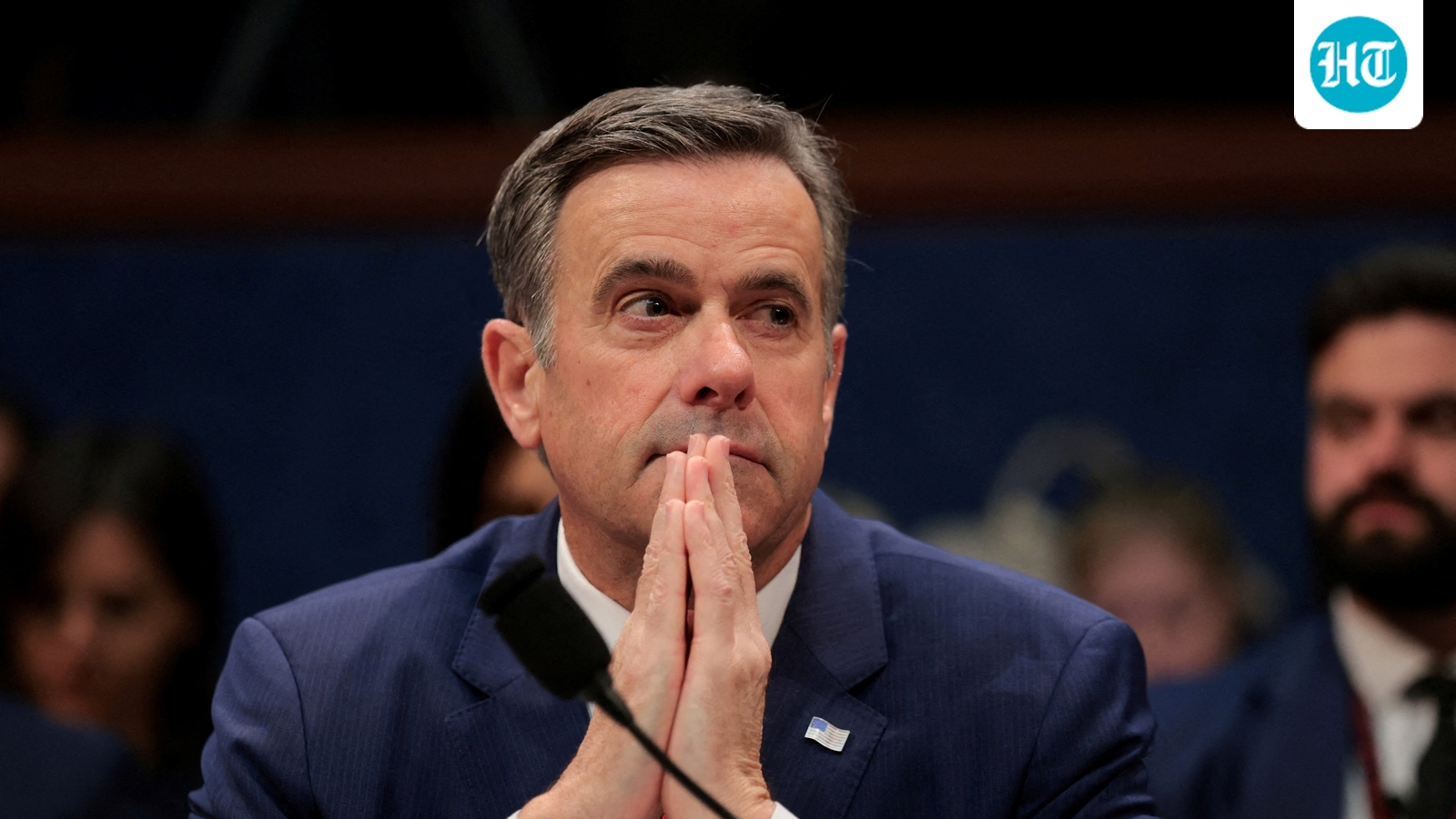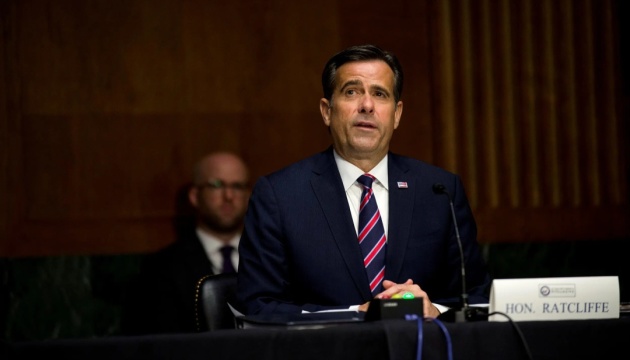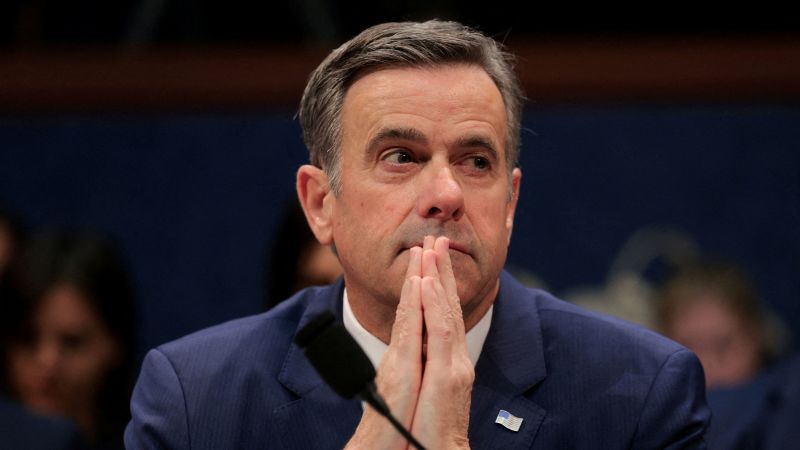
WASHINGTON -- A week after CIA Director John Ratcliffe made an unannounced trip to Moscow, questions remain over what prompted the unusual mission and what Washington believes Russia may be preparing to do.Ratcliffe reportedly warned Russian officials against attacking or testing NATO, with particular concern about the Baltic states of Estonia, Latvia, and Lithuania. He also reportedly discussed Russia's support for Iran. US President Donald Trump described the visit as "semi-routine," saying Washington wanted to see the war in Ukraine end, and that "something may come" from it.The CIA has not publicly disclosed the full agenda. The Kremlin said Ratcliffe did not meet with President Vladimir Putin, describing the trip as part of continuing contacts between the two countries' security services.US officials have briefed NATO allies about concerns over Russia's potential behavior, while Ukraine has said it was briefed before and after Ratcliffe's trip.
Ratcliffe's visit was the first publicly known trip to Moscow by a serving CIA director since William Burns traveled there in November 2021, months before Russia launched its full-scale invasion of Ukraine. The comparison raises an obvious question: How serious does intelligence have to be for a CIA director to personally travel to Moscow to deliver a warning?For Edward Bogan, a retired CIA operations officer with 24 years of national-security experience, the intelligence did not necessarily have to amount to a highest-confidence assessment. But the decision to send the CIA director suggests Washington considered the threat credible and important enough to warrant a face-to-face warning."The fact that a director would get on a plane and come over suggests to me that it was a credible threat, and that it was important to say face to face, you know, don't do this, irrespective of what we know," Bogan told RFE/RL.That does not mean US intelligence has concluded Russia has decided to attack a NATO member or that an attack is imminent. But it suggests Washington saw enough potential risk to communicate directly with Moscow.A Warning -- And DeterrenceThe reported focus on the Baltics is significant. All three countries are NATO members and former Soviet republics, and all three share borders with Russia.The concern may not be that Moscow is preparing for a major war with NATO. A more limited military action or hybrid operation could instead test whether the alliance would respond collectively and whether Moscow could exploit divisions among its members.