The first dedicated mission to another star will launch before the end of the decade, if all goes according to plan.A nonprofit called the Fermi Explorer Mission announced today (Sept. 1) that it plans to send a small probe toward Alpha Centauri by 2029. But none of us will live to see the interstellar spacecraft's historic arrival; its journey is expected to take about 80,000 years."We hope to be both the first to leave and the last to arrive at Alpha Centauri," Philip Johnston, co-founder and president of the Fermi Explorer Mission, said in a statement today. "None of us will be here when this journey ends, and that is the point. It's about taking the first achievable step and inspiring future generations to keep pushing beyond the limits we inherited."
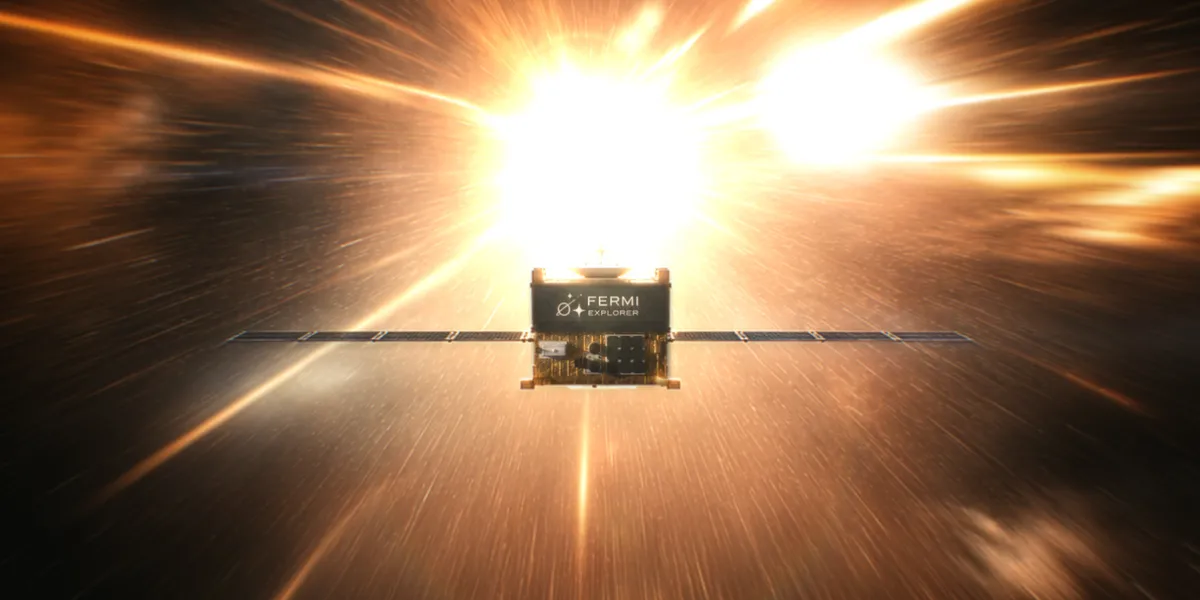
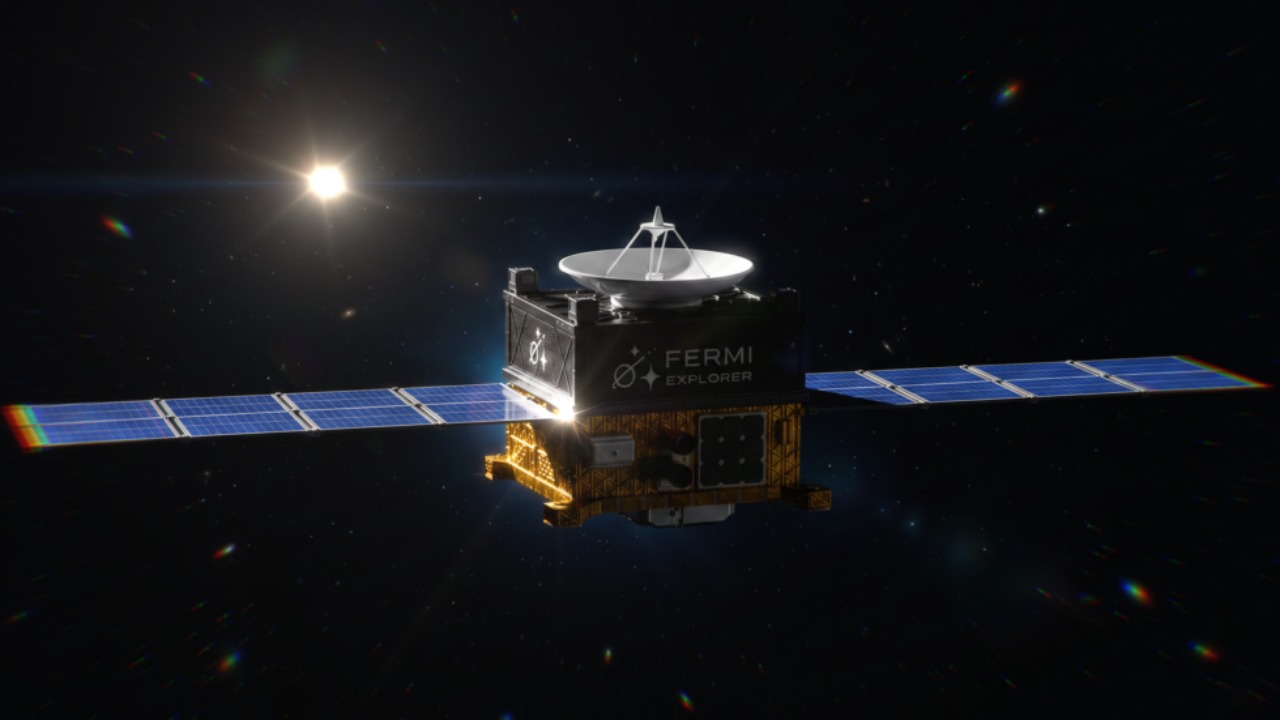
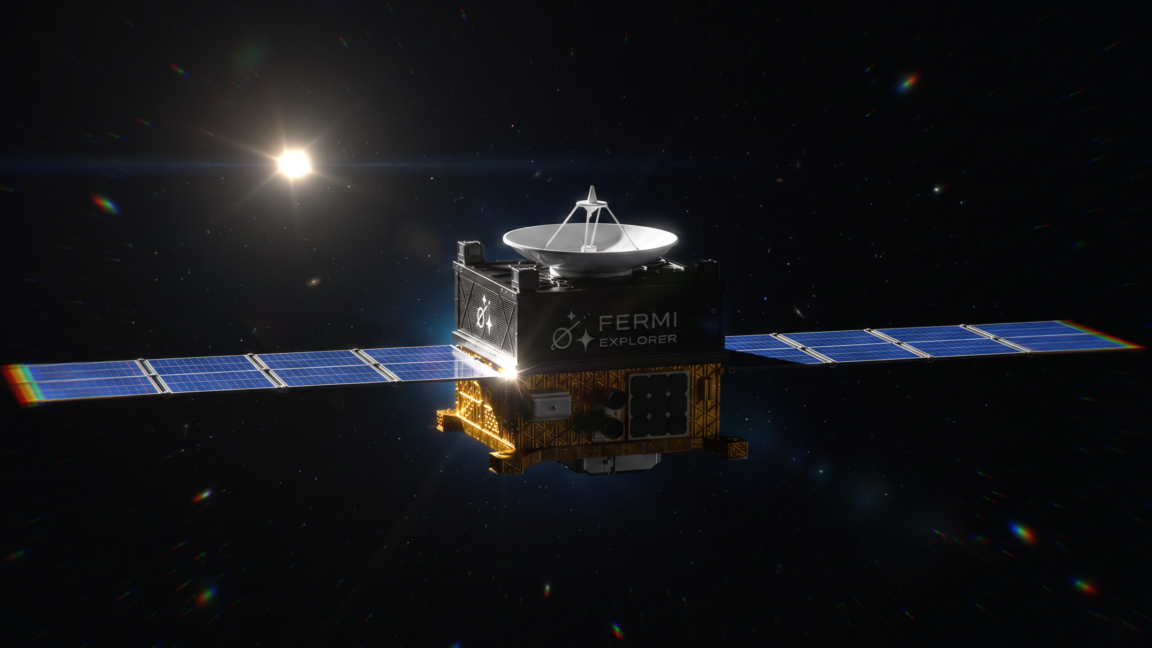
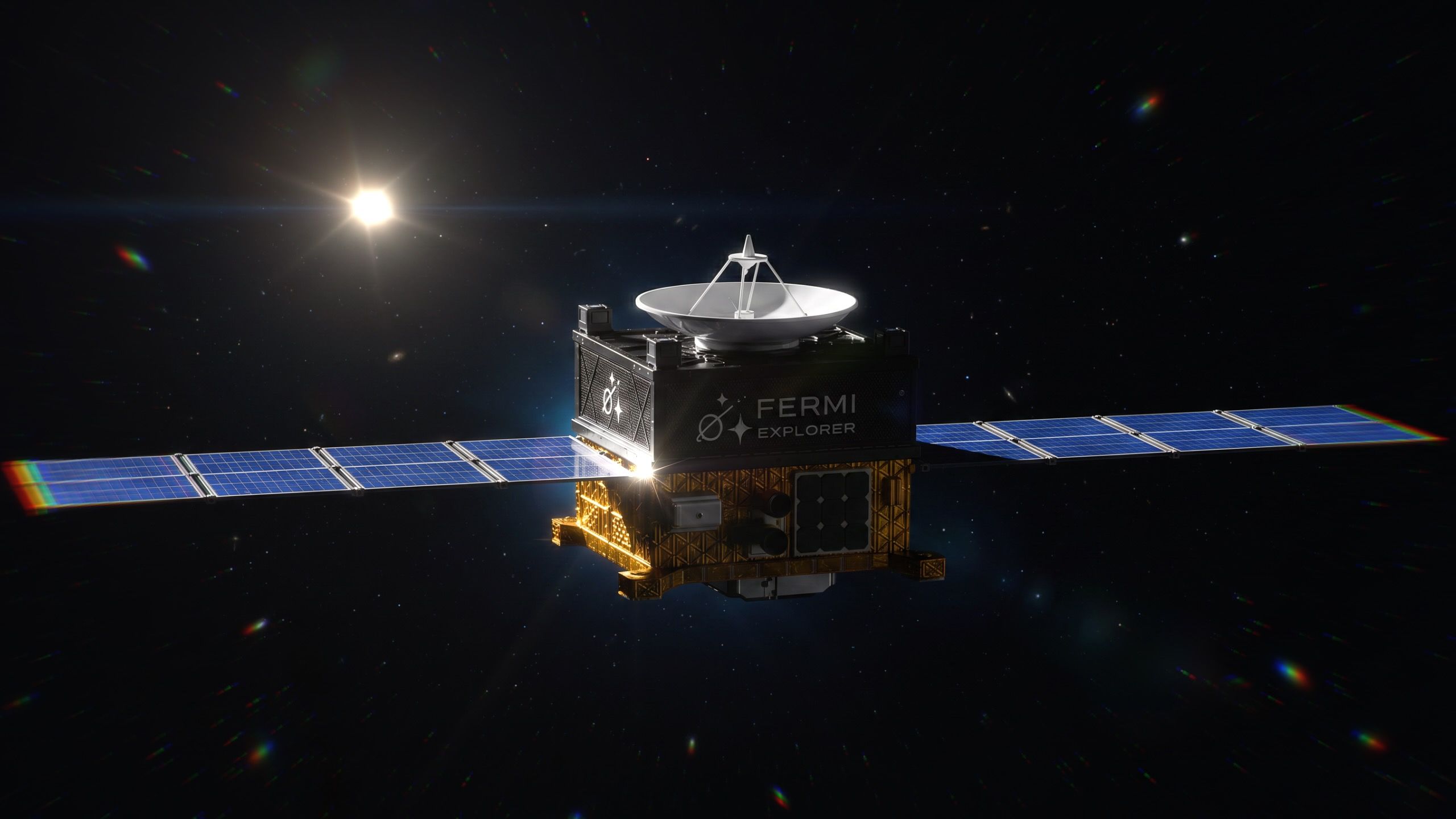
Artist's impression of the planned Fermi Explorer Mission spacecraft, which is targeted to launch toward Alpha Centauri by 2029. (Image credit: Fermi Explorer Mission)Johnston is also co-founder and CEO of Starcloud, a company that plans to operate data centers in space. He started the Fermi Explorer Mission with fellow Starcloud co-founders Ezra Feilden and Adi Oldean. Former U.S. Air Force officer Garrett Jamison leads day-to-day execution of the project. Some big names in the spaceflight world have signed on as advisors, including former Blue Origin president Rob Meyerson and Matt Gialich, co-founder and CEO of the asteroid-mining company AstroForge.The Fermi Explorer project is ambitious but achievable, according to Johnston and his colleagues. They want to launch a spacecraft to the three-star Alpha Centauri system — the sun's nearest stellar neighbor, at about 4.4 light-years away — by 2029.This directed trajectory will be a first. Though NASA's Voyager 1 and Voyager 2 spacecraft are in interstellar space, they're not headed toward any particular star; rather, they're journeying outward on the path they took to complete their "grand tour" of Jupiter, Saturn, Uranus and Neptune.The Fermi Explorer spacecraft will carry at least 2.2 pounds (1 kilogram) of payload, and its entire mission will cost less than $15 million, according to the team. If all goes to plan, the returns on that investment will be considerable."The mission is intended to make the idea of interstellar travel real, and to encourage more people to confront one of humanity's biggest unanswered questions when we look beyond our planet: 'Where is everybody?' (the Fermi Paradox)," the Fermi Explorer team said via X today.