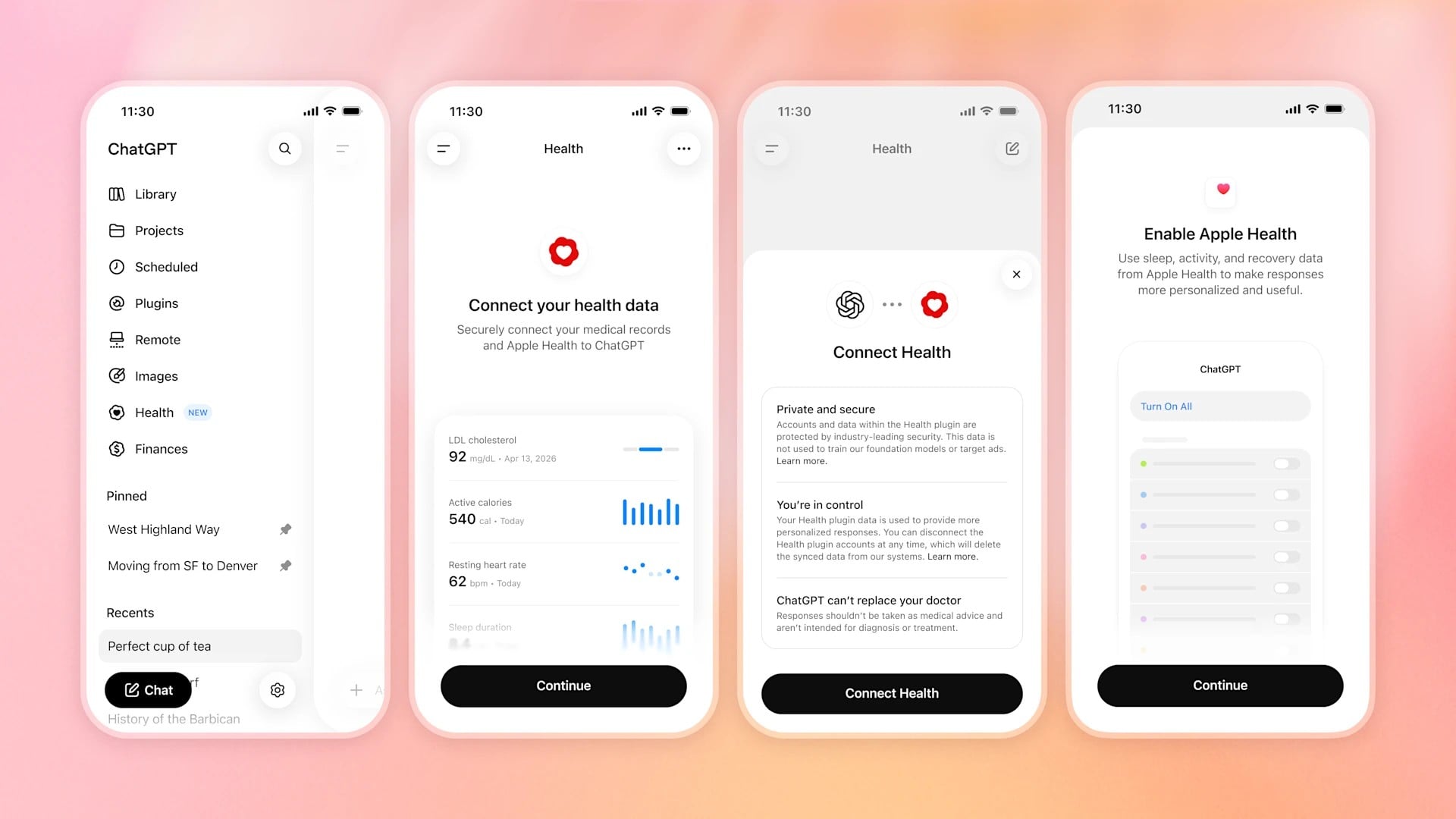
OpenAI has moved well past the chatbot phase of its healthcare ambitions. The company announced an integration with Epic Systems on September 1, 2026, giving clinicians authorized, read-only access to patient records inside ChatGPT for Healthcare.
Epic Systems is one of two dominant electronic health record platforms in the US, alongside Oracle Health. The integration is built specifically for organizational use, meaning hospital systems and clinical teams, not individuals signing into a personal ChatGPT account.
What the integration actually does
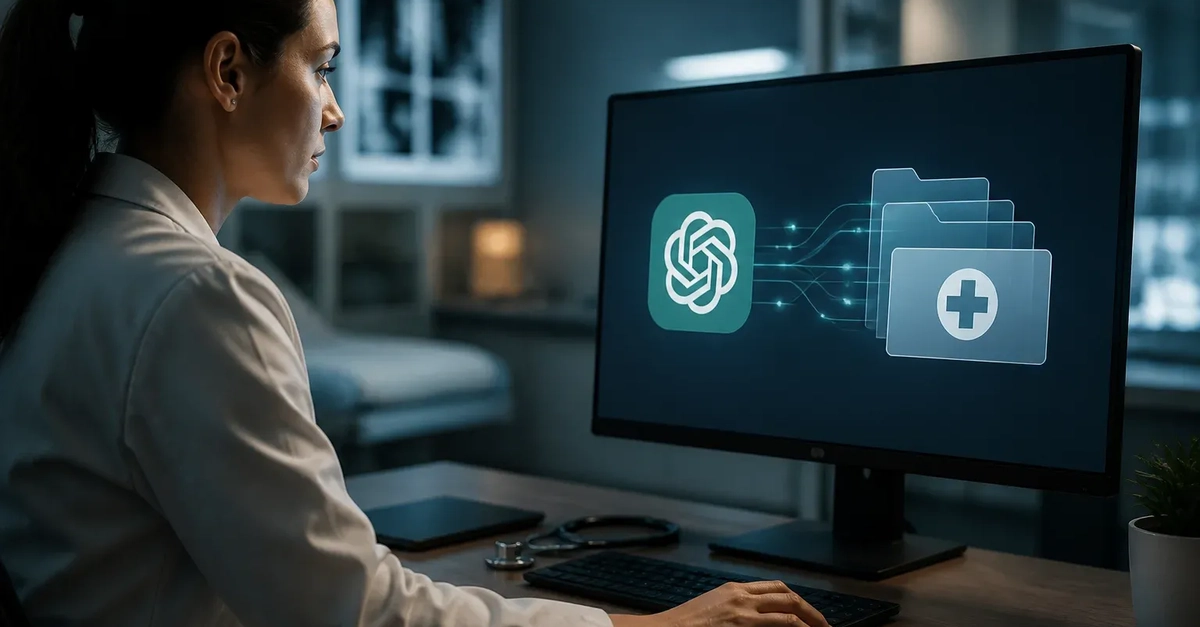
The architecture works in two directions. First, clinicians can pull Epic patient data into a ChatGPT environment to review histories, medications, and lab results, useful for appointment preparation or rapid clinical review. Second, ChatGPT can be embedded directly inside Epic’s own EHR interface, so the AI is surfaced within the clinician’s existing workflow rather than requiring a separate tab or tool.
Access is read-only, which is a deliberate and important constraint. ChatGPT cannot write to the patient record, cannot place orders, and cannot alter clinical documentation through this integration.