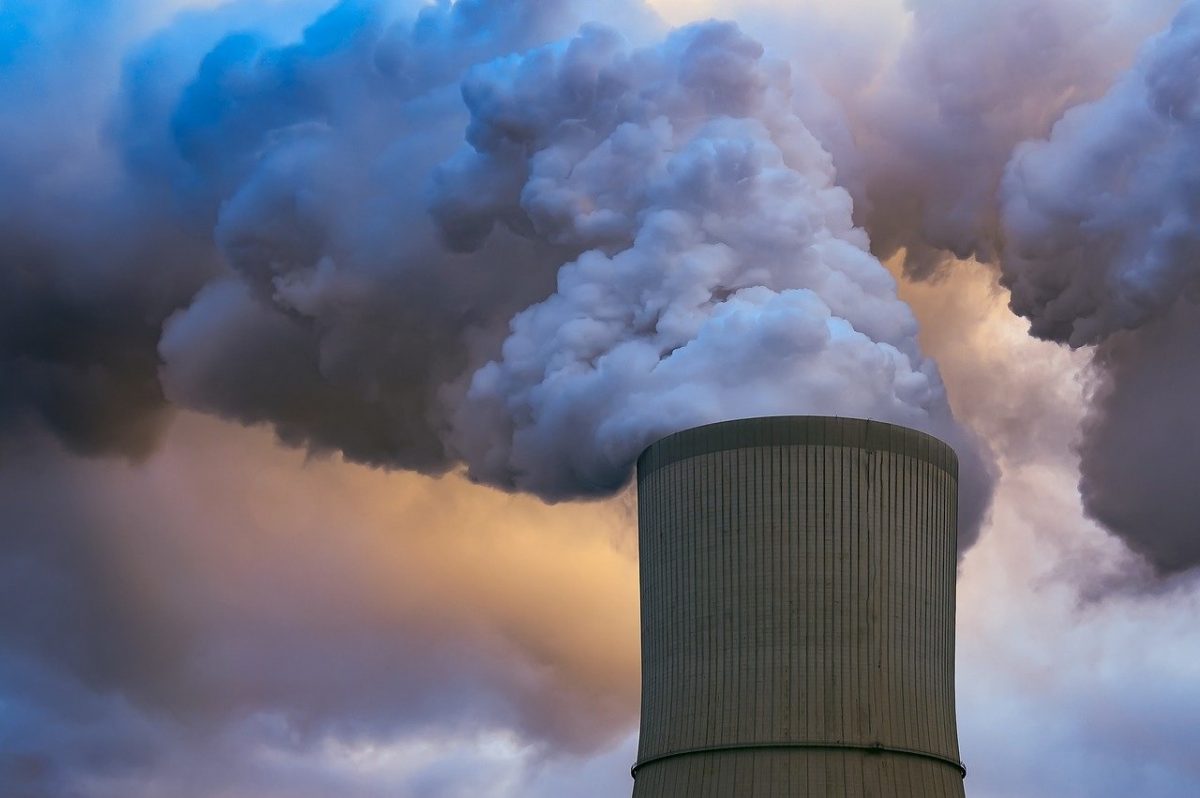
The global apparel and fashion industry is moving in the wrong direction on climate emissions, with greenhouse gas emissions rising 6.3% in 2024 compared to the previous year, despite a growing number of companies investing in renewable energy, cleaner materials and coal phase-outs, according to the Apparel Impact Institute’s latest assessment.
The increase in emissions was driven largely by higher fibre consumption, particularly polyester, putting the European Union's fashion industry further away from its goal of cutting emissions 45% by 2030 from 2019 levels.
Since roughly 80% to 90% of the EU's fashion footprint lies outside of Europe, according to the European Environment Agency, the EU’s sustainability laws are specifically designed to penalise "outsourced" pollution through a few key mechanisms.
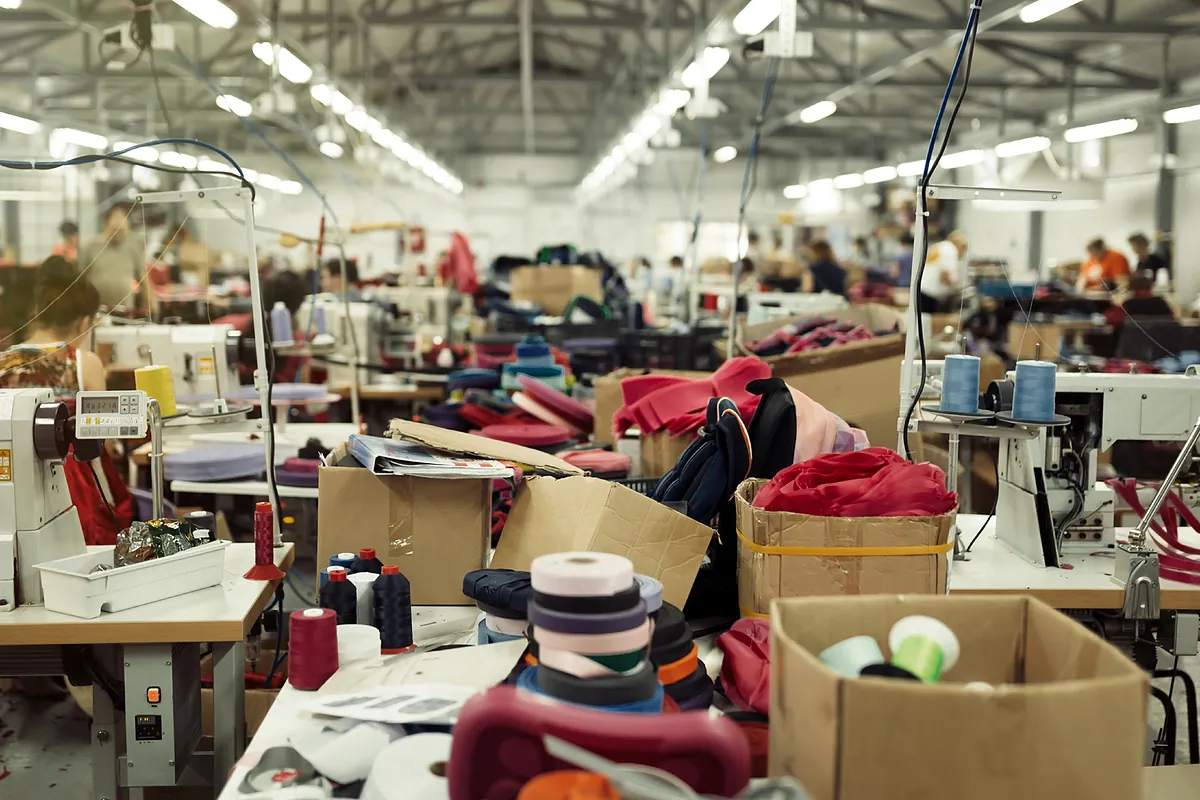
Nonetheless, end-of-life products remain in the EU, with roughly 12.6 million tonnes of textile waste generated in the EU per year.
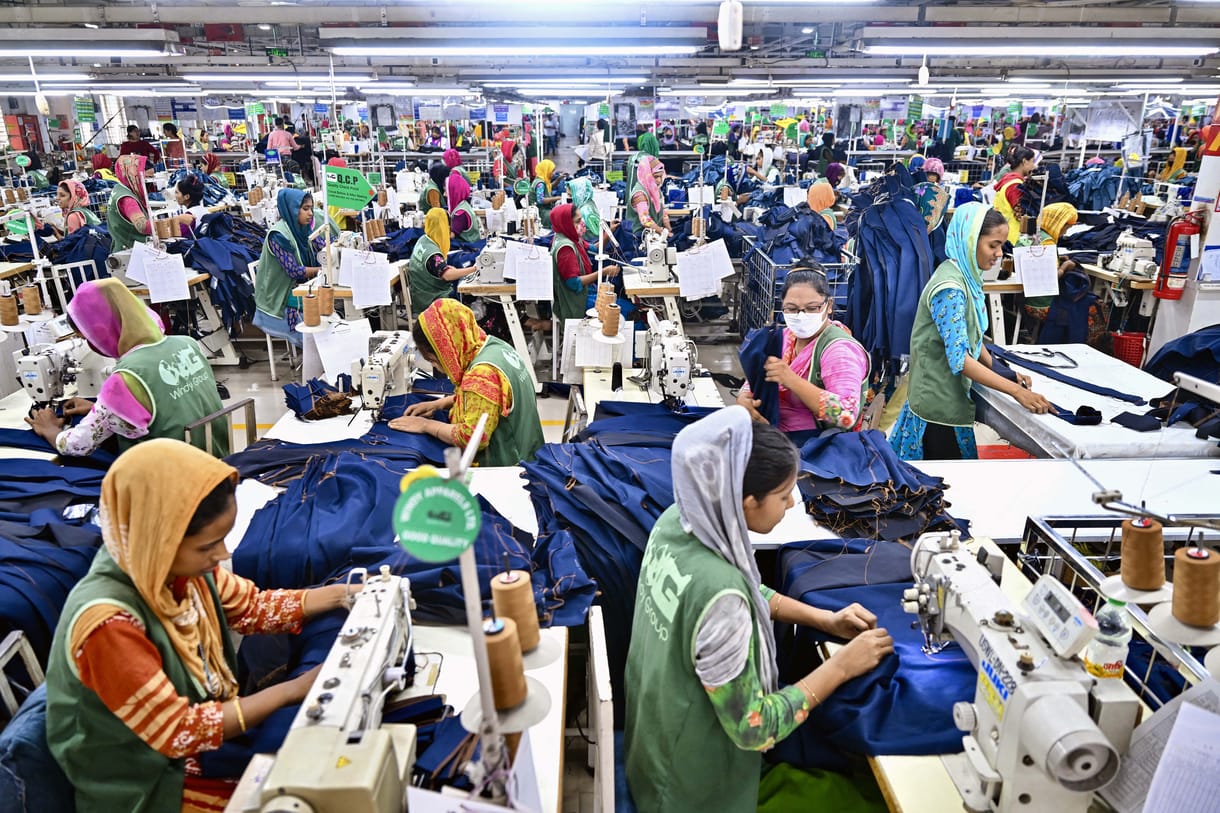
According to the World Integrated Trade Solution, China is the top textile exporter to the EU, with over €26.5 billion in apparel and accounting for roughly one-third of all textile and clothing products sold in Europe. Bangladesh ranks second, followed by Turkey, India, Pakistan, Vietnam and Morocco.