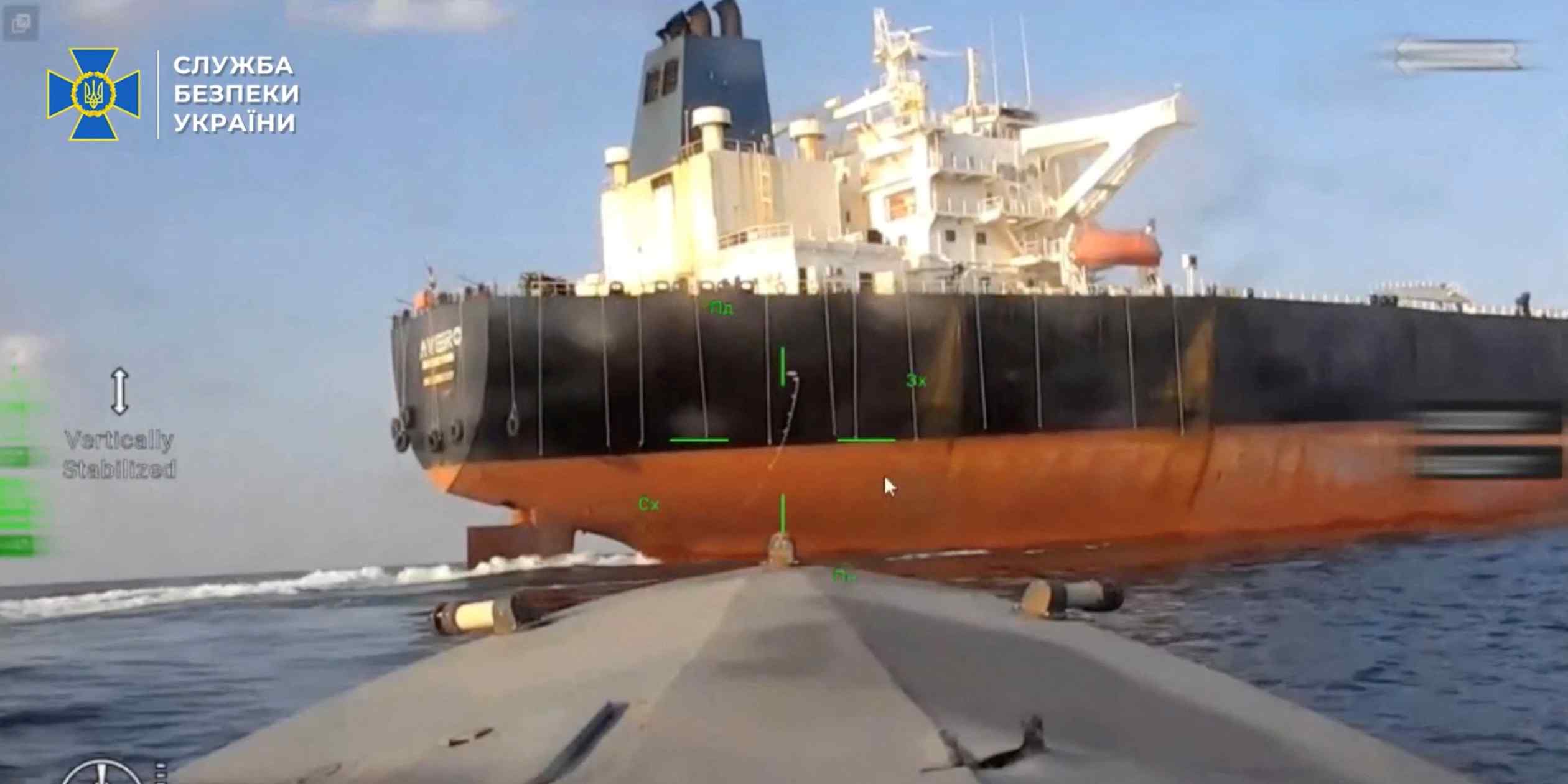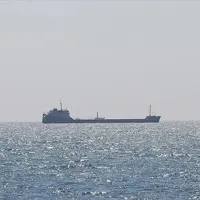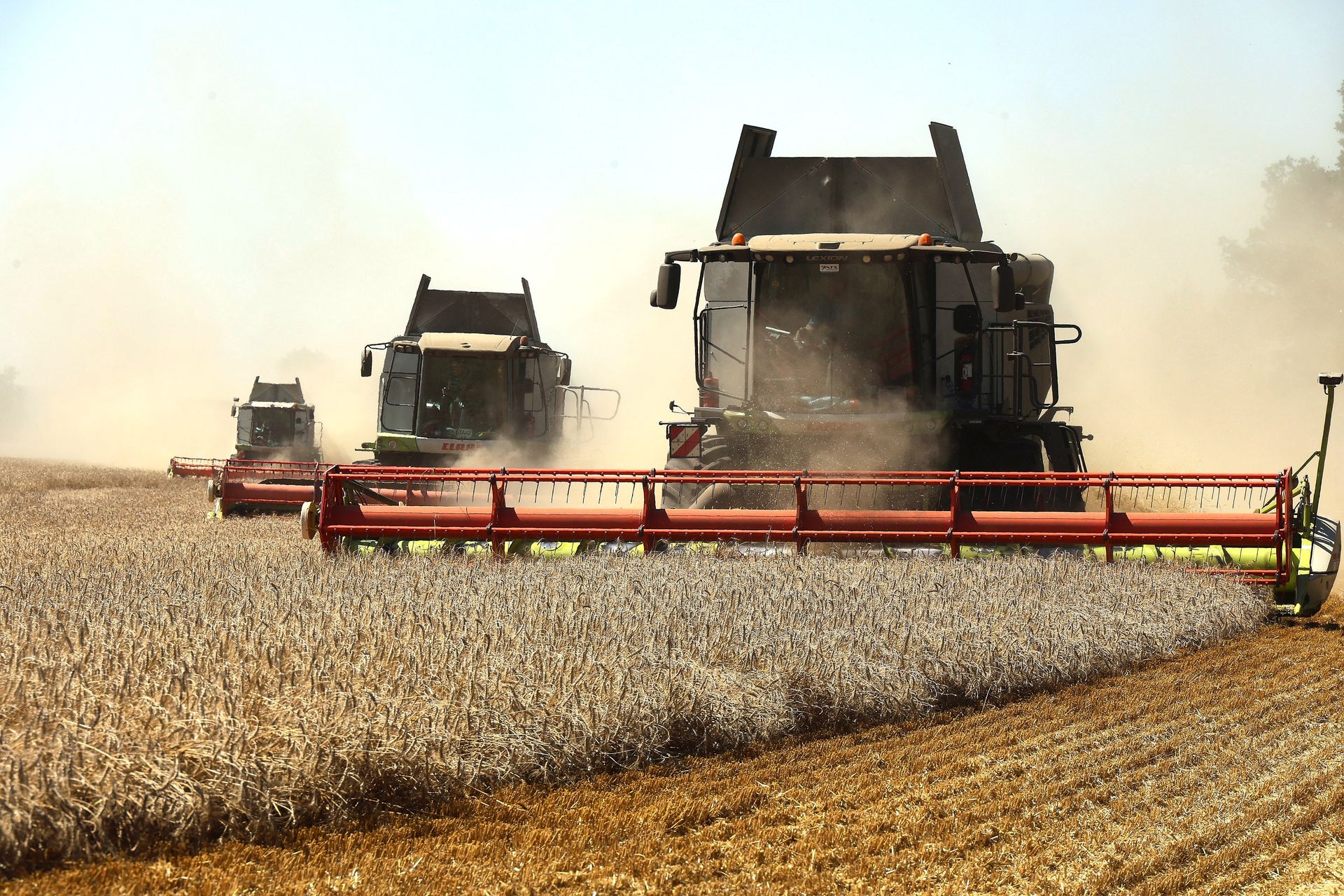
The Black Sea, which normally functions as one of the world’s most critical grain highways, is looking more like a war zone by the week. Russia and Ukraine have ramped up attacks on each other’s commercial vessels and port infrastructure throughout the summer of 2026, throttling grain exports from two of the planet’s largest wheat producers at the worst possible time: peak harvest season.
Wheat prices have climbed nearly 25% since January 2026, hitting their highest levels in three years. For the billions of people in Asia, Africa, and the Middle East who depend on Black Sea grain to keep bread affordable, that’s not an abstract market statistic. It’s a grocery bill that just got a lot heavier.
A summer of strikes and shutdowns
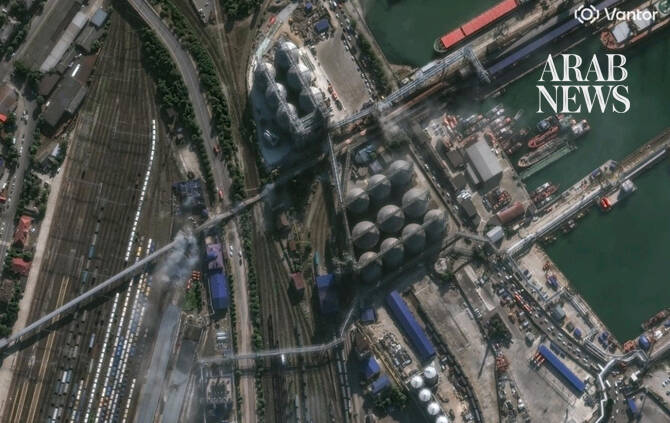
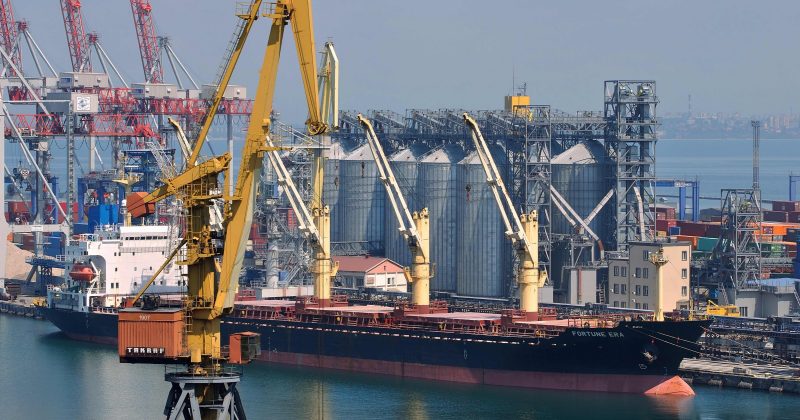
The escalation has been methodical and devastating on both sides. Russian forces carried out 67 strikes on Ukrainian port facilities in July alone, along with 35 attacks on vessels sitting in port. That onslaught slashed export capacity in the Odesa region by roughly one-third.
By late August, vessel traffic at Ukrainian ports had collapsed from a normal pace of seven to eight ships per day down to approximately one. Ukrainian grain exports fell by as much as 75% in early August compared to the same period last year, with volumes potentially dropping to around 4 million metric tons.