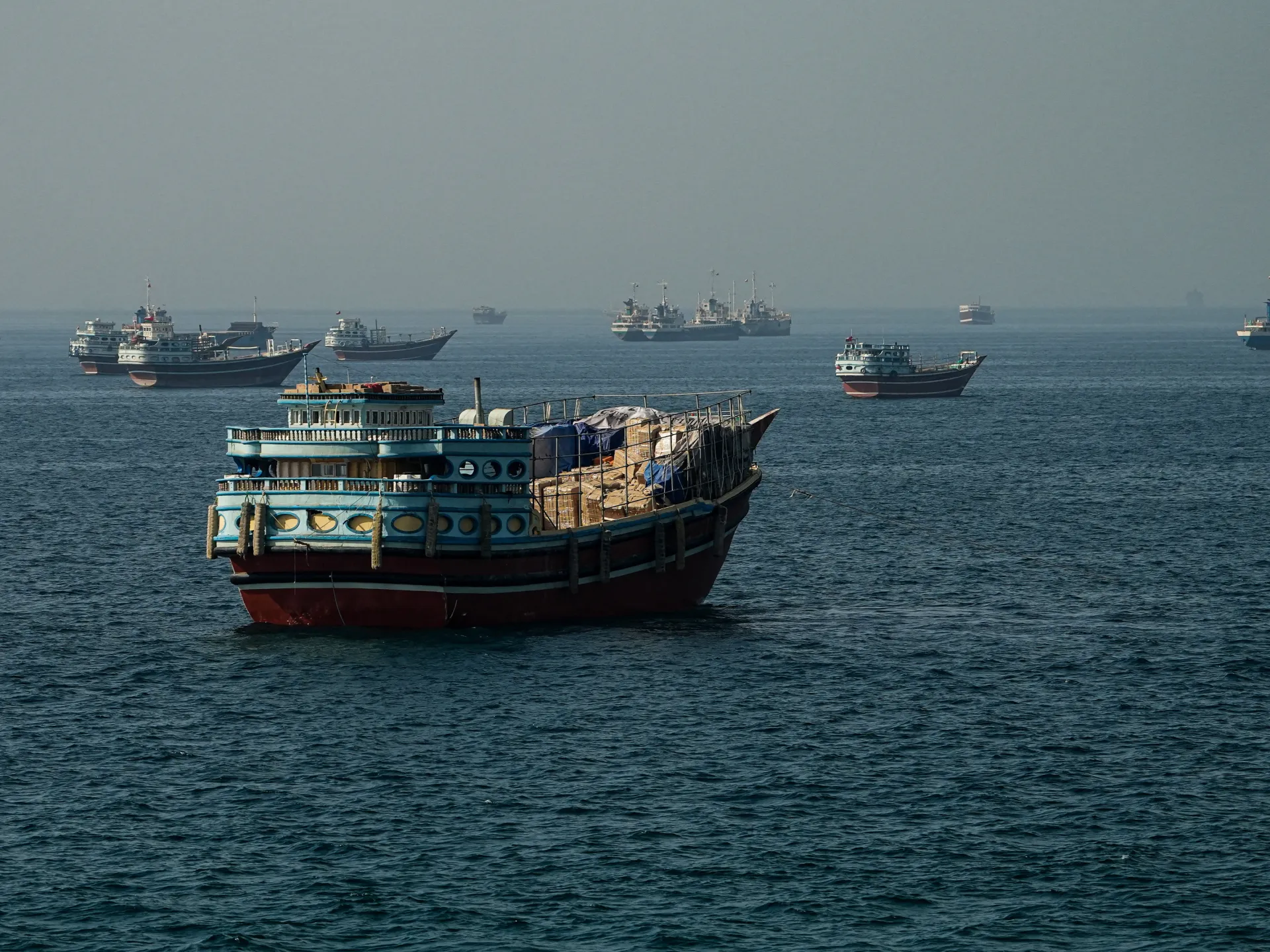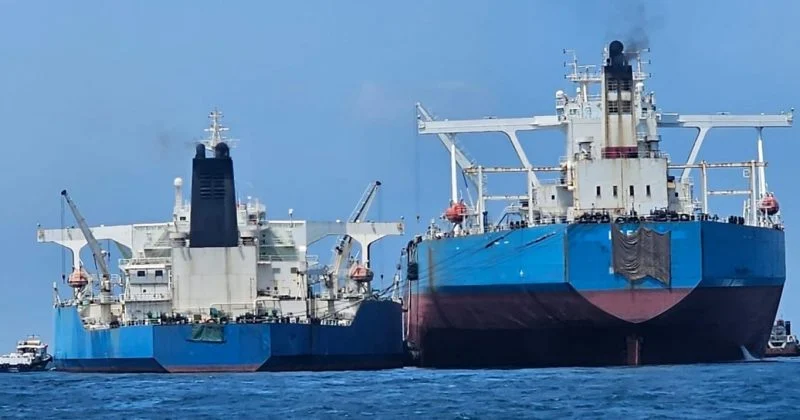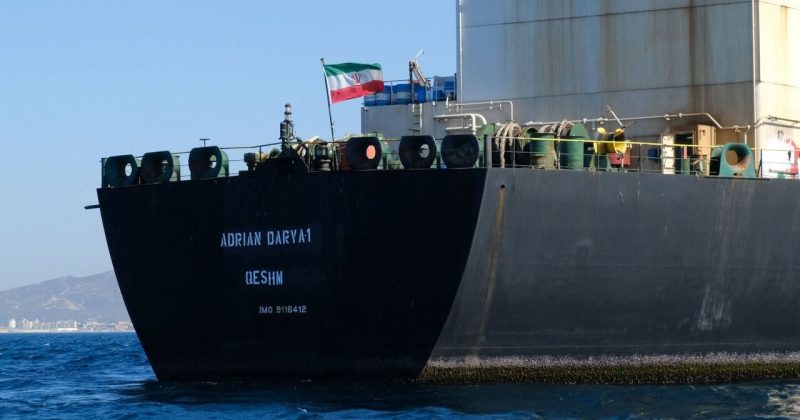
For years, the US tried to squeeze Iran’s oil revenue through sanctions. Iran responded by building a shadow fleet of tankers, rerouting shipments, and finding willing buyers, most notably China. The workaround was so effective that Iranian exports regularly topped 1.3 million barrels per day even under maximum pressure campaigns.
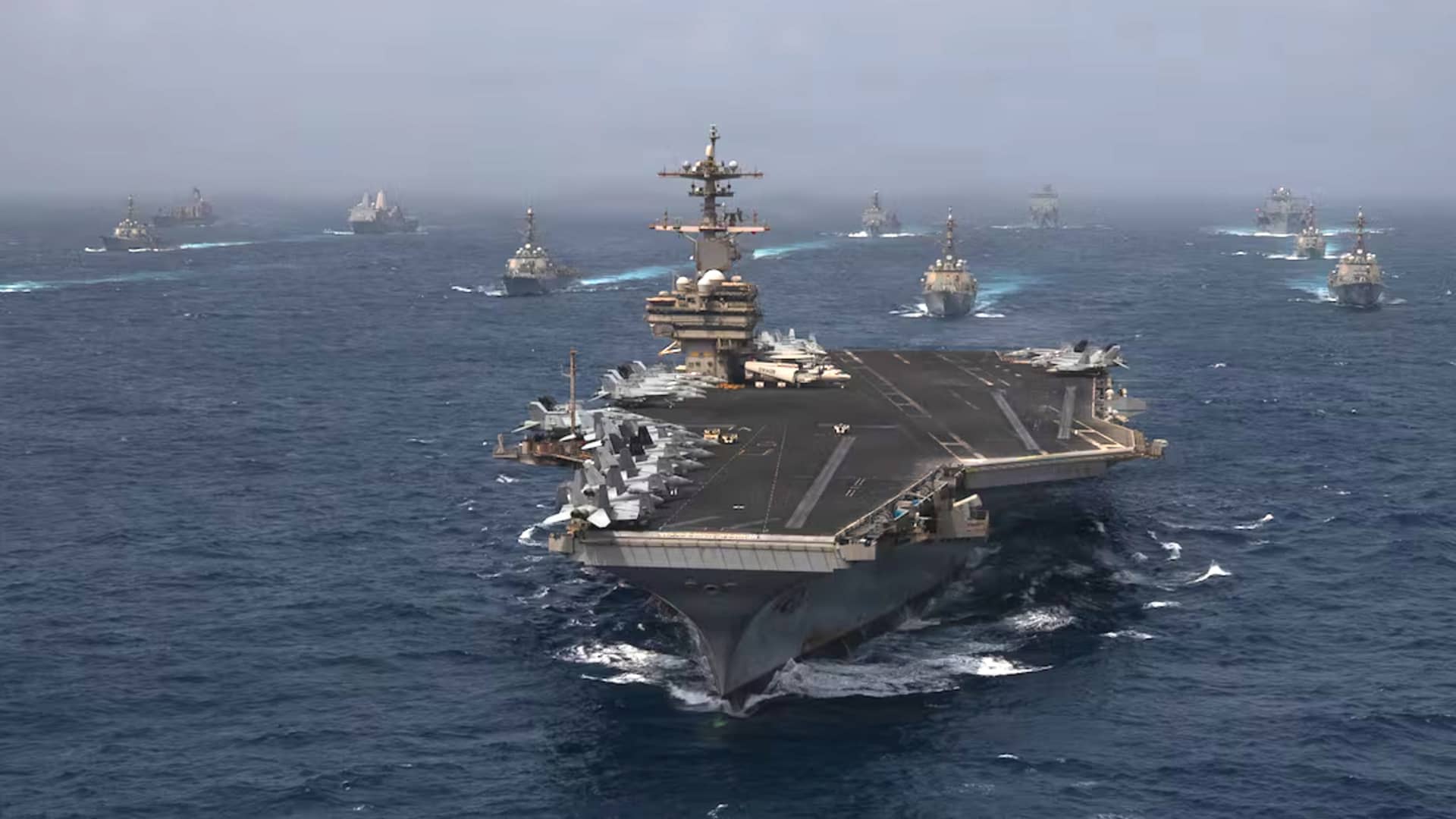
Then in April 2026, the US switched from paperwork to warships. The results have been, to put it mildly, more persuasive.
From 1.9 million barrels to nearly zero
The US naval blockade, launched on April 13, targets vessels moving through the Strait of Hormuz and the Gulf of Oman, the narrow waterways through which virtually all Iranian crude must pass. The impact was immediate and severe.
In the months before the blockade, Iran was exporting between 1.3 and 1.9 million barrels per day. By May, that figure had cratered to somewhere between 209,000 and 260,000 barrels per day, depending on which tracking firm you ask. Vortexa pegged the number at 209,000 bpd while Kpler estimated 260,000 bpd. Either way, those are the lowest export levels Iran has seen since the 2019-2020 period.