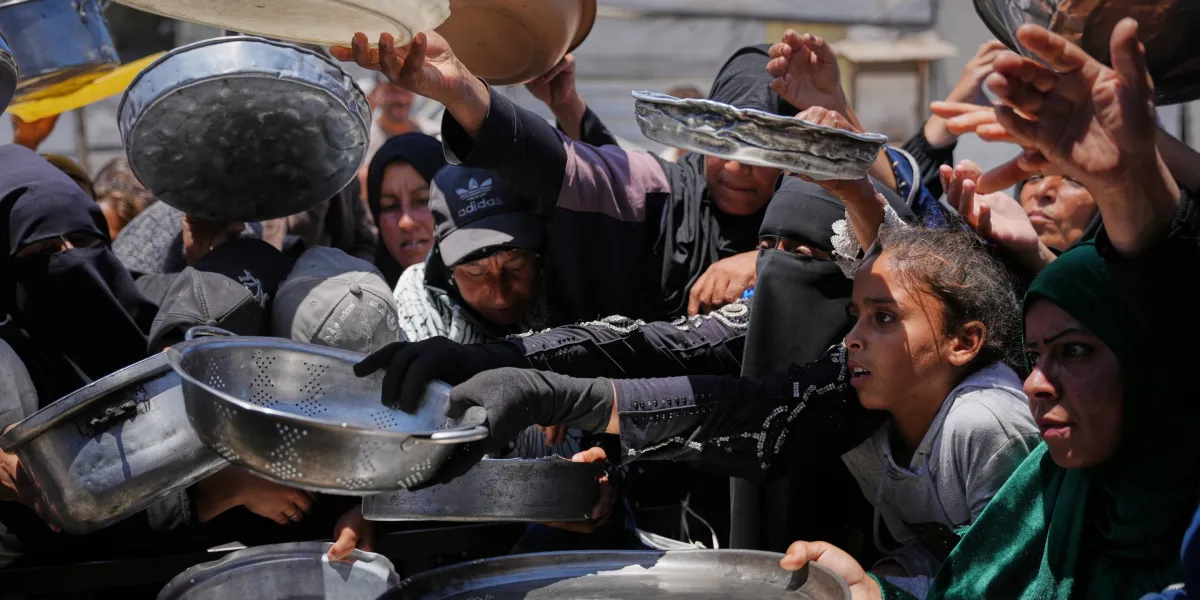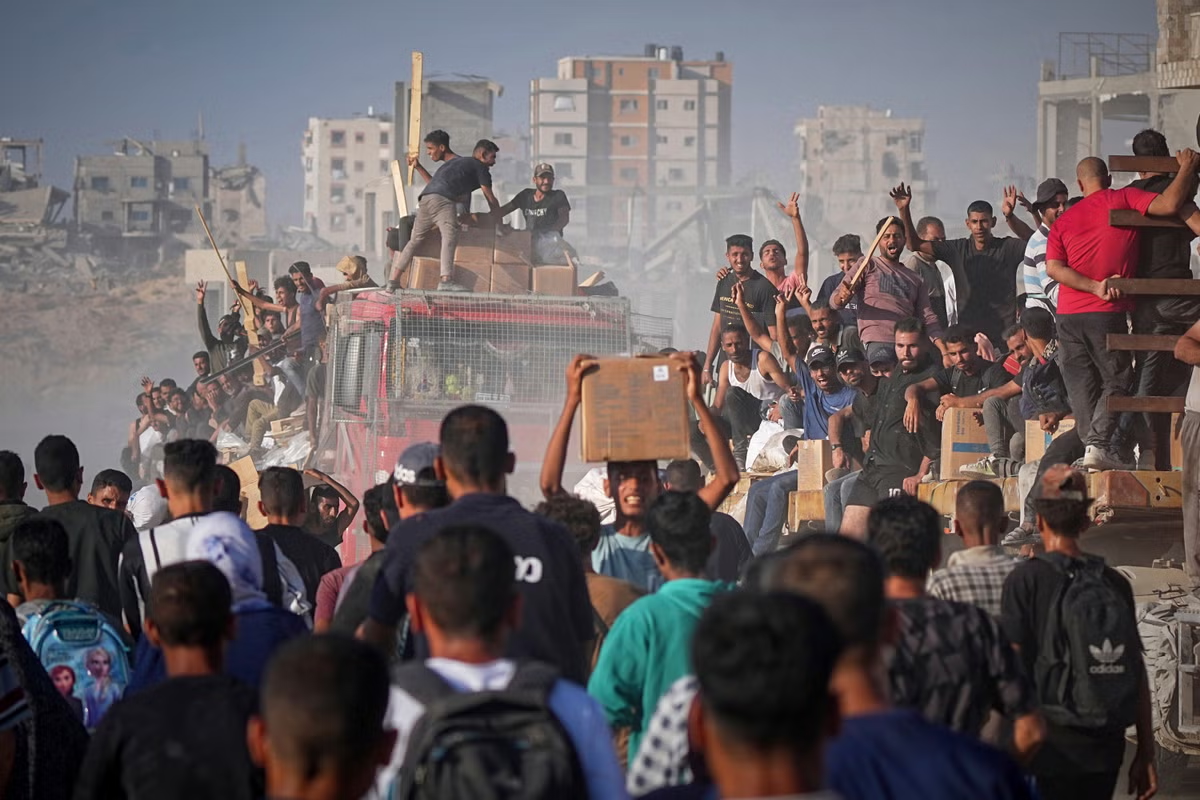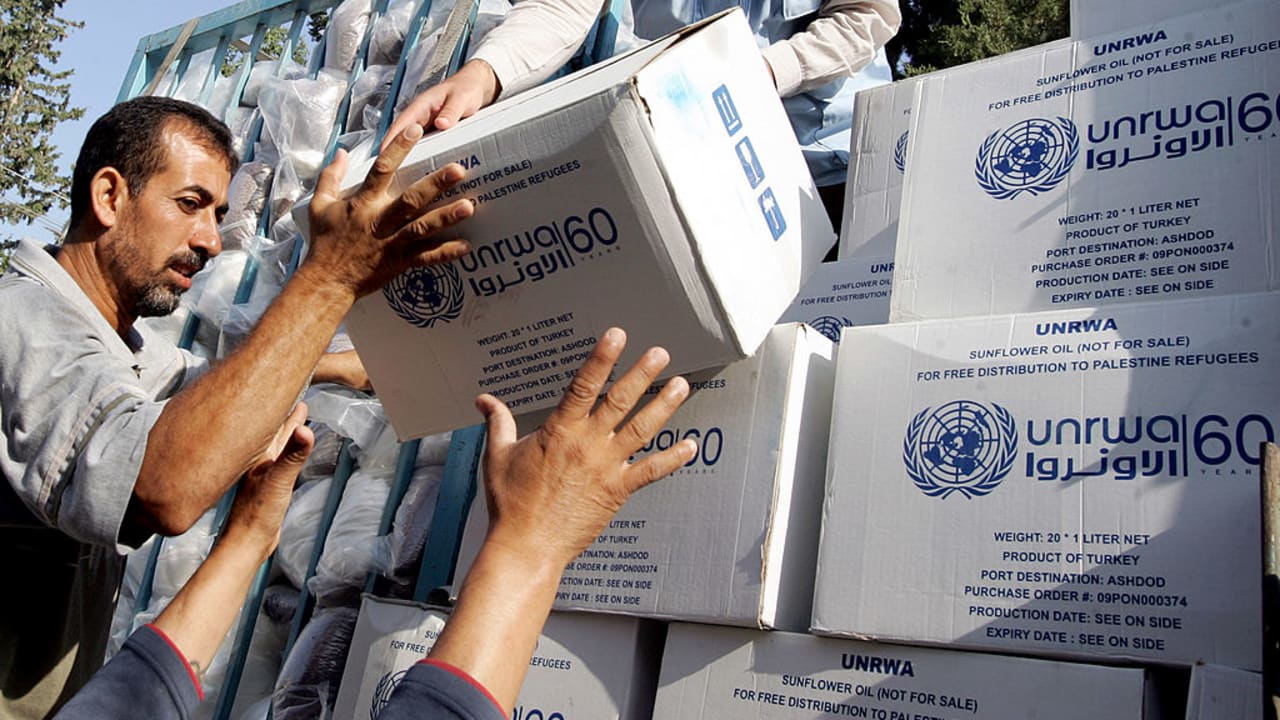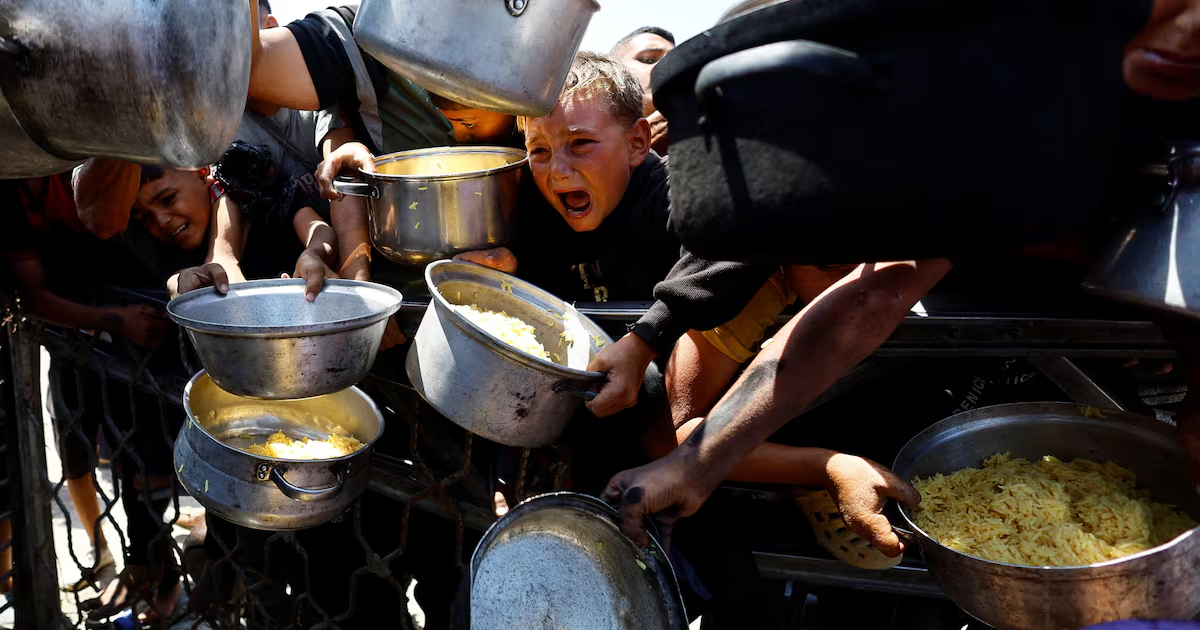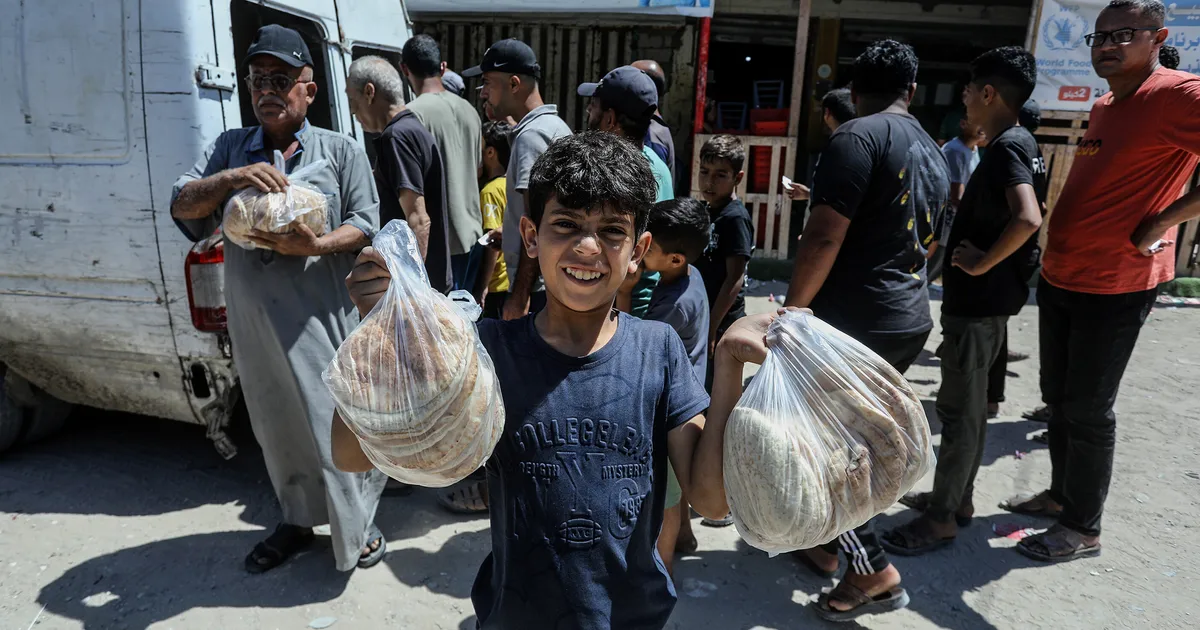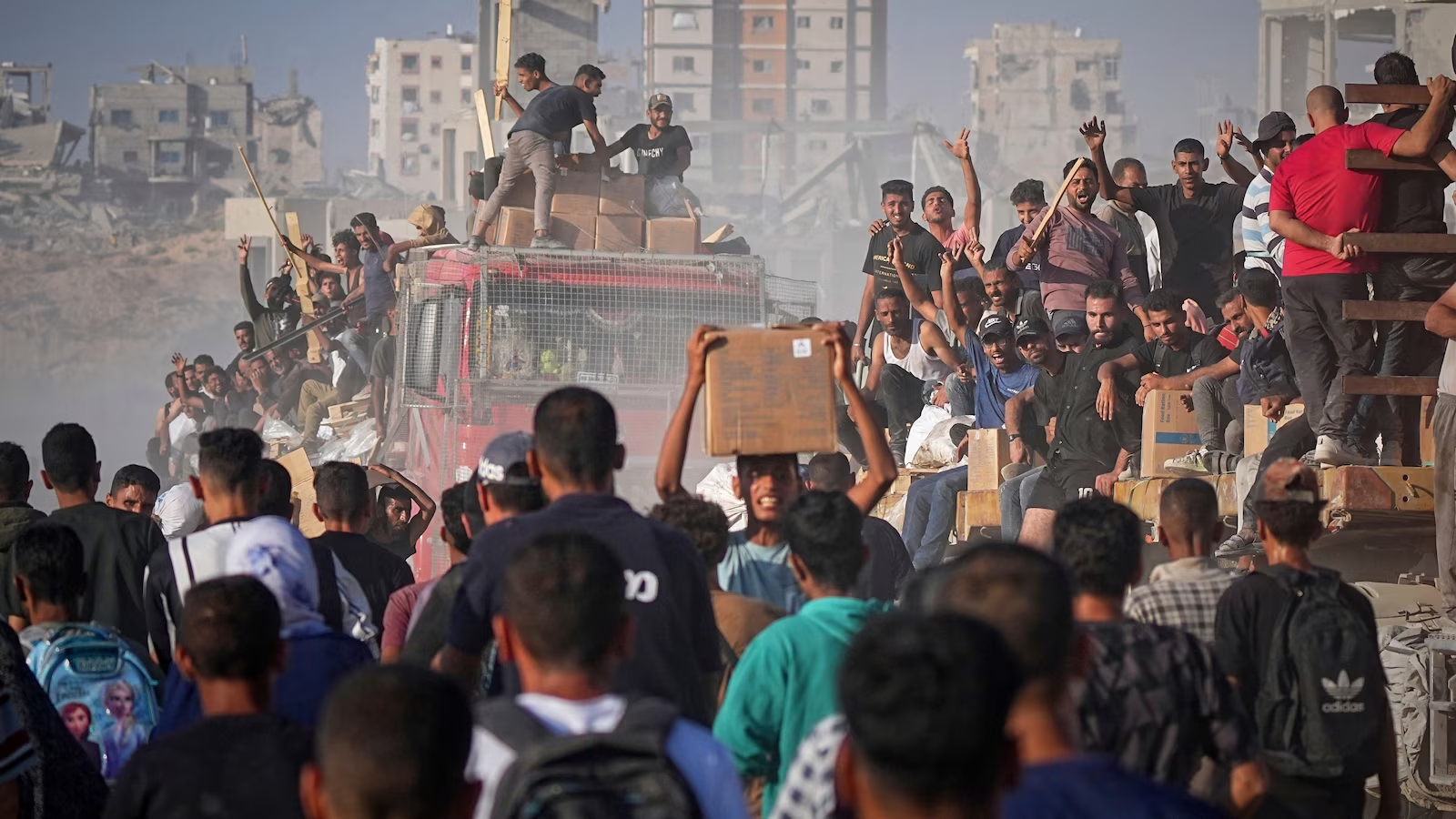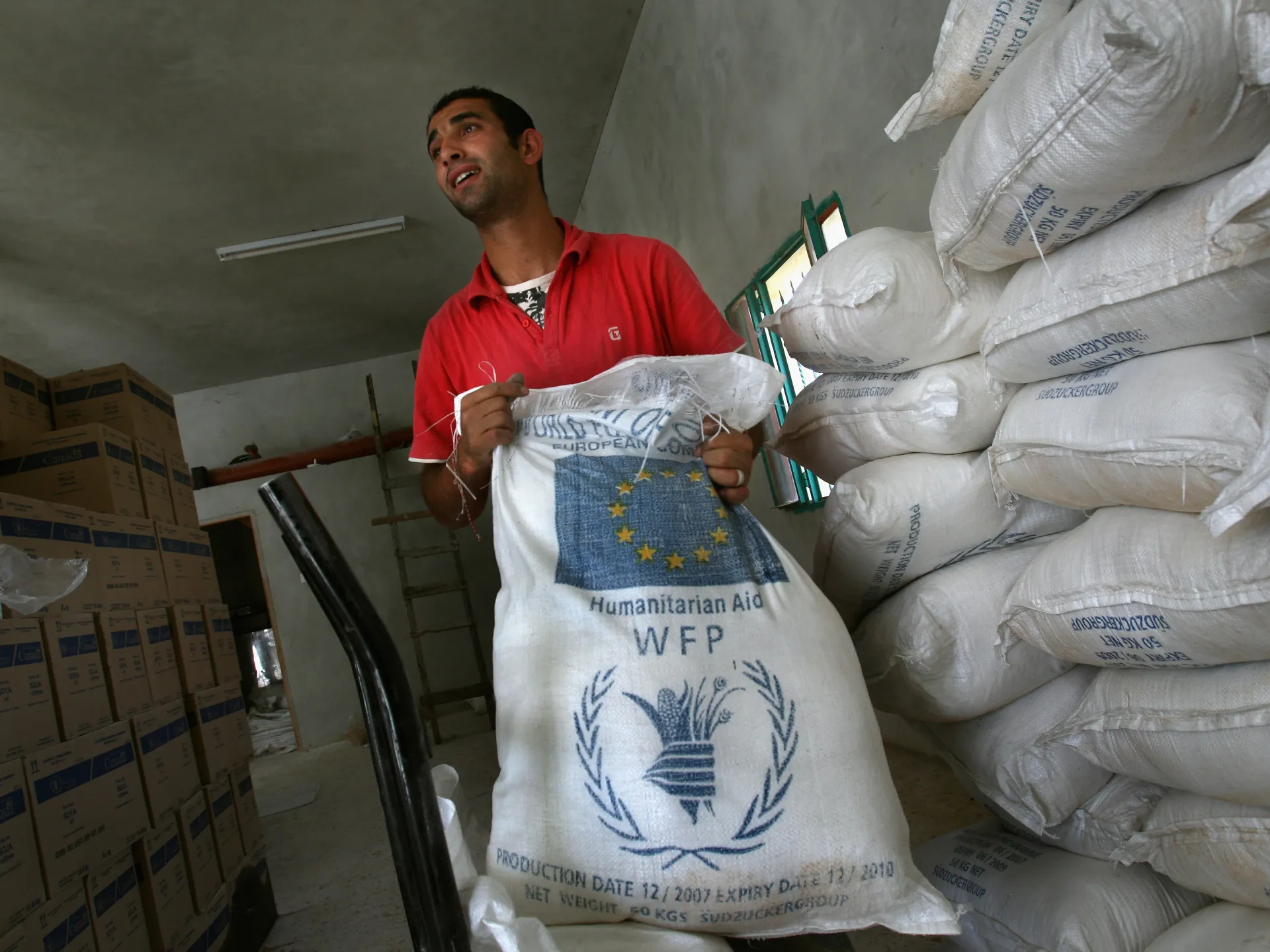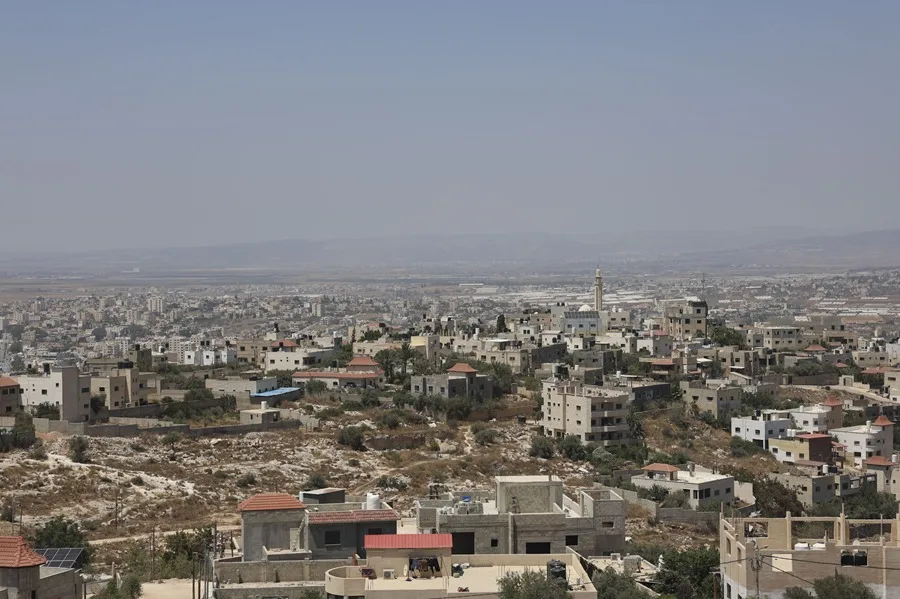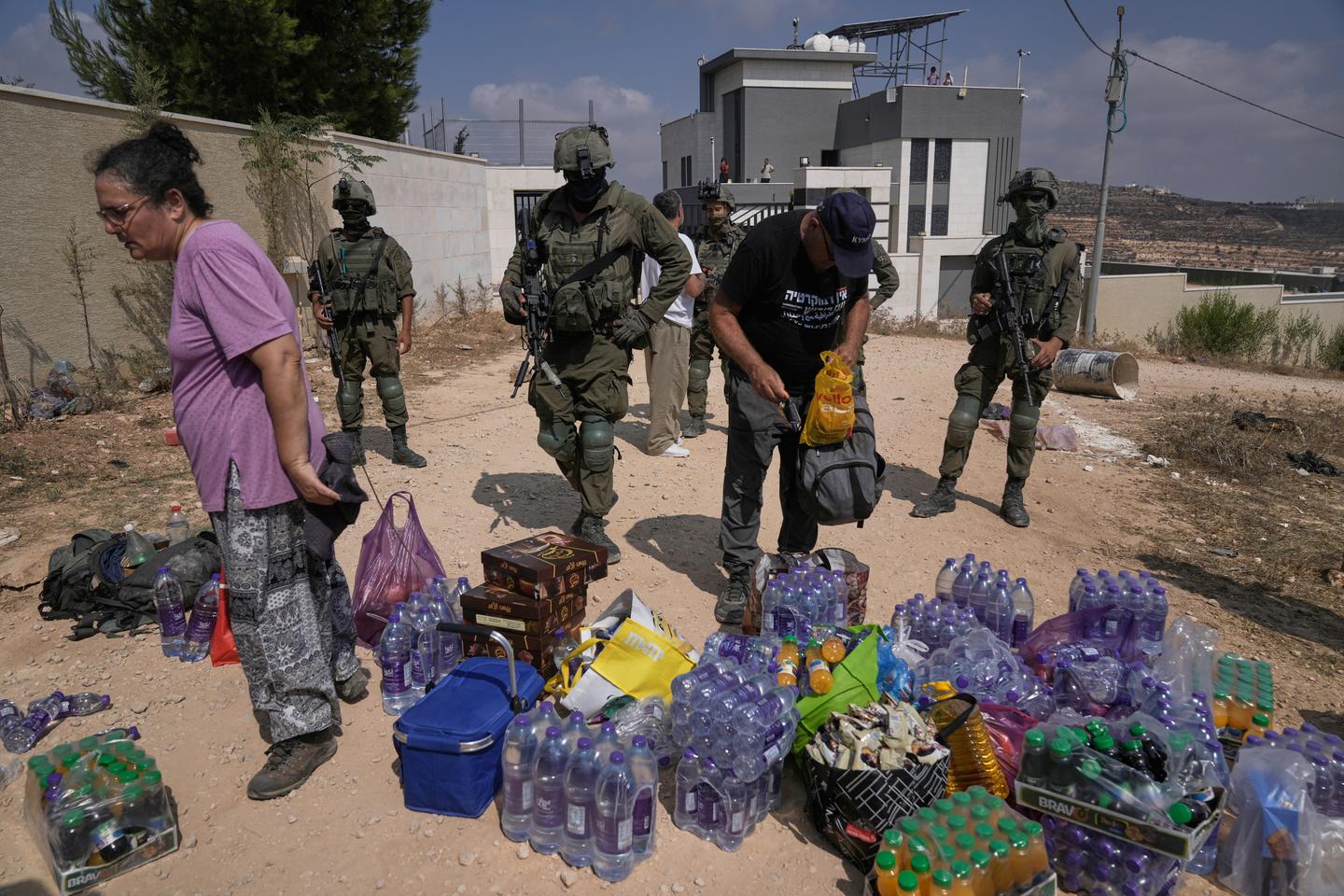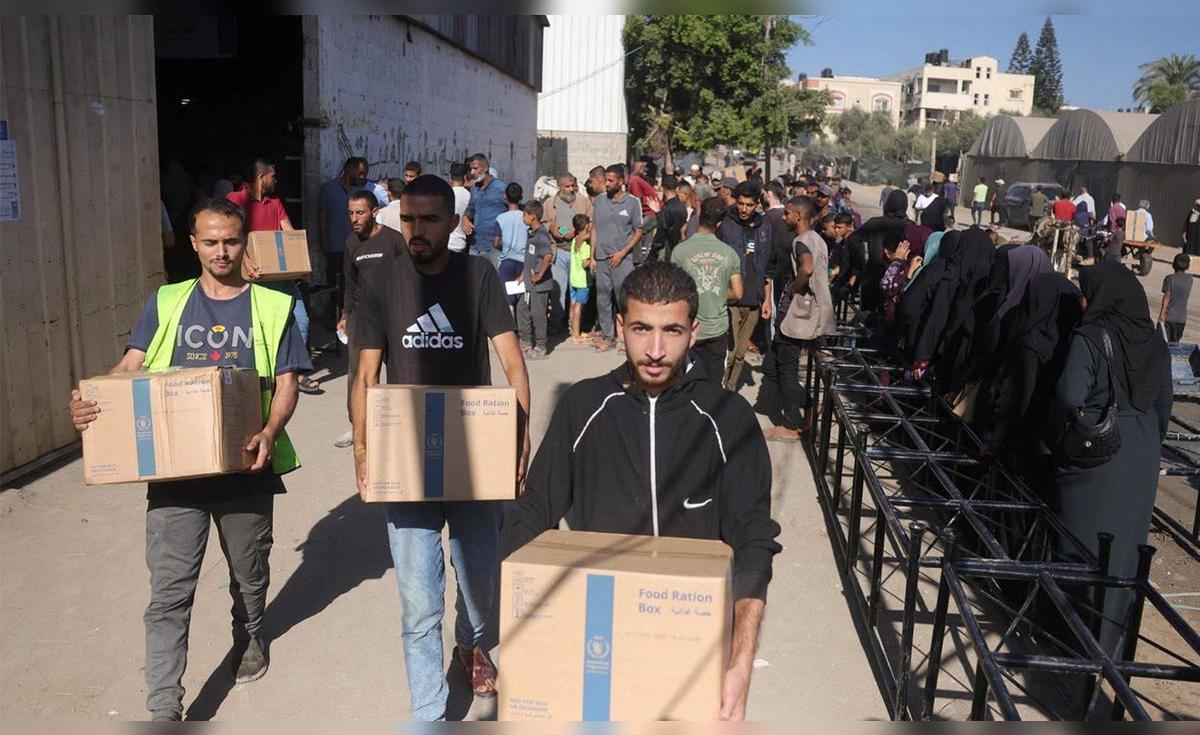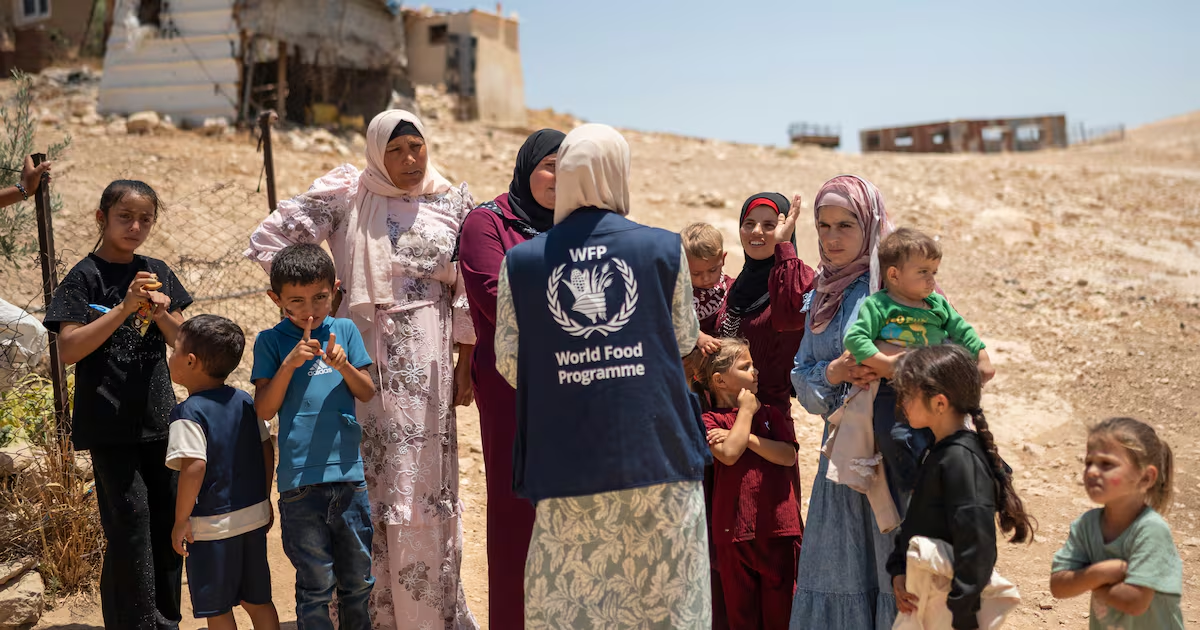
The World Food Programme is to cut the number of people receiving assistance in the occupied West Bank by half because of a lack of funding. The “difficult decision” means 200,000 of the 400,000 people the WFP has been helping will continue to receive cash vouchers, food items, livelihood programmes or nutritional services, the UN body said. The cut will take effect this month.The WFP said the need for assistance in the West Bank had more than doubled since 2023, when an escalation in violence by Israeli forces and illegal settlers caused the forcible displacement of Palestinians and the disruption of livelihoods. It left more than 900,000 Palestinians food insecure. West Bank violence has escalated further in recent months. On Tuesday, Israeli forces carried out demolitions on a farm, official Palestinian media said. In Gaza, residents told The National that Israel had launched at least 15 strikes during a special commando operation against Hamas. Two-thirds of households in the West Bank have experienced a “significant decline in income”, the WFP said, while food and fuel prices remain among the highest in the region.An Israeli bulldozer uproots olive trees from Palestinian farms in Araba village near the West Bank city of Jenin, on Tuesday. EPAShow caption: An Israeli bulldozer uproots olive trees from Palestinian fa…Rural areas have been the most affected, the agency added. Settlers have assaulted farmers, stolen their crops, burnt their land or killed their livestock. “Families who were once thriving and earning a living from their land are now unable to afford enough food,” Shaun Hughes, WFP country director for Palestine, said in a statement.“At a time when WFP should be scaling up assistance to reach more people, we are being forced to make difficult decisions, prioritising the most vulnerable while cutting assistance to others despite widespread needs. We urge the international community to act immediately and step up support for Palestinians.”The funding shortage has also affected WFP operations in Gaza that reach 1.5 million people. In July, the WFP cut the cash value of assistance for 375,000 people by 40 per cent and warned of further cuts if the lack of funding continued. “Over the next six months from September 2026, WFP urgently requires an additional $386 million to serve an estimated two million food-insecure people across Gaza and the West Bank,” the statement said. Aid operations in Gaza are already suffering under an Israeli blockade, despite a fragile ceasefire that stipulates the free flow of humanitarian assistance into the enclave.British charity Medical Aid for Palestinians said on Tuesday that three UN warehouses had been damaged in Gaza's Deir Al Balah during an Israeli strike, while other warehouses operated by the group's partner were extensively damaged in a similar incident in the past week. Nearly all of Gaza's population of 2.1 million – more than 1.9 million people – need “shelter and essential non-food assistance”, the charity added.Natasha Hall, senior advocate for the Middle East at Refugees International, said pressure on the Palestinian economy had increased the need for humanitarian assistance just as such funding was shrinking. She highlighted the loss of work permits in Israel for hundreds of thousands of Palestinians, as well as an increase in settler violence, among the issues fuelling humanitarian need.“Humanitarian aid has long been a Band-Aid for political and economic issues that could be resolved in quick order should the Israeli government stop putting the squeeze on the PA [Palestinian Authority] and the economy in the West Bank,” Ms Hall said. “Effectively, financially and economically, this area is under siege, and so that reinforces the need for the WFP and for humanitarian assistance.”Ms Hall, who has lived and worked across the Middle East, also noted that WFP's funding crisis extended far beyond Palestine, impacting other countries including Syria.
World Food Programme halves number of aid recipients in West Bank | The National
Need for assistance in occupied Palestinian territory has doubled since 2023, UN body warns
627 words~3 min read