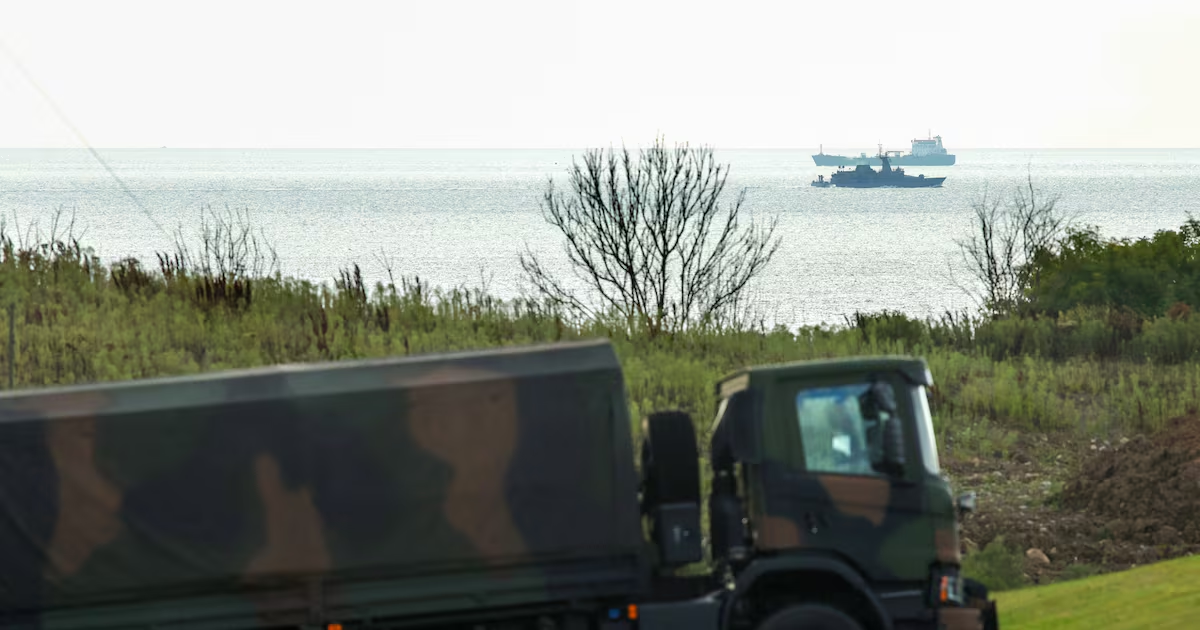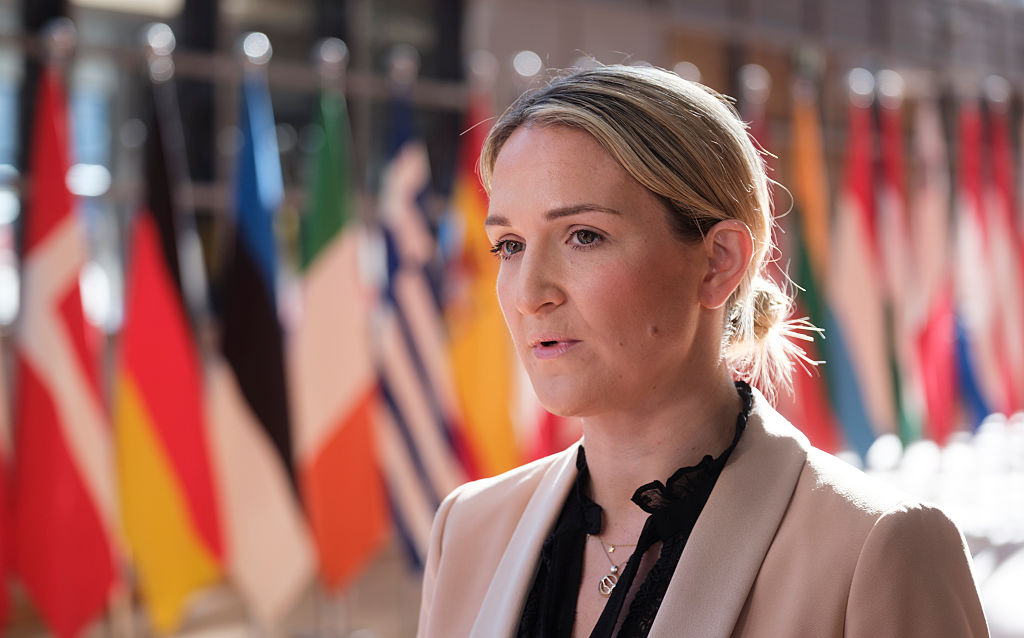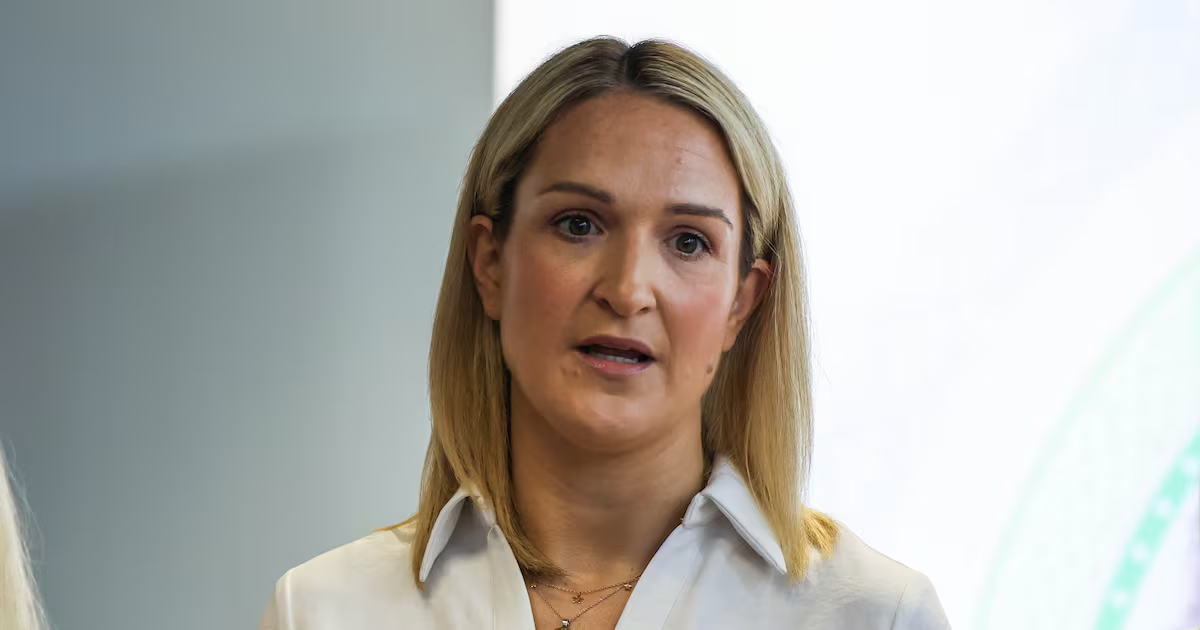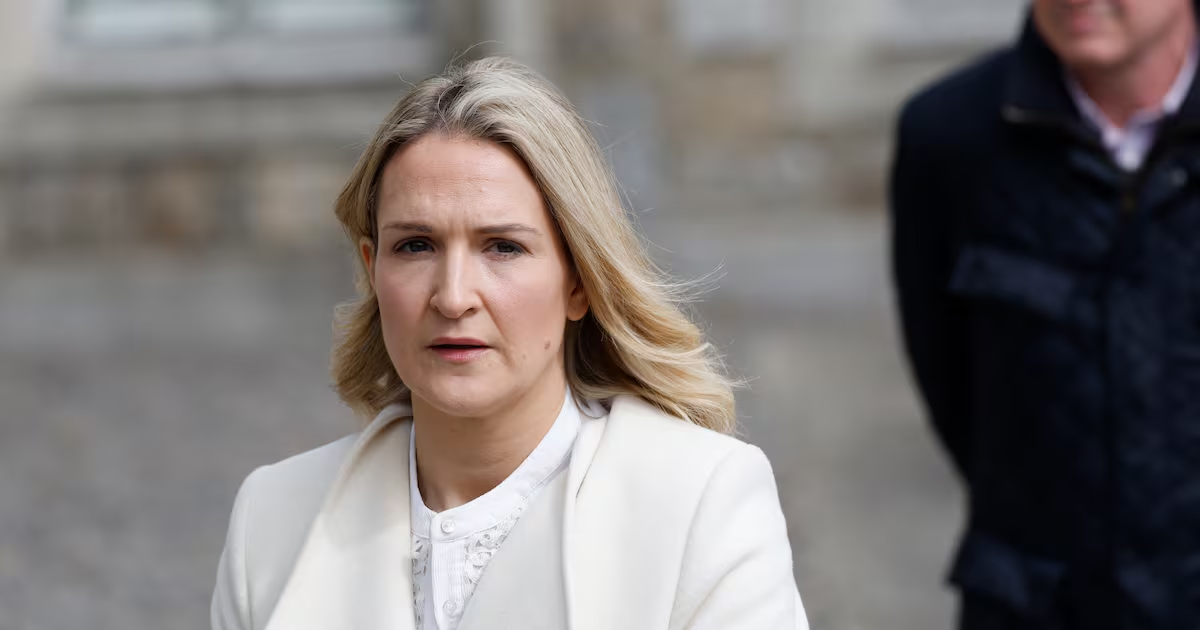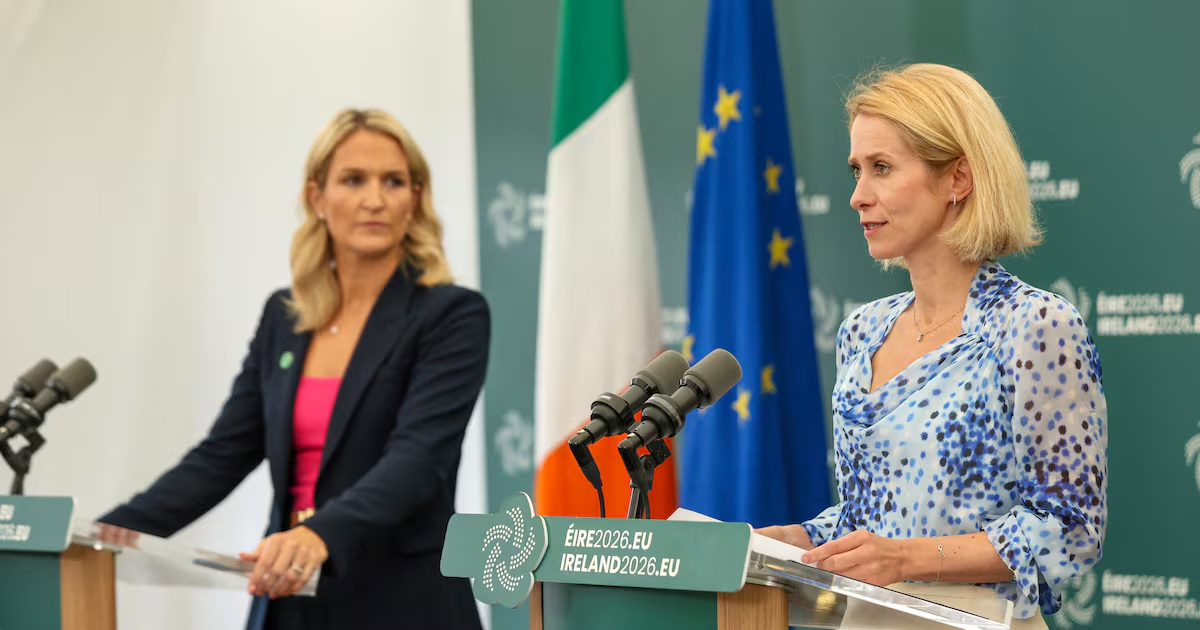
Ireland did not spend as much on defence and security “as we should have” in the past, Minister for Defence Helen McEntee has said. McEntee said she would be asking the Government to increase the amount set aside for defence investment during forthcoming budget negotiations. “In the past, we have not spent as much or committed as much as we should have, but I believe that has changed and that will continue to change,” she said after a meeting of EU defence ministers at Druids Glen, Co Wicklow.McEntee said she was open to Ireland making use of cheap EU loans to boost defence spending in the event of the union’s Security Action for Europe (Safe) programme reopening for a second round of applications. Earlier, she said a “significant security operation” had been put in place for Ireland’s presidency of the Council of the European Union. She was responding to recent media coverage about the State’s reliance on the French and UK defence forces to provide air and maritime security. The Irish Times reported on Tuesday that a UK warship and submarine-seeking helicopter had been deployed off the Irish coast.McEntee did not confirm the reports, saying she would not discuss security details, but added: “We have worked closely with international and European colleagues for many, many years on many security matters, and we’re no different to any other member state in that regard.”The Minister said Irish defence spending had increased by 43 per cent over the past two years and the State was investing significantly in counter-drone technology, radar facilities, air capabilities and “our maritime space”. Among the issues discussed at the meeting in Co Wicklow, chaired by McEntee and Kaja Kallas, the EU’s high representative on foreign affairs and security policy, were the war in Ukraine, maritime security, space defence, the situation in the Middle East and the continuing blockade of the Strait of Hormuz. Asked about Ireland relying on other countries for security cover during its presidency, Kallas said Ireland clearly had “much better neighbours than some of the other European countries”. “We have, as the European Union, good co-operation with the United Kingdom and I think we are also very like-minded partners.”Setting out the main discussion points of the meeting, Kallas said Russia had escalated its attacks on civilians in Ukraine during the month of July. She said the big issue for the EU was air defence and the need to help Ukraine acquire more missile interceptors. McEntee said more than 400 civilians in Ukraine were killed in air strikes since July, noting that Ireland had announced €125 million in funding to support air defence and training on the ground. On the Middle East, she said the situation on the ground was beginning to escalate and that the end of the Irish UN mission in Lebanon was a matter of “profound regret for Ireland”.She said Ireland, Spain and Austria had put together a proposal for a new EU Common Security and Defence Policy (CSDP) mission in the region. She said progress on that application would be discussed during Tuesday’s meeting. “It is essential that we have some form of peacekeeping mission on the ground. It is absolutely essential that Irish troops, along with many others, are on the ground to support the Lebanese armed forces to support the Lebanese people.”She added: “It is not for any other country and any part of the world to decide where we put our troops. We have for many, many years a proud tradition and history of peacekeeping, force protection, training missions on the ground, and I hope that that will continue to be.”However, such a mission might not be possible for Ireland under the current triple-lock mechanism, which requires the approval of the Government, the Dáil and a United Nations mandate before more than 12 soldiers can be sent abroad. The Government is aiming to enact legislation to scrap the mechanism this year.
‘That has changed’: Helen McEntee says Ireland now takes defence spending seriously
EU foreign affairs chief told Wicklow meeting Ireland has ‘much better neighbours’ than other European countries
652 words~3 min read