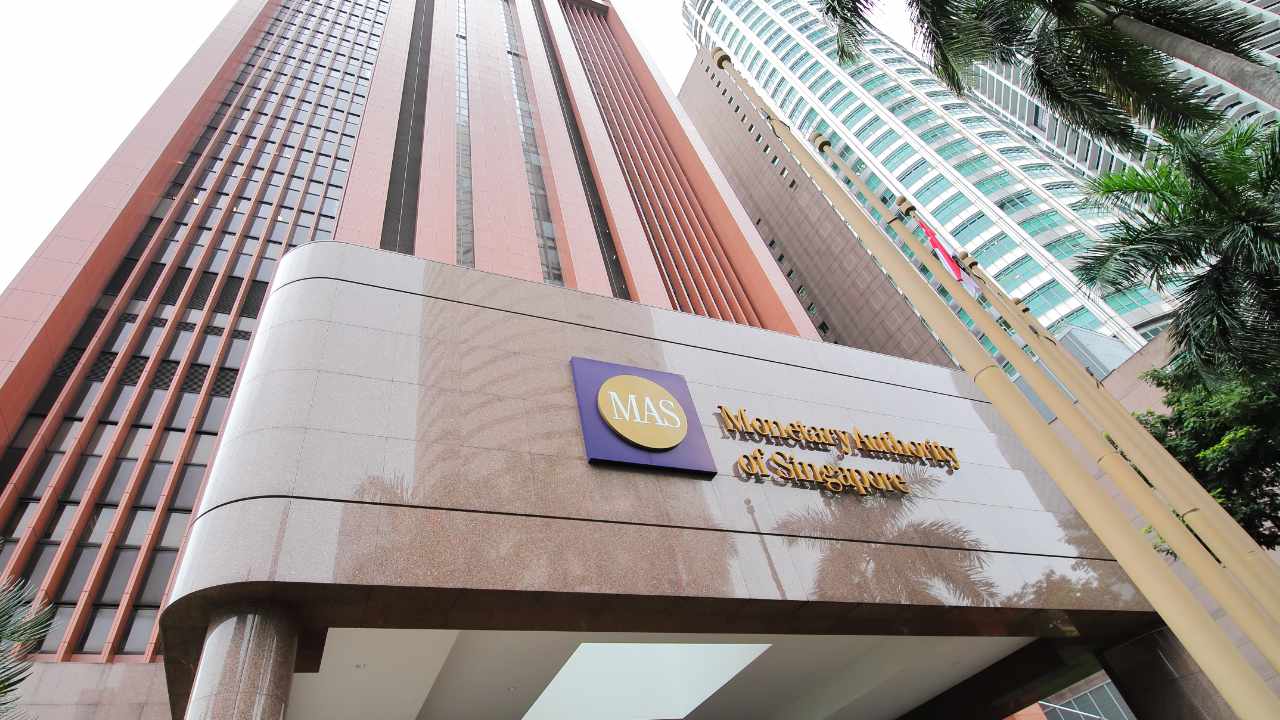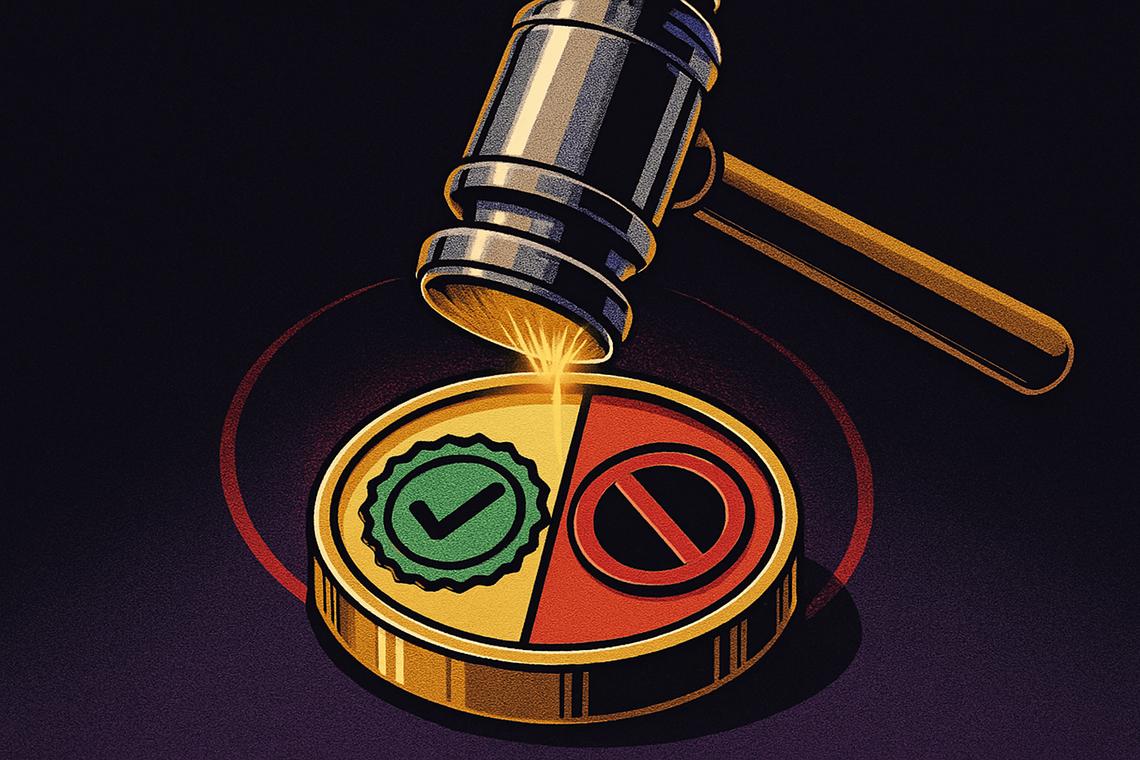
9 days ago2 min readSingapore's financial authority opened up a stablecoin consultation that ends on Oct. 16 that seeks to align its rules with others banning yields. (Jayiayli/Unsplash) SummarySingapore’s financial regulator has proposed requiring stablecoin issuers to maintain segregated reserves equal to at least 100% of tokens in circulation.The proposed rules would prohibit issuers from paying interest or other benefits tied to stablecoin holdings, reflecting the regulator’s view that the tokens should be used for payments rather than investments.The consultation, which also considers limited recognition of some foreign stablecoins, closes Oct. 16, but no implementation date has been announced.Singapore’s financial regulator has proposed amendments to the Payment Services Act that would require stablecoin issuers to fully back tokens with reserves and bar them from paying yield.The Monetary Authority of Singapore’s (MAS) proposed rules would require issuers to maintain assets equal to at least 100% of all tokens in circulation at all times, in accounts separate from issuers’ own funds and custodied only with licensed financial institutions.The rules would give holders greater protection when redeeming a Singapore-regulated stablecoin by requiring issuers to maintain sufficient reserve assets and to safeguard funds pending redemption. MAS said in a consultation paper that stablecoins should be used for payments, not by the public as investment products or to generate yield.The new rules would also bar stablecoin issuers from paying interest or other benefits tied to customers’ stablecoin holdings, an approach the MAS states “is aligned with international regulatory practices.” The U.S. GENIUS Act and the European Union’s Markets in Crypto-Assets (MiCA) regulation explicitly ban stablecoins from paying interest or yield.“MAS’s stance remains that while stablecoins may be used for payments, they should not be used by the public as investment products or for the generation of yield, akin to bank deposit,” the bill states."Trusted and well-regulated stablecoins can serve as a credible settlement asset in tokenized financial markets, while mitigating risks to users and the broader financial system," said Ho Hern Shin, MAS deputy managing director for financial supervision.The consultation also covers limited recognition for a small number of foreign stablecoins governed by comparable overseas frameworks, though how that recognition would work in practice, how responsibilities would be divided for jointly issued tokens and whether transitional arrangements would apply to existing Singapore-based issuers are yet to be determined.The MAS first consulted on its proposed stablecoin rules in October 2022 and published its response to feedback in August 2023. The current consultation closes on Oct. 16. MAS will consult on subsidiary legislation separately at a later date. No implementation date has been provided.The rules come as regulated stablecoins are already being tested in Singapore. Ripple is exploring whether its stablecoin RLUSD can replace the manual payment processes that have slowed cross-border trade for decades within Singapore’s central bank sandbox, a safe, controlled workspace where companies test new financial technology. The testing is part of BLOOM, a MAS initiative aimed at extending settlement capabilities for tokenized bank liabilities and regulated stablecoins.12345678910
Singapore’s new stablecoin proposal bans yield and mandates 100% reserves
Regulators aim to formalize the "MAS-regulated stablecoin" label by requiring daily mark-to-market reserves, segregated custody, and mandatory wind-down plans.
494 words~2 min read