Introduction
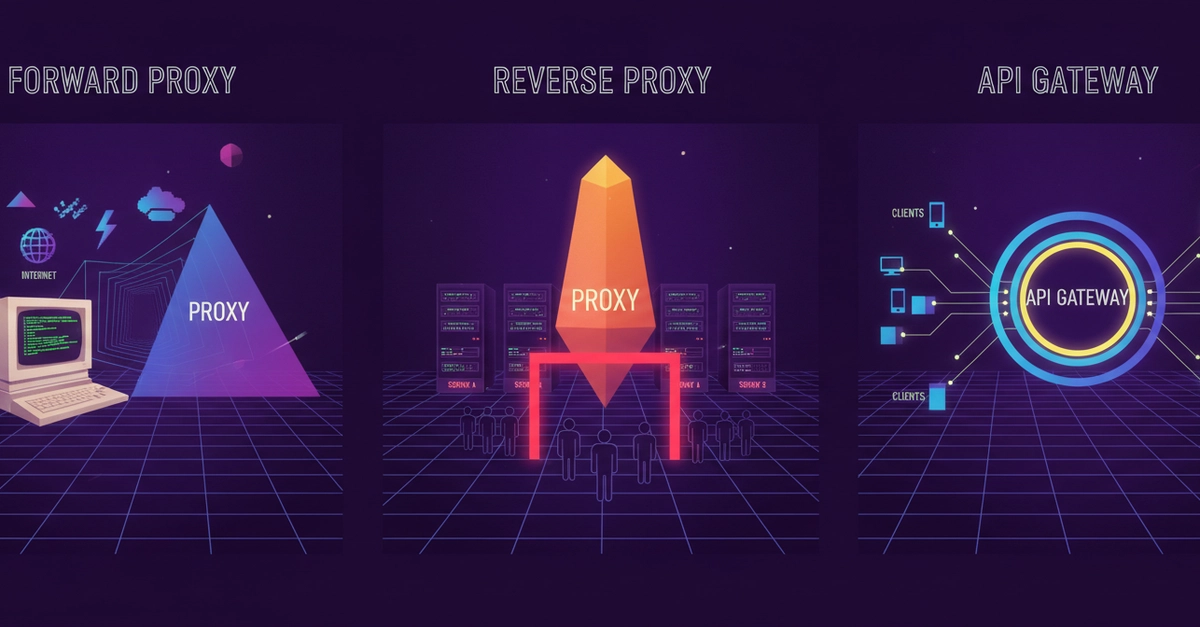
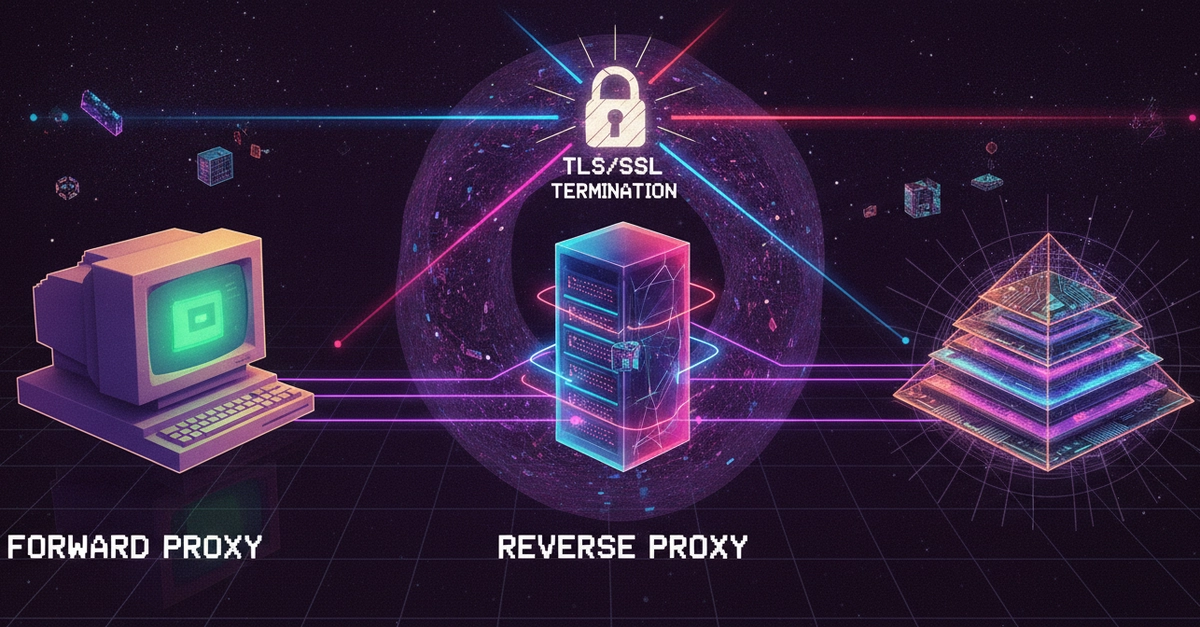
When you're scaling infrastructure or managing network security, proxies become essential tools—but they solve fundamentally different problems. A reverse proxy sits between your users and your backend servers, while a forward proxy sits between your users and the internet. This distinction might sound academic, but it shapes your entire architecture: from load balancing and security posture to compliance requirements and cost structures.
Choosing the wrong proxy type can lead to bottlenecks, security vulnerabilities, or unnecessary infrastructure complexity. This article walks you through real-world scenarios, pricing considerations, and decision frameworks to help you deploy the right solution.
Forward Proxies: Controlling Outbound Traffic
What Forward Proxies Do