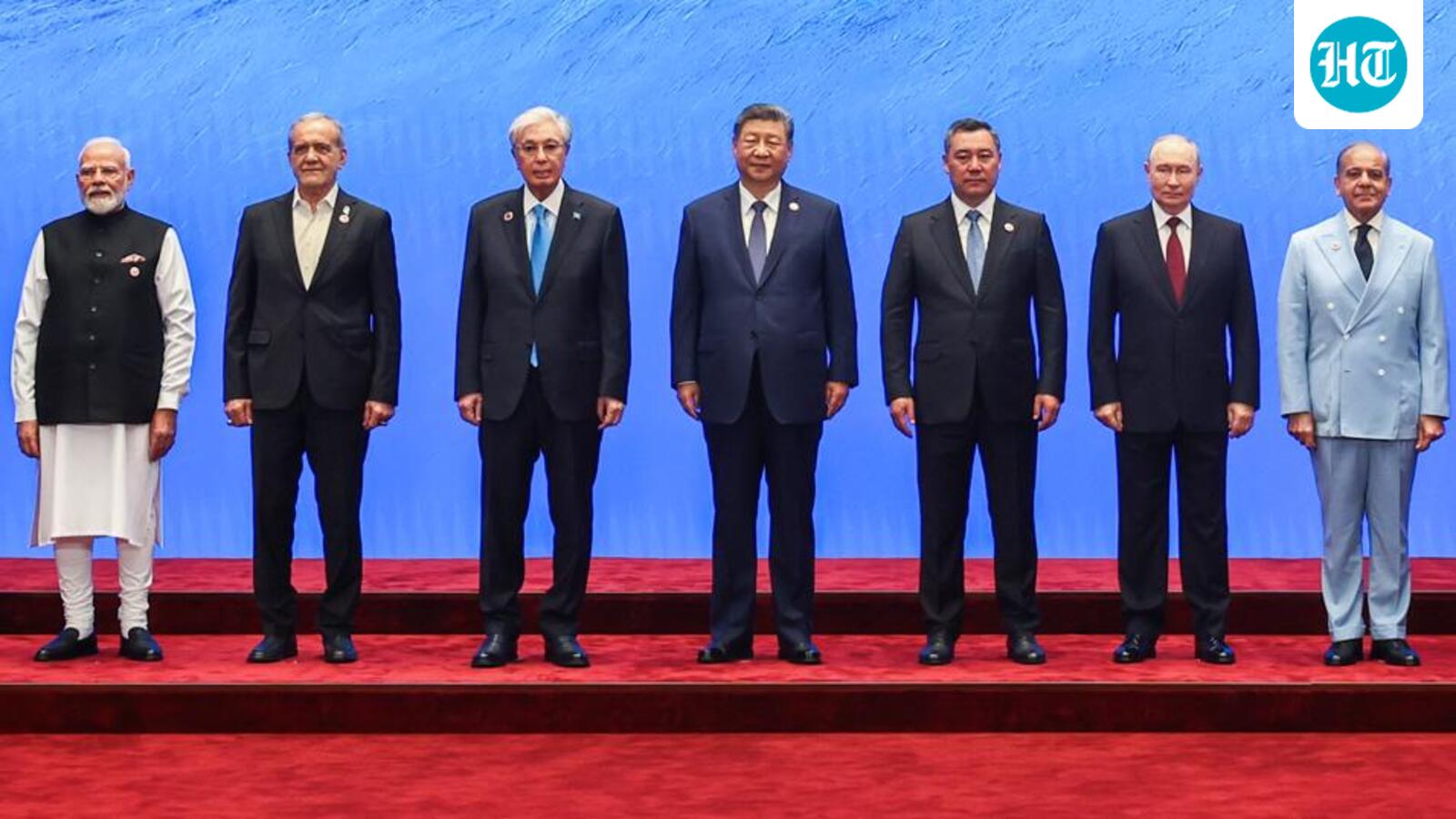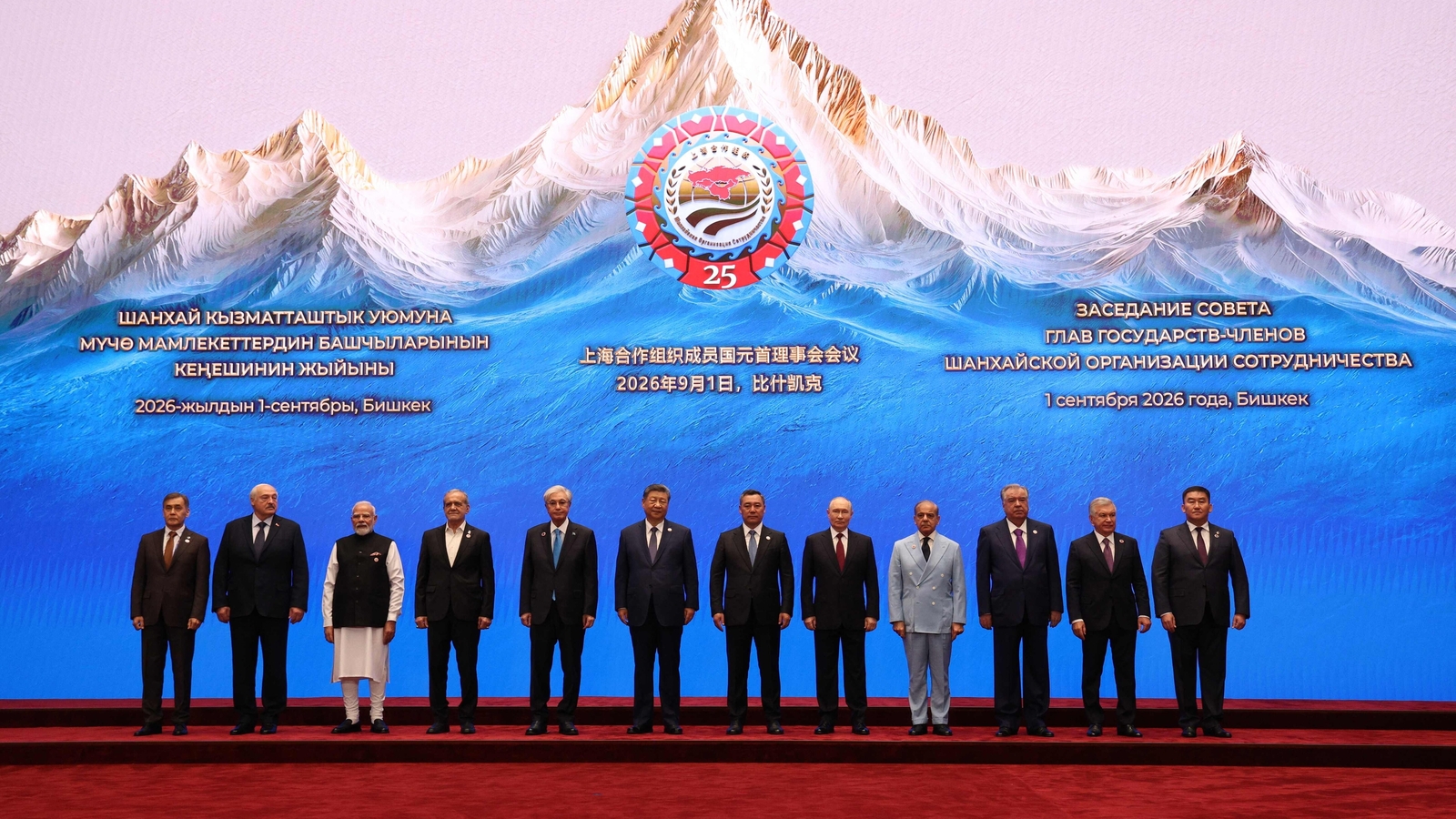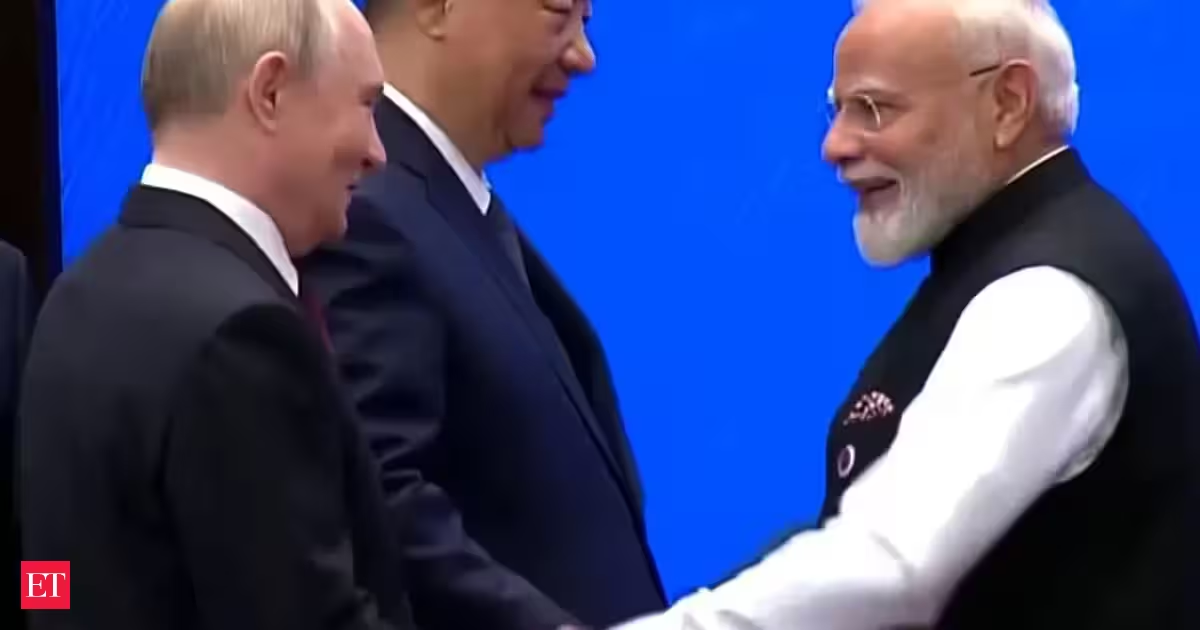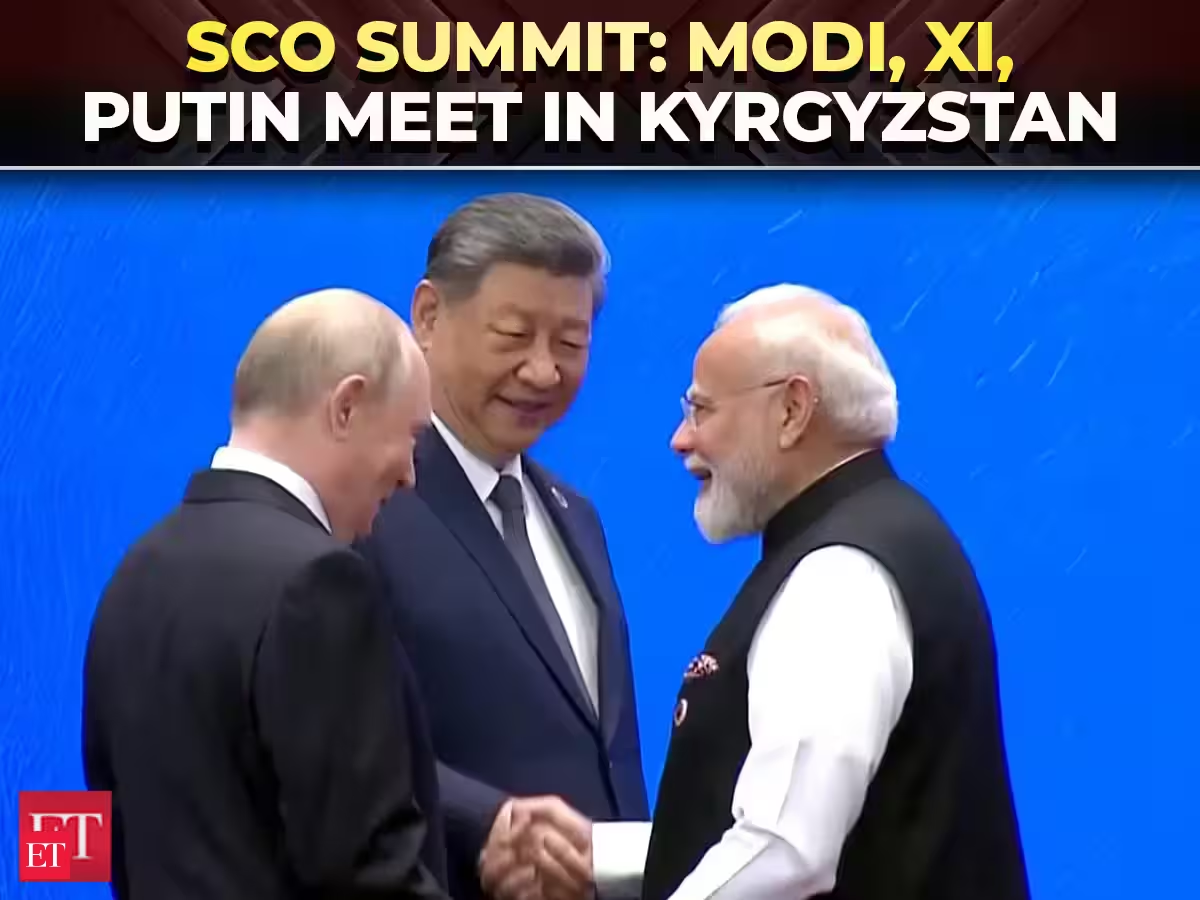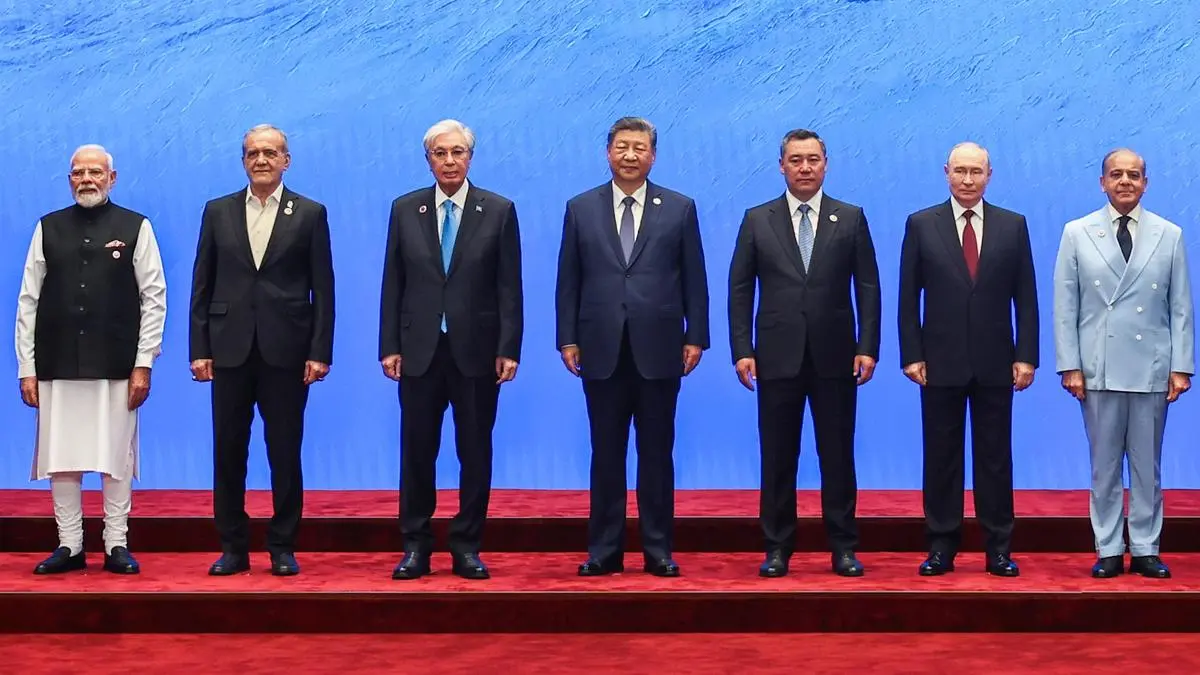
Prime Minister Narendra Modi, Chinese President Xi Jinping, Russian President Vladimir Putin, and Pakistan Prime Minister Shehbaz Sharif pose for a group photo with heads of state at the Shanghai Cooperation Organisation (SCO) summit, in Bishkek on Tuesday.
| Photo Credit:
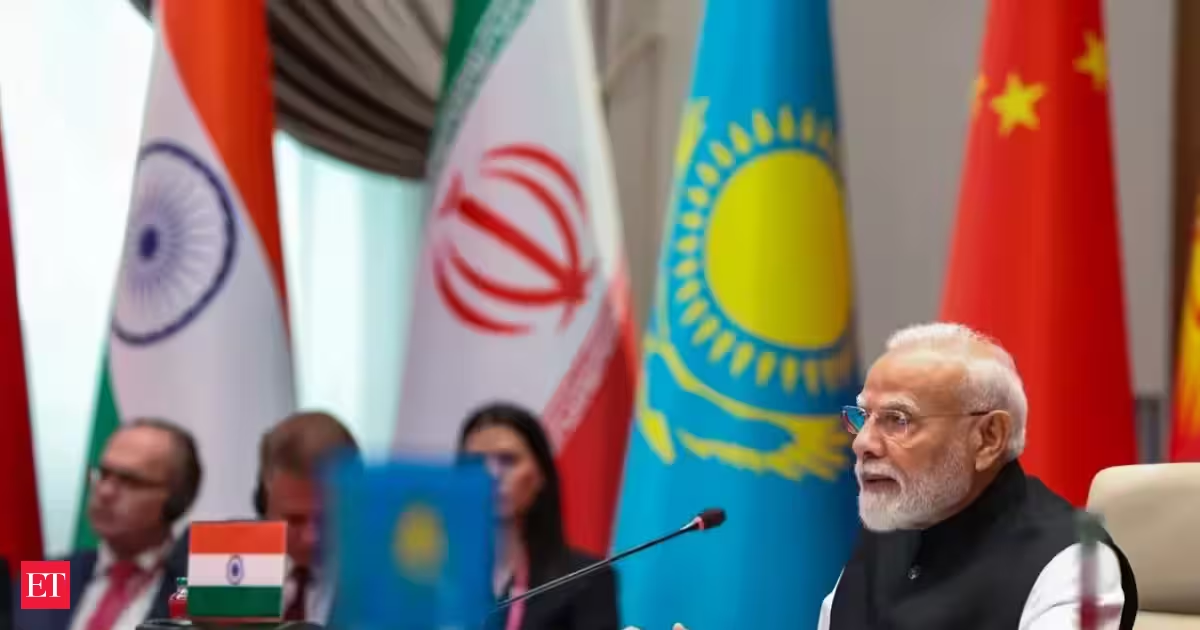
Prime Minister Narendra Modi has backed greater economic connectivity among members of the Shanghai Cooperation Organisation (SCO), but stressed that efforts to link markets and facilitate trade must respect the sovereignty and territorial integrity of all countries, a principle that underpins New Delhi’s opposition to China’s Belt and Road Initiative (BRI).Against the backdrop of the continuing conflict in West Asia, Modi warned the ten-member SCO – which includes India, China, Pakistan, Russia, Iran, Belarus, Kazakhstan, Kyrgyzstan, Tajikistan and Uzbekistan – that conflicts could no longer be viewed as isolated regional events, as they impacted global economy, energy security, maritime trade.“India supports all efforts that connect markets, facilitate trade, and open new avenues of development. However, in these efforts, respect for the sovereignty and territorial integrity of all nations is imperative,” Modi said in his address to the 26th SCO Summit in Bishkek, Kyrgyzstan, on Tuesday.The emphasis on sovereignty and territorial integrity is significant in the context of competing approaches to regional connectivity, including China’s BRI, although Modi did not refer to China or the BRI in his speech. India has consistently opposed the China-Pakistan Economic Corridor, a flagship BRI project, over its passage through Pakistan-occupied Kashmir. New Delhi has consistently opposed SCO’s commitments to Beijing’s connectivity network, at earlier meetings and summits.The PM’s remarks on connectivity came while outlining the second of India’s three pillars for the SCO — Security, Connectivity and Opportunity. On the wider security implications of conflicts, Modi noted that the West Asia crisis has shown that a conflict in one region does not remain localised. “..It impacts energy security, maritime trade, and supply chains globally, with the nations of the Global South bearing the greatest burden. Therefore, India has consistently called for all tensions and conflicts to be resolved not on the battlefield, but through dialogue and diplomacy,” he said.The reference to energy security and maritime trade is particularly significant for India given the disruption to shipping and energy flows caused by the West Asia conflict, including risks to cargo moving through the Strait of Hormuz.Modi also linked the security of the wider Eurasian region to Afghanistan, saying India would continue its development and humanitarian assistance to the Afghan people. “Our shared aspiration for a peaceful and secure Eurasia is also linked to peace and stability in Afghanistan,” Modi said.On terrorism, Modi called for a collective approach that went beyond responding to individual attacks and focused on dismantling the broader ecosystem that sustains terrorism.“We must dismantle the entire ecosystem of terrorism — its financing, recruitment, radicalisation, and safe havens…We must speak in one voice: there can be no place for double standards on such a serious issue,” he said.The PM also described drug trafficking as a serious threat to young people and regional security, and called for the SCO mechanisms dealing with organised crime, narcotics and other security challenges to become effective instruments of practical coordination and timely action.Published on September 1, 2026