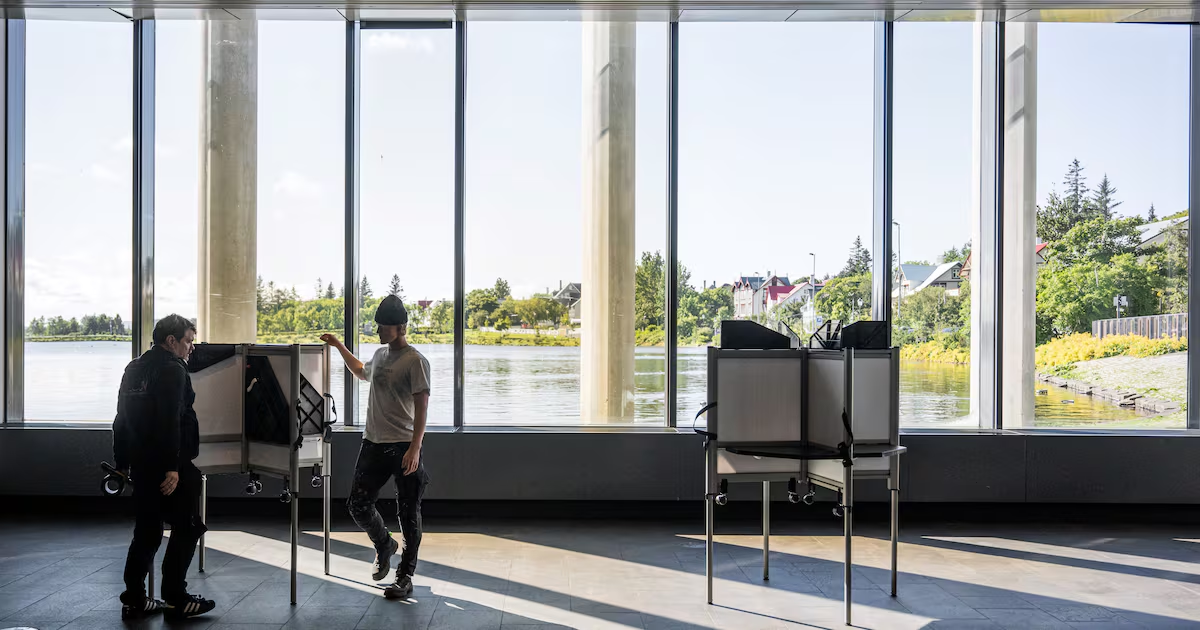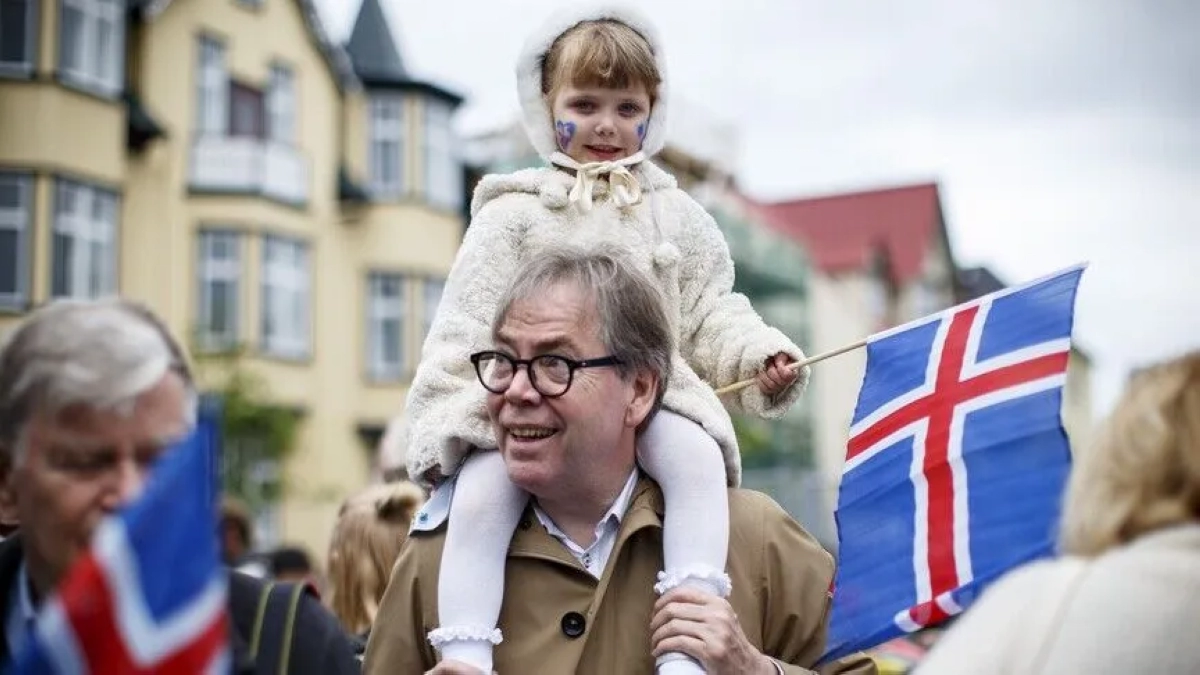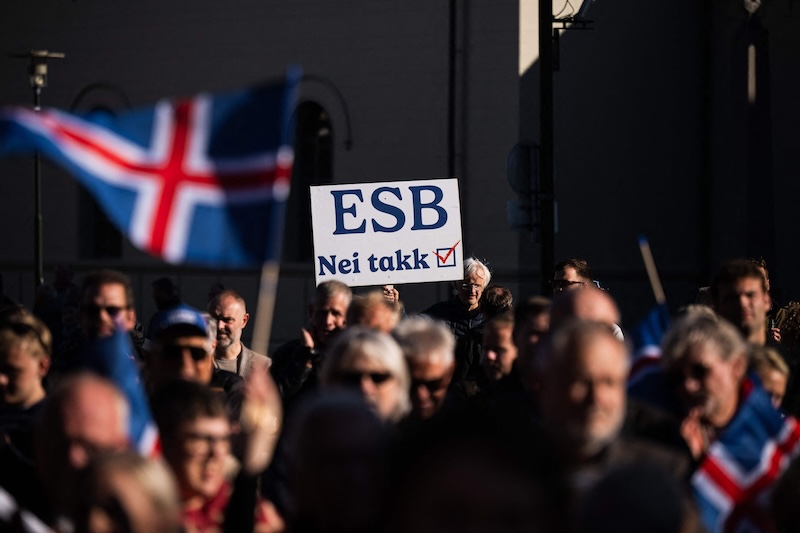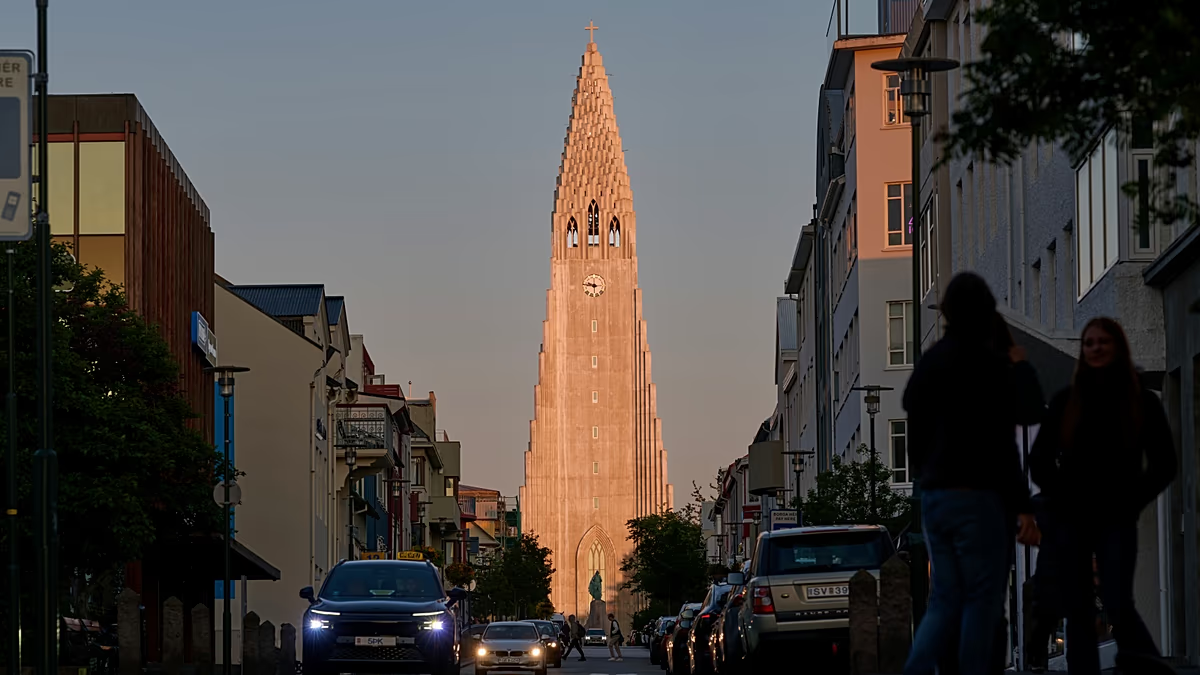
On Saturday, Icelanders were called to the polls to vote on whether the country should resume negotiations to join the European Union. 52.8 per cent voted “No” and the government has no official mandate to go back to the negotiation table.
Unlike other candidate countries, where membership depends on deep institutional reforms, Iceland’s case is different. It is a wealthy, stable country that aligns closely with EU democratic values and principles.
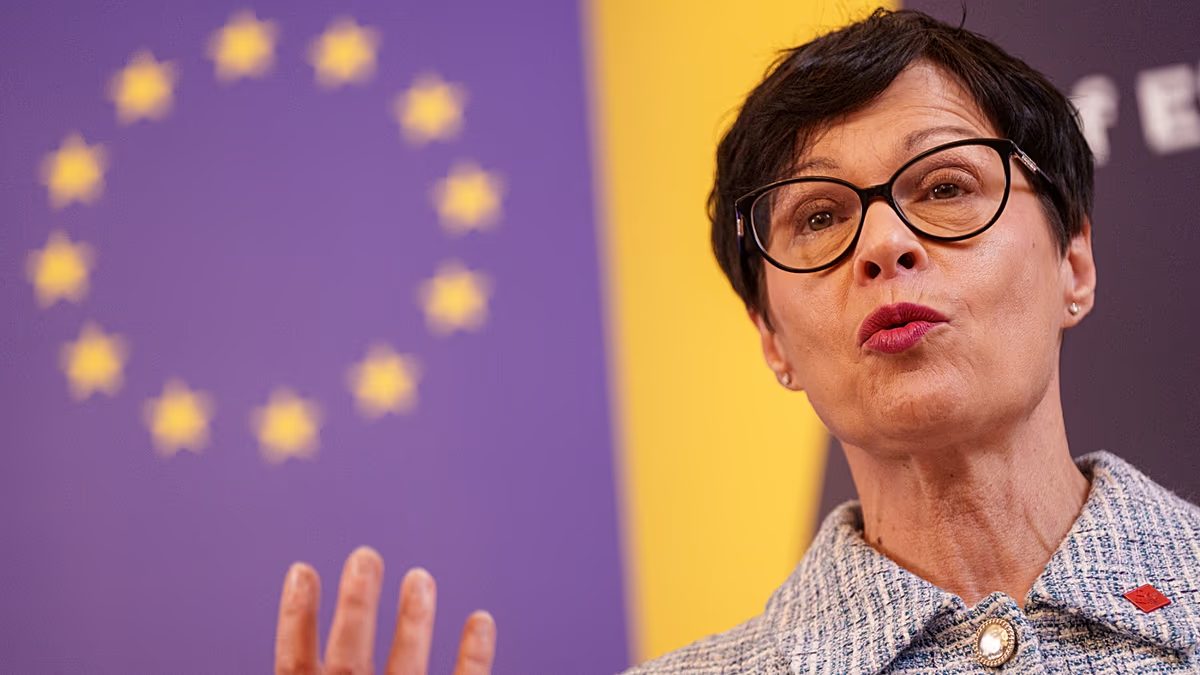
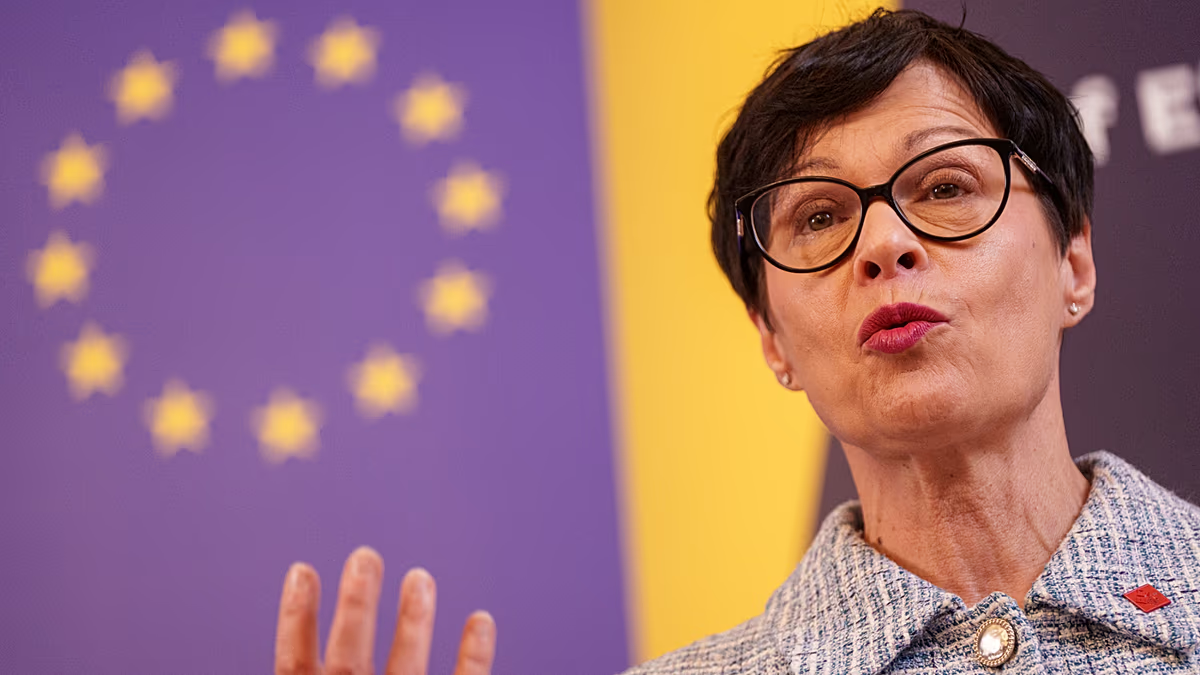
“In the previous accession process, 27 of 35 negotiating chapters were opened and 11 were provisionally closed. Moreover, through the EEA and Schengen, Iceland already applies a substantial part of EU legislation and is deeply integrated into the Single Market”, said Christine Leuchtenmüller, Head of Regional Programme Nordic Countries at the Konrad-Adenauer-Stiftung.
However, according to Leuchtenmüller, Saturday’s outcome “primarily reflect[s] Iceland’s particular political and economic circumstances” and should not “allow for broader conclusions about EU enlargement”.
Iceland's vote also questions the EU’s wider security outlook, especially as the bloc depends more on enlargement to boost its global influence and security. This approach has become more critical following Russia’s war in Ukraine, strained relations with Washington, and conflicts in the Middle East.