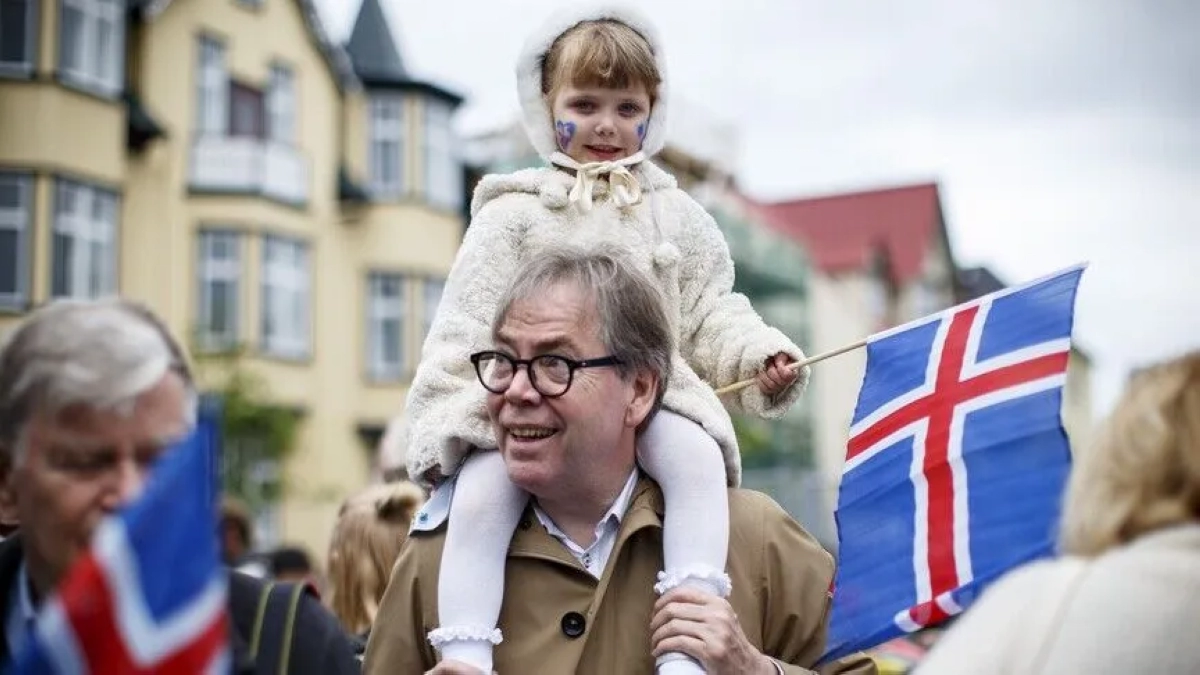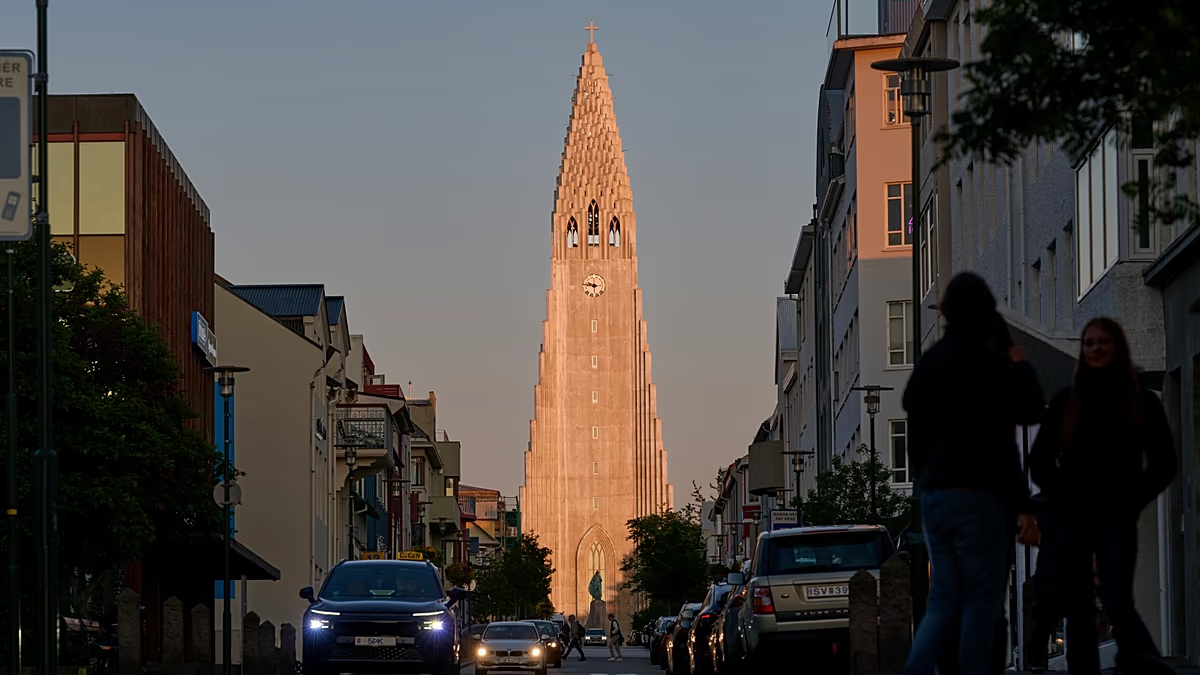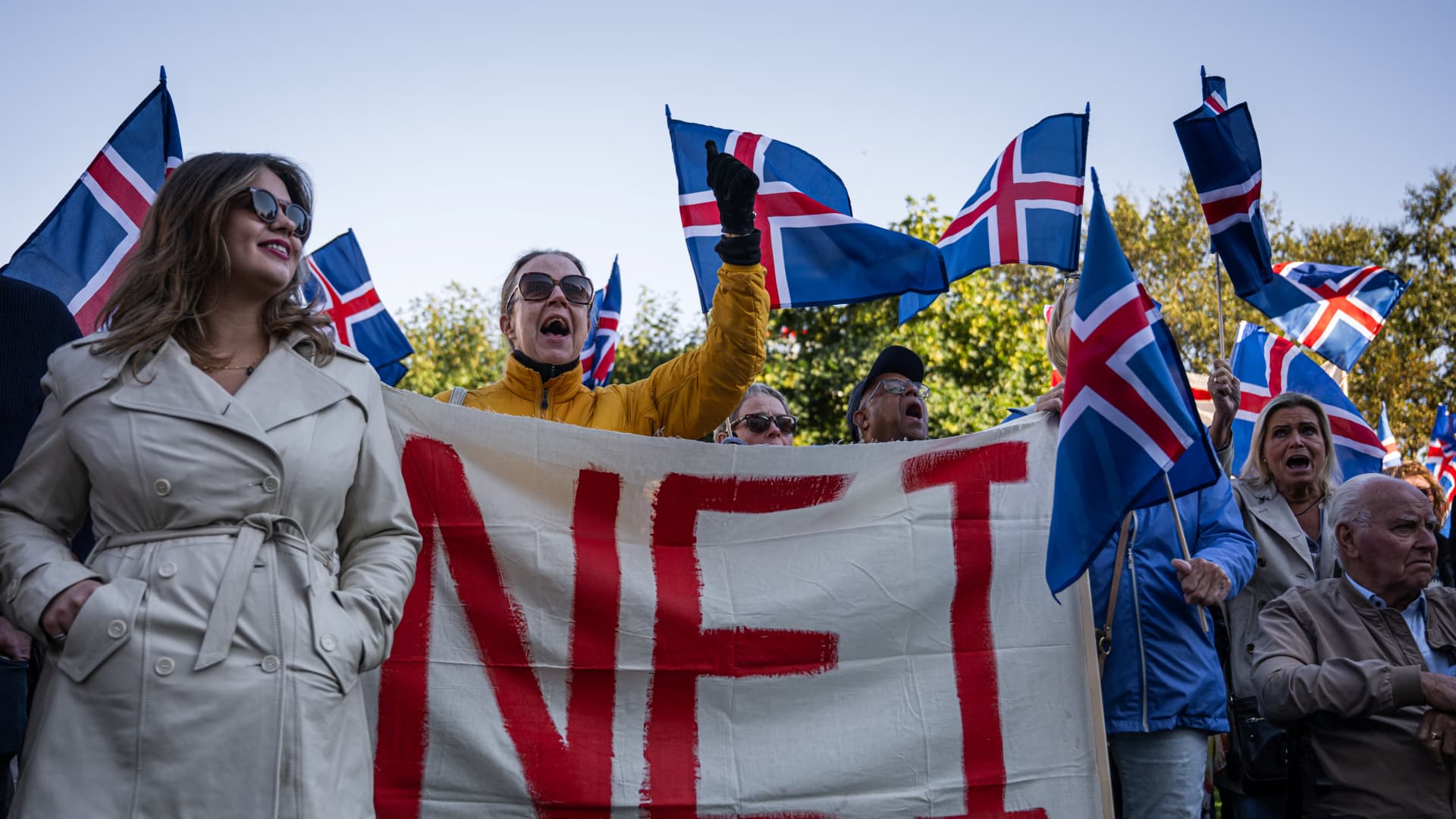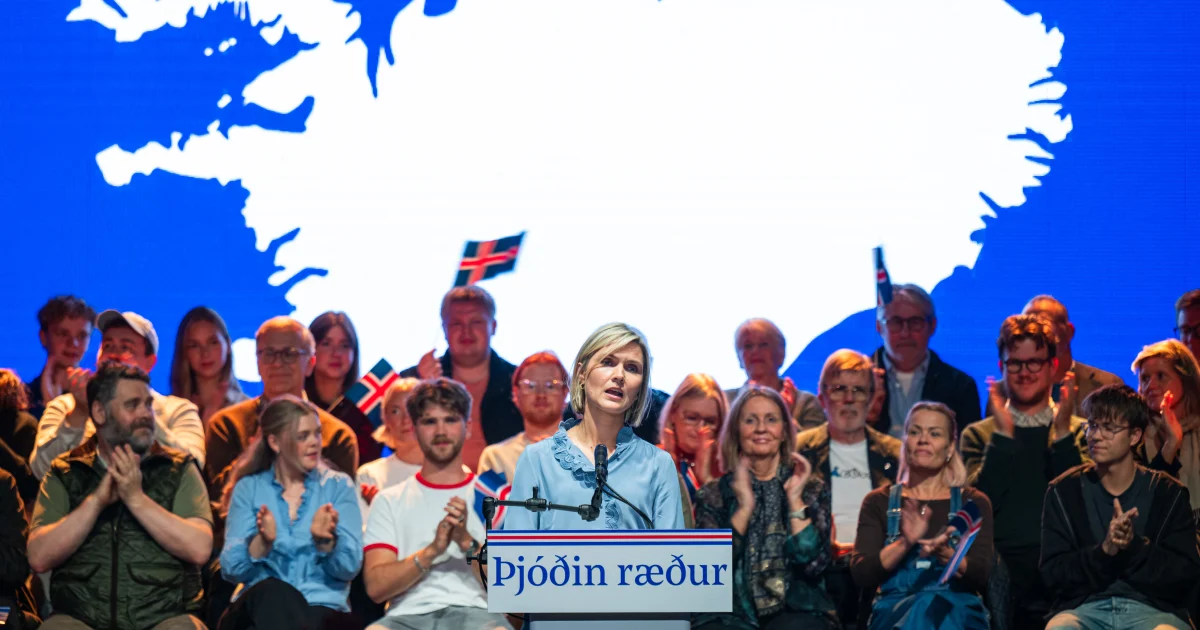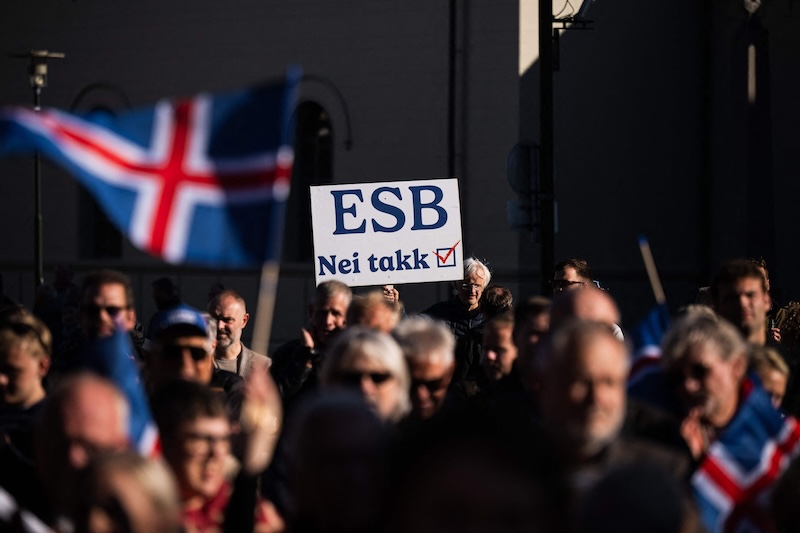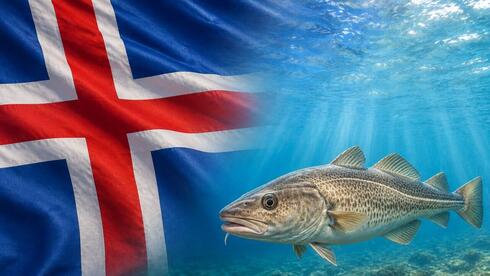
On 29 August, 52.8 percent of Icelanders voted “No” in a referendum on resuming membership talks to join the European Union. The EU had already opened accession negotiations in 2010, but Reykjavik dropped them in 2015 following a change of government.
For the EU, Iceland’s membership was about whether the EU could still attract a wealthy, stable democracy that chooses to join for reasons beyond seeking financial and economic stability.
With Russia’s war destabilising Europe, weakening ties with Washington, and the conflict in the Middle East, the EU views enlargement as vital to its own future. A larger bloc boosts influence in trade, defence, and diplomacy.
When countries join the bloc, they give up part of national sovereignty to the EU but gain a seat in European institutions and benefit from common policies, including foreign, security, and trade. They must contribute to the EU budget but can access funds and support.
To join the EU, candidate countries need to adopt the EU’s principles and implement the EU acquis communautaire, a set of laws that form the core of EU legislation.