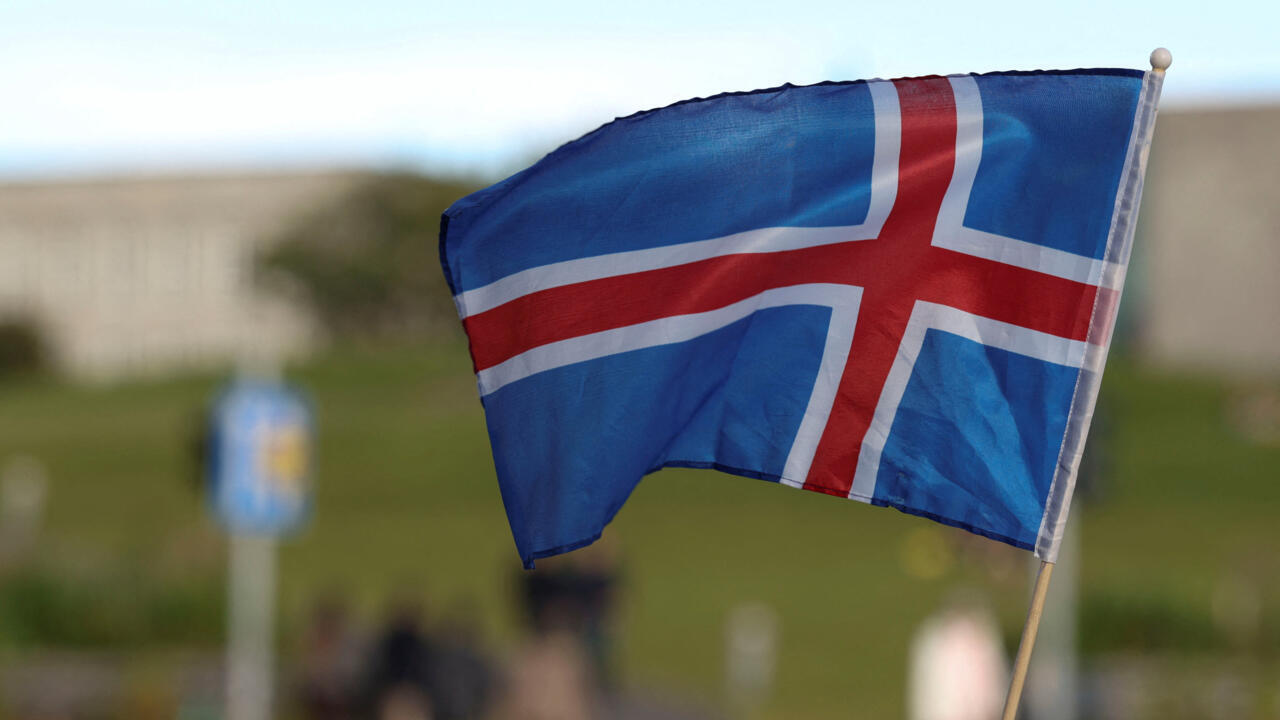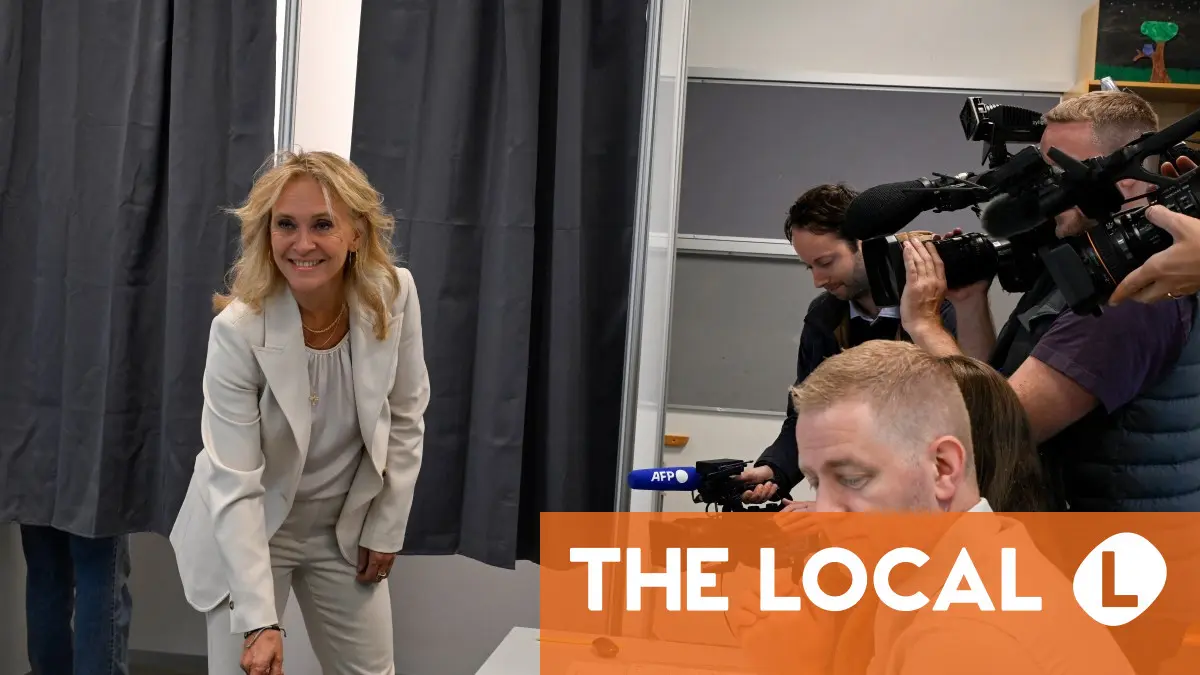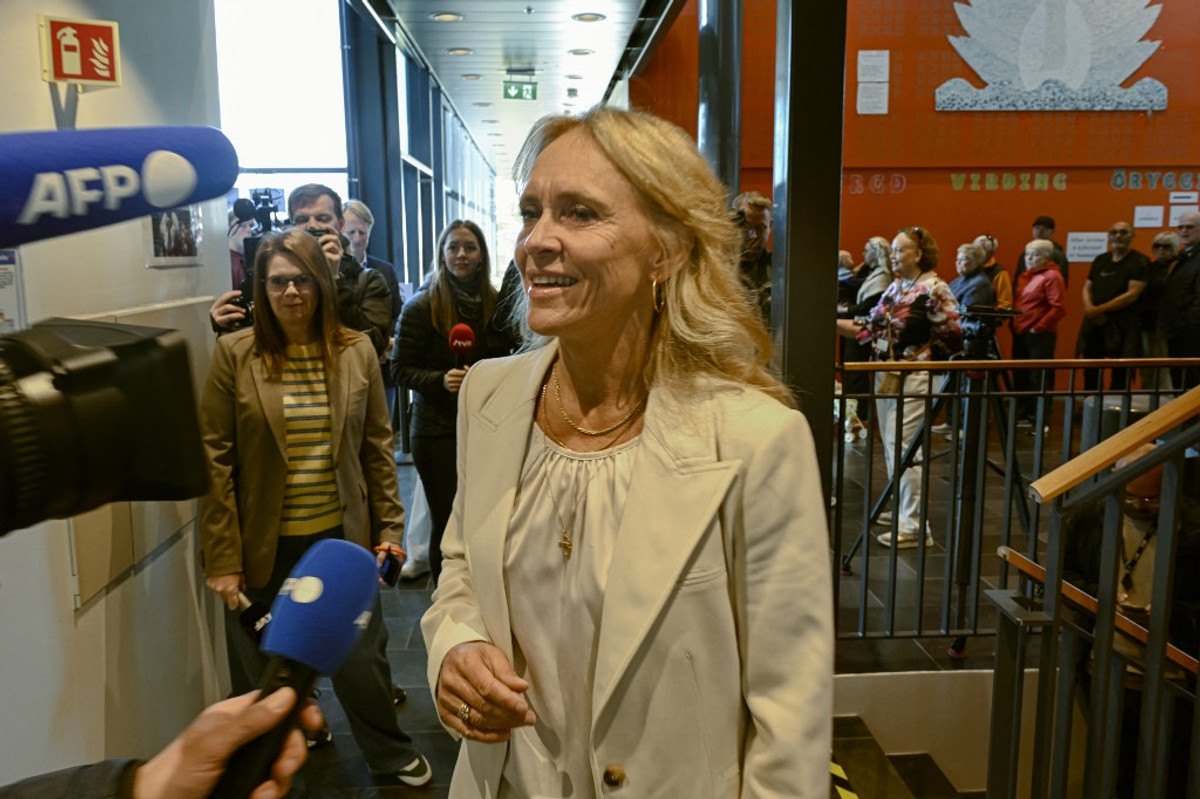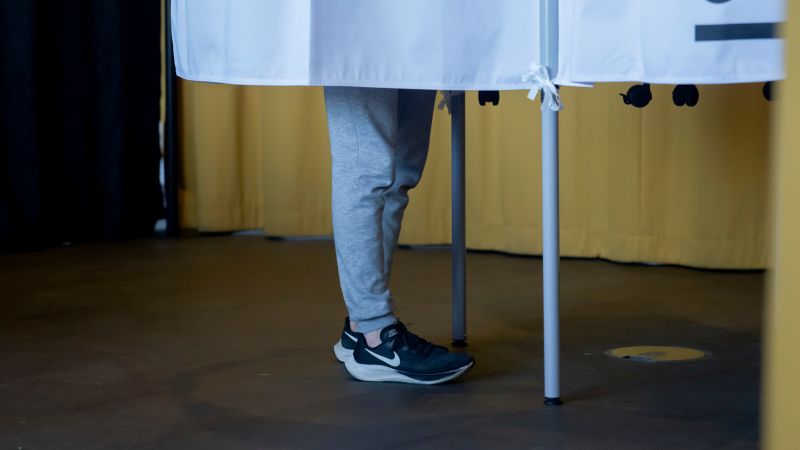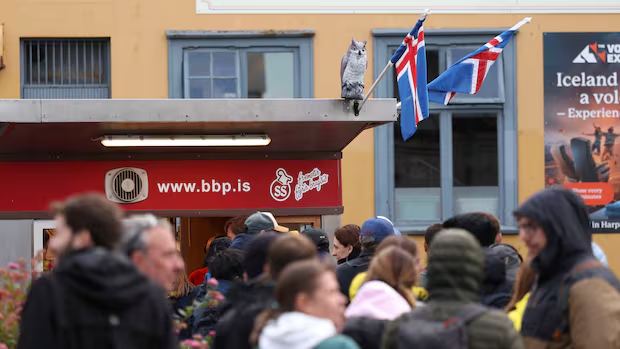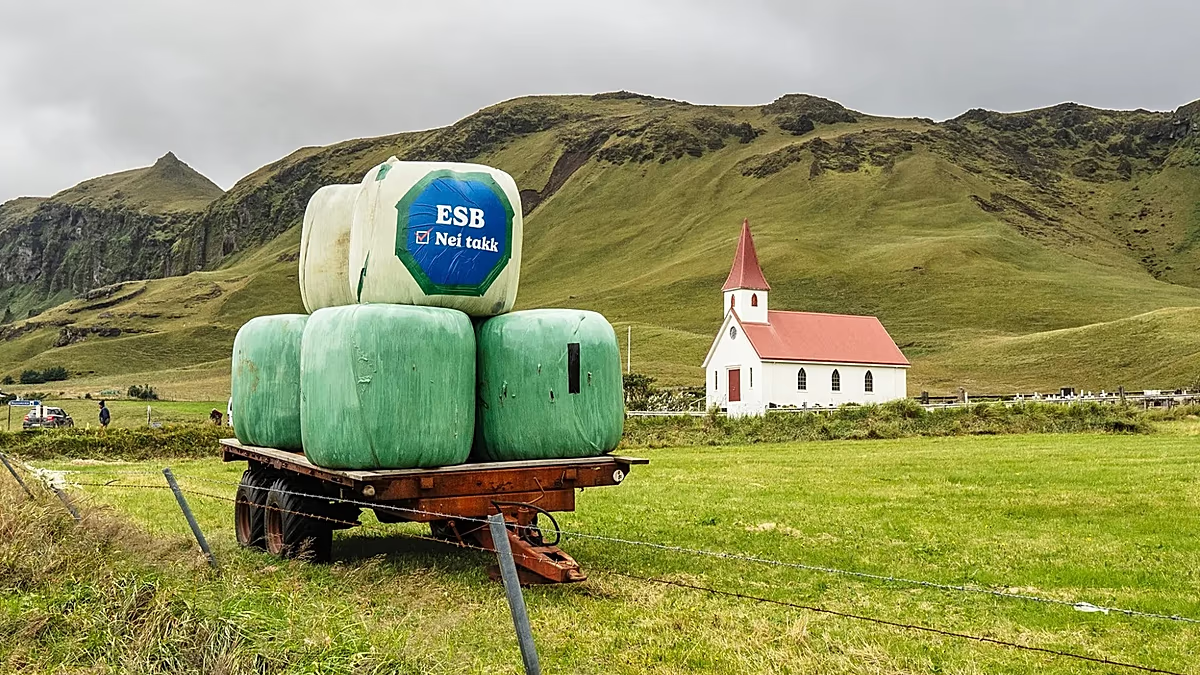
A blow to the EU, which had hoped to add a wealthy country to its ranks for the first time since 1995 and halt the Eurosceptic drift on the continent; Icelanders voted by a slim majority of 52.8% against resuming accession talks that were suspended in 2013 Icelanders voted by a narrow majority over the weekend against their country joining the European Union, according to referendum results published Sunday, dealing a disappointment to Brussels, which had hoped for a victory by the “yes” camp amid growing Euroskepticism in other countries across the continent. In the referendum, Icelanders decided by a small margin that preserving the island nation’s full independence and complete freedom of action in its fishing waters was too important to put at risk.GalleryThe question of the fishing industry was at the center of the EU referendum in IcelandIceland, an Arctic island nation of about 400,000 people, began talks on joining the European Union as early as 2009, after the severe economic crisis it experienced. But in 2013, following the rise to power of a Euroskeptic right-wing government, those talks were suspended. In the referendum held over the weekend, Icelanders were asked by the incumbent center-left government whether to renew those negotiations. A victory for the “yes” camp would not have meant that Iceland would definitely join the EU, because it would first have had to reach an agreement on the terms of accession and then put that agreement to another referendum. The victory of the “no” camp, however, closes the door to any such accession for the foreseeable future and certainly until a new government is formed, currently expected in 2028.The vote count overnight kept the country in suspense, as the “yes” camp took an early lead before the trend shifted in favor of opponents. By dawn, only a few hundred votes separated the two camps, before the gap widened as ballots came in from areas of the country where opposition was stronger. By morning, Iceland’s public broadcaster reported that final results showed 52.8% of those who took part in the referendum voted against the government’s proposal to open negotiations with the European Union, while 47.2% supported it. Voter turnout was 82.5%.Prime Minister Kristrún Frostadóttir votes on the referendum(Photo: Marco Di Marco/AP)Iceland’s government presented EU membership as a step that would protect the country from trade wars and rivalries in the Arctic and described the referendum as a “now or never” moment. Prime Minister Kristrún Frostadóttir said a “no” vote would end the debate for as long as her center-left coalition remained in power.Senior officials at EU institutions in Brussels had expressed hope that an Icelandic vote in favor of accession talks could ease skepticism toward further EU enlargement and strengthen the bloc strategically at a time when Arctic security has become an increasingly urgent issue. The vote took place against the backdrop of repeated threats by U.S. President Donald Trump to take control of neighboring Greenland, threats that prompted some voters to support the idea of European solidarity. Although Iceland is already a NATO member, supporters of the proposal argued that EU membership would give Iceland greater protection from its neighbors if Trump were to make similar threats against the volcanic island.In any case, the debate within Iceland over joining the EU focused on interest rates, fishing rights and the cost of living rather than security issues. Iceland is grappling with high inflation and interest rates that have made mortgages expensive, and supporters of a “yes” vote argued that EU membership, and perhaps even adoption of the euro, could bring relief. The Icelandic central bank’s interest rate stands at 8%, compared with 2.25% at the European Central Bank.A boat returns to Reykjavik harbor last week: Icelanders fear the decline of fish stocks(Photo: Leonhard Foeger/Reuters)“It won’t solve Iceland’s structural flaws, but it could become a catalyst for a healthier economy,” said chief economist Vilhjálmur Hilmarsson of the Viska union, one of Iceland’s largest labor organizations.Opposition leader Guðrún Hafsteinsdóttir, who led the “no” campaign, argued in response that the economic case was overstated.“These are not problems Brussels will solve for us. These are problems Icelandic politicians must solve,” she stressed.A leading force in the “no” campaign was Iceland’s influential fishing industry, which feared that the EU’s Common Fisheries Policy would allow Spanish, Dutch and other fishing vessels into its economic waters and reduce fish stocks. According to polls, 90% of workers in the fishing industry oppose joining the European Union.The descendants of the Vikings who settled Iceland have made their living from the sea for hundreds of years, and the abundant catch of cod and squid is not only a major pillar of Iceland’s economy but also a central part of its national identity. Iceland gained independence from Denmark in 1944 and has a proud history of refusing to allow larger and wealthier European countries to exploit it. One example is the “Cod Wars” it fought with Britain in the 1970s, during which it insisted on preventing British fishing boats from operating in its waters and even sabotaged them. At the height of the confrontation, Iceland also threatened to withdraw from NATO.Opponents of joining the European Union at a rally this weekend(Photo: Jonathan Nackstrand / AFP)Under EU rules, fishing quotas are based in part on historical fishing patterns. For that reason, some Icelandic officials said that even if the country joined the EU it would retain control over its waters, since no EU country has fished there for decades. Opposition leader Hafsteinsdóttir was unconvinced.“I know the European Union will come with certain promises of flexibility, especially at the beginning, but we know that won’t last forever,” she said.Opponents of EU membership pointed not only to the fishing issue but also to the fact that Iceland already enjoys partial integration into European agreements, such as membership in the European Economic Area and the Schengen free-travel zone, without giving up sovereignty as it inevitably would under full membership. They also argued that Iceland’s voice would be swallowed up in the vast European Parliament and that it would be better off signing its own trade agreements, such as its agreement with China.A young man supporting the "Yes" camp walks with the European Union flag on his shoulder(Photo: Marco Di Marco/AP)For the European Union itself, the referendum result is a bitter disappointment. For a bloc that has not admitted any wealthy country since 1995, but only relatively poorer states such as Bulgaria and Romania, Iceland’s accession would have been seen as a sign of success for the EU’s enlargement policy while also strengthening its presence in the Arctic, which is becoming an increasingly important arena of economic and security competition.A “yes” vote in Iceland could also have helped reignite debate over accession in Norway, its oil-rich neighbor, which has likewise remained consistent over the years in rejecting EU membership. In recent weeks, senior EU officials had sounded willing to make compromises to bring Iceland into the bloc, including recognition of the “unique conditions” of Icelandic fishing.
The fish win: Iceland voted in a referendum against joining the European Union
A blow to the EU, which had hoped to add a wealthy country to its ranks for the first time since 1995 and halt the Eurosceptic drift on the continent; Icelanders voted by a slim majority of 52.8% against resuming accession talks that were suspended in 2013
1,163 words~5 min read